

Vintage Leather Captain Chair
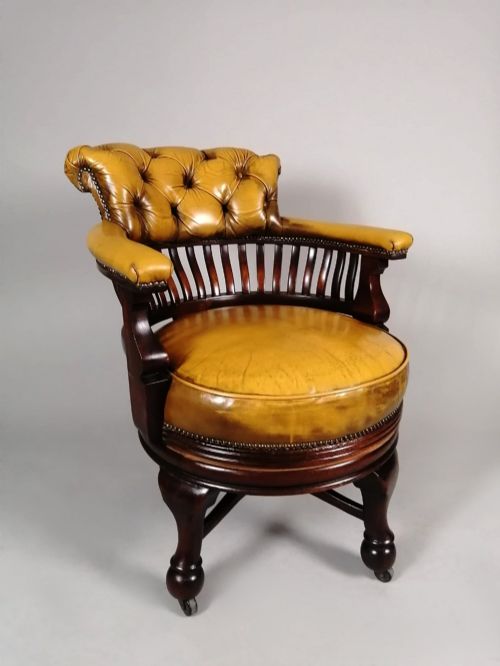
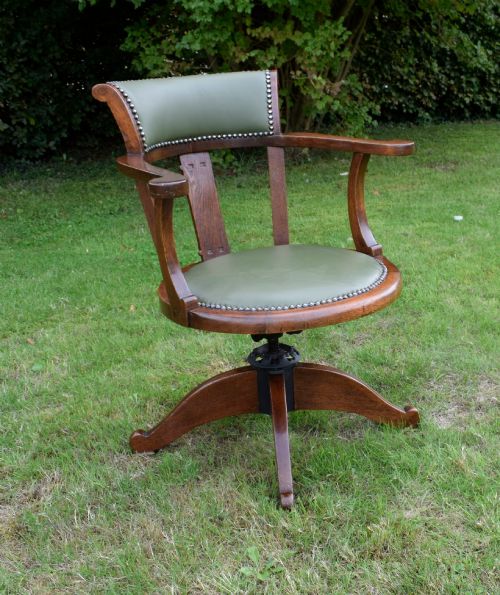
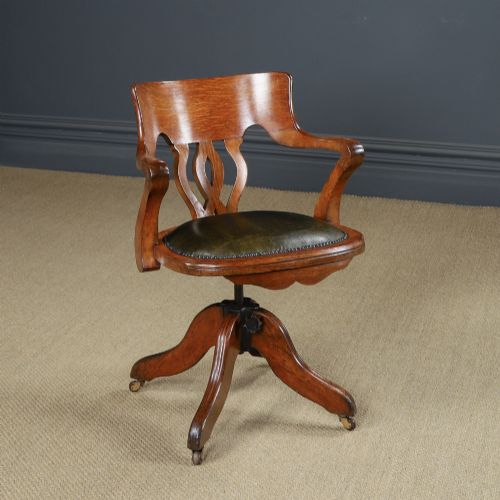
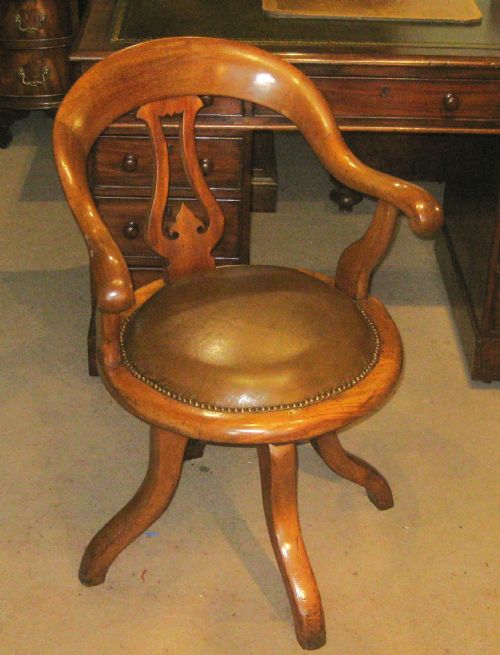
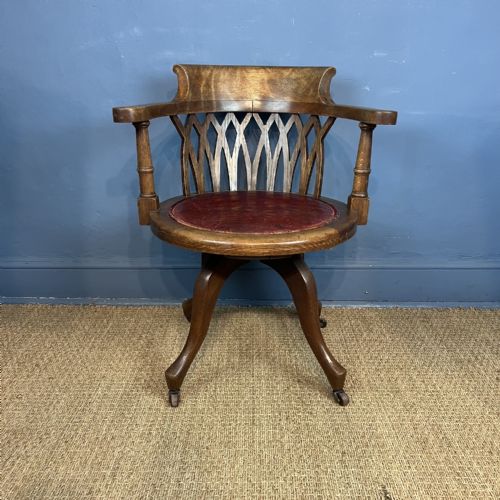
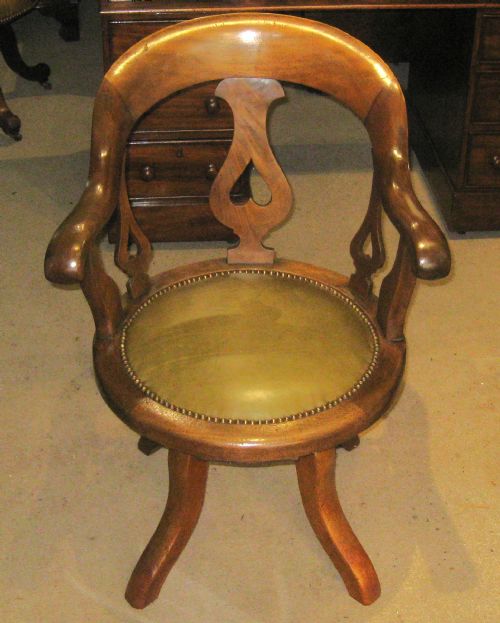
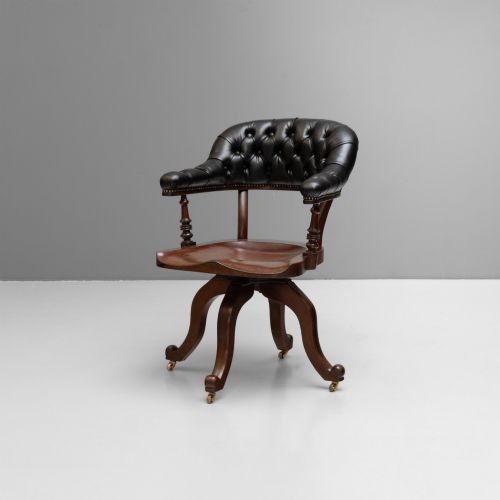
A vintage leather captain chair brings substantial character and swivel comfort to a study, built from sturdy timbers and hide to anchor a room.

Vintage Leather Captain Chair
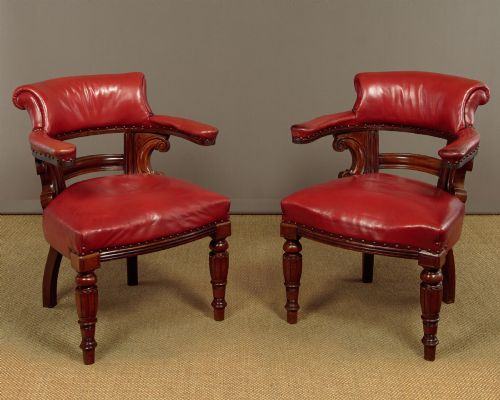
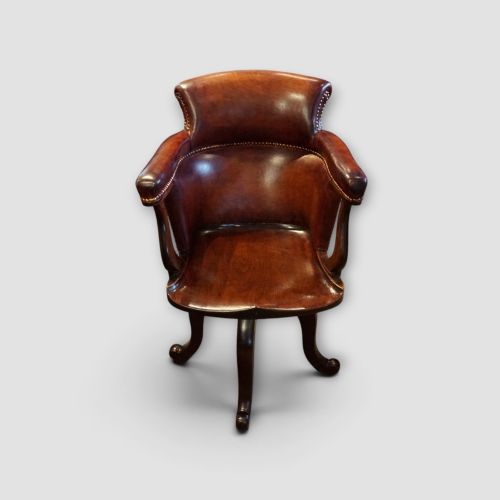
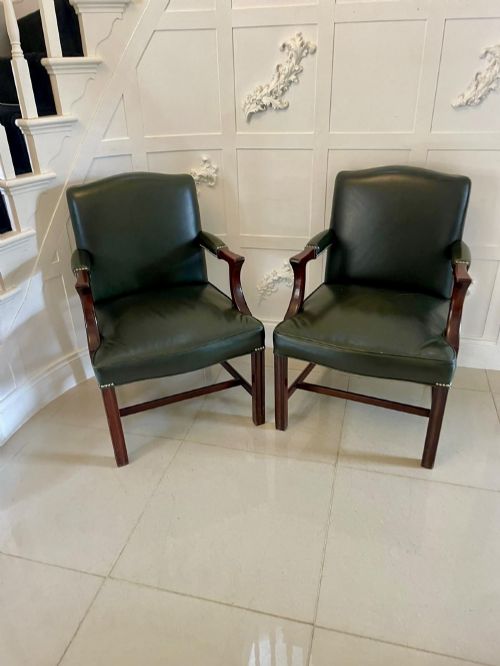
A vintage leather captain chair is a robust seating form designed for offices, libraries, and studies, emerging across the nineteenth and early twentieth centuries in various regional British workshops. Buyers searching this phrase typically encounter revolving desk armchairs, library armchairs, and solid wood carvers fitted with upholstered seats and backs.
The selections span distinct historical eras, ranging from Regency and William IV specimens to Victorian, Edwardian, and early twentieth-century iterations. Oak and mahogany frames dominate the offerings, frequently paired with swivel mechanisms and adjustable height functions suited to active workspace use.
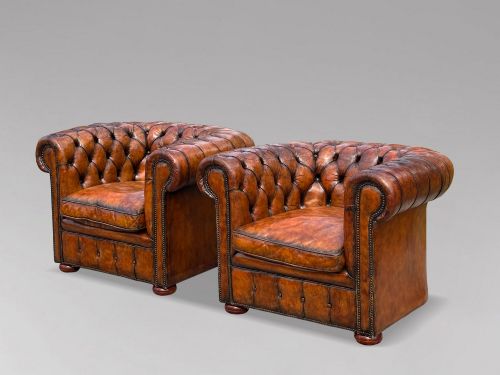
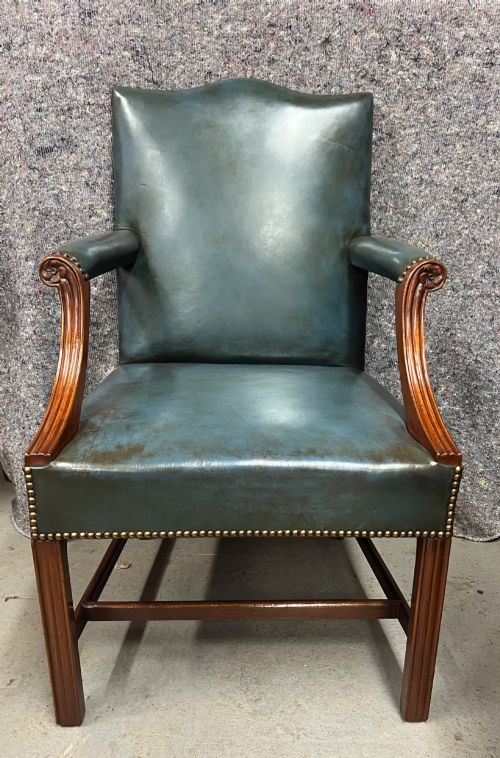
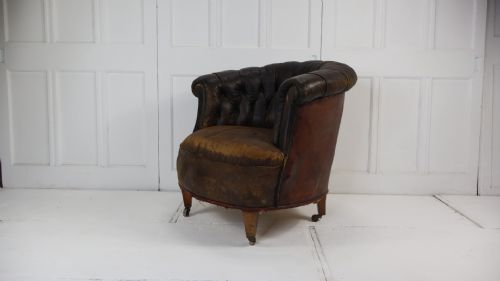
Many examples adhere to classic Georgian revival or Chesterfield club aesthetics, combining buttoned hide upholstery with sturdy timber frames. Whether opting for a revolving office model or a stationary library elbow chair, these seating options provide enduring utility alongside historical presence.
Materials and construction methods
Frames rely primarily on dense hardwoods such as oak, mahogany, walnut, and beech, chosen for their structural strength and capacity to support daily seating loads. Carpenters employed traditional joinery techniques, turning solid timber for spindle supports, legs, and revolving columns while integrating cast iron and brass for mechanical tilt and swivel components.
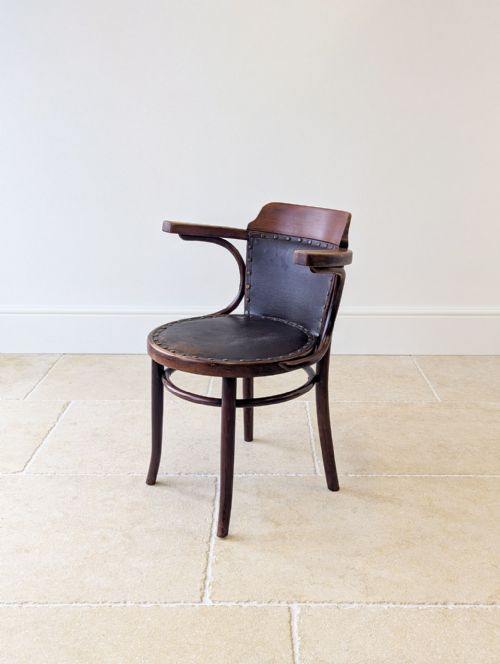
Upholstery centres on durable leather hides, secured to padded interiors using brass studs or tacks that trace the contours of the arms and backrests. Bentwood techniques also appear in select Edwardian and Victorian models, allowing for curved arm rails and flexible structural components.
Vintage Leather Captain Chair Retail Price Guide 2026
Typical asking prices for vintage leather captain chair among the pieces listed under this phrase on Sellingantiques today, from the lower quarter to the upper quarter. They describe what is for sale here now, not the wider market.
Burgermeister's chairs bring civic pomp to the study, offering a high-backed seat designed originally for municipal dignitaries.
Factors determining quality
The distinction between ordinary and superior pieces rests on the weight of the timber, the depth of the grain, and the integrity of the original mechanical swivel and tilt apparatus. Hand-carved details, substantial mahogany or quarter-sawn oak frames, and high-grade vegetable-tanned leather distinguish finer workshop production from standard utility items.
Originality of components also dictates standing, particularly where swivel mechanisms, castors, and brass hardware remain intact without modern replacement parts. The patination of the leather hide, achieved through decades of use, adds depth that distinguishes well-preserved historical seating from lesser examples.
S&H Jewell
The Vintage Leather Captain Chair Glossary
- Carver chair
- An armchair, typically designed with solid wooden armrests, intended for use at the head of a dining table or as a desk seat.
- Chesterfield
- A style of upholstered seating characterised by deep button tufting, low backs, and rolled arms upholstered in leather.
- Revolving desk chair
- An office chair mounted on a central swivel pivot, often featuring adjustable height and tilt mechanisms.
- Bentwood
- Wood that has been heated with steam and bent into curved structural forms, common in late nineteenth and early twentieth-century seating.
- Elbow chair
- An armchair featuring low arms that provide support primarily for the elbows rather than the full length of the arms.
Vintage Leather Captain Chair: Frequently Asked Questions
What defines a vintage leather captain chair?
A vintage leather captain chair is a sturdy desk or library armchair, typically featuring a swivel base or wooden frame upholstered in hide, designed for extended workspace use.
These pieces originate predominantly from the Victorian and Edwardian eras, combining traditional cabinet-making timbers like mahogany and oak with functional seating designs.
How do I care for the leather?
Maintain the leather by keeping the chair away from direct heat sources and applying specialised leather balms or conditioners periodically to prevent drying and cracking.
Regular dusting with a soft, dry cloth preserves the natural finish and helps maintain the historic patina accumulated over decades of use.
Were these chairs used only in offices?
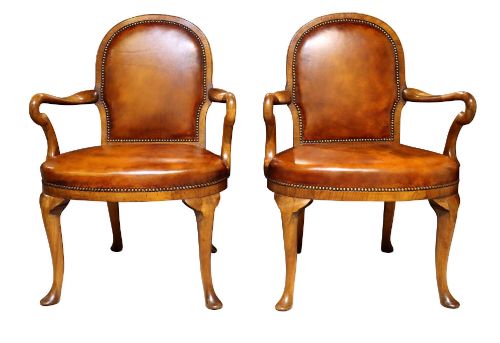
While frequently employed as office and desk chairs, these versatile armchairs also served extensively in domestic libraries, studies, and grand dining rooms as carver chairs.
Their robust construction and comfortable upholstered seats made them suitable for any room requiring a substantial, supportive seat.
How can I tell a Victorian from an Edwardian chair?
Victorian chairs often feature denser, darker timbers like golden mahogany and heavier carved detailing, reflecting the ornate preferences of the nineteenth century.
Edwardian examples tend to display lighter oak or walnut frames, sometimes incorporating bentwood elements or simpler geometric lines suited to evolving twentieth-century tastes.