

Carved Oak Arm Chair
When you handle a carved oak arm chair, you touch centuries of timber framing, panel joinery and spirited relief carving.
Carved Oak Arm Chair
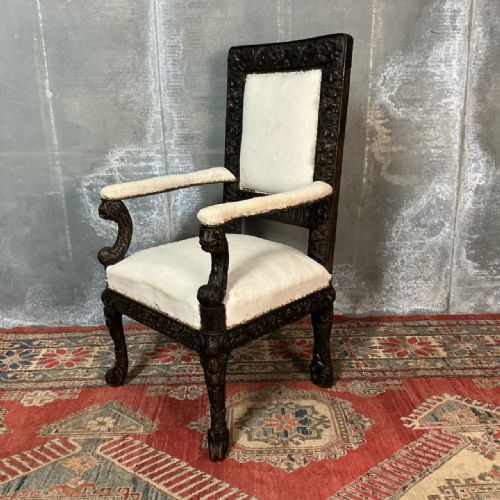
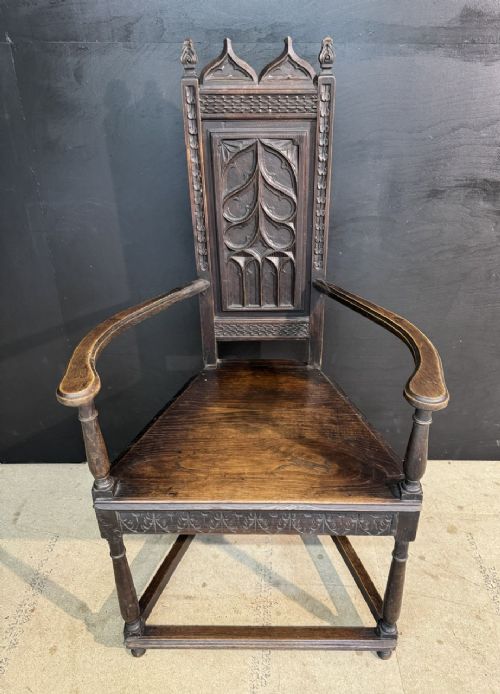
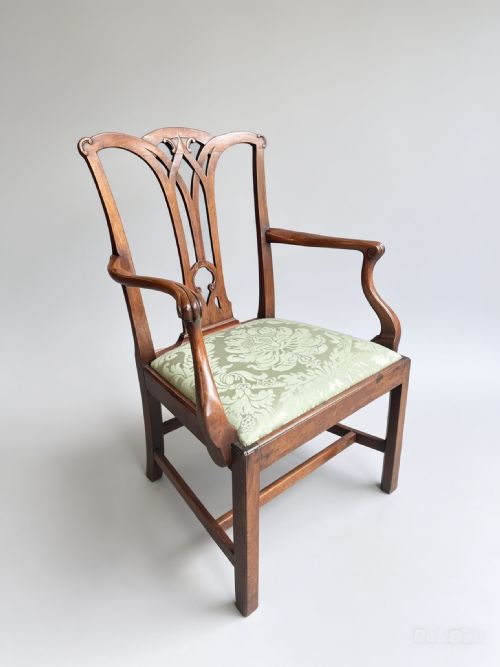
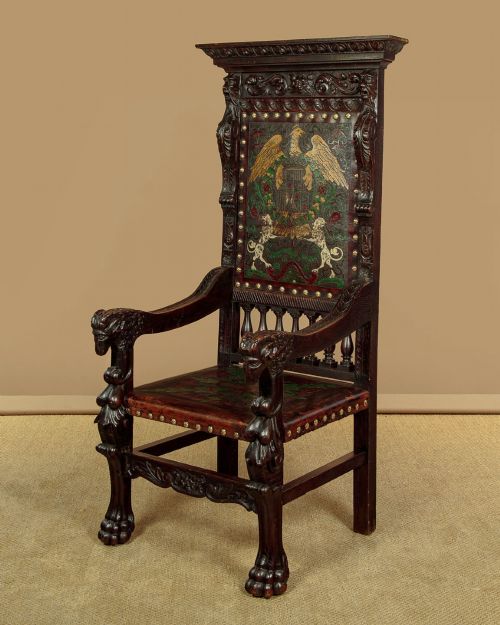
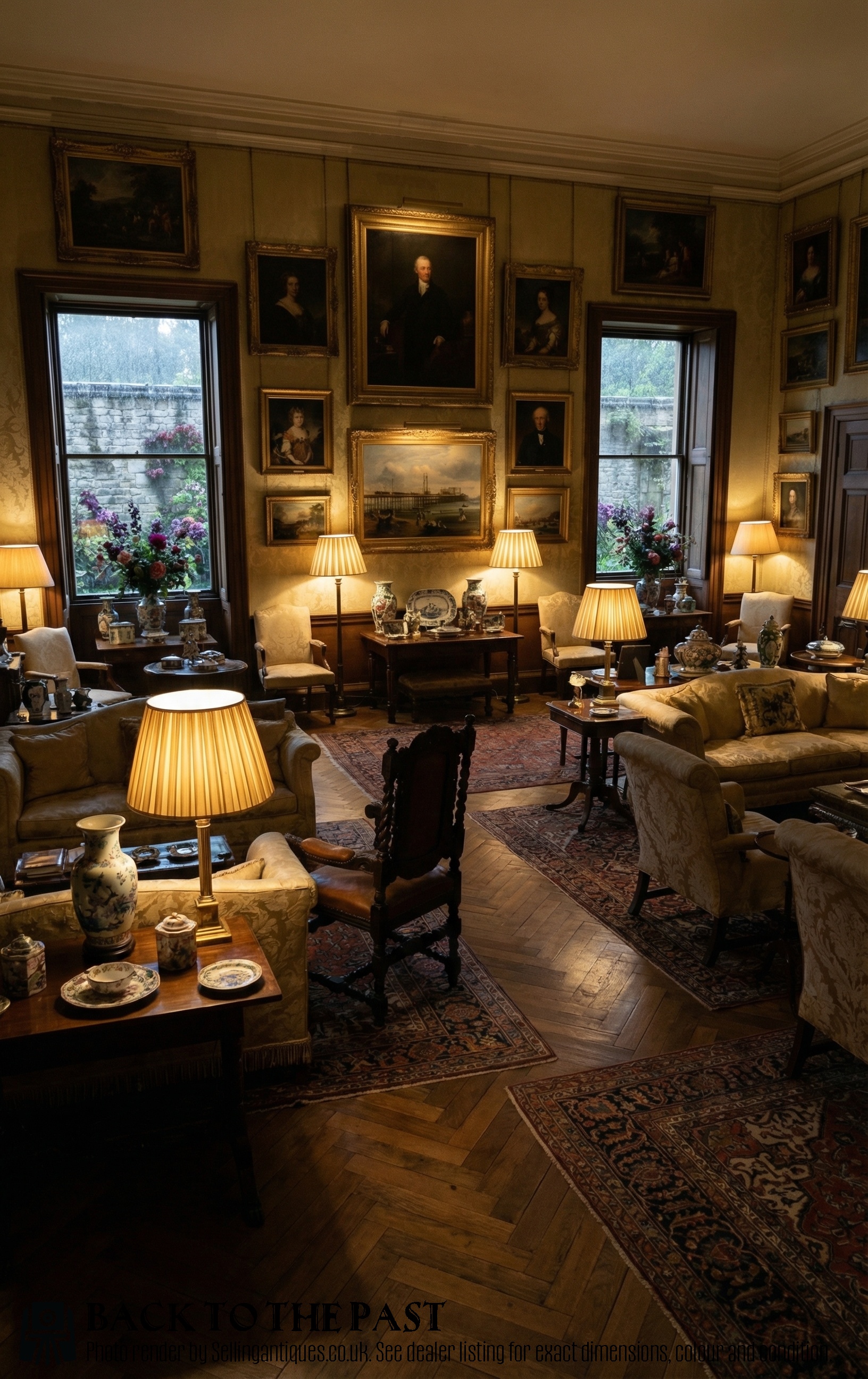
A carved oak arm chair spans centuries of seating design, appearing in forms from solid panelled wainscot types to heavily ornamented revival thrones. Buyers seek these sturdy seats for libraries, hallways and living spaces where substantial timber presence anchors the room.
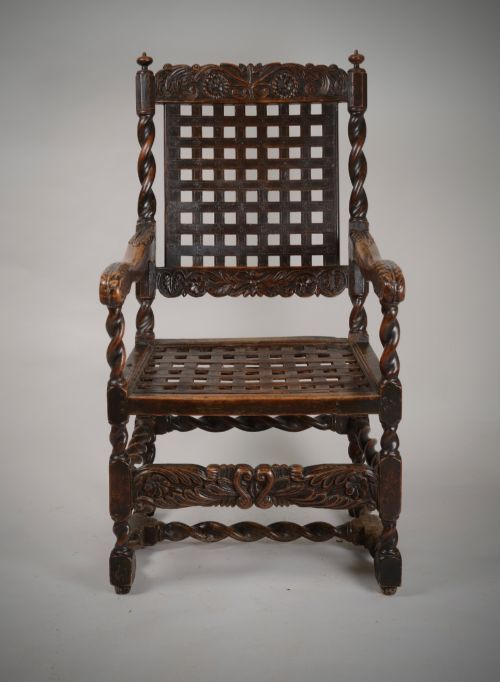
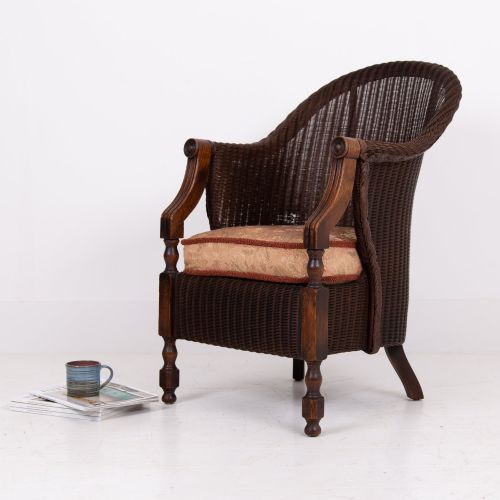
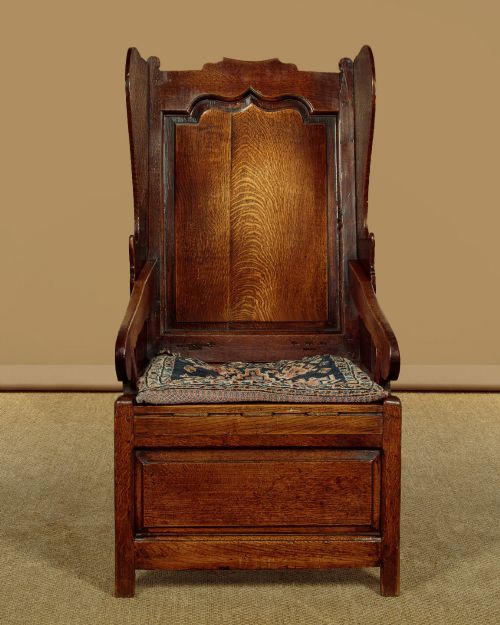
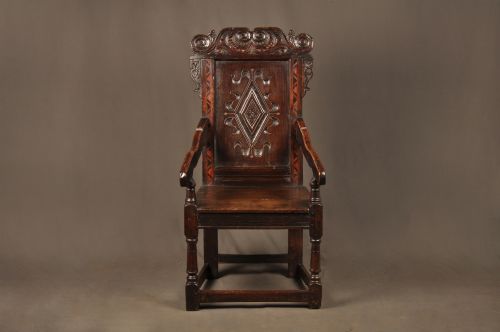
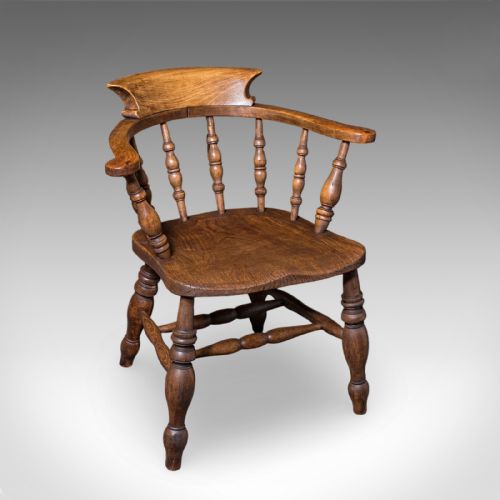
The selection ranges from seventeenth century vernacular originals to nineteenth century Jacobean and Renaissance revivals, alongside country variations like lambing chairs and smoker's bows. Wainscot armchairs with high panelled backs and substantial armrests represent the early core of this category.
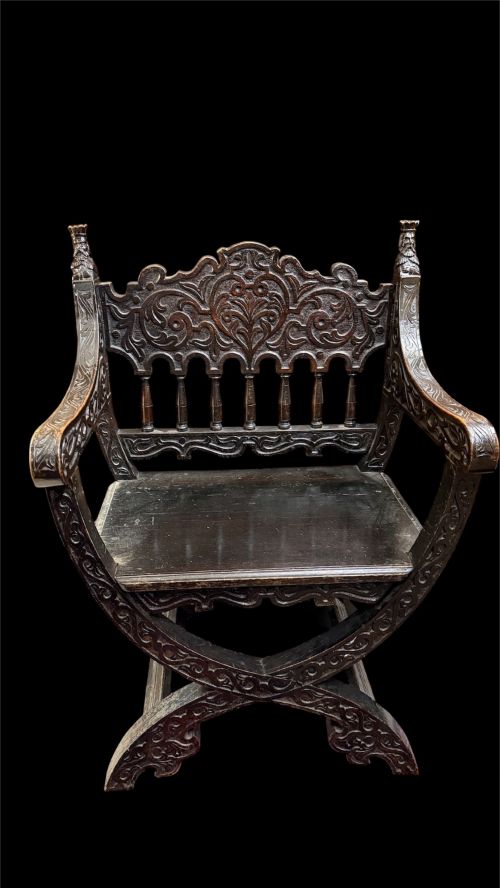
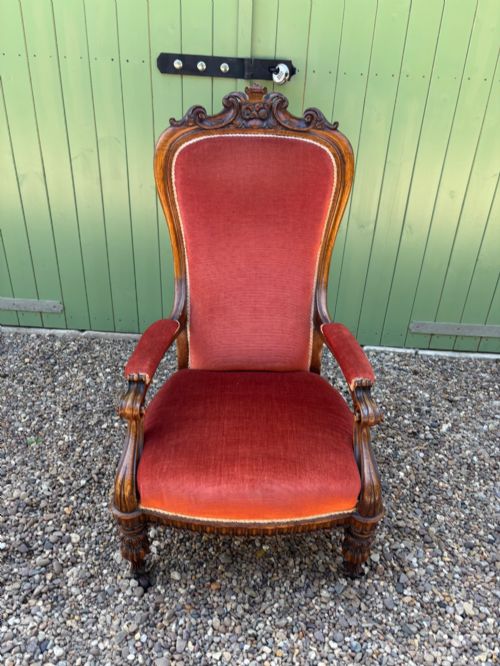
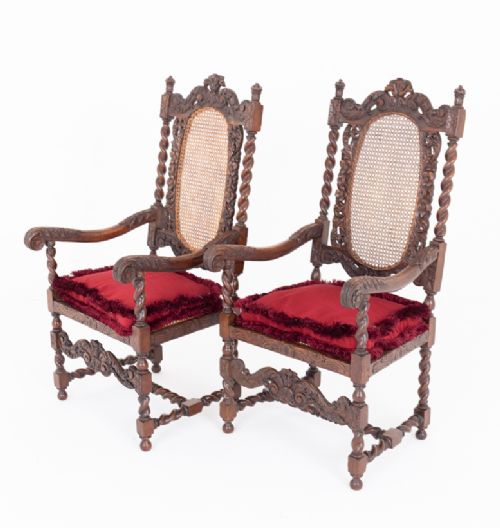
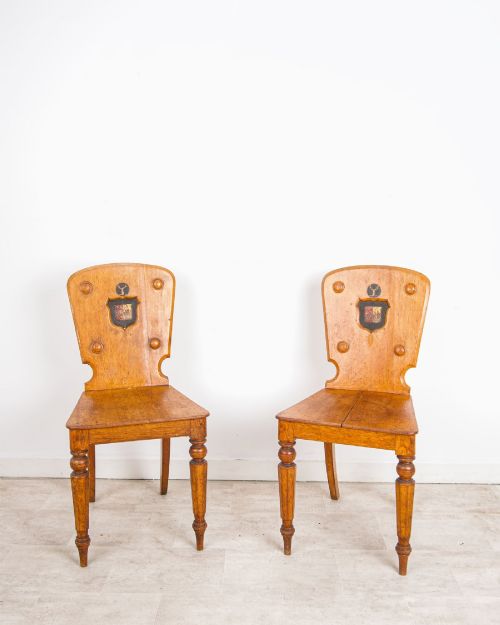
Later Victorian and Edwardian examples lean into heavy relief carving, incorporating heraldic shields, hunting dogs and barley twist supports. Whether you encounter a provincial country piece or a grand exhibition armchair, oak remains the constant medium.
How they were made
Makers built these chairs using solid native timber, primarily oak joined through traditional mortise and tenon construction secured with wooden pegs. Frame integrity relied on this dense wood, which accepted deep chisel work and hand planing without fracturing.
Upholstery and secondary materials entered the construction where comfort or function required, utilising leather, velvet, brass studs and cane inserts alongside walnut and elm elements. Panel backs frequently received geometric strapwork or figural carving executed entirely by hand.
Carved Oak Arm Chair Retail Price Guide 2026
Typical asking prices for carved oak arm chair among the pieces listed under this phrase on Sellingantiques today, from the lower quarter to the upper quarter. They describe what is for sale here now, not the wider market.
Several Victorian hunting armchairs feature deeply carved hounds keeping a permanent, silent watch over the seated reader.
What varies in quality
The distinction between ordinary and superior pieces rests on the depth and crispness of the hand carving, alongside the proportion of original timber preserved in the frame. Deeply undercut relief work and well-balanced proportions separate bespoke commissions from mass-produced revival items.
Joinery execution tells the true story of a chair's construction, showing whether the maker fitted the joints tightly or relied on modern fasteners. Original surface patination, developed through centuries of handling, also defines the upper echelon of surviving examples.
S&H Jewell
The Carved Oak Arm Chair Glossary
- Wainscot chair
- A heavy wooden armchair with a panelled back, solid wooden seat and broad arms, typical of seventeenth century domestic interiors.
- Barley twist
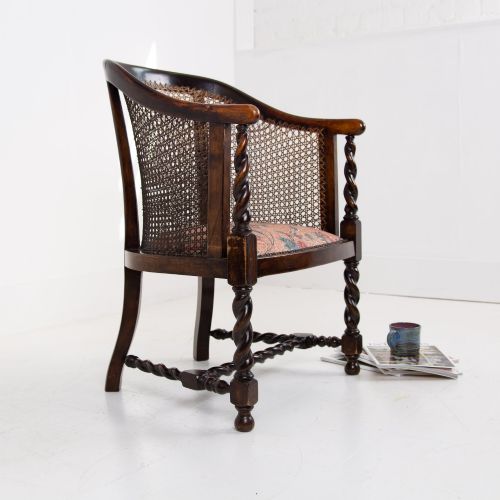
- A turned column detail resembling a twisted rope, commonly found on the legs and stretchers of revival seating.
- Burgermeister's chair
- A large, elaborately carved circular or corner armchair featuring high backs and heraldic motifs, popular during the Victorian period.
- Smoker's bow
- A low-backed Windsor style armchair with a continuous bentwood rail and turned spindles, originating in country taverns and homes.
- Fauteuil
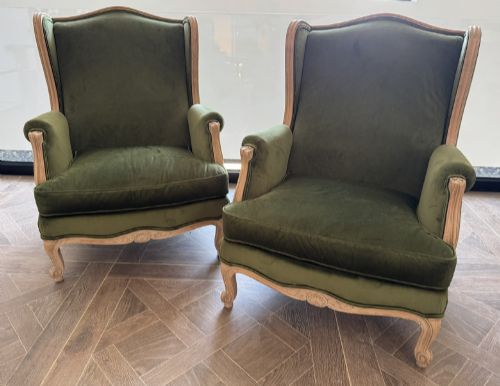
- An open-framed upholstered armchair originating in France, featuring exposed wooden arms and carved frame details.
Carved Oak Arm Chair: Frequently Asked Questions
How do I date an oak armchair?
Dating relies on examining the joinery methods, tool marks left on the timber, and the style of the carving. Seventeenth-century pieces typically feature pegged mortise and tenon joints with hand-split panels, whereas later revivals incorporate nineteenth-century machine assistance.
Secondary indicators include the wear patterns on the seat and the presence of original upholstery foundations. Comparing the decorative motifs, such as strapwork versus high-relief Victorian scrolling, helps narrow the decade of origin.
Were these chairs meant for everyday use?
Early wainscot and panelled chairs served as principal seats of authority in a household, often reserved for the head of the family. Over subsequent centuries, lighter forms like desk chairs and hall chairs integrated into daily domestic routines.
Victorian revival pieces often combined decorative exhibition status with actual utility, particularly in libraries and studies. Their solid timber construction ensures they remain robust for regular seating today.
How should I care for antique oak?
Maintaining these chairs requires keeping them away from direct heat sources and sudden humidity changes to prevent the timber from splitting. Regular dusting with a soft cloth preserves the dry-scraped finish or wax patination without building up residue.
Applying a quality beeswax periodically nourishes the grain and enhances the natural colour of the wood. Avoid modern silicon-based polishes, which can degrade the historic surface sheen over time.