


Dark Oak Captains Chair
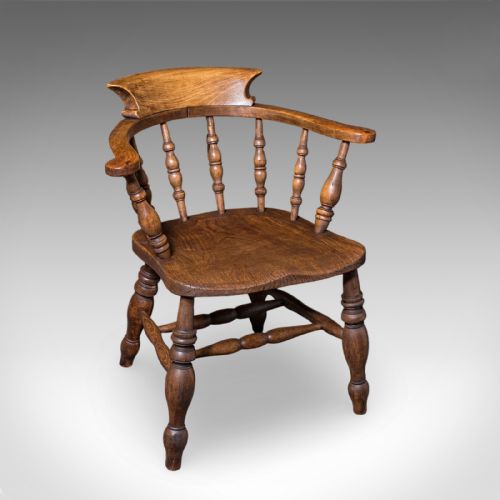
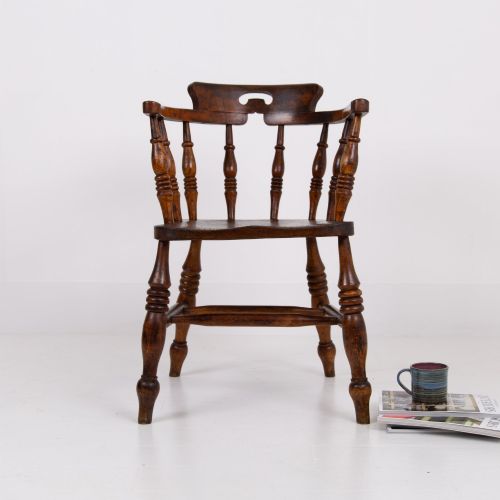
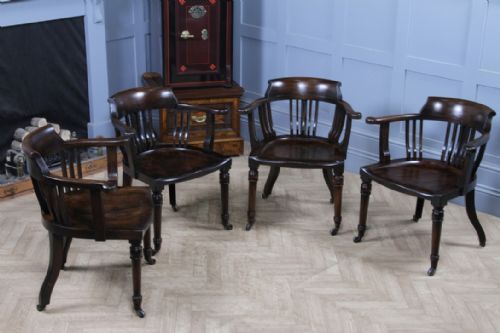
A dark oak captains chair provides a sturdy, practical seat for a study or desk, bringing traditional timber character to a working space.
Dark Oak Captains Chair
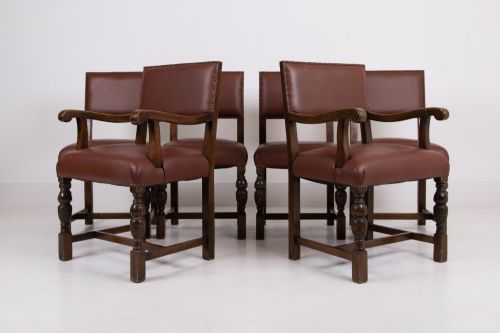
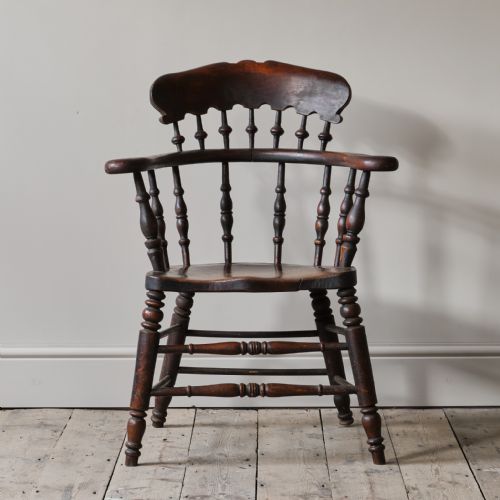
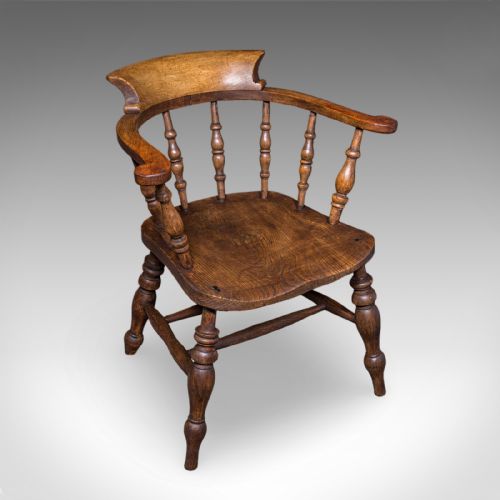
When you search for a dark oak captains chair, you encounter a variety of robust seating forms designed for desks, libraries, and studies during the nineteenth and early twentieth centuries. The selection includes heavy swivel desk chairs, smoker's bows, and low-backed elbow chairs dating from the Victorian and Edwardian periods.
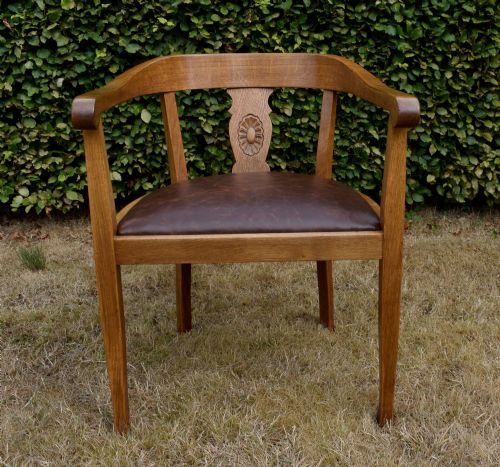
The version you are most likely to meet on this page is an Edwardian or late Victorian oak desk chair, often featuring a rounded hoop back and a solid timber seat. These pieces frequently incorporate turning or simple carving, reflecting the vernacular styles of English country houses and offices.
How they were made
Makers constructed these chairs primarily using solid oak, frequently paired with secondary timbers such as elm, beech, or ash for structural components and spindles. Seats were commonly shaped from solid planks or upholstered in leather, while swivel mechanisms relied on cast iron and brass adjustments.
Joinery methods combined traditional mortise and tenon joints with steam bending for the curved backrests and arm supports. Surfaces were finished with polish or wax, developing a dark patina over decades of use.
Dark Oak Captains Chair Retail Price Guide 2026
Typical asking prices for dark oak captains chair among the pieces listed under this phrase on Sellingantiques today, from the lower quarter to the upper quarter. They describe what is for sale here now, not the wider market.
Some nineteenth-century examples feature fully rotating mechanisms designed for restless scholars who needed to pivot between multiple desks.
What varies in quality
The standard of timber selection and depth of carving distinguish finer examples from standard utility seating. Pieces constructed with substantial, well-figured oak and robust turning display greater durability and visual weight.
Mechanical complexity also separates simpler armchairs from advanced desk seating. Fully rotating swivel mechanisms with adjustable height screws and original brass or iron hardware represent more sophisticated manufacturing.
S&H Jewell
The Dark Oak Captains Chair Glossary
- Smoker's bow
- A low-backed Windsor-style armchair with a continuous arched back rail and turned spindles, commonly found in nineteenth-century smoking rooms and offices.
- Carver armchair
- A traditional term for an armchair, often produced as part of a larger set of dining chairs to sit at the head of the table.
- Bergere
- A type of upholstered armchair featuring exposed wooden framing and woven cane panels on the back or sides.
- Cockfighting chair
- A low, compact chair originally designed with a padded rest on the upper back for straddling, though later adapted as a novelty desk seat.
Dark Oak Captains Chair: Frequently Asked Questions
How do I date a captains chair?
Dating relies on examining construction methods, turning styles, and hardware details. Victorian and Edwardian examples often feature machine-sawn components and cast iron swivel mechanisms.
Earlier nineteenth-century versions show hand-cut joinery and simpler wooden spindles. Comparing the timber grain and patination helps confirm the period of manufacture.
Were these chairs used at desks?
Many examples served as desk chairs in studies, libraries, and offices. The low back and rounded arms allowed the occupant to sit comfortably while writing or reading.
Swivel and adjustable height variants were specifically engineered for office use, offering mobility and ergonomic support.
How should I care for dark oak furniture?
Maintain the timber by applying a quality beeswax periodically to nourish the wood and preserve the dark finish. Avoid placing the chair near direct heat sources or strong sunlight to prevent timber shrinkage.
Dust regularly with a soft, dry cloth to protect the surface patination.