
Edwardian Captains Armchair
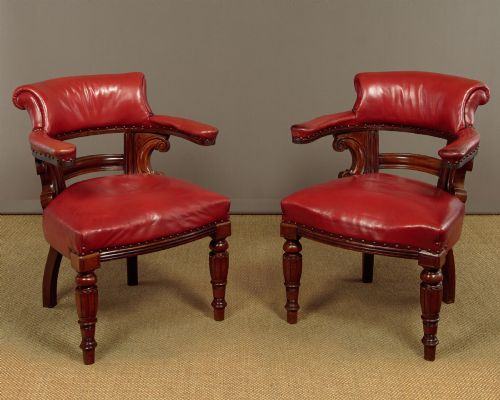
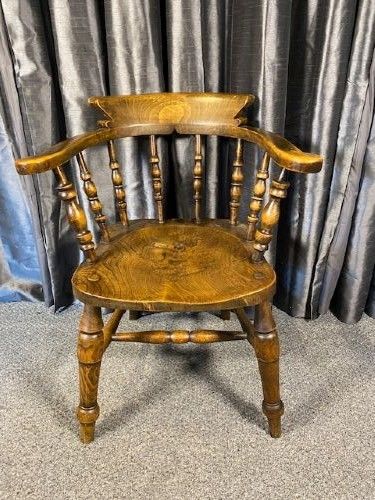
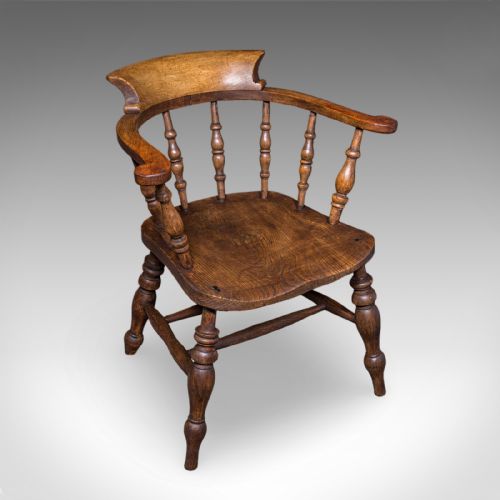
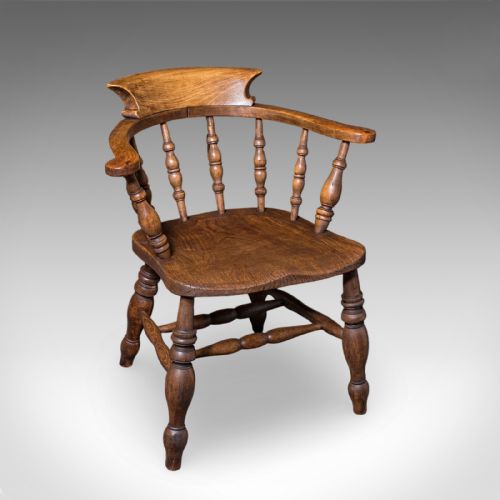
An edwardian captains armchair brings sturdy timber and supportive curves to a desk, offering practical comfort for daily work.
Edwardian Captains Armchair
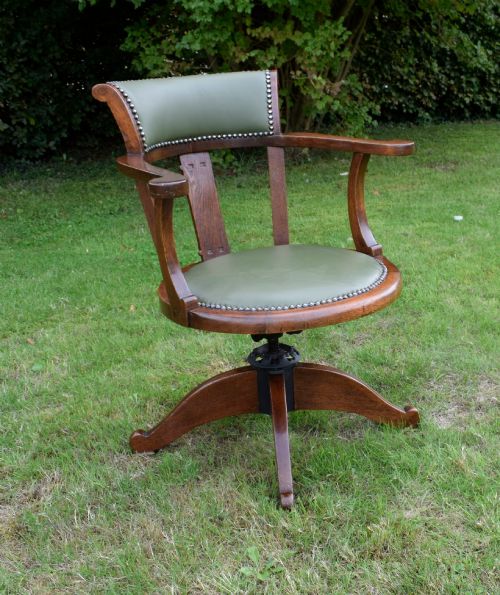
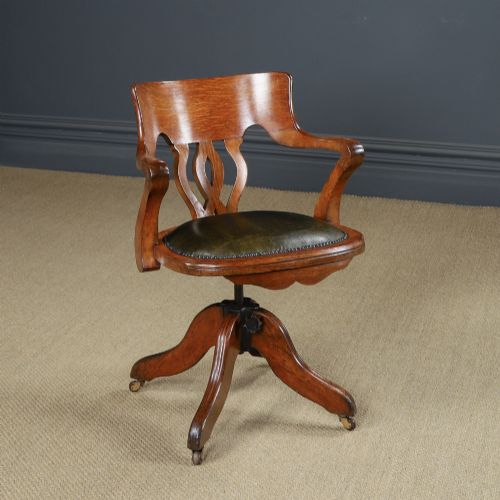
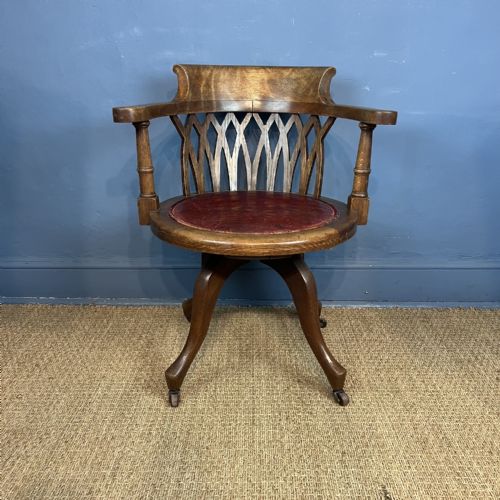
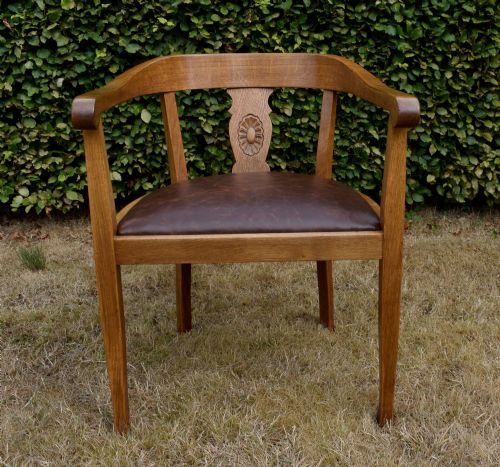
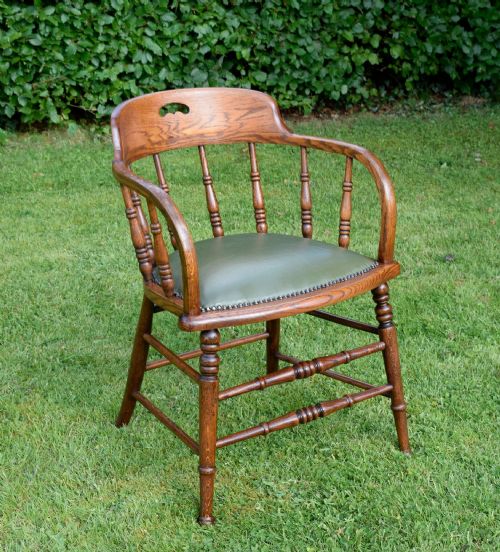
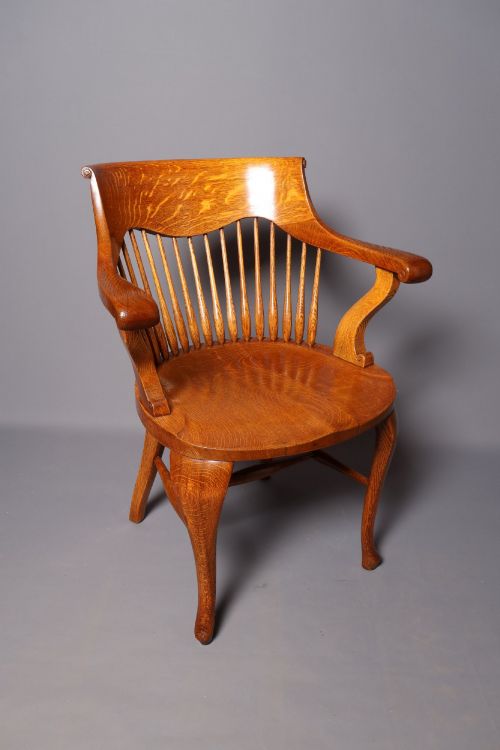
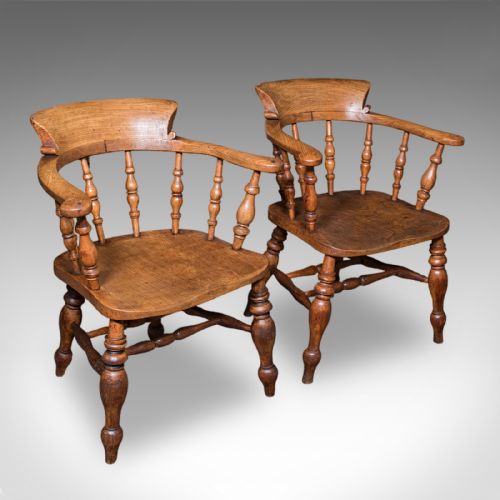
When searching for an edwardian captains armchair, buyers encounter sturdy seating designed for offices, libraries, and studies during the early twentieth century. These pieces combine the low, rounded back of traditional smoker's bow chairs with the functional swivel or desk-bound frames popular in professional settings.
While the search points firmly to the Edwardian period, listings often include related Victorian designs, late nineteenth-century walnut pieces, and early twentieth-century oak office furniture. The most common varieties feature revolving mechanisms, wooden spindles, and upholstered leather pads suited for prolonged sitting.
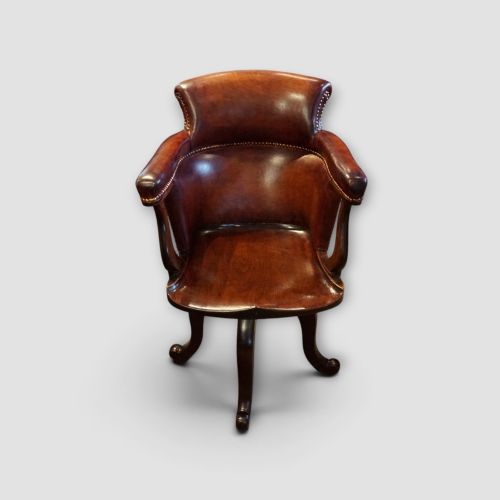
Makers and manufacturers adapted these chairs for various working environments, from simple country house elbow seats to heavy swivelling models intended for ships and administrative desks. Their enduring appeal lies in the combination of robust joinery and compact proportions.
Materials and construction methods
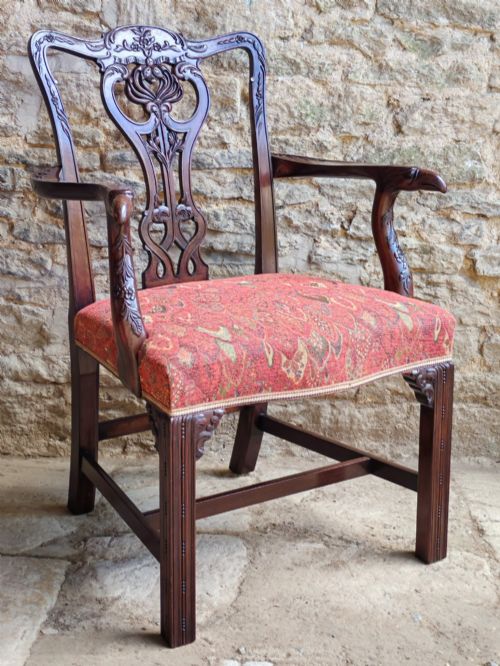
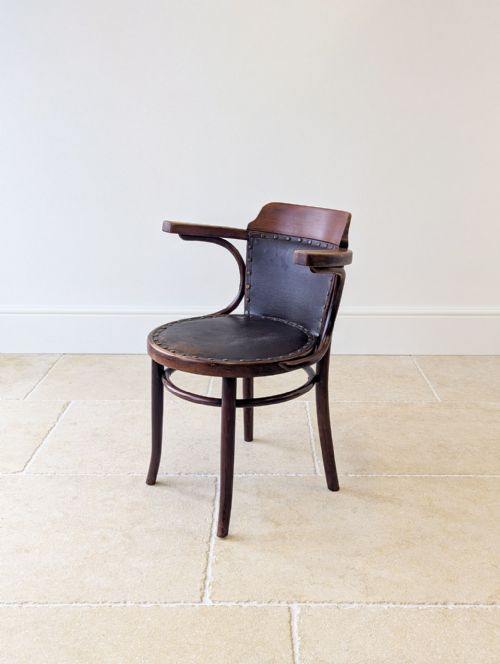
Cabinet makers utilised dense hardwoods such as oak, mahogany, walnut, and beech to build frames capable of withstanding constant movement and weight. Steam-bent timber formed the characteristic continuous curved armrests and back rails found on smoker's bow variants.
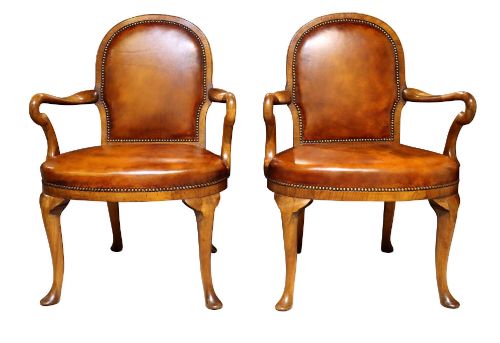
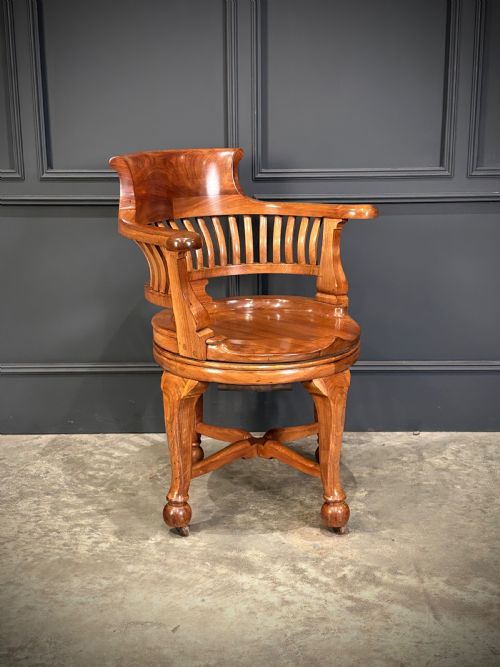
Upholstered versions relied on supple leather, hide, and velvet inserts secured with brass tacks over supportive padding. Iron and brass mechanisms enabled the swivel and tilt functions on revolving desk chairs.
Edwardian Captains Armchair Retail Price Guide 2026
Typical asking prices for edwardian captains armchair among the pieces listed under this phrase on Sellingantiques today, from the lower quarter to the upper quarter. They describe what is for sale here now, not the wider market.
Listings feature oak, mahogany, walnut, beech, ash, and alder, paired with leather, velvet, brass, and iron.
Judging quality and craftsmanship
The integrity of the revolving mechanism and the tightness of the spindle joints determine the structural success of a revolving desk chair. Heavy iron swivel bases integrated smoothly into timber frames separate superior office seating from simpler domestic elbow seats.
Timber selection and grain continuity across the curved back rail reveal the attention paid by the original maker. Well-preserved leather hides with natural patination hold greater appeal than modern replacement upholstery.
Howard and Sons·P and O
The Edwardian Captains Armchair Glossary
- Smoker's Bow
- A sturdy wooden armchair with a low, continuous rail forming the back and arms, closely related to the traditional captain's chair. These seats feature turned spindles and solid saddle-shaped wooden seats.
- Carver
- An armchair designed in the same style as a set of dining chairs, usually intended for the head of the table or for use at a desk. The term often overlaps with office elbow seats from the Victorian and Edwardian periods.
- Bergere
- A type of upholstered armchair featuring rattan or wicker cane work set into the wooden frame. Examples appearing in swivel formats combine traditional weaving with functional office hardware.
- Revolving Mechanism
- The iron or brass pivot and spindle assembly concealed beneath the seat that allows the chair to turn full circle. Tilt adjustments frequently accompany these turning systems on early twentieth-century desk chairs.
Edwardian Captains Armchair: Frequently Asked Questions
What is an edwardian captains armchair?
An edwardian captains armchair is a sturdy wooden seat featuring a curved back rail and low arms, often adapted for office work with a swivel base or leather desk pad.
These chairs bridge the gap between domestic country house seating and professional library furniture, offering comfortable proportions for daily use.
How do I spot a swivel desk chair?
Look beneath the wooden seat for iron or brass columns, four-legged spider bases, and mechanical springs that allow the chair to rotate and tilt.
Many Edwardian and late Victorian examples concealed these mechanisms to maintain a traditional aesthetic while providing modern mobility.
Are these chairs comfortable for working?
Yes, their rounded wooden backs and supportive armrests were specifically designed for long hours spent writing at a desk or ledger.
Many versions include upholstered leather pads or curved comb backs that distribute weight evenly across the frame.
How do I tell Edwardian from Victorian models?
Edwardian versions tend to display lighter mahogany, oak, or beech timbers with refined turning, whereas Victorian examples often feature heavier oak frames and darker finishes.
Stylistic crossovers are common, as cabinet makers continued producing traditional smoker's bow forms across the turn of the century.