
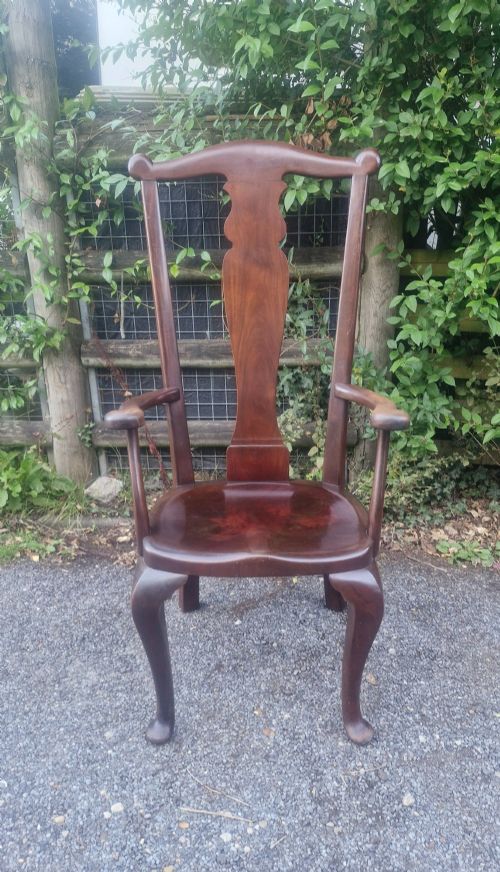
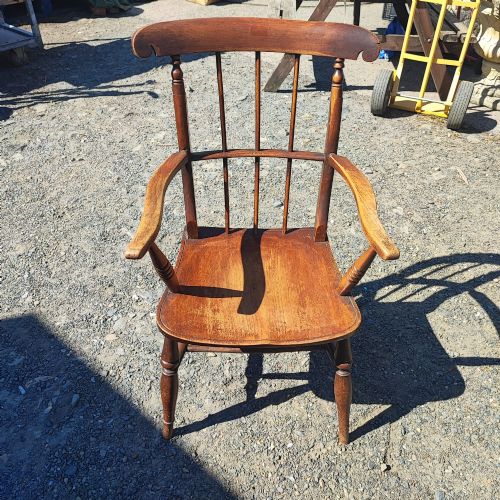
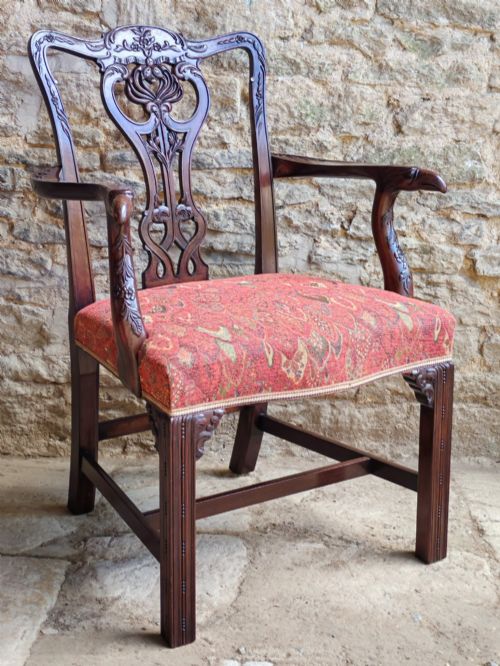

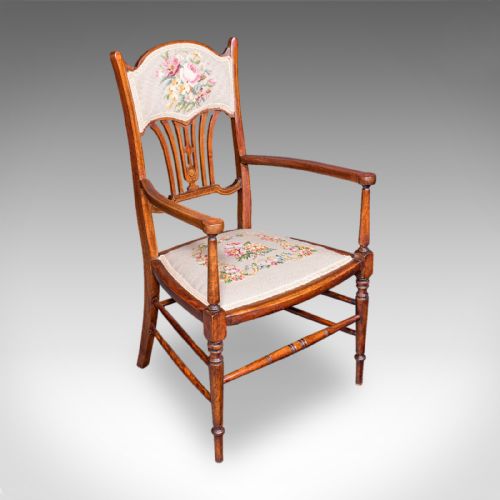
Vintage Wooden Arm Chair
A vintage wooden arm chair brings honest craft and daily comfort into a room through solid timber and time-tested joinery.
Vintage Wooden Arm Chair
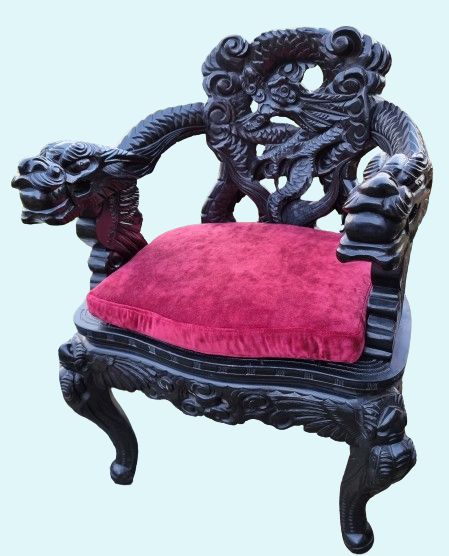
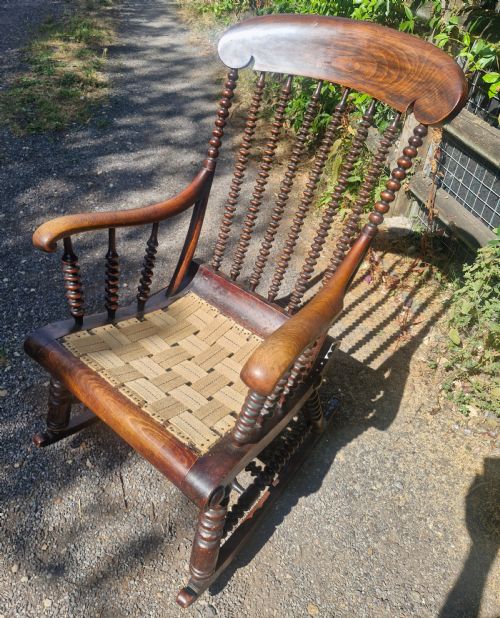
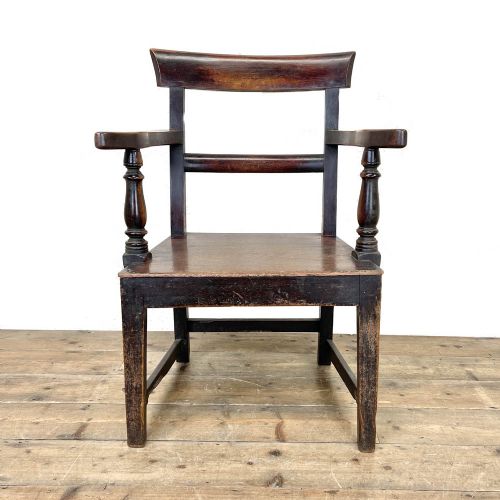
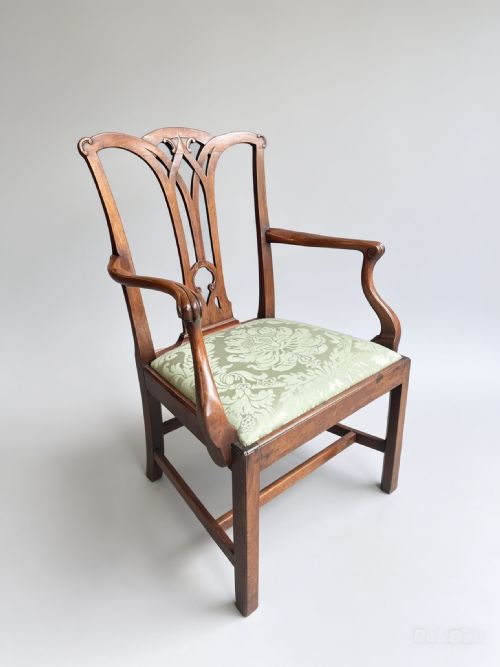
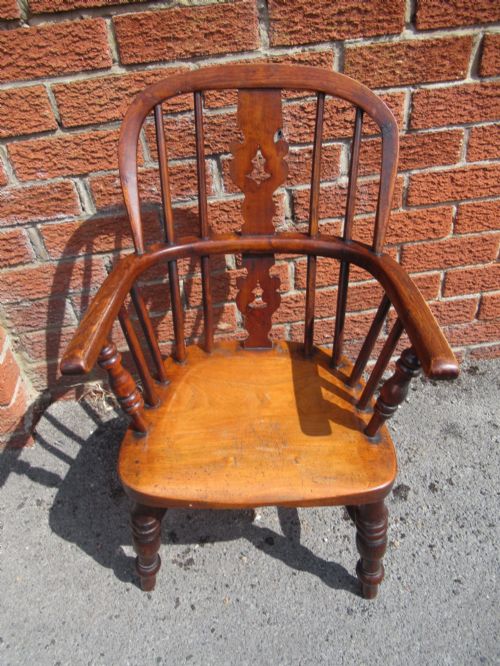
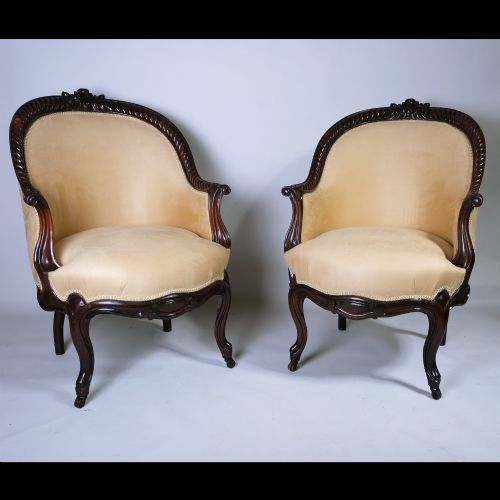
A vintage wooden arm chair encompasses everything from sturdy English country windsor seating and oak captains chairs to polished mahogany desk seats and upholstered Victorian library pieces. Buyers searching this phrase encounter a rich mix of regional forms designed for specific rooms, including low salon seats, rocking chairs, and high back carvers.
The selections span distinct periods, drawing heavily on nineteenth century Victorian examples alongside eighteenth century designs and early twentieth century art nouveau or art deco iterations. Most pieces met on this page belong to the wider nineteenth and early twentieth centuries, fashioned from native and exotic timbers by regional makers and larger workshops alike.
How they were made
Construction relies heavily on durable hardwoods such as mahogany, oak, walnut, elm, beech, and ash, often selected for their grain and structural strength. Timbers are shaped using traditional methods like steam bending for bentwood components, turning for spindles, and precise mortise and tenon joinery.
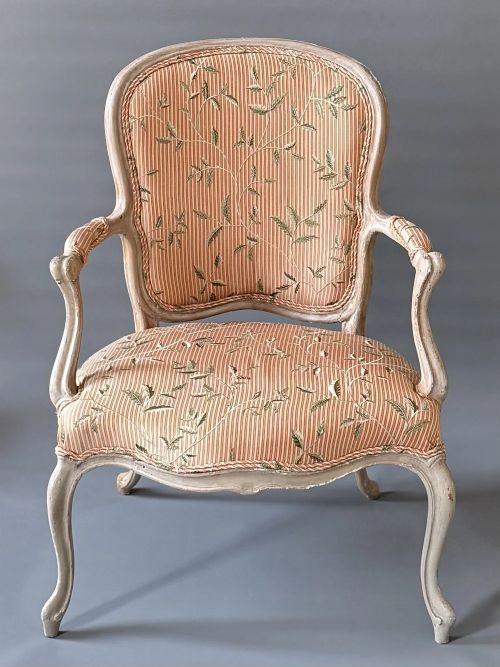
Surface finishes range from polished mahogany and golden walnut to painted French frames and natural waxed elm. Where upholstery is present, materials like leather, fabric, brass details, and needlepoint panels complete the construction.
Listings feature oak, mahogany, elm, walnut, beech, and ash across Victorian, Georgian, Edwardian, and Art Deco periods.
What varies in quality
The standard of a vintage wooden arm chair rests upon the selection of timber and the integrity of its construction. Superior examples display thoughtful carving, robust frame geometry, and timber that has aged gracefully without losing structural rigidity.
Artisanal execution dictates the distinction between everyday utility items and finer parlour pieces. The harmony of proportions, the seamless integration of turned or carved elements, and the retention of original finish determine where a piece sits within its period.
Howard and Sons·Jacob and Josef Kohn
The Vintage Wooden Arm Chair Glossary
- Carver chair
- A dining chair fitted with arms, typically placed at the head of a table or utilised as a desk seat. These pieces match the height of standard dining chairs while offering greater upper body support.
- Windsor
- A traditional chair construction method where legs and back spindles are fit directly into a solid sculpted wooden seat. English country versions often utilise elm seats with ash or beech spindles.
- Bentwood
- Timber shaped by exposure to steam and pressure into curved structural components. This technique defines lightweight bistro seating and rocking chairs from the late nineteenth and early twentieth centuries.
- Fauteuil
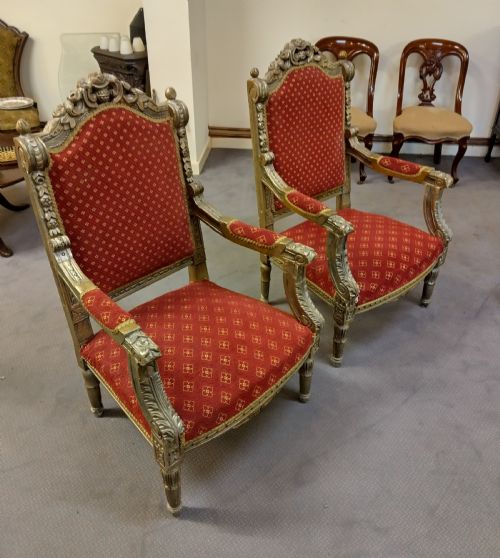
- An open framed wooden armchair originating in France, characterised by upholstered armrests and exposed carved woodwork. These seats generally date from the eighteenth and nineteenth centuries.
Vintage Wooden Arm Chair: Frequently Asked Questions
How do I identify a Windsor chair?
A Windsor chair is characterised by individual spindles fitted directly into a thick, solid wooden seat rather than a traditional framed back. They often feature distinct bow or comb shapes.
Country versions frequently combine elm seats with ash or beech legs and spindles, offering robust construction designed for everyday use.
Are desk chairs adjustable?
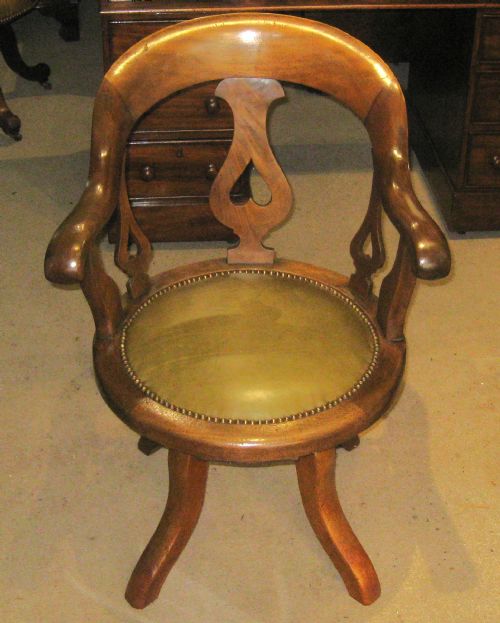
Certain nineteenth and early twentieth century desk chairs incorporate swivel mechanisms or height adjustments suited for office work. These typically combine solid mahogany, oak, or bentwood with leather seats.
Library and captain seats from the period prioritise stable frames and supportive armrests over mechanical movement, though revolving formats do appear.
Where should I place a salon chair?
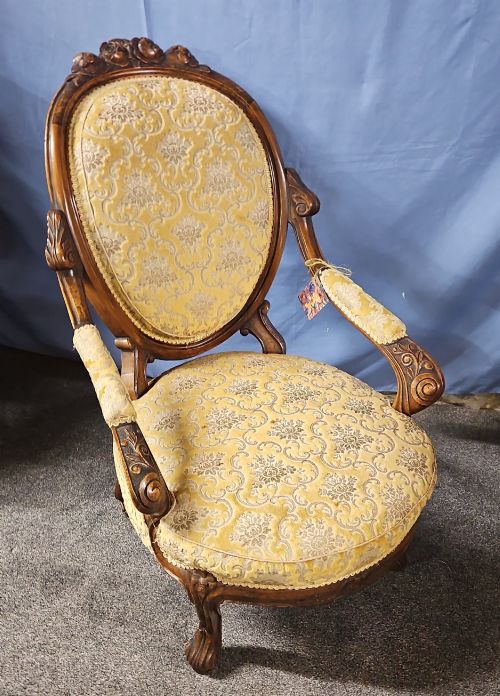
Salon and parlour chairs suit drawing rooms, bedrooms, or reading corners where space permits lighter decorative seating. Their lower profiles and open frames make them visually distinct from heavy dining furniture.
Victorian walnut or French painted models work well as accent pieces alongside larger sofas and bookcases.
How do I care for antique timber?
Maintain wooden frames by keeping them away from direct heat sources and sudden humidity changes to prevent timber splitting. Regular dusting with a soft cloth preserves the polish.
Applying occasional wax feeds the wood and protects the original finish without building up heavy chemical residue.