


English Country Desk Chair
An English country desk chair is a robust vernacular seating piece designed for workspace and home, prized for solid timber construction and ergonomic comfort.
English Country Desk Chair
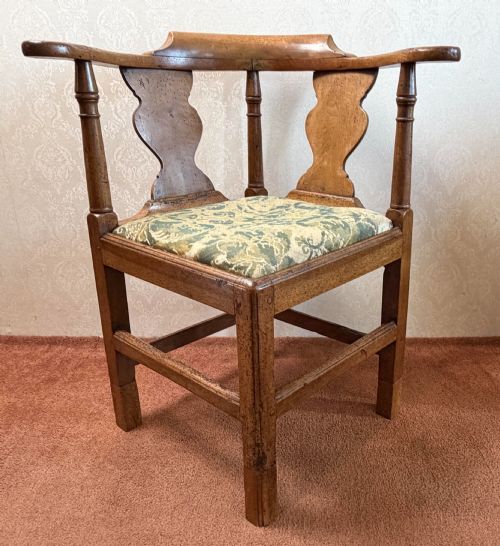
An English country desk chair encompasses traditional seating forms primarily found in domestic workspaces and country houses during past centuries. Buyers look for enduring functional design rooted in regional craftsmanship and sturdy local timber.
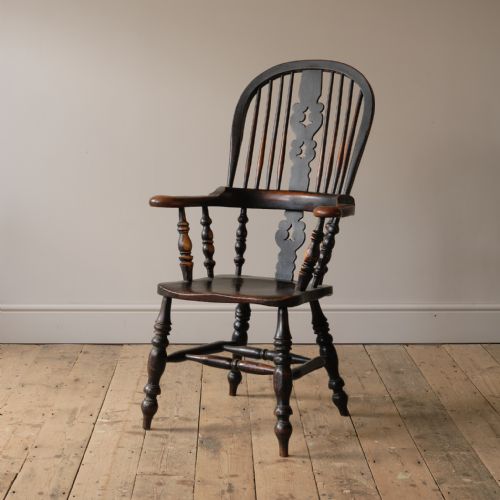
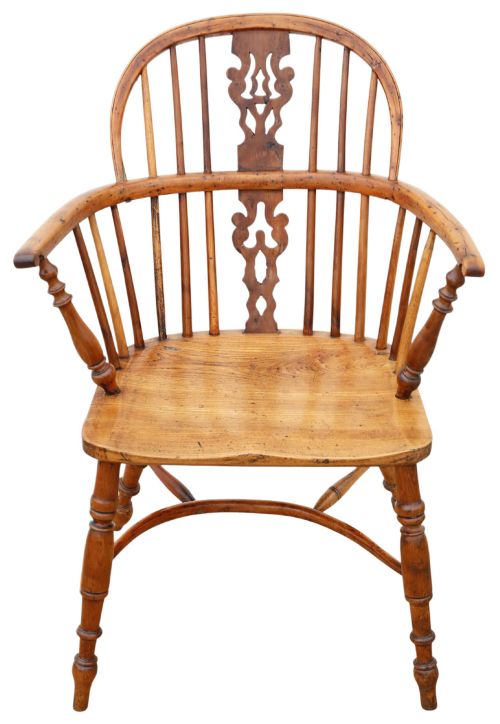
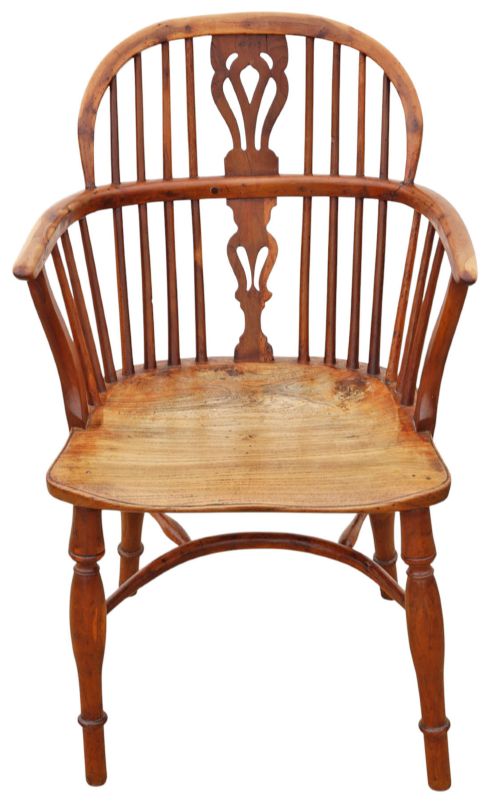
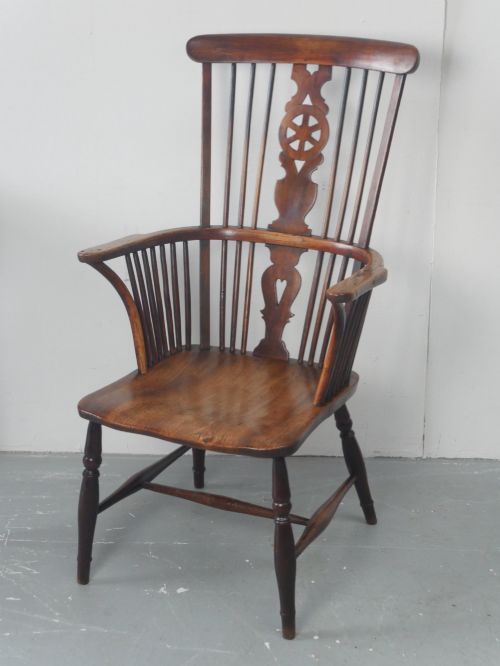
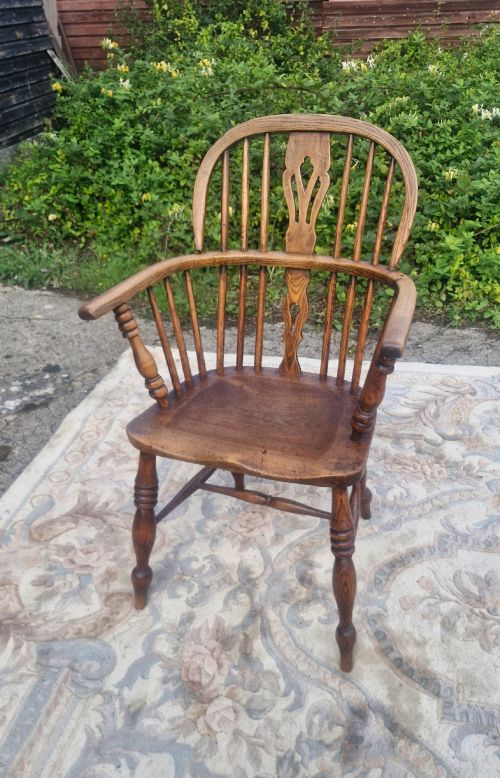
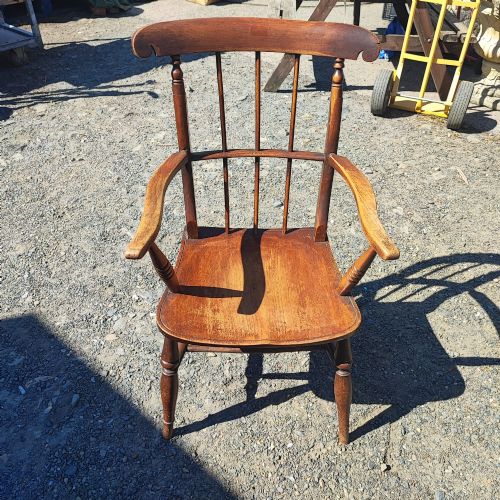
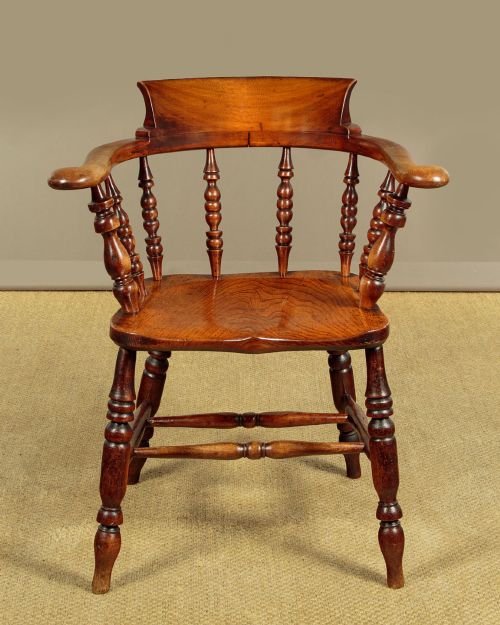
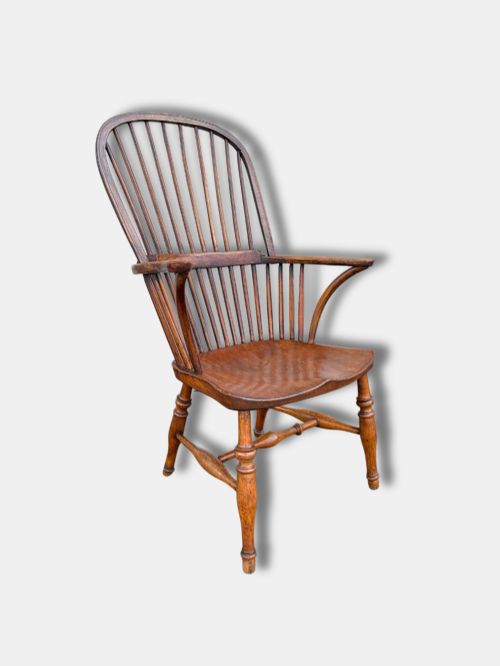
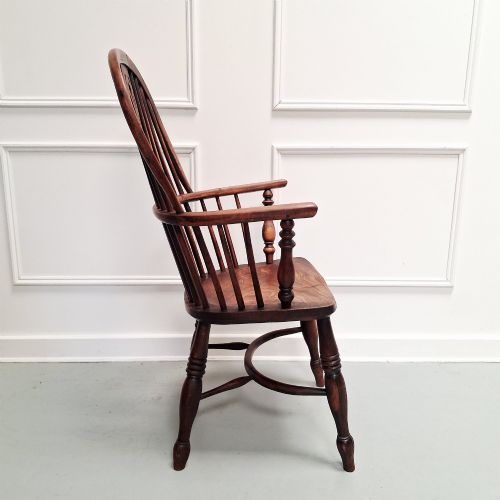
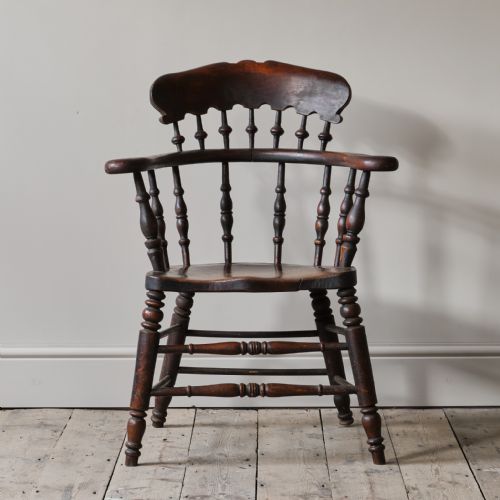
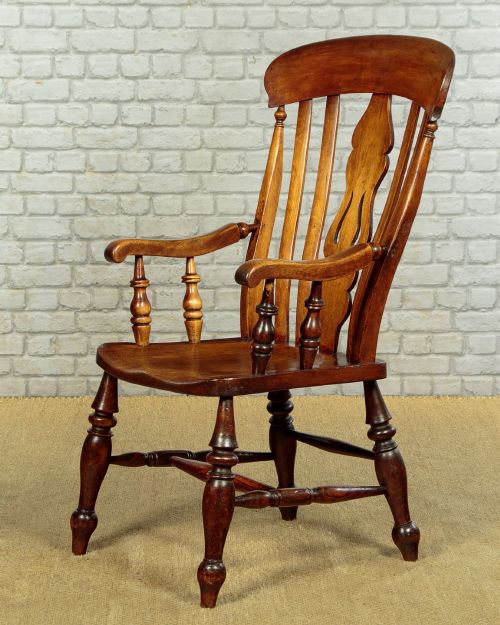
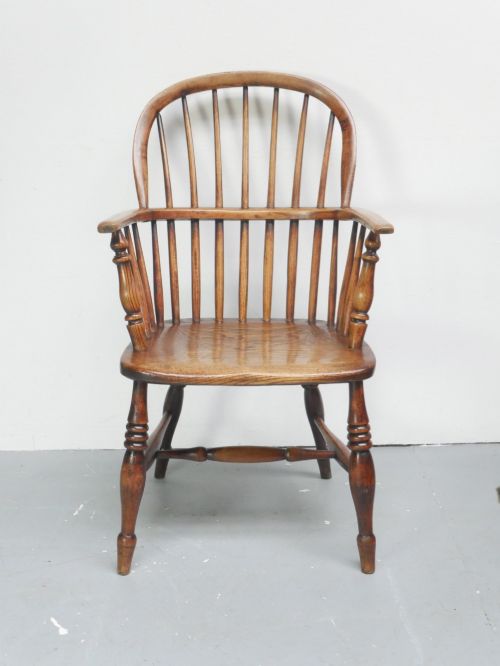
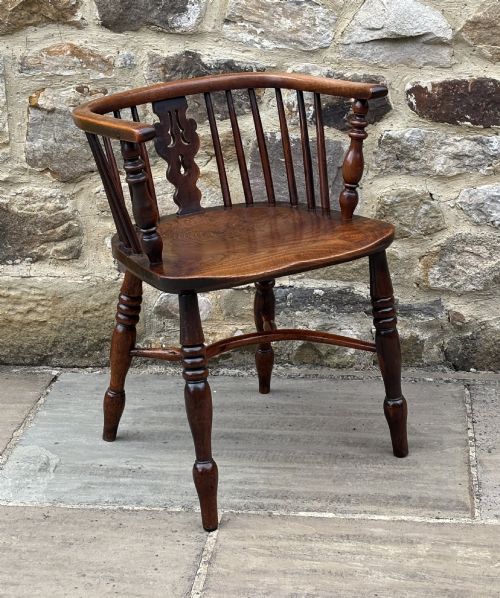
The version most commonly encountered on this page is the Windsor chair, ranging from low-back smokers bows to high-back spindle variants. These pieces combine generous armrests and saddle-shaped seats tailored for prolonged desk use.
Origins stretch across multiple periods, including the eighteenth, nineteenth, and early twentieth centuries, spanning Georgian, Victorian, and Edwardian eras. Pieces often arrive as single armchairs or matched pairs originating from regional vernacular traditions.
How They Were Made
Maker construction relies on mixing native hardwoods within a single frame to utilise different timber properties. Typically, seats are carved from solid elm, while spindles, legs, and bows use flexible ash, beech, or yew.
Joinery employs traditional bodger techniques where turned components fit tightly into bored holes within the solid wood seat. This stick-back or hoop-back assembly method provides inherent structural resilience without excessive hardware.
Several chairs preserve deep saddle scoops worn smooth by generations of writers leaning into their daily correspondence.
What Varies in Quality
Quality rests heavily on the selection and figuring of the timber, particularly the grain depth in yew wood and elm seats. Superior examples display carefully matched woods and harmonious proportions rather than purely utilitarian assembly.
Structural integrity and the retention of original turned stretchers, such as crinoline stretchers, distinguish finer survivals. Master turners added subtle refinement to spindle profiles and arm sweeps that elevate standard workshop output.
J Spencer·Gabbitass Worksop·John Brand of Sleaford
The English Country Desk Chair Glossary
- Windsor chair
- A wooden chair built with a solid saddle-shaped seat into which the back and legs are separately dowelled. This design distributes weight efficiently and became the cornerstone of vernacular English seating.
- Smoker's bow
- A low-back wooden armchair featuring a continuous curved arm rail supported by turned spindles. It served as a comfortable smoking or reading seat in studies and parlours.
- Crinoline stretcher
- An arched under-stretcher connecting the legs of a Windsor chair in a hoop shape. It adds lateral stability to the frame and often indicates a higher quality of nineteenth-century production.
- Vernacular
- Objects designed and built by regional craftsmen following local traditions rather than strict academic architectural styles. These pieces prioritise functional utility and available local materials.
English Country Desk Chair: Frequently Asked Questions
How do I date an antique Windsor chair?
Dating relies on observing construction methods, timber choice, and stylistic turning details across the arms, legs, and back spindles. Earlier eighteenth-century examples often feature comb backs, while nineteenth-century pieces commonly show wheel backs or crinoline stretchers.
Maker stamps and regional variations also provide clues, though many country pieces remain anonymous products of local bodgers and rural workshops.
Are these chairs comfortable for daily desk use?
Yes, their historical purpose as writing and office chairs stems from supportive high or low bows and deeply dished wooden seats. The ergonomic shaping accommodates hours of sitting without modern padding.
Pairing one with a standard desk introduces both reliable lumbar support and distinct historical character to a modern workspace.
What woods were used to build them?
Craftsmen selected native British hardwoods based on the specific structural demands of each chair component. Elm provided a tough, non-splitting surface for solid seats.
Flexible timbers like ash, beech, and yew were chosen for steam-bent bows and slender turned spindles, creating a resilient composite frame.