

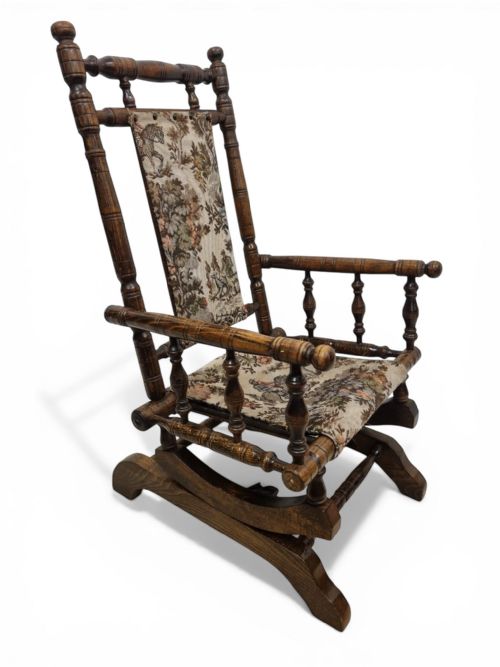


Dark Wood Rocker
A dark wood rocker brings tactile warmth and rhythmic motion to a room, offering robust country seating built to last.
What these dark wood rockers are
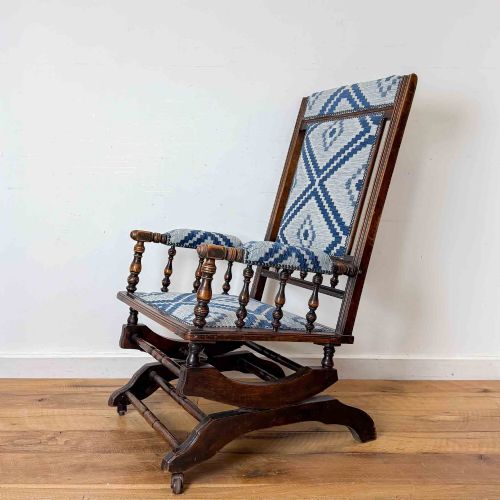
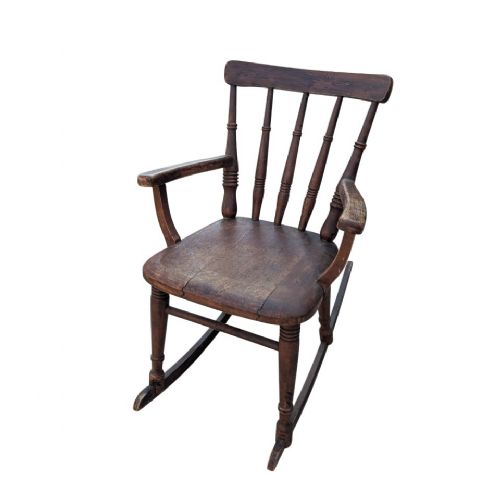
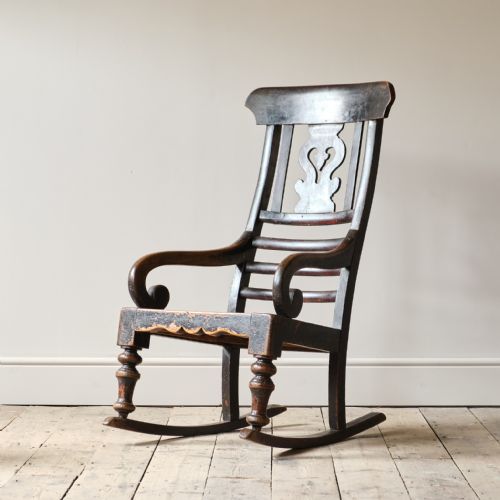
When you search for a dark wood rocker, you encounter sturdy timber seating designed for gentle movement across various traditional and vernacular styles. These pieces span centuries of rural and domestic craftsmanship, from Lancashire and Cheshire country chairs to Vienna Secession designs.
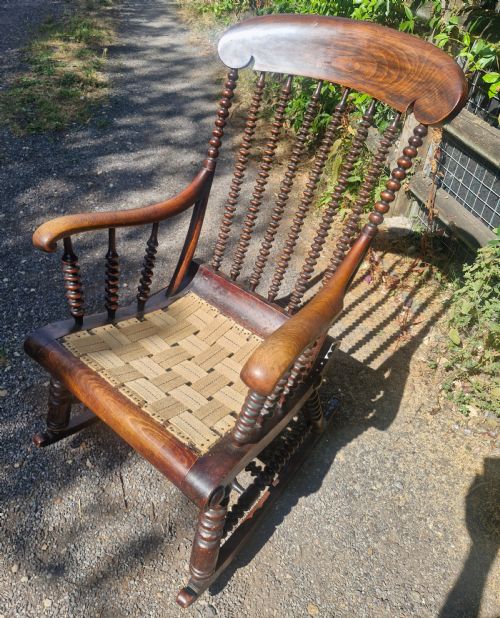
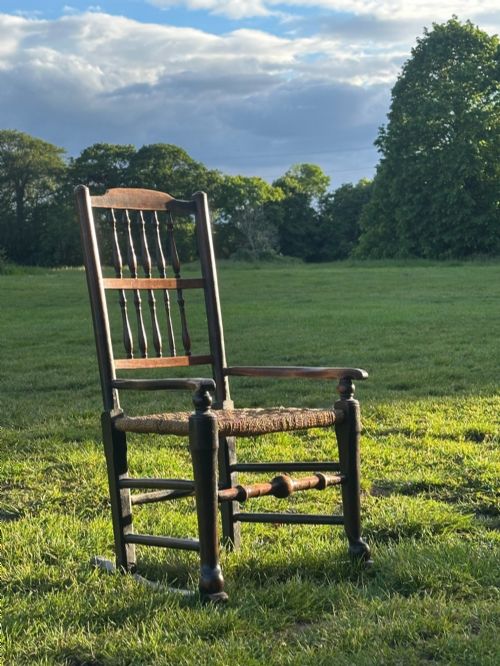
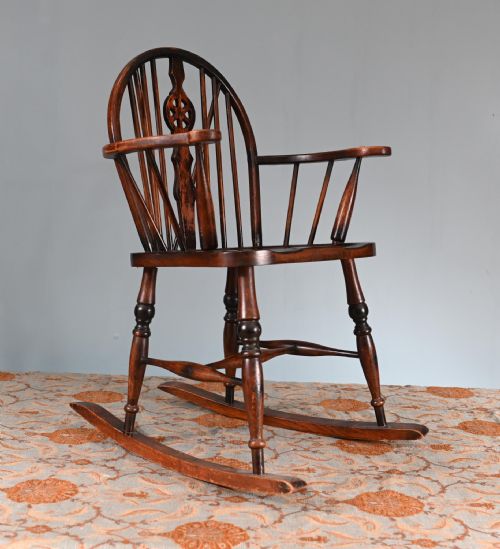
The versions you are most likely to meet on this page include Victorian Windsor armchairs and elm or ash country models. Makers utilised native timbers like beech, elm, and ash to shape comfortable, everyday furniture.
How they were made
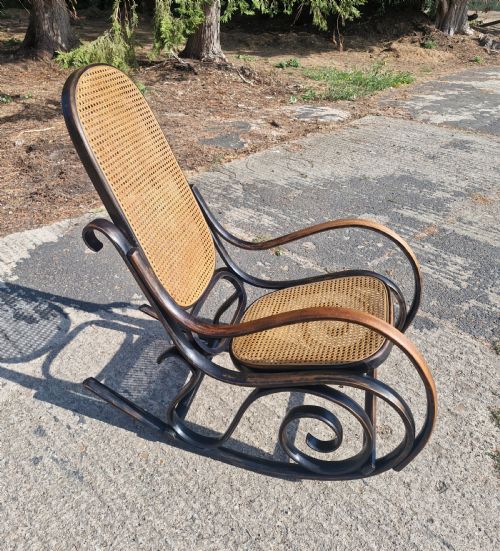
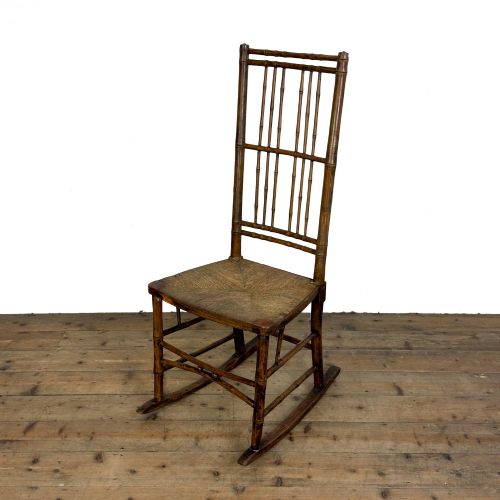
Craftsmen built these rocking chairs using solid native timbers including beech, elm, ash, birch, and mahogany. Construction often involved steam-bending techniques for elements like bentwood frames, alongside traditional joinery for spindle backs and turned legs.
Surfaces frequently feature carved details, wood inlay, or rush seating. Plywood and bentwood appear in later Austrian pieces, while earlier provincial chairs rely on turned spindles and solid plank seats.
Retail Price Guide 2026
Typical UK retail prices for dark wood rocker, calculated from the Sellingantiques database of over a million retail prices indexed since 2003. This retail price guide relies exclusively on Sellingantiques data; no external sources or auction records are used, so the figures do not describe the wider market.
Some chairs lean forward slightly when empty, waiting patiently for a lap to fill them.
What varies in quality
Quality rests in the integrity of the timber selection and the precision of the construction. Chairs built from dense, well-figured elm or ash with tight joints stand apart from simpler utility pieces.
Refinement of detail defines the upper tier, such as balanced proportions in George III vernacular chairs or clean lines in Vienna Secession bentwood. The harmony of the rocker runners with the upper frame dictates both comfort and visual balance.
Jacob and Josef Kohn
The Dark Wood Rocker Glossary
- Windsor
- A chair built with a solid wooden seat into which the back and legs are dowelled directly. This form provides robust structural support and appeared frequently in regional British workshops.
- Bentwood
- Wood softened by steam and bent into curved structural forms. This technique created the light, resilient frames seen in Austrian secessionist seating.
- Spindle back
- A chair back constructed from vertical turned wooden rods. These provide lightweight yet sturdy support for the sitter.
- Rush
- Dried marsh grass twisted into cords and woven to form traditional chair seats. It offers a resilient and pliable surface.
- Inlay
- Contrasting pieces of wood fitted into the surface of a larger wooden object to form decorative patterns. This technique highlights the skill of the cabinetmaker.
Frequently Asked Questions
What is a dark wood rocker?
A dark wood rocker is a timber armchair fitted with curved runners instead of standard legs, allowing the seat to move back and forth. These chairs range from simple provincial elm models to sophisticated bentwood designs.
They appear across multiple eras, including the eighteenth and nineteenth centuries, reflecting diverse regional woodworking traditions.
Where were these rocking chairs made?
These rocking chairs originated in various regions, including English country workshops in Lancashire and Cheshire, as well as European centres like Vienna. Regional vernacular traditions dictated the local choice of timbers.
Maker attributions sometimes point to specific continental factories or British provincial makers.
How should I care for a wooden rocker?
Maintain a wooden rocker by placing it away from direct heat sources and dramatic humidity fluctuations. This prevents the timber from drying out or splitting.
Apply suitable beeswax periodically to nourish the surface finish and preserve the grain of the wood.