
Fainting Couch
A fainting couch is a nineteenth-century daybed designed for reclining in comfort, offering elegance and a distinct historical presence in a room.
What a fainting couch is
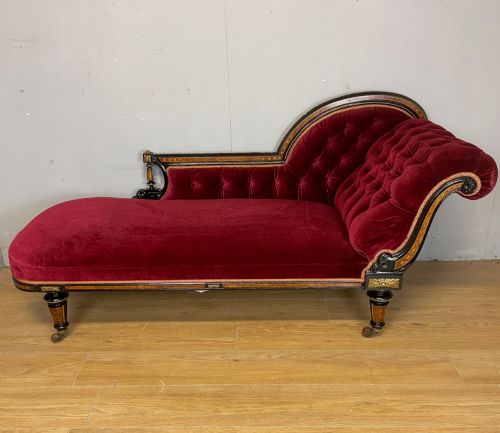
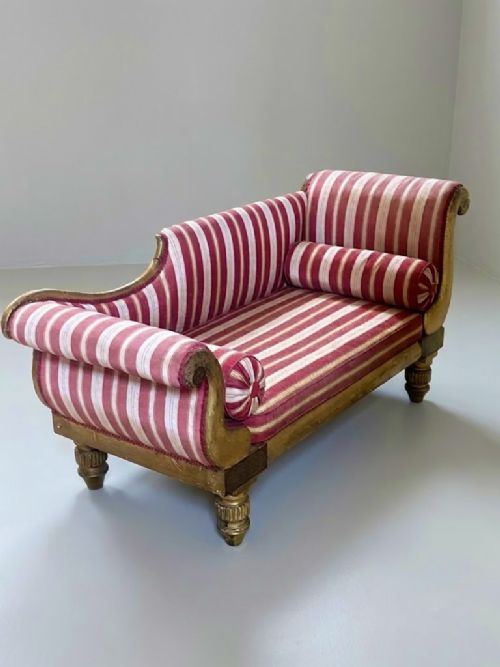
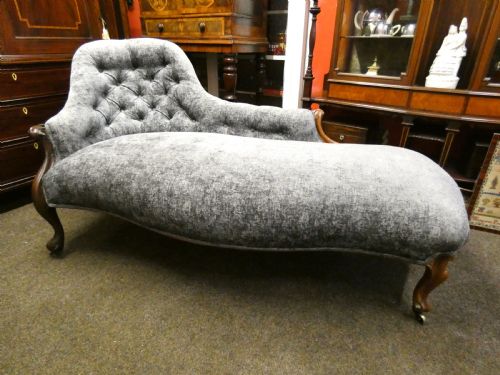
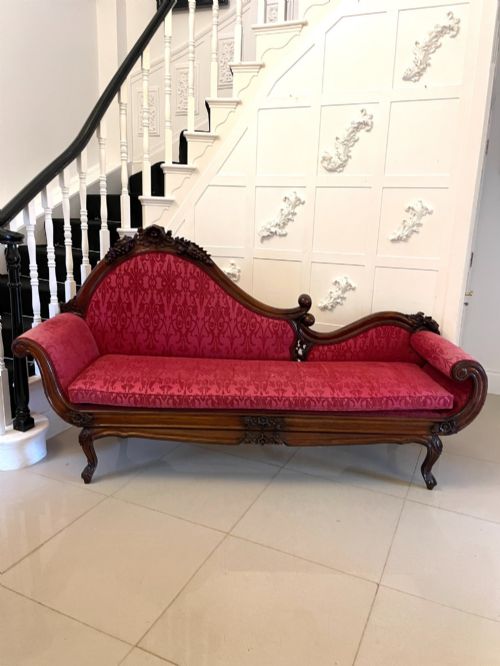
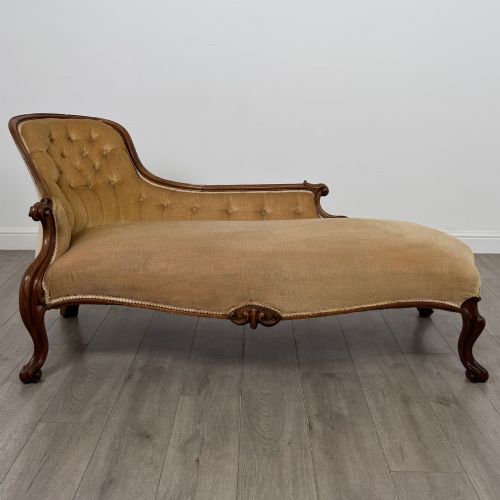
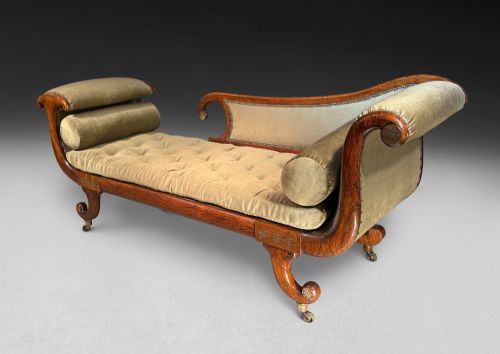
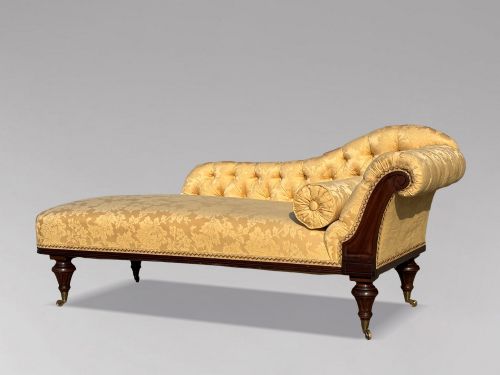
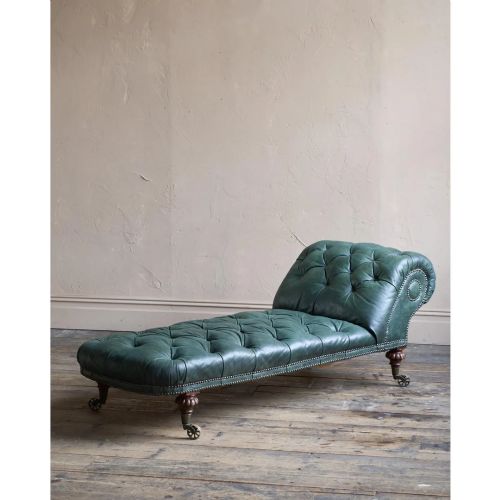
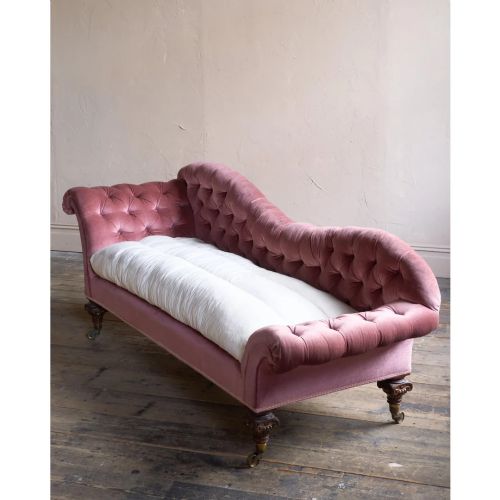
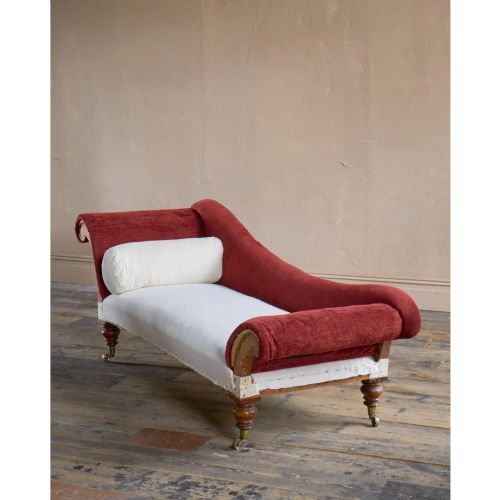
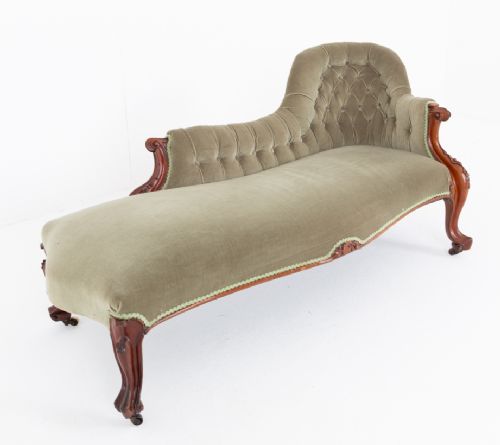
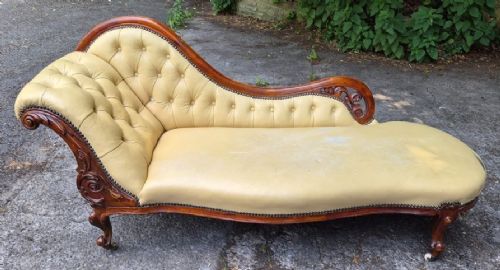
A fainting couch takes the form of a nineteenth-century daybed or chaise longue designed for reclining. These pieces serve as practical seating with an elevated end for resting the head.
The versions met on this page belong entirely to the nineteenth century, including the Victorian and Grand Regency styles. They appear as chaise longues and daybeds rather than standard sofas.
Makers such as Howard and Sons and Miles and Edwards produced notable examples of this form. The category is represented by pieces that combine traditional nineteenth-century upholstery frames with hardwood structures.
How they were made
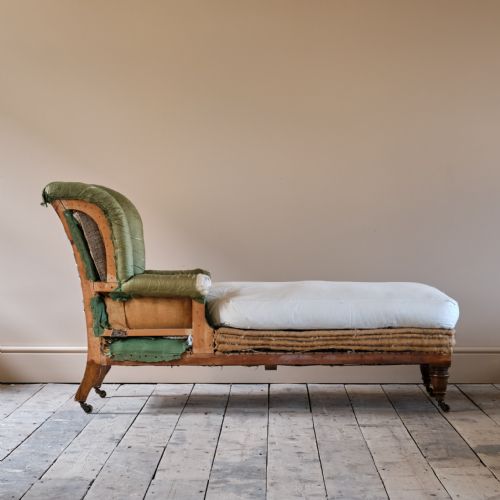
Construction relies on solid timber frameworks utilising hardwood and mahogany. These foundational structures support the extended seating and raised headrests characteristic of the form.
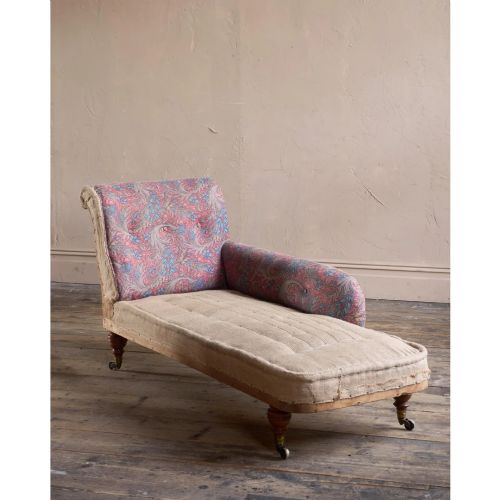
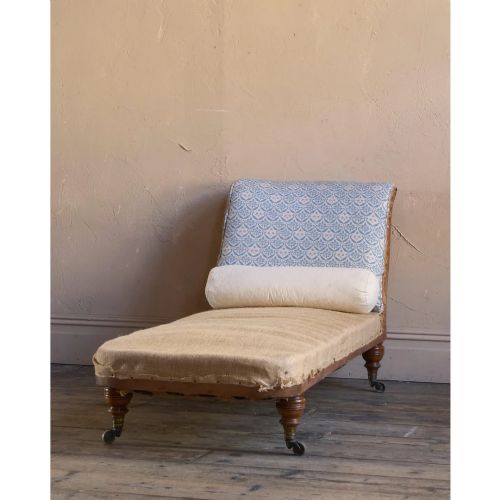
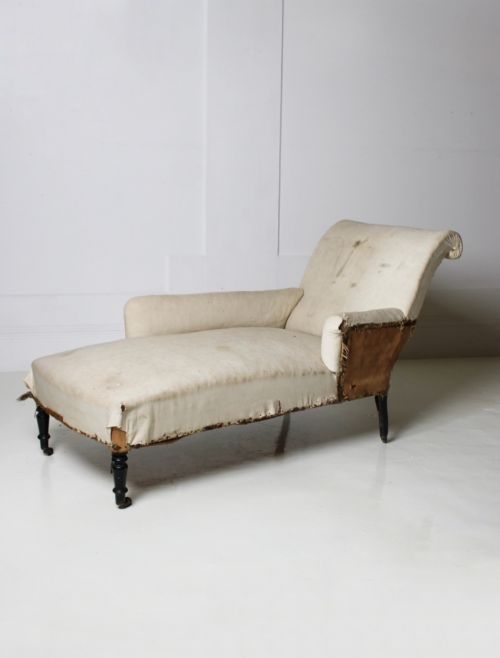
Upholstery materials recorded in the evidence include velvet, fabric, hessian, and silk damask. Brass details also appear as part of the construction and decorative finish.
Retail Price Guide 2026
Typical UK retail prices for fainting couch, calculated from the Sellingantiques database of over a million retail prices indexed since 2003. This retail price guide relies exclusively on Sellingantiques data; no external sources or auction records are used, so the figures do not describe the wider market.
Resting properly on a nineteenth-century daybed requires committing fully to the dramatic slope of the headrest.
What varies in quality
Quality rests in the attribution to established makers like Howard and Sons or Miles and Edwards. Pieces bearing maker documentation command greater interest than unsigned examples.
The choice of covering materials establishes distinction across the range, moving from standard fabric and hessian to silk damask and velvet. The execution of the woodwork in hardwood or mahogany further separates the tiers.
Howard and Sons·Miles and Edwards
The Fainting Couch Glossary
- Chaise longue
- An upholstered chair that is long enough to support the legs, functioning as a daybed or fainting couch. This French term translates to long chair.
- Day bed
- A form of couch used for both seating and reclining during the day. Nineteenth-century examples often feature a single raised end.
- Mahogany
- A durable hardwood utilised in the framing and visible wooden elements of nineteenth-century seating. It provides both structural strength and a deep grain.
- Silk damask
- A reversible figured fabric used for upholstery, known for its lustrous pattern created through weaving techniques. It represents a high tier of covering material.
- Hessian
- A coarse woven fabric typically utilised as a traditional foundation layer beneath outer upholstery materials in nineteenth-century furniture.
Frequently Asked Questions
What is a fainting couch?
A fainting couch is a nineteenth-century daybed or chaise longue featuring a raised headrest. It was designed to allow a person to recline without lying completely flat.
The form developed during the nineteenth century, incorporating styles such as Victorian and Grand Regency. Today, these pieces function as statement seating in period interiors.
How do I use a fainting couch?
These pieces suit placement in a living room, bedroom, or study as an alternative to a standard sofa or armchair. Their asymmetric shape allows for comfortable lounging.
Positioning them away from walls often highlights the curved back and raised headrest. They work well as standalone accent furniture.
What materials are used?
The framework relies on timber construction, specifically hardwood and mahogany. These sturdy woods support the extended length of the seat.
Upholstery options range from silk damask and velvet to standard fabric and hessian. Brass elements sometimes appear on the structure.
Who made these daybeds?
Notable nineteenth-century firms produced these pieces, with makers such as Howard and Sons and Miles and Edwards appearing in the record. Marked examples carry the history of these workshops.
Signed pieces reflect the high standards of nineteenth-century cabinet making and upholstery. Unsigned pieces follow the same general styles of the period.
How do I identify the period?
Pieces on this page date strictly to the nineteenth century. Stylistic markers include Victorian and Grand Regency design traits.
The combination of mahogany or hardwood frames with textiles like silk damask or velvet points directly to nineteenth-century manufacturing methods.