


Victorian Day Bed
A victorian day bed offers versatile lounging, combining the elegance of a sofa with the relaxed posture of a bed.

Materials and construction
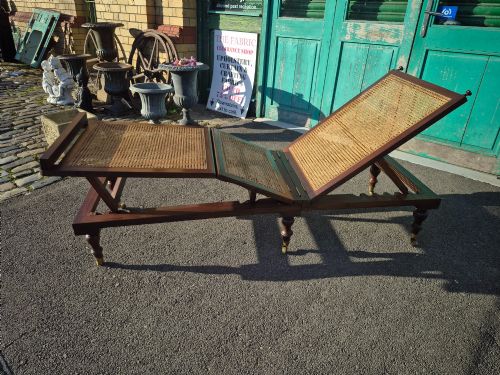
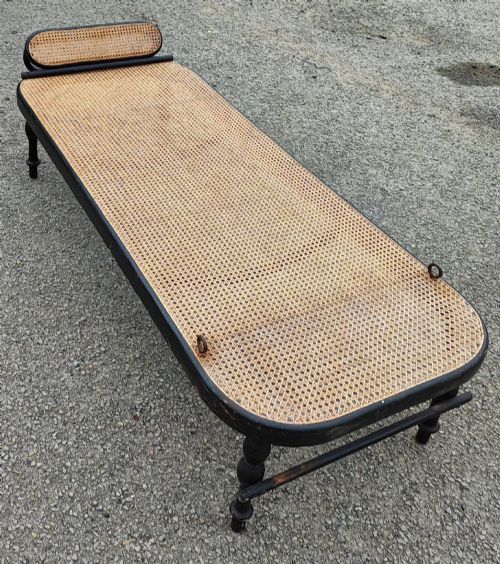
Carpenters built the frames of a victorian day bed using dense timbers like mahogany, walnut, rosewood, and ebonised wood, sometimes incorporating sturdy metal or brass components for adjustable mechanisms.
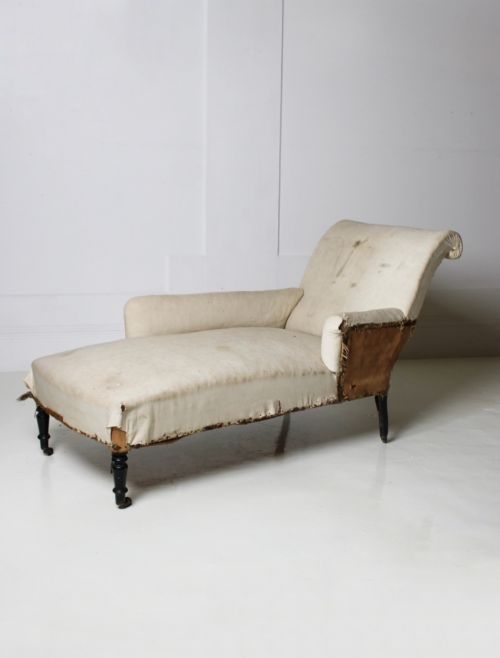
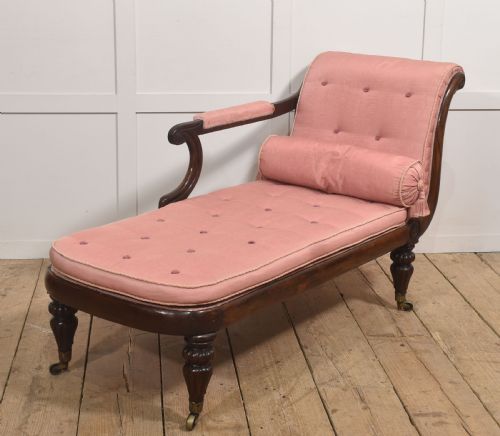
Seating and reclining surfaces utilise woven cane panels alongside plush upholstery padded with velvet, calico, or leather, supported by turned wooden feet fitted with original castors.
Assessing quality and craftsmanship
The distinction between standard pieces and the finest examples lies in the selection of solid hardwoods like Rio rosewood or figured walnut, paired with meticulous hand-turned detailing and sophisticated mechanical adjustments.
Superior execution shows in robust frame joinery, intricate cane work, and sophisticated upholstery choices such as button-tufting or high-grade velvet, reflecting the output of prominent cabinet makers.
Victorian Day Bed Retail Price Guide 2026
Typical asking prices for victorian day bed among the pieces listed under this phrase on Sellingantiques today, from the lower quarter to the upper quarter. They describe what is for sale here now, not the wider market.
Listings feature nineteenth-century woods including mahogany, walnut, rosewood, and ebonised timber.
H. Goodall & Sons·Miles & Edwards·Howard and Sons·Holland and Sons·Carter of London
The Victorian Day Bed Glossary
- Chaise Longue
- A long upholstered chair for reclining, functioning as a hybrid seat and day bed.
- Ottoman
- A box-base day bed providing hidden storage beneath the upholstered mattress platform.
- Campaign Style
- Portable or folding furniture originally designed for military officers on the move.
- Ebonised
- Wood stained or painted black to imitate expensive ebony timber.
- Castor
- A small wheel fitted to the legs of furniture to ease movement across floors.
Victorian Day Bed: Frequently Asked Questions
How were day beds used in victorian homes?
Victorian households utilised day beds in drawing rooms, bedrooms, and libraries for daytime resting, reading, and casual reclining.
Specialised versions also served in medical consulting rooms for patient examinations.
How do I identify a campaign day bed?
Campaign day beds feature sturdy construction designed for disassembly and travel, frequently incorporating metal or hardwood frames.
These pieces often date from the Regency and early nineteenth-century periods.
Are these day beds suitable for daily sleeping?
Most antique day beds function best for sitting, reading, and short periods of reclining rather than full-time night sleeping.
Many historic frames feature narrow proportions or adjustable mechanisms built for daytime leisure.