


Edwardian Walnut Settee
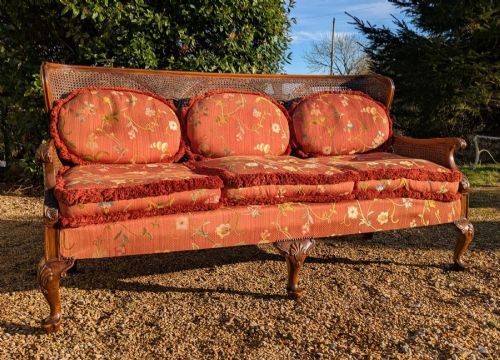
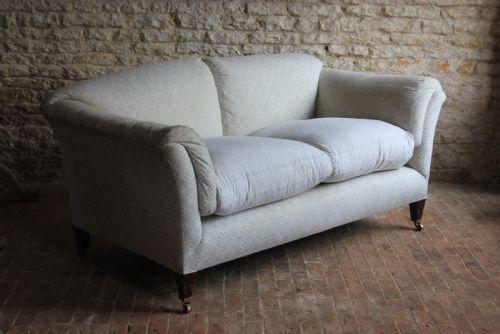
These pieces are Edwardian walnut settee designs, offering carved frames and upholstered or caned seats that anchor a formal room.
Edwardian Walnut Settee
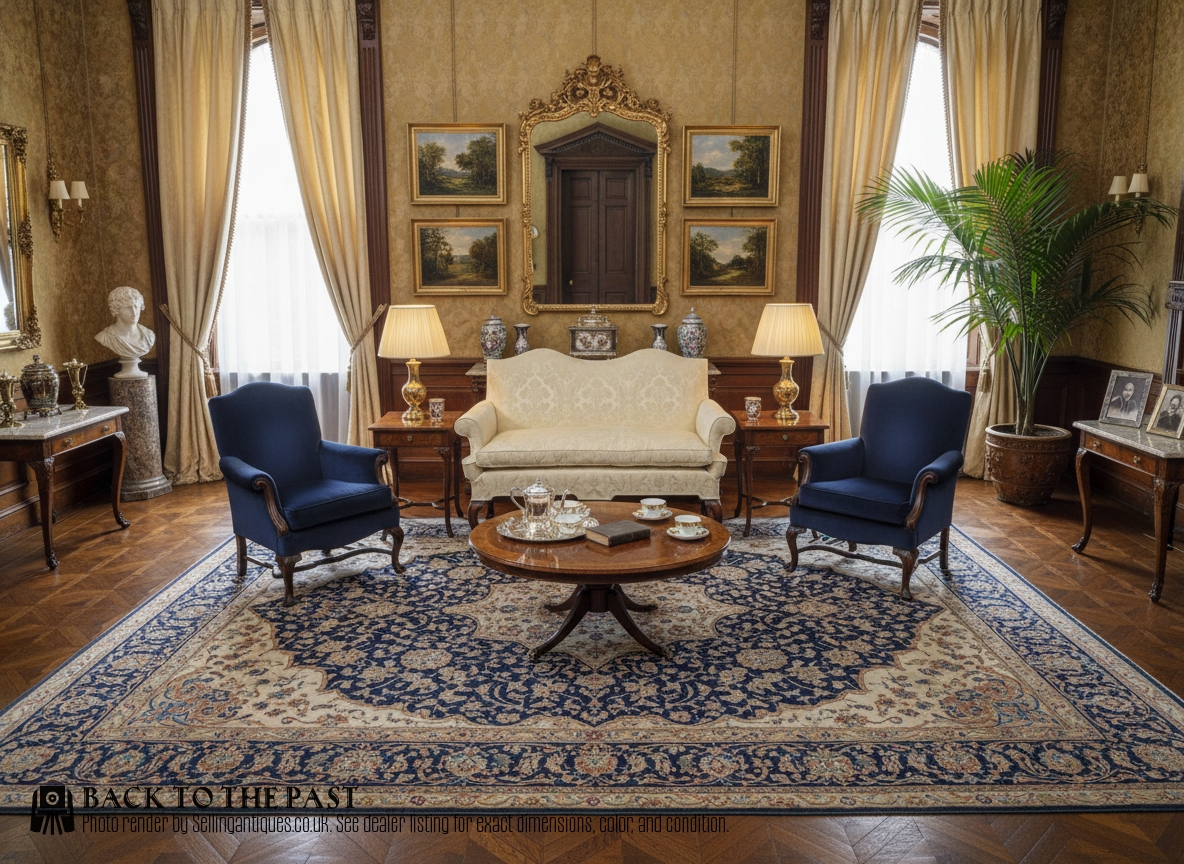
An edwardian walnut settee brings the darker timbers and revival forms of the early twentieth century into a drawing room or salon. These seats appear alongside Victorian, Queen Anne Revival, and Arts and Crafts examples in walnut, offering carved wooden frames paired with soft cushions or cane work.
Makers produced these pieces as two-seater settees, larger sofas, and matching salon suites with armchairs. The forms often draw on earlier decorative vocabularies, combining walnut timber with velvet, damask, or feather filling.
How they were made
Cabinetmakers shaped the foundational frames from hardwood walnut, utilising carved details to define the arms, legs, and crest rails. Caning techniques appeared frequently on bergere panels, requiring skilled hand-weaving across curved wooden frameworks.
Upholstery work incorporated traditional materials like horsehair, ticking, and feather cushions beneath velvet, fabric, or damask covers. Brass castors and hardware often finished the feet of larger salon pieces.
Original ticking upholstery occasionally survives beneath the outer decorative fabric, preserving the maker's hidden handwriting.
What varies in quality
The crispness of the carved walnut ornamentation marks the distinction between standard production and finer workshops. Crisp, deep relief work on the wooden frames indicates superior craftsmanship by skilled cabinetmakers.
The integrity of the frame construction and the preservation of original cane work or high-grade upholstery fabrics determine the standing of each piece. Intact structural joinery supports the longevity of these seats.
Howard and Sons
The Edwardian Walnut Settee Glossary
- Bergere
- An enclosed upholstered armchair or sofa with wooden frames, often featuring cane sides and back panels. This French-inspired form became popular in Edwardian drawing rooms.
- Settee
- A small upholstered sofa with a back and arms, designed to seat two or more people. These pieces formed part of larger salon suites or stood alone in hallways.
- Salon suite
- A matched set of seating furniture, typically comprising a sofa and matching armchairs. These suites furnished formal entertaining spaces in period homes.
- Damask fabric
- A reversible figured fabric with patterns woven into the cloth, frequently utilised for historical upholstery. It provides a textured surface for formal seating.
Edwardian Walnut Settee: Frequently Asked Questions
How do I clean the wood?
Dust the walnut frame regularly with a dry, soft cloth to prevent surface buildup. Avoid harsh chemical cleaners that can strip the polished finish.
Apply a microcrystalline wax sparingly when the timber appears dry, buffing gently to maintain the natural sheen.
Where should I place a settee?
Position the piece away from direct sunlight and heat sources to protect the walnut timber and textile covers. Adequate clearance around the settee allows the carved wooden details to remain visible.
These seats function well in drawing rooms, large hallways, or bedrooms where formal seating enhances the room layout.
Can I reupholster the piece?
Reupholstering is possible when the underlying frame and webbing require structural updating. Professional restorers can replace worn fabric while retaining the original interior stuffing where viable.
Selecting damask or velvet aligns with the traditional aesthetic recorded across these period listings.