
Edwardian Upholstered Sofa
An edwardian upholstered sofa brings upright elegance and deep sprung comfort to a room, combining polished mahogany frames with rich decorative textiles.
Edwardian Upholstered Sofa
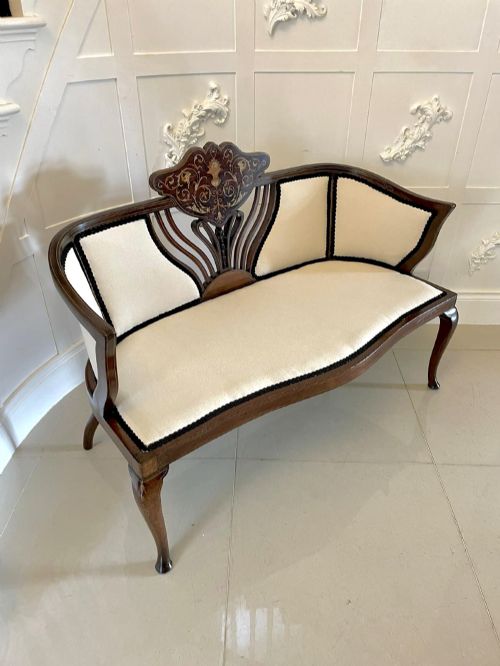
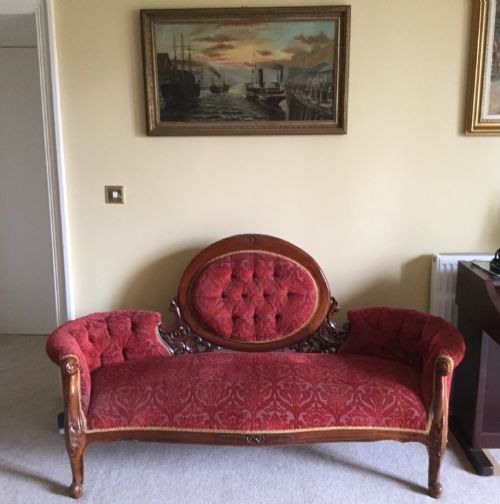
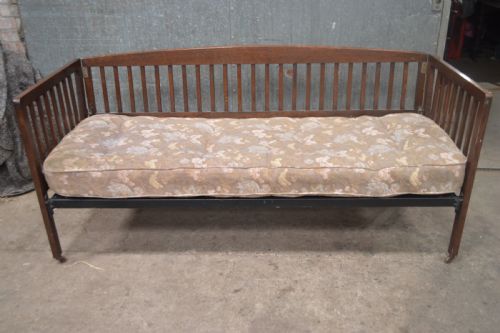
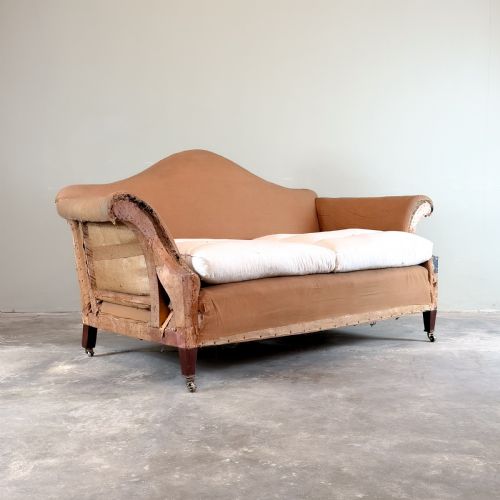
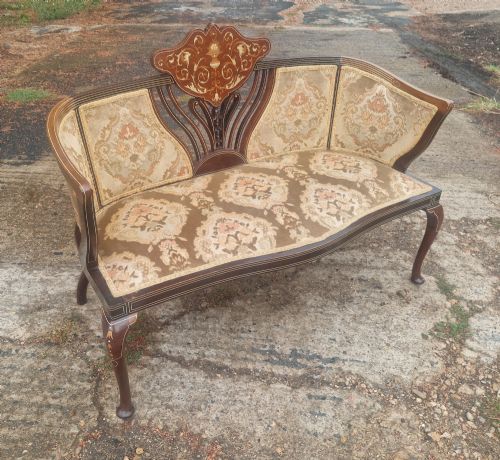
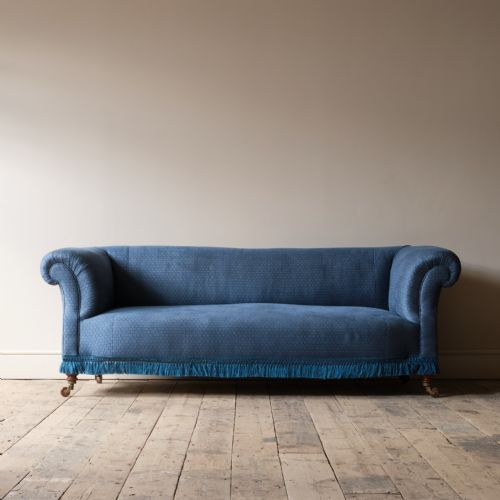
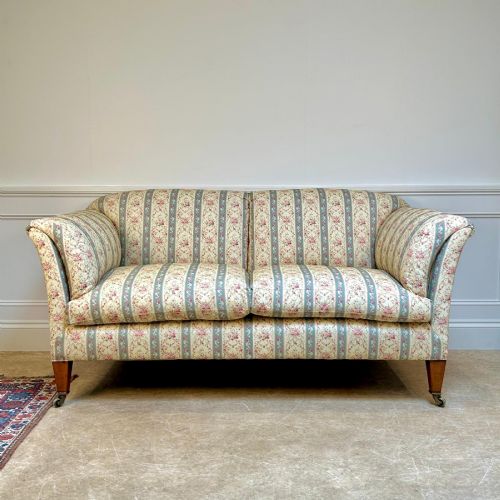
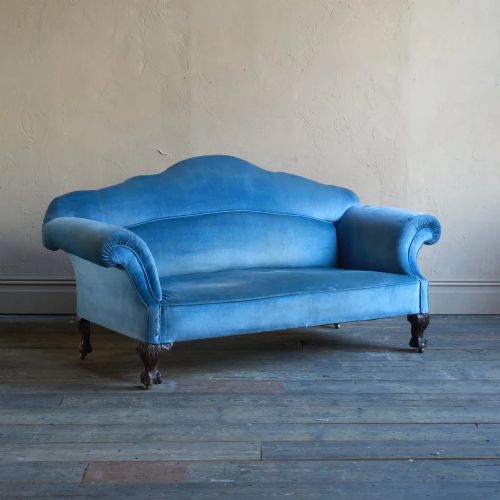
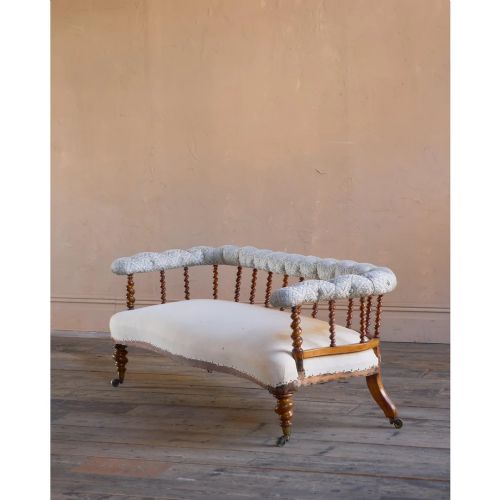
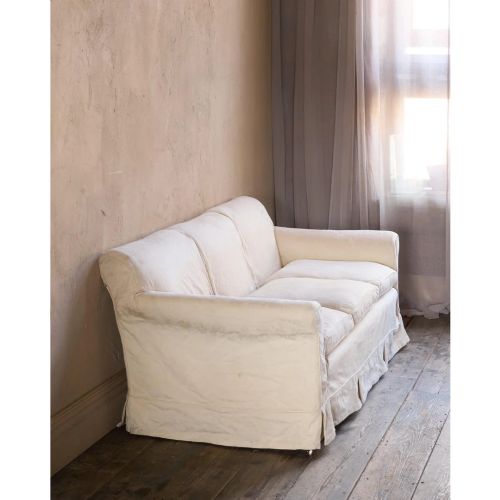
When searching for an edwardian upholstered sofa, buyers encounter seating designed around the turn of the twentieth century that bridges formal Victorian styling and relaxed country house comfort. The pieces on this page range from modest cottage two-seaters to grand salon settees featuring camel backs, drop ends, and carved mahogany frames.
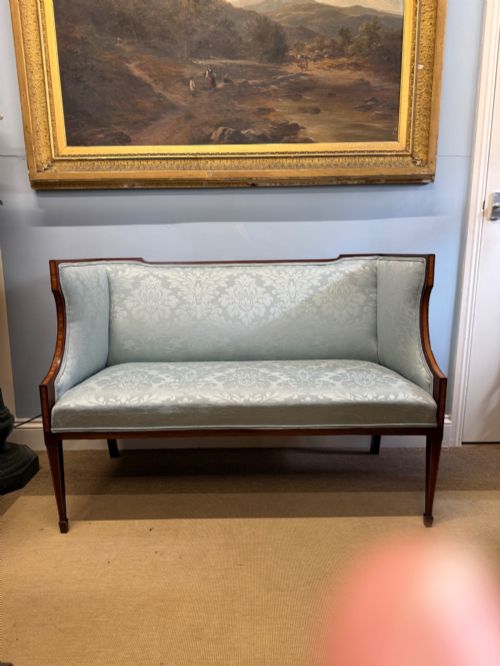
Most examples meet the eye with exposed timber woodwork, inlaid satinwood details, or brass castors supporting deeply padded seats. While the overarching period is Edwardian, the listings also draw upon nineteenth-century traditions and revival styles like Chippendale and Sheraton.
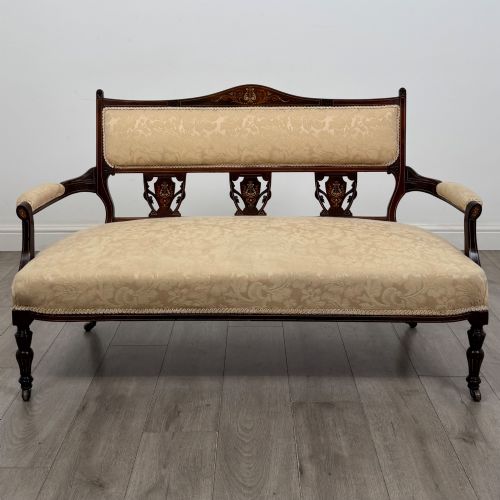
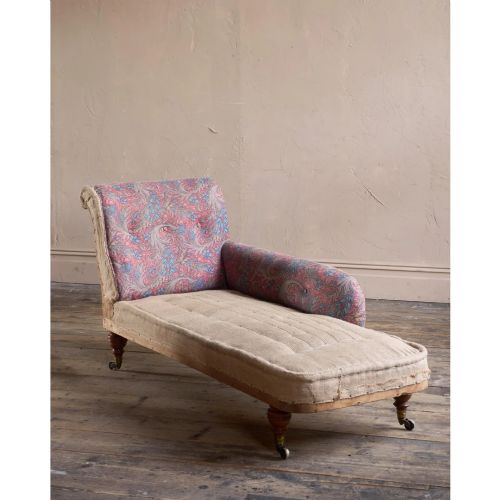
Forms vary from compact window seats and day beds to large three-seater couches intended for formal drawing rooms. Buyers most frequently find mahogany frames upholstered in damask, velvet, or contemporary designer fabrics.
How they were made
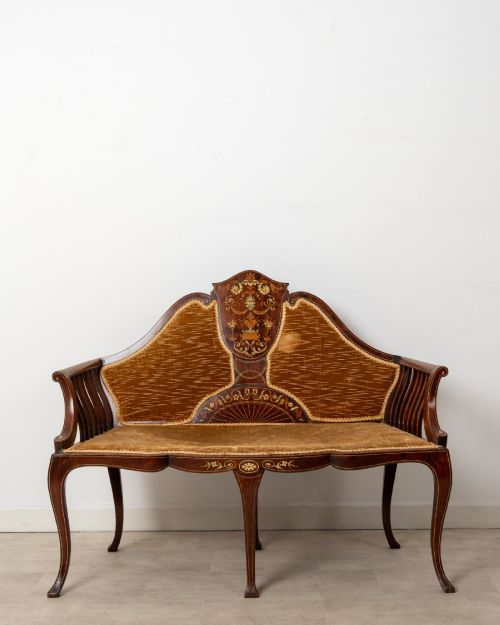
Makers constructed these frames using solid timbers such as mahogany, walnut, and oak, frequently embellishing the show-wood with satinwood marquetry, brass fittings, and delicate stringing. Frames often incorporated hand-carved details or painted Chinoiserie motifs reflecting prevailing aesthetic tastes.
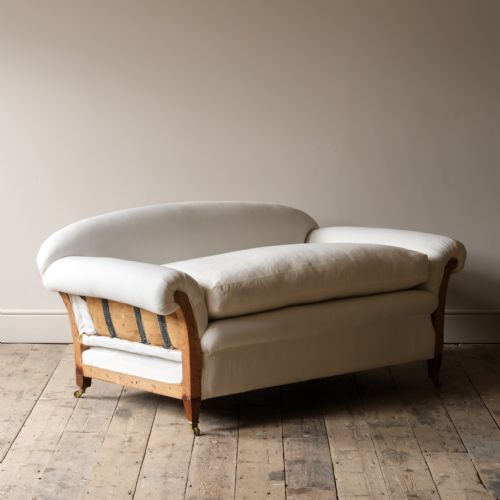
Upholstery relied on traditional artisan techniques, utilising coiled spring bases, horsehair stuffing, and feather cushions secured with heavy webbing. Drop-arm mechanisms and adjustable ends required robust internal ironwork to maintain tension and stability over decades of daily use.
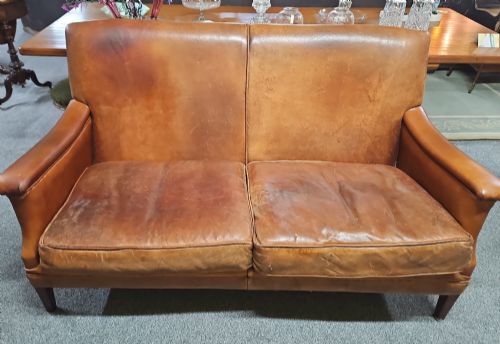
Current listings feature frames built from solid mahogany, walnut, oak, and satinwood, paired with period textiles ranging from leather to damask.
What varies in quality
The distinction between standard commercial production and superior craftsmanship rests in the architectural integrity of the frame and the refinement of the decorative inlay. Finer pieces display crisp hand-carving, perfectly matched timber veneers, and intricate satinwood banding that requires immense joinery skill.
Quality also reveals itself in the underlying upholstery method and proportion. Master workshops built frames with substantial gauge springs and durable stuffing that preserved the intended silhouette, whereas lesser pieces sag quickly under weight and rely entirely on superficial fabric appeal.
Hampton and Sons·Howard and Sons·C. Hindley and Sons
The Edwardian Upholstered Sofa Glossary
- Camel back
- A gently undulating top rail shaped with a central hump that tapers gracefully toward the arms. This profile originates in eighteenth-century design and reappeared frequently on refined salon seating.
- Drop end
- A movable arm mechanism that lowers on a ratchet to transform a settee into a day bed or chaise longue. It provides versatile lounging configurations.
- Inlay
- A decorative technique where contrasting woods like satinwood or exotic veneers are fitted flush into the primary mahogany or rosewood surface. It defines formal Edwardian cabinetry.
- Satinwood
- A lustrous, fine-grained yellow timber utilised extensively for decorative banding and panel highlights on upscale Edwardian furniture. It offers a bright contrast against darker mahogany.
- Bergere
- An enclosed armchair or sofa style featuring exposed wooden framing and tight cane or upholstered side panels. It provides a lighter visual footprint in formal rooms.
Edwardian Upholstered Sofa: Frequently Asked Questions
How do I style an Edwardian sofa today?
Pair the polished mahogany frame and patterned upholstery with neutral walls to let the antique woodwork anchor the space.
Mixing the piece with contemporary lighting or minimalist side tables prevents a room from feeling overly staged while honouring the historical form.
Are these sofas comfortable for daily lounging?
Many Edwardian designs feature deep sprung bases and feather cushions engineered for genuine relaxation rather than mere formal display.
Buyers seeking deep-seated comfort often gravitate toward country house models or pieces equipped with drop-end actions.
How do I distinguish Edwardian from Victorian sofas?
Victorian frames typically showcase heavier dark walnut or rosewood construction with dense, button-tufted upholstery and elaborate carving.
Edwardian pieces generally present a lighter aesthetic, utilising brighter mahogany, satinwood stringing, and simpler tapered legs.
Can I reupholster an antique sofa safely?
Traditional upholstery methods allow skilled craftspeople to strip away worn fabric down to the webbing and springs without damaging the underlying timber frame.
Retaining the original horsehair stuffing and tied springs preserves the historical integrity and bounce of the piece.