


Napoleon III Sofa
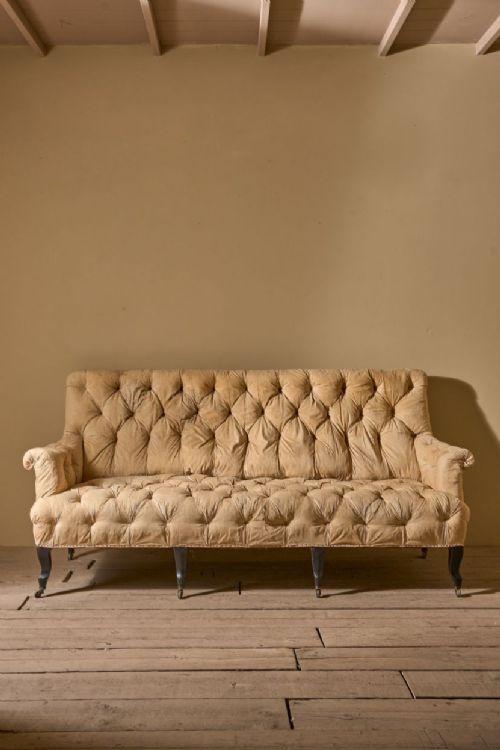
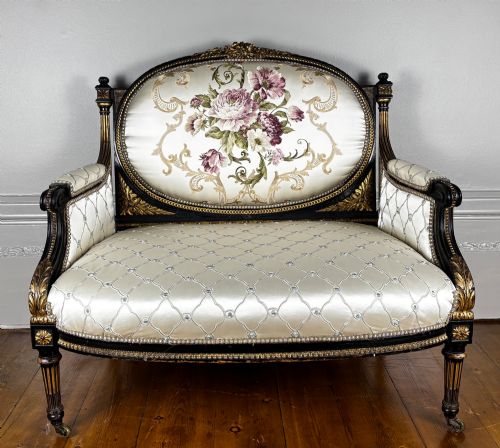
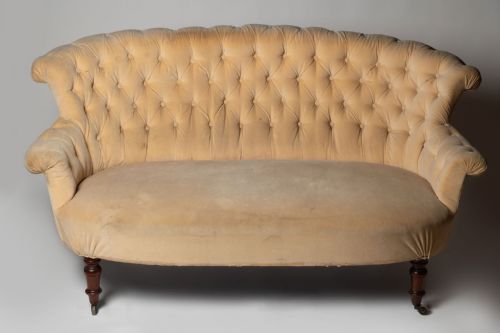
A napoleon iii sofa brings lavish nineteenth century French seating into a room, offering deep buttoning and curvaceous frames.
Napoleon III Sofa
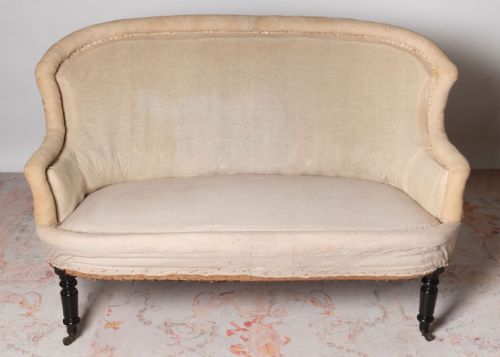
When you search for a napoleon iii sofa, you encounter nineteenth century seating from France that embraces plush upholstery and ornate frames. These pieces span from compact two seaters to expansive curved and buttoned forms, reflecting the opulent tastes of the Second Empire.
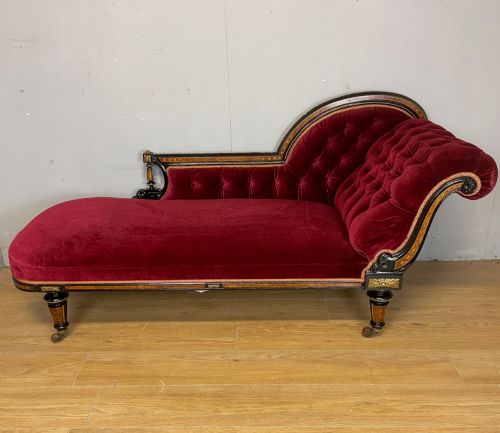
You are most likely to meet buttoned back and seat designs, scroll backs, and tub shapes upholstered in velvet, linen, or corduroy. Forms range from straight framed settees to kidney shaped and serpentine daybeds.
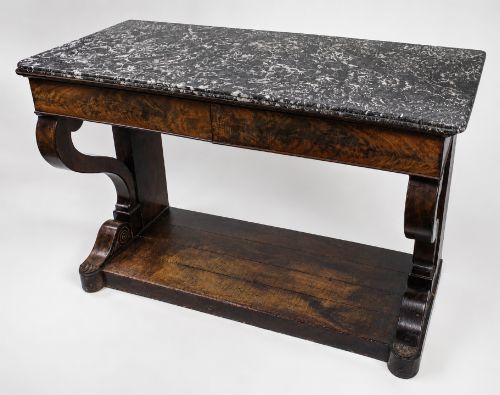
Origins trace directly to nineteenth century French workshops, alongside Victorian era interpretations. Alongside the core settees, the broader selection includes chaise longues and side furniture.
How they were made
Frames rely on timber foundations such as walnut, rosewood, and ebonised wood, frequently enhanced by parcel gilt details or inlaid panels. Artisans shaped these hardwoods into cabriole legs and sweeping backrests.
Metal and ceramic embellishments complete the construction, utilising cast ormolu mounts, brass accents, and inlaid porcelain plaques. Upholstery techniques involve deep buttoning across plush velvet, linen, and silk fabrics.
Listings feature nineteen century periods alongside Victorian eras, utilising ebonised wood, walnut, rosewood, brass, ormolu, velvet, and linen.
What varies in quality
The degree of refinement in the carved woodwork and the crispness of the ormolu mounts distinguish the finer examples from standard production. Superior frames exhibit deeply sculpted contours and precise inlay work in exotic woods.
The integrity of the original upholstery platform and the harmony of the proportions dictate the overall distinction of a piece. Pieces retaining intact buttoning and high grade textile coverings demonstrate superior craftsmanship.
The Napoleon III Sofa Glossary
- Ormolu
- Gilded bronze ornamentation applied to furniture frames. It provides a bright metallic contrast against ebonised wood surfaces.
- Ebonised
- Wood treated to resemble ebony through a dark staining process. This finish creates a dramatic backdrop for gilt highlights.
- Cabriole leg
- A furniture leg featuring a double curve in the shape of an animal's leg. It terminates in a scroll or plain foot.
- Crapaud
- A low, heavily upholstered tub back armchair or small sofa. The style prioritises deep cushioned comfort over visible wood framing.
- Marquetry
- Decorative veneer patterns assembled from various tinted woods. Artisans inlay these designs into flat surfaces like tabletops and panels.
Napoleon III Sofa: Frequently Asked Questions
How do I care for velvet upholstery?
Velvet requires gentle brushing with the grain to maintain its soft pile and lustrous appearance. Avoid harsh chemical cleaners and protect the fabric from direct sunlight to prevent colour fading.
Professional cleaning is recommended for antique textiles. Regular light vacuuming with a soft brush attachment keeps dust from settling into the deep button folds.
Where were these sofas used?
Historically, these pieces occupied formal nineteenth century French salons, boudoirs, and drawing rooms. Their plush seating was designed for the leisurely social gatherings of the Second Empire.
Today, they function as statement pieces in contemporary living rooms or bedrooms. Their compact two seat forms allow them to sit comfortably in both large and medium spaces.
How do I distinguish periods?
Nineteenth century pieces rely on traditional joinery, hand carved wooden frames, and period textiles such as silk velvet and heavy linen. Later Victorian interpretations often incorporate regional British or alternative continental building methods.
Examining the underside reveals the timber type, hand cut screws, and webbing construction. Ormolu casting quality and inlay precision also signal authenticity.