


Antique French Couch
These antique french couch examples bring centuries of European seating traditions into domestic spaces.

Antique French Couch
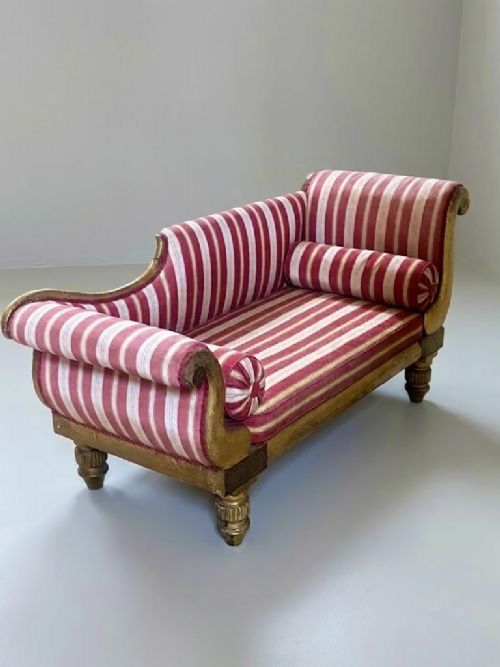
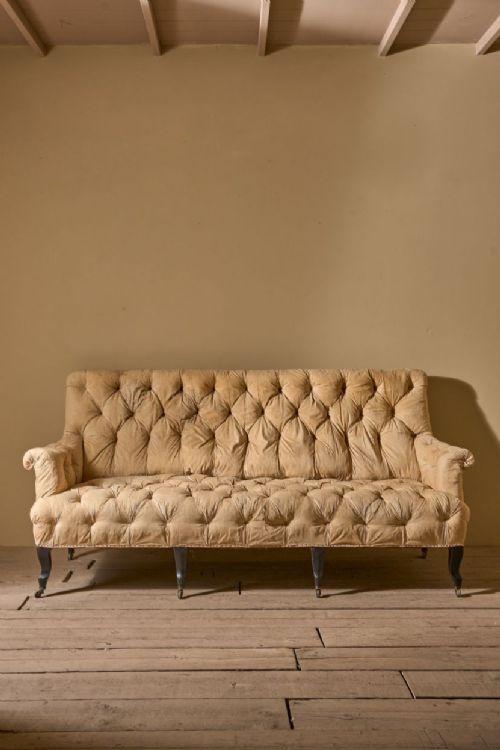
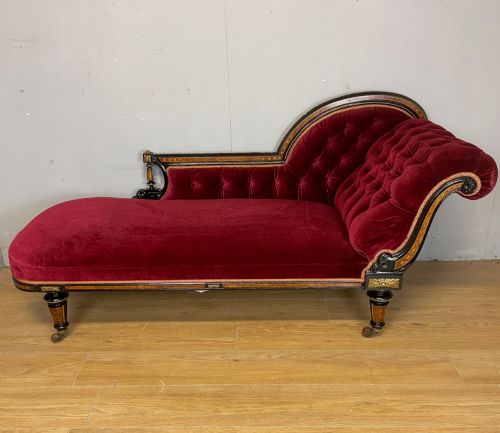
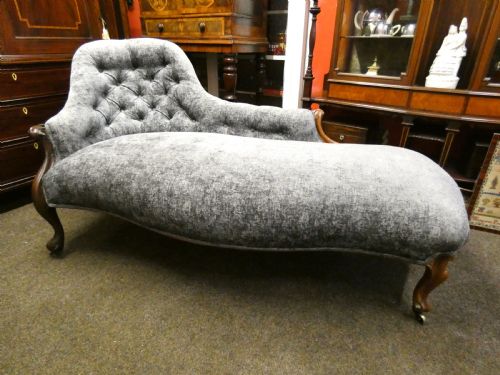
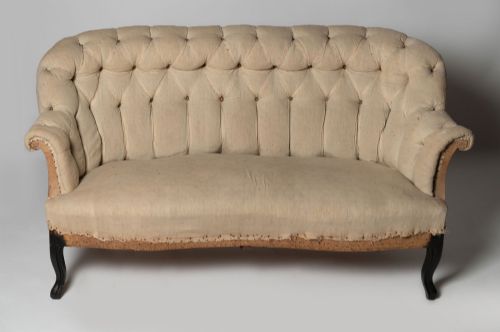
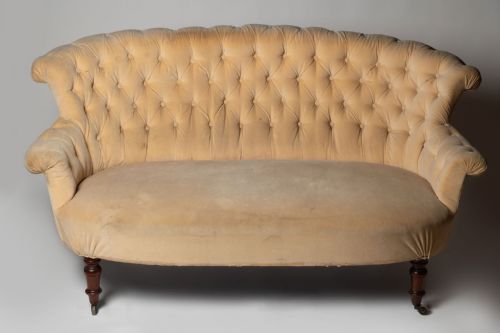
An antique french couch encompasses a wide variety of formal and domestic seating forms, including settees, daybeds, and chaise longues. Buyers searching this phrase meet pieces originating primarily in the nineteenth century, alongside examples from the early decades of the twentieth century.
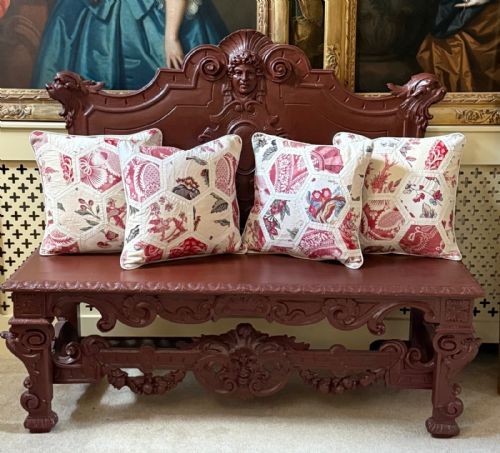
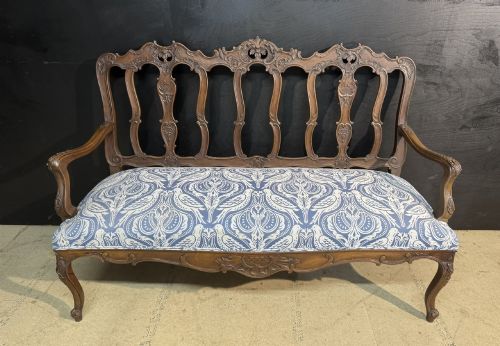
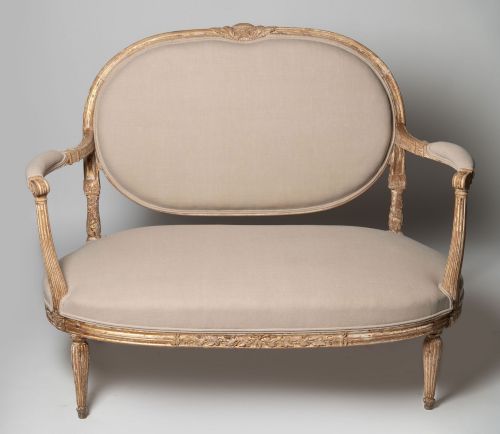
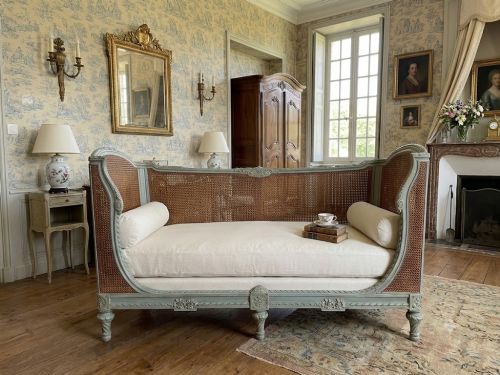
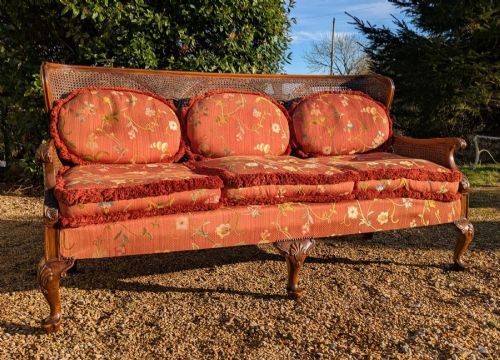
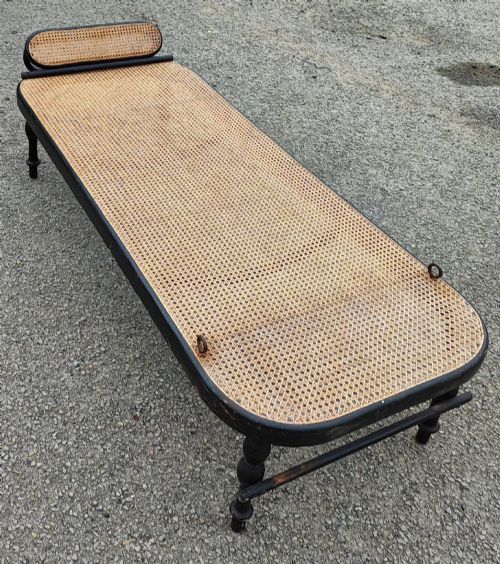
The selection frequently includes walnut frames, giltwood carvings, and cane day beds rooted in Louis styles and Napoleon periods. These seating options range from intimate boudoir love seats to large reception salon sofas designed for formal entertaining.
How they were made
Maker workshops utilised solid timbers such as walnut, mahogany, and beech to construct robust internal frames, often applying giltwood, ebonisation, or painted finishes to the exterior woodwork. Decorative metal elements like brass or ormolu mounts punctuate the joinery on select pieces.
Upholstery techniques rely on traditional stuffing materials paired with velvet, silk, linen, or striped fabrics. Canework panels appear frequently on frames, requiring intricate weaving directly into the wooden structure.
Antique French Couch Retail Price Guide 2026
Typical asking prices for french couch among the pieces listed under this phrase on Sellingantiques today, from the lower quarter to the upper quarter. They describe what is for sale here now, not the wider market.
Listings feature walnut, mahogany, and giltwood frames upholstered in velvet, silk, and linen across the nineteenth and twentieth centuries.
What varies in quality
The depth and crispness of hand-carving on the wooden frame distinguish standard production from superior examples. Elaborate gilding and the precision of ormolu mounts also indicate higher levels of craftsmanship.
The integrity of the underlying frame construction and the authenticity of period textiles dictate the overall standard. Pieces retaining original cane panels or early upholstery show superior preservation.
The Antique French Couch Glossary
- Canapé
- A traditional French settee or sofa featuring an upholstered back and seat supported by an exposed wooden frame. These forms often display stylistic influences from Louis periods.
- Chaise Longue
- An elongated chair designed for reclining, combining the characteristics of a chair and a daybed. Examples appear in Victorian and nineteenth-century forms.
- Ormolu
- Gilded bronze applications mounted onto wooden furniture frames for decorative effect. This technique appears frequently on nineteenth-century revival pieces.
- Bergere
- An enclosed upholstered armchair or sofa with wooden frames and woven cane sides or backs. They often accommodate loose feather cushions.
- Giltwood
- Wood that has been coated with gold leaf or a gold-coloured finish. This treatment highlights carved details on formal salon seating.
Antique French Couch: Frequently Asked Questions
How do I clean an antique couch frame?
Maintain wooden and gilt frames by dusting them regularly with a dry, soft cloth. Avoid moisture and commercial polishes, which can damage aged finishes.
For cane panels, use a soft brush to remove debris from the woven gaps. Preserve the surrounding timber with appropriate conservation waxes where applicable.
Were daybeds used for sleeping?
Daybeds and chaise longues served primarily for daytime resting, reading, and receiving close visitors in private chambers. They occupied boudoirs and dressing rooms rather than primary bedchambers.
Wealthy households utilised these versatile pieces across reception spaces for casual reclining during the afternoon hours.
How do I identify a Louis style?
Louis styles are defined by specific decorative motifs and structural silhouettes. Louis XVI designs typically display neoclassical straight tapered legs and geometric framing.
Earlier variations exhibit curved cabriole legs and organic rococo carvings. Comparing the woodwork details helps determine the specific revival period.
Can I replace the upholstery fabric?
Upholstery fabrics can be replaced to suit modern interiors while respecting the historic frame structure. Traditional webbing and stuffing methods should be maintained during restoration.
Selecting appropriate period-style textiles, such as velvet or silk, preserves the visual character of the seating.