


Antique Upholstered Loveseat
Looking for an antique upholstered loveseat? These seating forms bring period character and intimate proportions to a room.
What an antique upholstered loveseat is
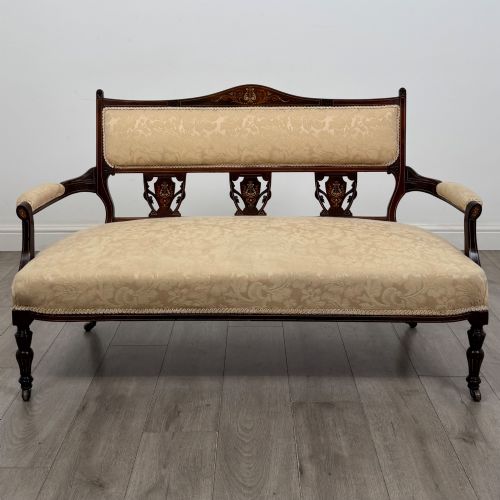
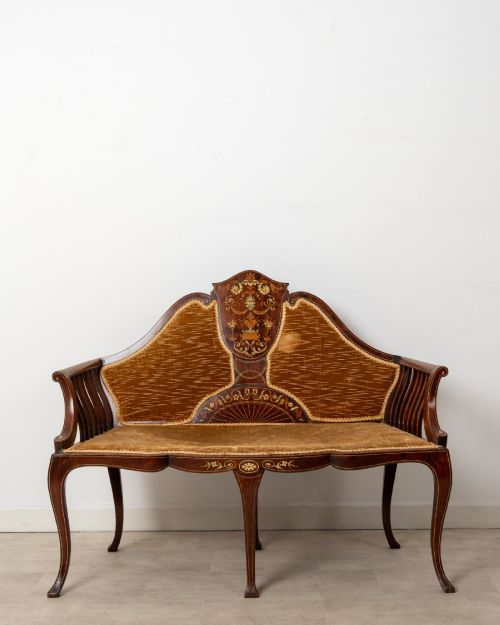
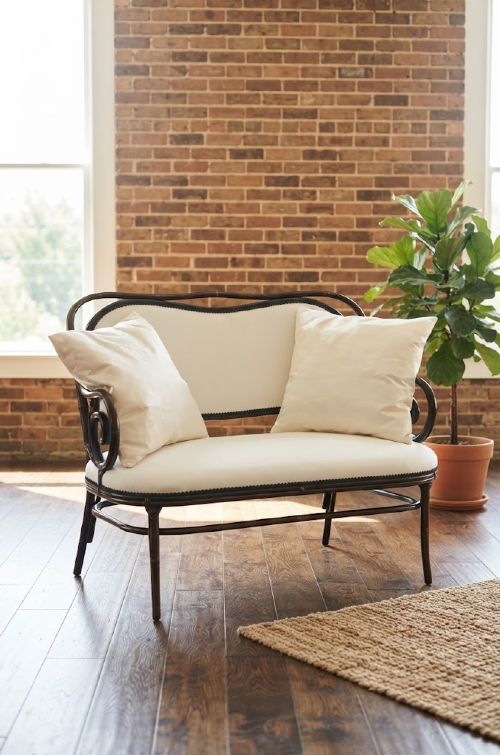
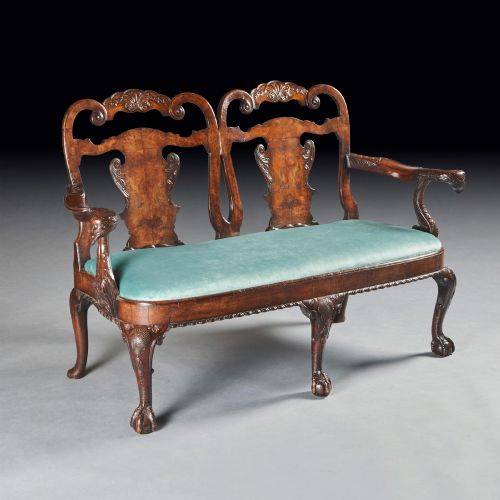
An antique upholstered loveseat offers compact seating designed for two, appearing across the Victorian, Edwardian, and nineteenth-century periods. These smaller sofa forms bridge the gap between armchairs and full-sized settees, providing comfortable seating without dominating a room.
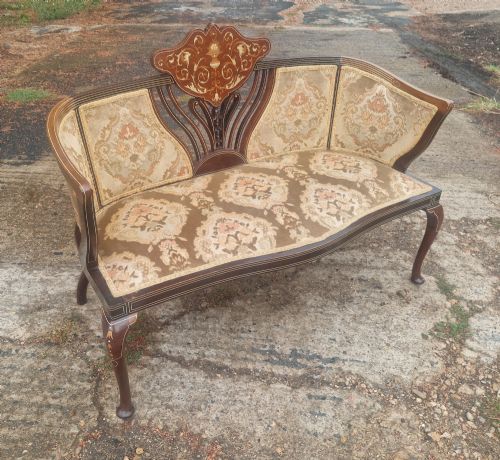
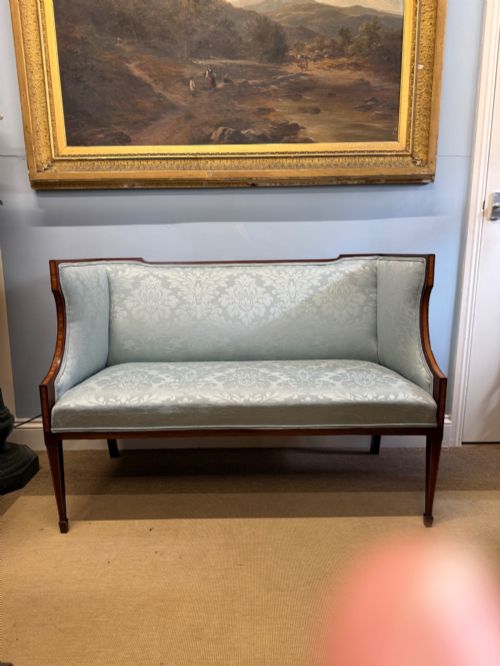
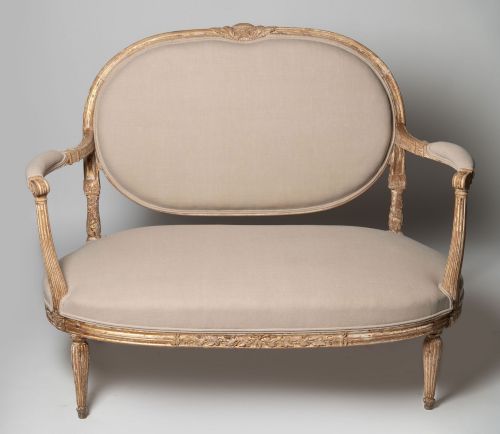
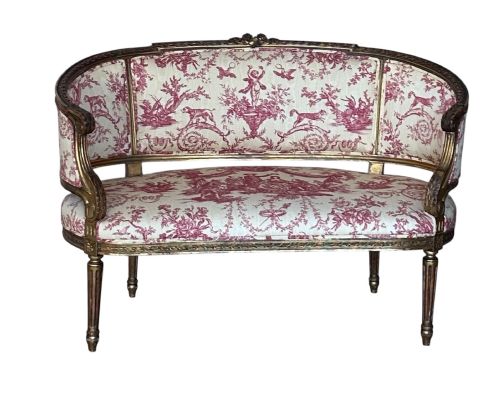
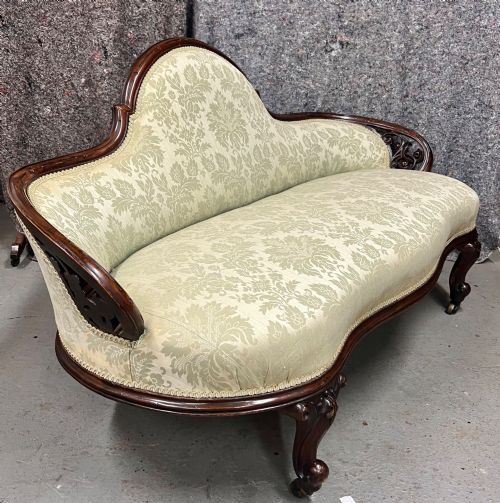
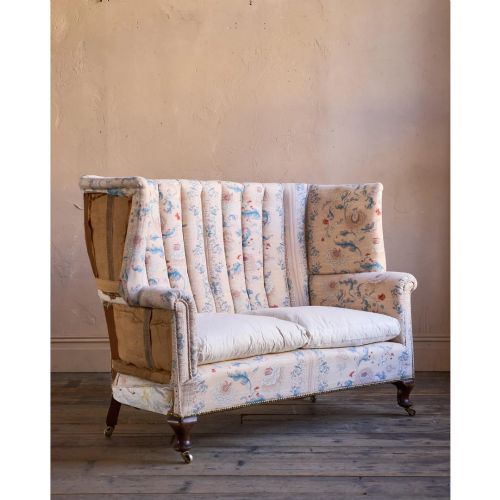
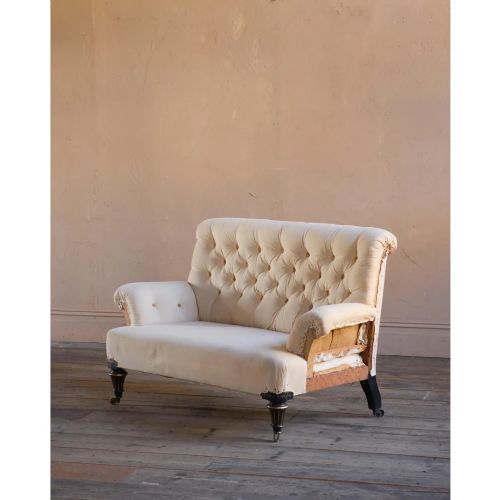
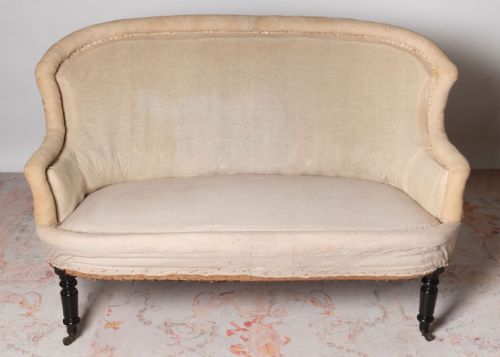
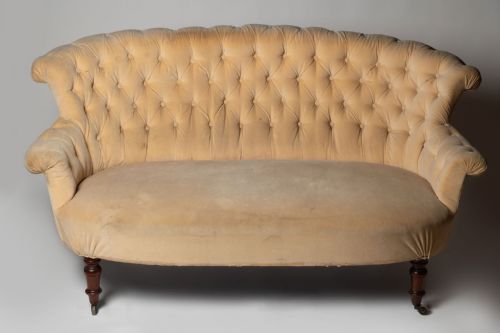
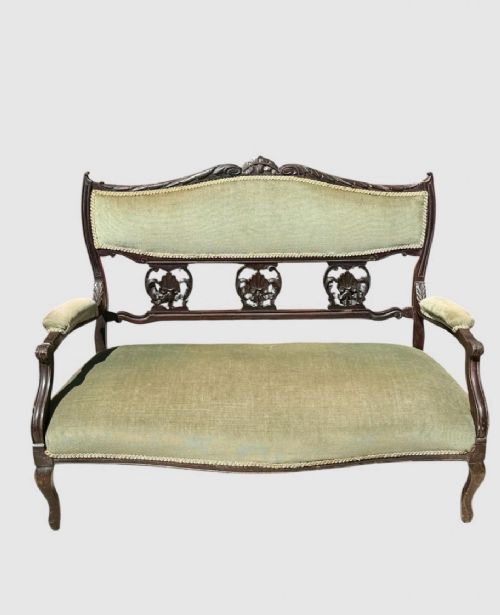
The pieces on this page span several distinct regional styles, including English Victorian and Edwardian examples alongside nineteenth-century French designs. You will encounter forms ranging from button-backed canapes and fluted wingback sofas to painted frame loveseats and end-of-bed settees.
Makers utilised timber frames of mahogany and wood as the structural foundation for these double seats. Many examples retain traditional fabric coverings, while others arrive ready for new upholstery to suit contemporary interiors.
How they were made
Makers constructed these frames using timber such as mahogany and general wood, often adding painted finishes or brass details. Structural stability relied on traditional joinery methods appropriate to nineteenth-century and early twentieth-century workshop practices.
Upholstery techniques involved supportive internal webbing, hessian, and linen layers beneath outer coverings of velvet and various decorative fabrics. Button-backed upholstery and fluted wingback padding required skilled hand-stitching to shape the internal stuffing securely against the wooden frames.
Retail Price Guide 2026
Typical UK retail prices for upholstered loveseat, calculated from the Sellingantiques database of over a million retail prices indexed since 2003. This retail price guide relies exclusively on Sellingantiques data; no external sources or auction records are used, so the figures do not describe the wider market.
Some nineteenth-century loveseats spent their early days tucked entirely out of sight at the foot of a grand bed.
What varies in quality
The distinction between standard examples and superior pieces rests upon the finesse of the timber carving and the integrity of the frame. Higher quality loveseats display precise turning on mahogany components and rigorous joinery that withstands centuries of use.
Upholstery execution and fabric selection drive the aesthetic hierarchy of these seating pieces. Finer examples feature sophisticated shaping in button-backed canapes or balanced proportions in French painted frames, whereas simpler variants rely on straightforward structural forms.
The Antique Upholstered Loveseat Glossary
- Canape
- An eighteenth or nineteenth-century upholstered settee with an exposed wooden frame. These French-derived seats often feature decorative carvings along the top rail.
- Hessian
- A coarse woven fabric utilised as a traditional foundation layer in upholstery. It provides the strong base required to hold internal stuffing materials in place.
- Wingback
- A chair or sofa style featuring protective side panels attached to the arms or back. This traditional design historically shielded occupants from drafts.
- Napoleon III
- A nineteenth-century French design period associated with eclectic revivals and ornate upholstery. Pieces from this era often showcase rich textiles and elaborate frames.
Frequently Asked Questions
Where should I place an antique loveseat?
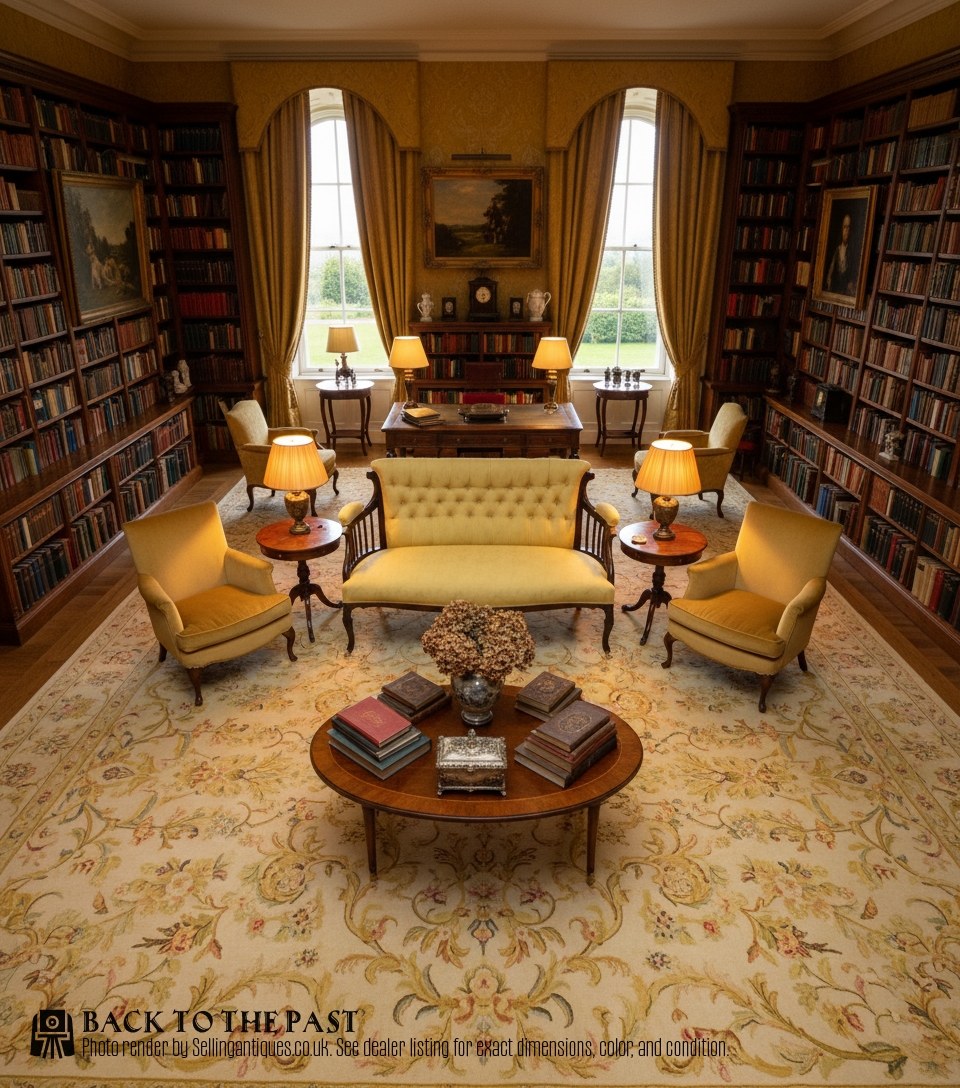
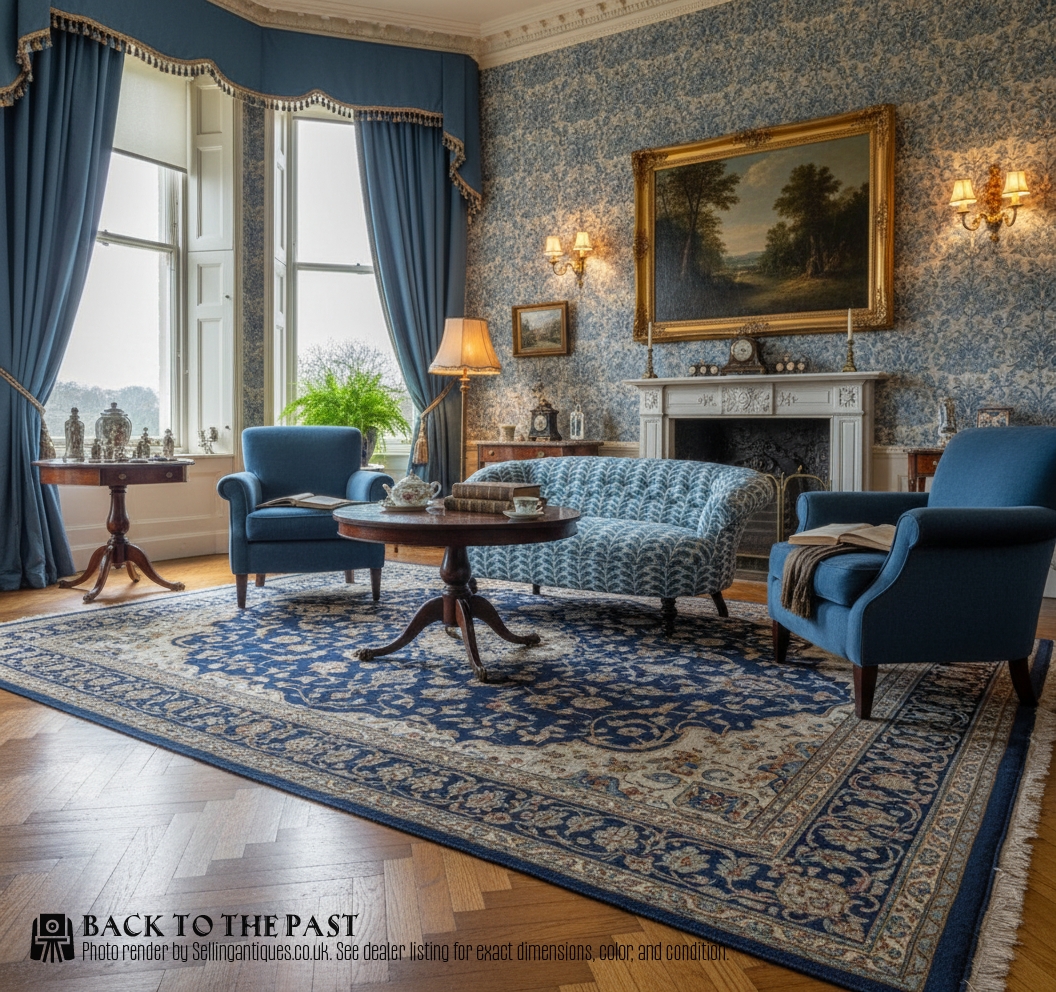
These compact seats fit well in bedrooms, small living spaces, or at the foot of a bed as demonstrated by late Victorian end-of-bed configurations. Their smaller scale allows them to occupy awkward corners that standard three-seater sofas cannot manage.
They also function effectively as conversational seating in studies or dressing rooms. The intimate dimensions provide comfortable seating for two without overwhelming the surrounding layout.
How do I identify a Victorian loveseat?
Victorian examples frequently display deep button-backed upholstery, dark mahogany frames, and robust proportions characteristic of nineteenth-century British cabinet-making. Stylistic markers often include curved wooden framing and heavy textile coverings.
These pieces contrast with lighter Edwardian alternatives or ornate French designs found from the same general era. Examining the woodwork and upholstery style helps clarify the specific period of manufacture.
Are these loveseats ready for daily use?
Many surviving pieces remain structurally sound, though older upholstery and internal webbing may require professional restoration depending on the condition of the individual item. Some pieces are sold explicitly for reupholstery to match modern interiors.
Buyers should assess whether the wooden frame requires stabilization before placing the seat into active daily service. Traditional construction methods mean most frames can be successfully repaired by skilled craftspeople.
What is the difference between French and English styles?
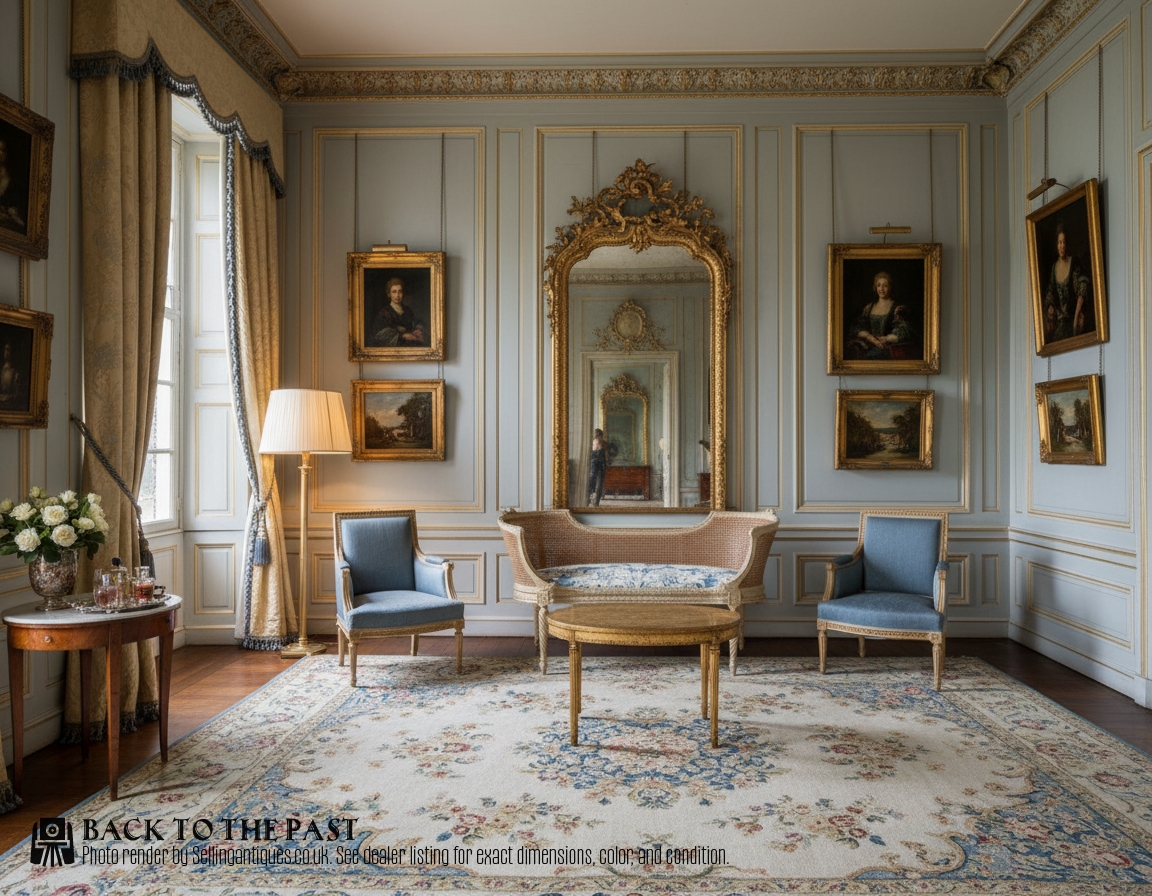
French nineteenth-century and Louis XVI style pieces often feature painted wooden frames, exposed carved woodwork, and elegant caned panels. These designs prioritize lighter aesthetic lines and decorative framing.
English Victorian and Edwardian examples typically emphasise heavier timber construction, enclosed upholstery, and comfort-focused padding such as fluted wingbacks. Each regional tradition offers a distinct visual character for interior spaces.