
Nineteenth Century Sofa
A nineteenth century sofa brings substantial timber frames and deep upholstery together, offering enduring seating for a traditional interior.
Nineteenth Century Sofa
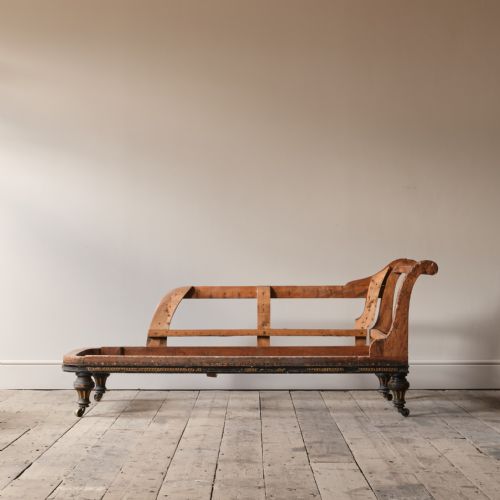
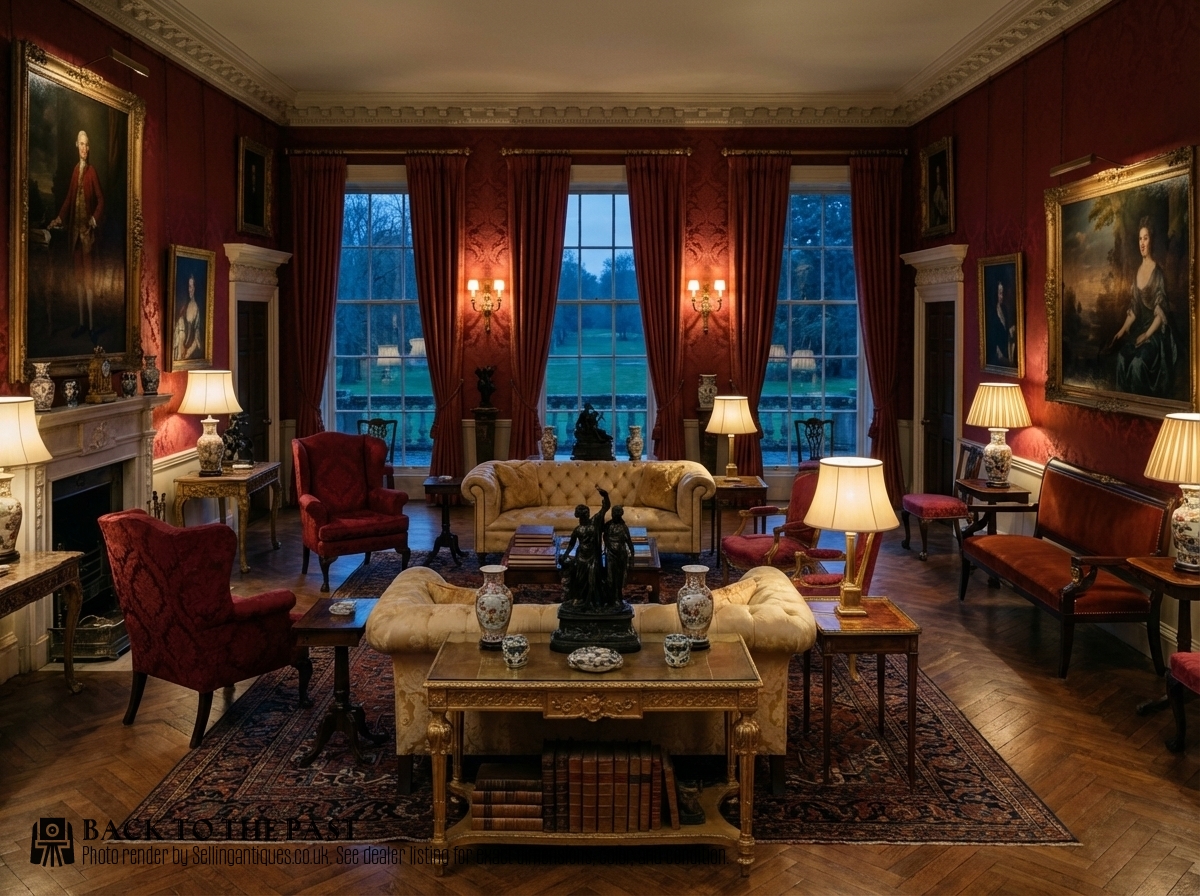
A nineteenth century sofa encompasses timber framed seating spanning the Regency, Victorian, and William IV periods, alongside French Empire and Napoleon III designs. These pieces range from scrolling mahogany settees and button backed leather chesterfields to rosewood chaise longues and carved walnut salon seating.
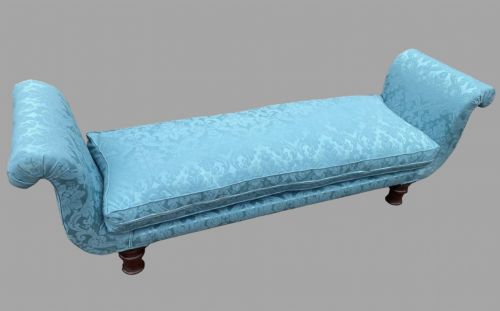
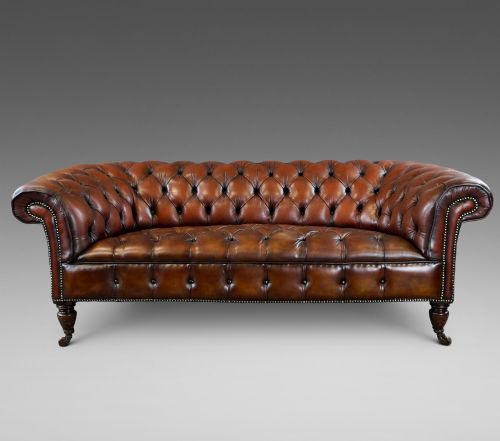
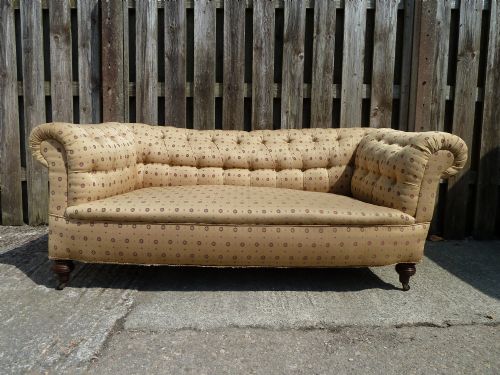
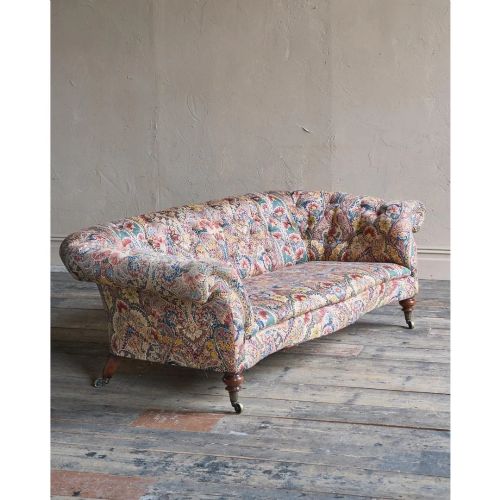
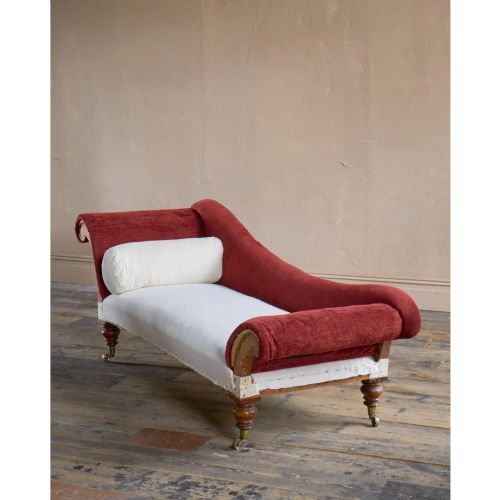
The version most commonly encountered in these listings is the Victorian walnut or mahogany framed sofa, often upholstered in velvet, damask, or leather. Many examples demonstrate scrolling end supports and deep buttoning, alongside country house models prepared for reupholstery.
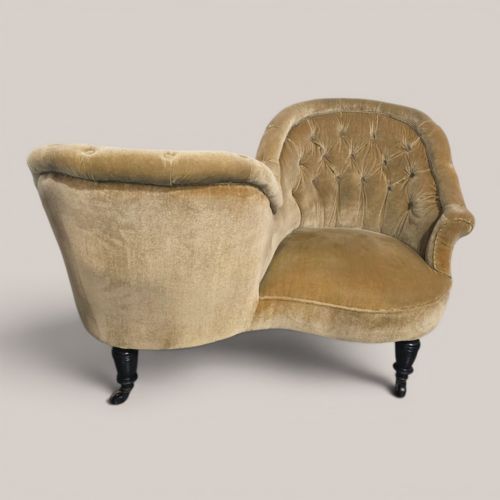
Beyond standard settees, related forms appear frequently under this description, including conversation sofas, tête-à-tête seats, and carved empire styles. Each variant reflects the domestic requirements of nineteenth century reception rooms and drawing rooms.
How they were made
Makers constructed these frames from dense hardwoods such as mahogany, rosewood, walnut, and oak, often incorporating ebonised wood or mahogany veneers with crossbanding. Structural integrity relied on traditional joinery within timber chassis designed to support heavy padding and springing.
Surface ornament utilised brass mounts, ormolu details, and carved woodwork, particularly on scroll ends and cabriole legs. Upholstery techniques combined horsehair stuffing and deep buttoning beneath layers of fabric, velvet, leather, or damask.
The archive records nineteenth century sofas styled in the Regency, Chippendale, and French Empire traditions alongside country house designs.
What varies in quality
The standard of a nineteenth century sofa depends upon the crispness of the timber carving and the selection of figured veneers, such as flame mahogany or rosewood. Superior examples exhibit balanced proportions, refined scrollwork, and intact decorative mounts like ormolu or brass.
Construction methods also separate standard production pieces from workshop items built with heavier timber frames and sophisticated joinery. The condition of the internal webbing and the authenticity of the show wood frame dictate the overall integrity of the piece.
Holland and Sons·Howard and Sons·Johnstone and Jeanes·James Mein Kelso
The Nineteenth Century Sofa Glossary
- Chesterfield
- A deep buttoned upholstered sofa featuring rolled arms of the same height as the back. This form appears frequently in nineteenth century leather and fabric variants.
- Chaise Longue
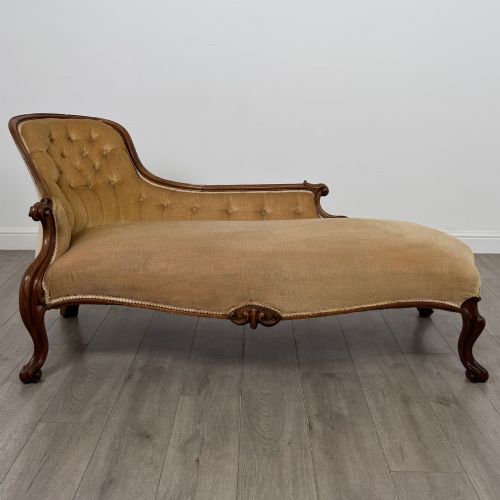
- An upholstered long chair designed for reclining, combining a chair back with an extended seat. Victorian and Regency examples often showcase carved rosewood or mahogany frames.
- Scroll End
- A curved wooden or upholstered arm terminal resembling a scroll. This profile defines many Regency and Victorian sofa designs.
- Ormolu
- Gilded bronze mounts applied as decoration to furniture frames. These decorative elements appear on French Empire style pieces.
- Crossbanding
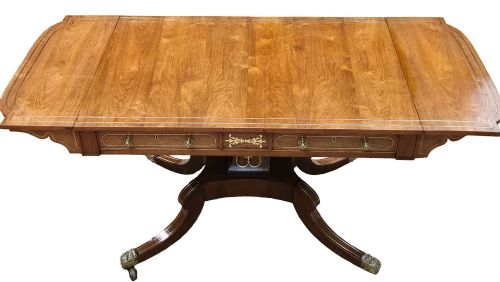
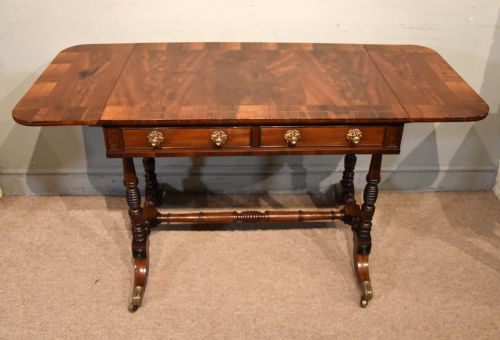
- A strip of veneer applied across the grain of the primary timber to form a decorative border. It frequently frames the tops of tables and structural woodwork associated with seating groups.
Nineteenth Century Sofa: Frequently Asked Questions
What is a nineteenth century chaise longue?
A nineteenth century chaise longue is a form of single-person reclining seat featuring an elongated body and a raised backrest at one end. These pieces served as daybeds in Victorian and Regency drawing rooms.
Frames were constructed from rosewood or mahogany, often resting on carved cabriole legs or scroll feet. They combined functional lounging with the formal decorative standards of the period.
Are leather chesterfields from this period common?
Leather chesterfields from the nineteenth century appear regularly, identifiable by their deep buttoned upholstery and rolled arms. These pieces were built on robust timber frames designed for heavy domestic use.
Over time, the leather develops a natural patina that distinguishes older examples from later reproductions. The combination of brass studwork and hand-stitched leather remains characteristic of these nineteenth century seating pieces.
How should I care for a vintage sofa?
Caring for an antique sofa involves protecting the timber frame from direct sunlight and maintaining stable room humidity. Regular dusting of carved wood surfaces prevents the accumulation of dirt in intricate mouldings.
Leather and fabric upholstery require specialist cleaning methods suited to their specific material type. Avoiding harsh chemical cleaners preserves both the original finish and the underlying textile fibres.