





Vintage French Loveseat
A vintage french loveseat brings intimate seating and classic continental character into a modern sitting room.
Vintage French Loveseat
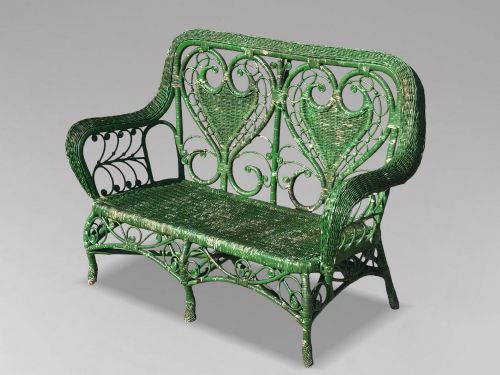
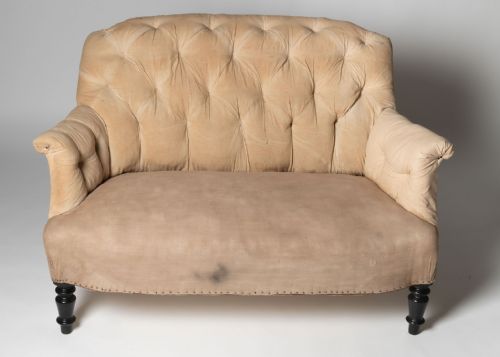
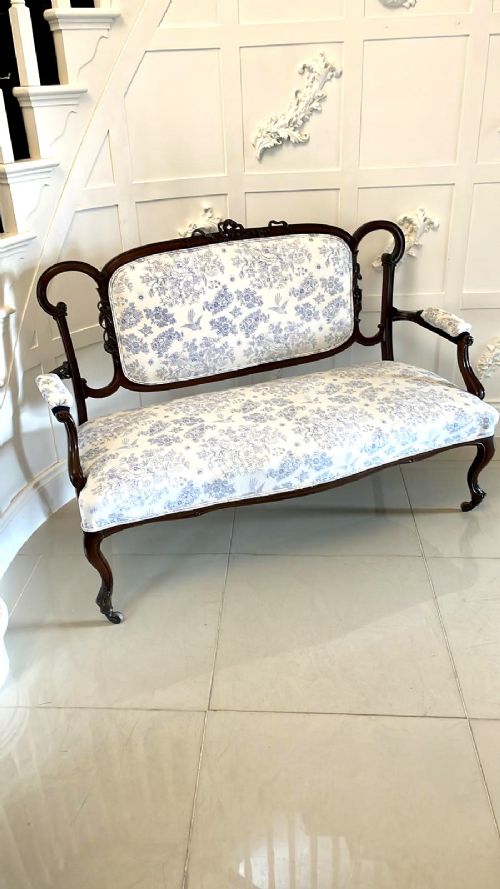
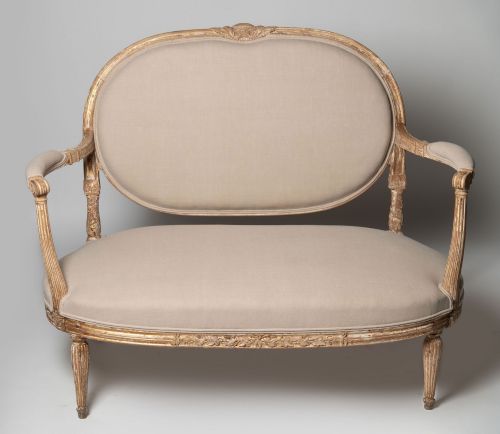
When you search for a vintage french loveseat, you are looking at compact two-seat sofas and settees originating from the nineteenth and early twentieth centuries. The selection on this page centres on pieces from the nineteenth century, nineteen-ten, eighteen-eighty, nineteen-hundred, and nineteen-thirty. These compact seats provide comfortable two-person seating without dominating a smaller room.
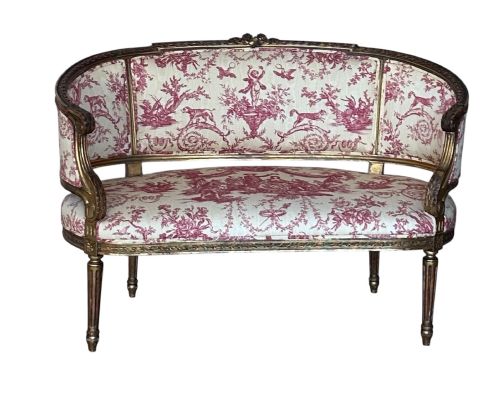
The forms span antique French sofas, canapés, two-seat sofas, and triple-back settees. Styling draws heavily upon historical French design traditions, including Louis XVI, Louis XV style, French chateau, Louis XVI revival, and French rococo. These seating options suit bedrooms, drawing rooms, and hallways equally well.
Most items on this page reflect traditional proportions designed for intimate conversation rather than sprawling relaxation. The smaller scale makes them versatile additions to domestic interiors that require period charm alongside practical dimensions.
What varies in quality
The distinction between standard and superior examples lies in the integrity of the carved wooden frame and the precision of the detailing. Hand-carved giltwood and nuanced painted finishes demonstrate a higher level of artisan skill than simpler, unadorned wooden structures. The crispness of the carving depth directly reflects the workshop standard at the time of creation.
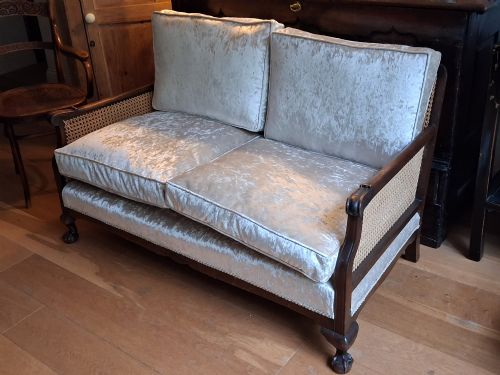
Upholstery materials and the execution of caning panels also differentiate pieces across the range. Original or sympathetic textile choices maintain the aesthetic harmony intended by the maker, whereas unsympathetic modern replacements can obscure the underlying period character.
Vintage French Loveseat Retail Price Guide 2026
Typical asking prices for vintage french loveseat among the pieces listed under this phrase on Sellingantiques today, from the lower quarter to the upper quarter. They describe what is for sale here now, not the wider market.
A triple-back settee c. nineteen-hundred offers three distinct backrest arches so you can share your seat while retaining your own personal throne.
The Vintage French Loveseat Glossary
- Canapé
- A traditional French term for a sofa or settee, usually featuring an upholstered back and seat with exposed wooden framing. These pieces formed part of formal reception rooms in grand houses.
- Giltwood
- Timber treated with a thin layer of gold leaf or gilt preparation to create a luminous, metallic surface finish. This technique highlights carved details on formal seating.
- Louis XV Style
- A design aesthetic characterised by asymmetry, scrolling leaf motifs, and graceful curved lines. It draws inspiration from the mid-eighteenth-century French court.
- Louis XVI Revival
- A later nineteenth-century revival style defined by straight tapered legs, neoclassical symmetry, and rectangular or oval backrests. It reflects a return to classical restraint.
- Triple-back settee
- A larger two-or-three-seat configuration where the backrest is visually divided into three distinct arched sections. This layout provides structured support for multiple sitters.
Vintage French Loveseat: Frequently Asked Questions
What is a French loveseat?
A French loveseat is a compact two-seat sofa or settee designed for intimate seating, typically featuring historic styling such as carved wooden frames and upholstered backs.
These pieces originate from continental design traditions and offer smaller proportions than standard modern sofas.
How do I date a vintage settee?
Dating relies on examining the timber construction, joinery methods, and stylistic cues that align with periods like the nineteenth century or early nineteen-hundreds.
Specific design markers, such as Louis XV curves or Louis XVI straight tapered legs, help narrow down the era of production.
Where should I place a settee?
These compact seats fit well in smaller sitting rooms, at the foot of a bed, or within a hallway to provide decorative and functional seating.
Their restrained scale ensures they do not overwhelm intimate domestic spaces.
What materials are used?
Frames are constructed from woods such as walnut and beech, sometimes finished with paint or giltwood leaf.
Upholstery utilises textiles including cotton, linen, and general fabric, alongside traditional woven caning.