
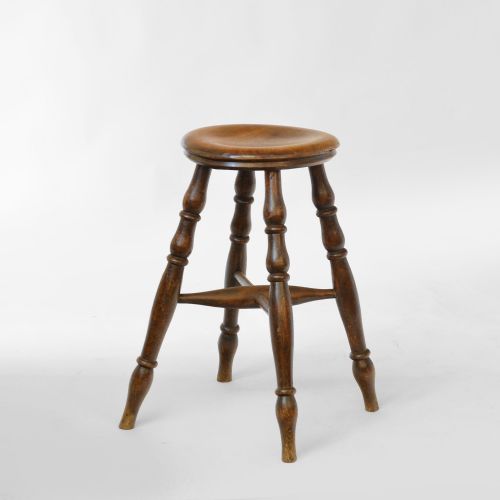
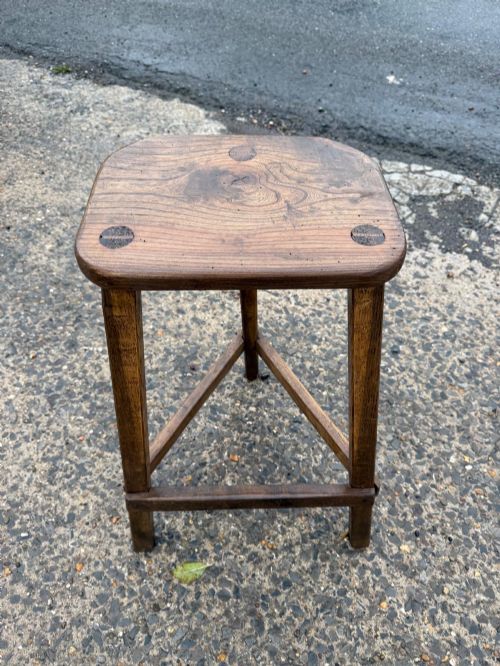
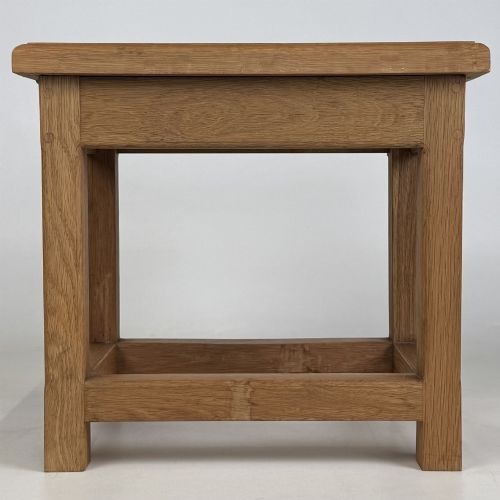
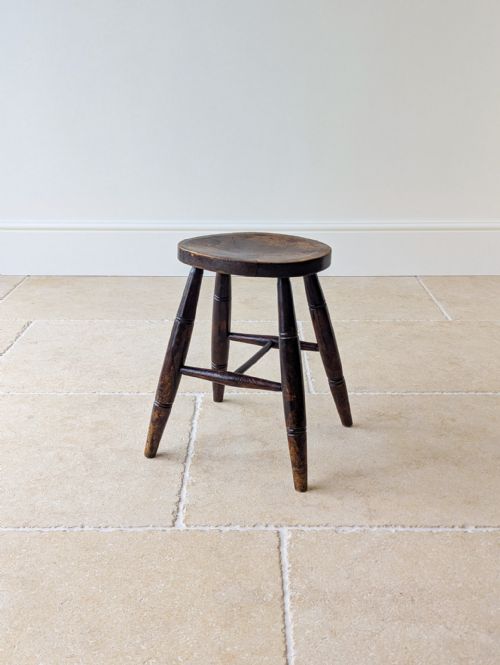
Vintage Rustic Stool
A vintage rustic stool brings honest craft and tactile timber grain to a room, offering practical seating with a grounded history.
Vintage Rustic Stool
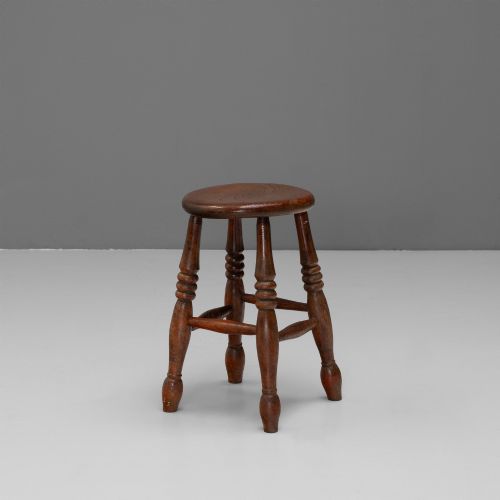
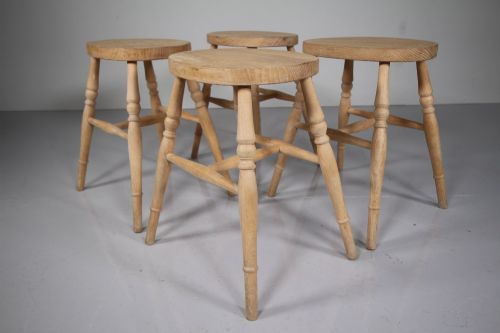
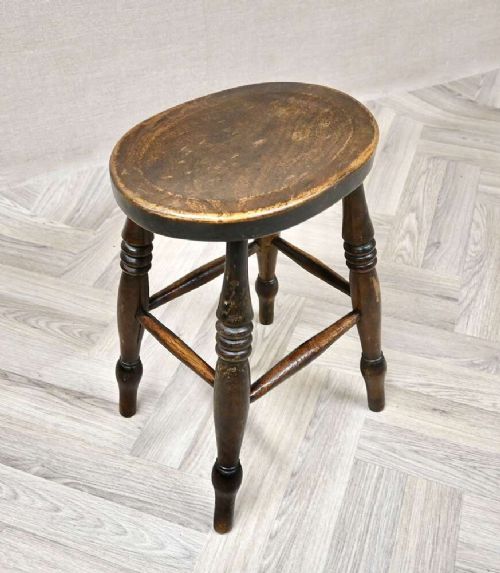
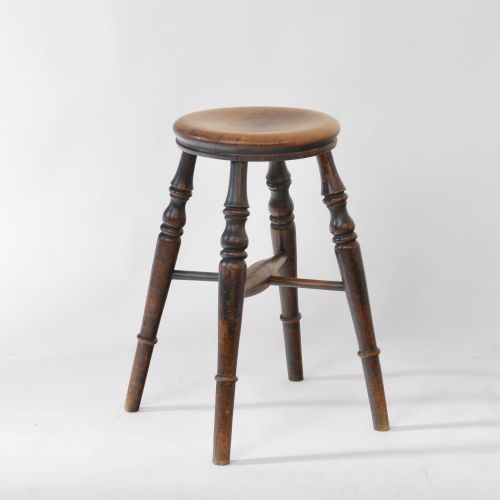
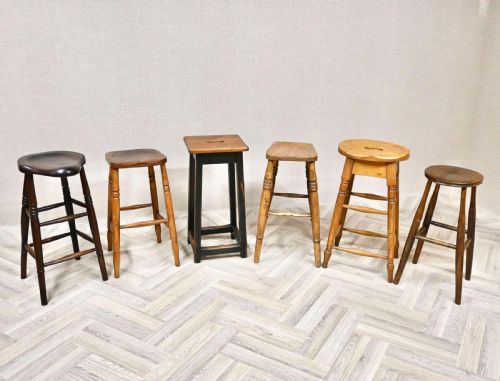
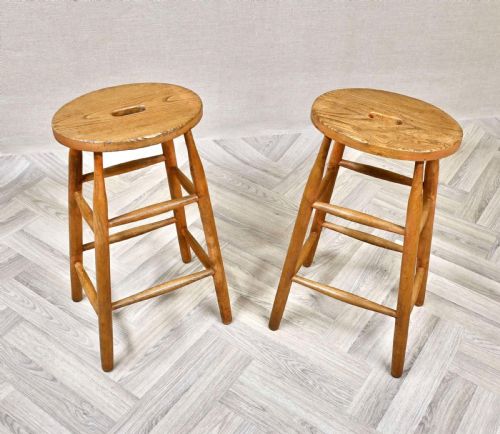
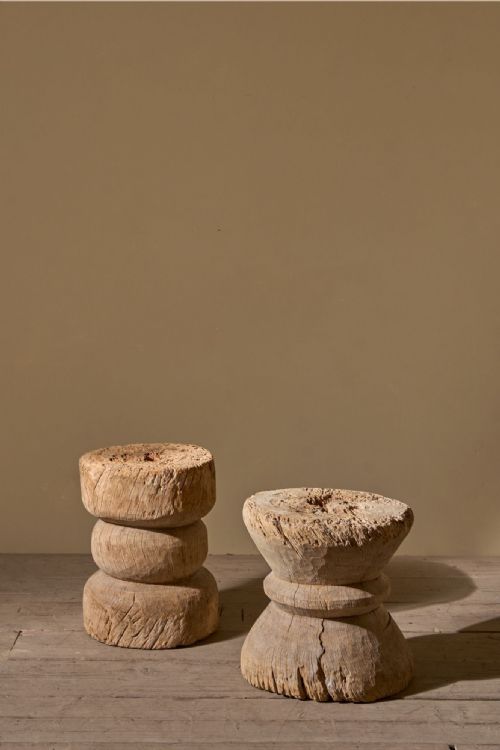
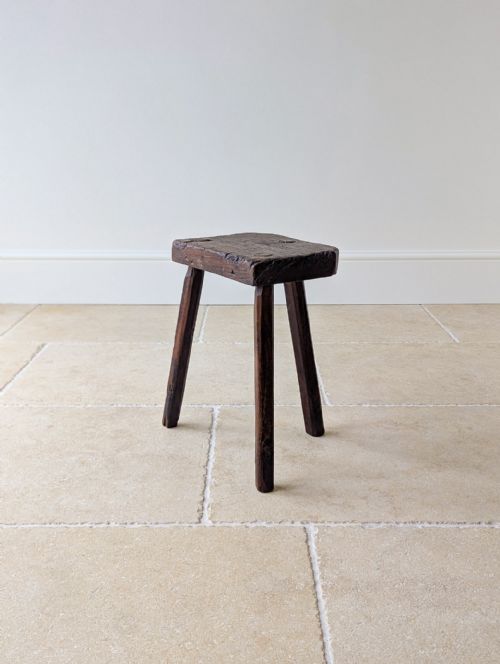
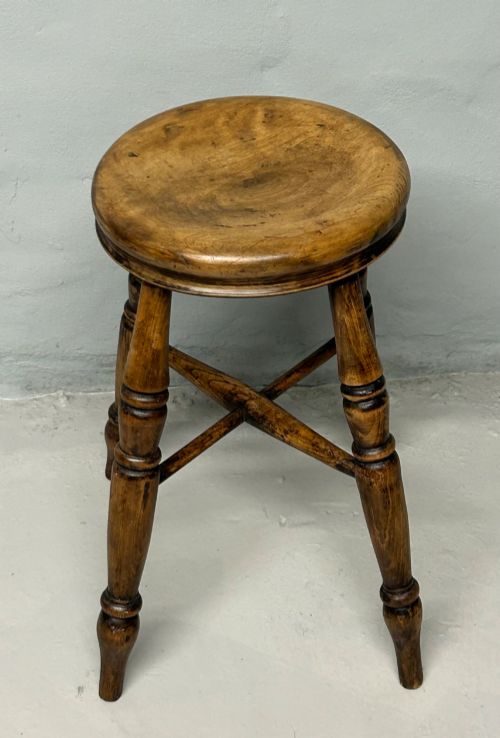
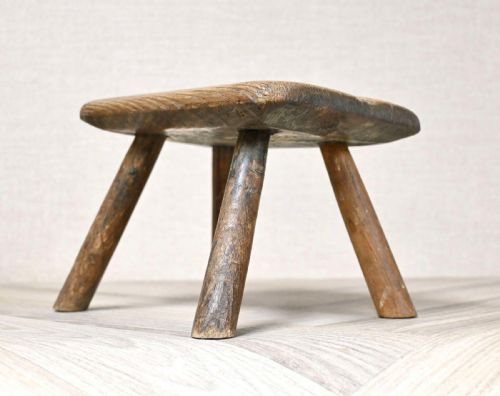
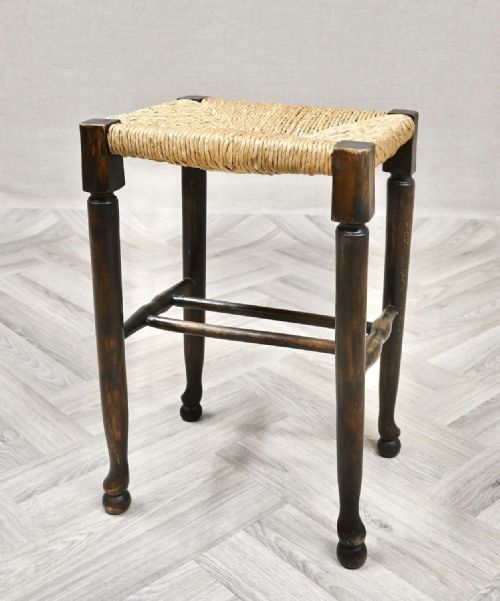
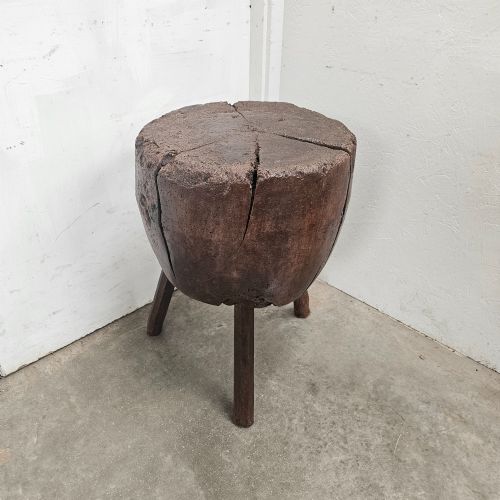
When you search for a vintage rustic stool, you encounter practical vernacular seating shaped by everyday domestic, agricultural and workshop use rather than formal design. The pieces available here span utilitarian forms like milking stools, tavern seating and industrial workshop seats.
Most frequent among them are sturdy wooden examples from the nineteenth century, alongside Edwardian and later twentieth-century interpretations. These range from low hearth seats and primitive three-legged milking stools to tall bar stools and sturdy pub benches.
Makers ranged from village carpenters and rural joiners to industrial workshops producing robust seating for specific trades. Their creations emphasise function, using solid timber built to withstand heavy daily wear.
How they were made
Makers relied on solid hardwoods and softwoods such as oak, elm, pine, beech and sycamore, selecting timbers for strength and availability. Seats were frequently carved from a single thick slab of elm or sycamore, often dished for comfort.
Construction techniques prioritized stability through pegged joints, turned legs and socketed stretchers. Many pieces retain traces of their working life, including original paint surfaces in ochre, yellow, green or red, while others show the bare grain of the wood.
Listings feature timbers including oak, elm, pine, beech, sycamore and burr thuya across nineteenth-century and early twentieth-century periods.
What varies in quality
Quality rests upon the integrity of the timber, the character of the surface wear and the honesty of the construction. Superior examples display thick, well-dished seats with tight, original joints and balanced proportions.
The presence of untouched original paint or rich, patinated bare wood elevates a piece above standard utility items. Subtle details like ball feet, peg construction or unusual single-leg designs distinguish exceptional vernacular work from ordinary workshop output.
The Vintage Rustic Stool Glossary
- Dished seat
- A wooden seat scooped or hollowed out into a shallow basin shape for comfort. This technique was common in traditional Windsor and country stool making.
- Milking stool
- A small, usually three-legged wooden seat designed for agricultural workers handling dairy livestock. Their low profile and simple construction made them stable on uneven farm floors.
- Vernacular furniture
- Domestic and commercial objects made by local craftsmen for everyday use without adherence to high-style academic design. These pieces reflect regional materials and traditions.
- Joint stool
- A sturdy wooden stool constructed with mortise and tenon joints pegged together. They predate widespread chair use and served multiple household purposes.
- Hearth stool
- A low seat positioned near a fireplace for warmth. They often feature simple timber construction suited to domestic interior heat.
Vintage Rustic Stool: Frequently Asked Questions
How do I use a rustic stool at home?
These pieces function well as compact extra seats around a table or beside a hearth. They also serve effectively as small side tables for books or plants.
Their modest footprint allows them to fit easily into tight corners or hallways without crowding the floor space.
What is the difference between pub and milking stools?
Pub stools are generally taller and feature footrests designed for tavern counters and communal tables. Milking stools are low to the ground and built with splayed legs for stability in barns.
Pub versions often show heavier ring-turned stretchers to support regular use by patrons.
How should I clean original painted furniture?
Painted surfaces benefit from gentle dusting with a dry microfibre cloth rather than liquid cleaners. Moisture can lift old paint layers or damage fragile nineteenth-century pigments.
Keeping them away from direct sunlight preserves the original ochre, yellow or green finishes found on many European examples.