

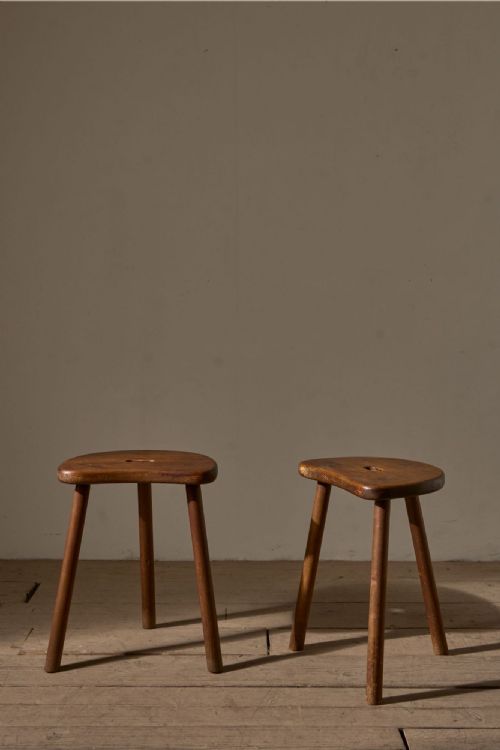


Country Pine Stool
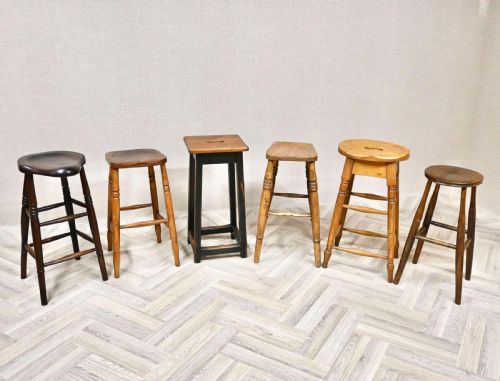
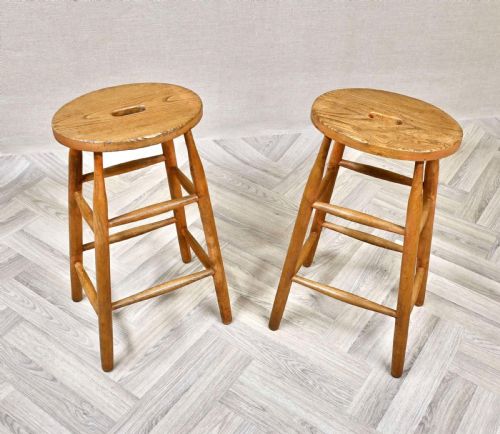
These country pine stool pieces range from tall bar seats to low milking forms, built for utility and everyday domestic life.
Country Pine Stool
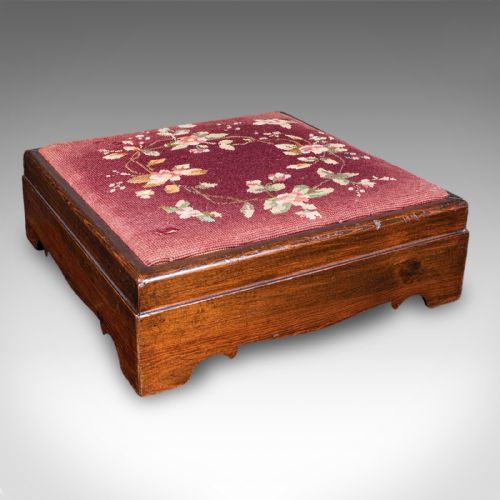
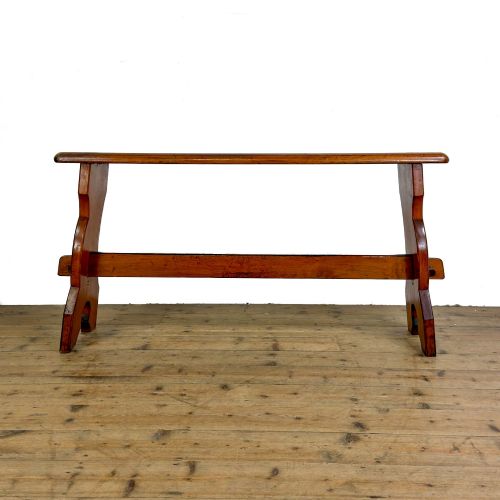
A country pine stool serves as a functional domestic seat, appearing in various heights and formats across the inventory. Buyers encounter everyday forms ranging from tall bar stools and fireside footstools to low milking stools and library steps.
The materials span primarily pine, pitch pine, elm, and oak, often shaped in rustic country, Victorian, and vernacular traditions. Origins stretch across English, French, and Eastern European workshops from the nineteenth century onward.
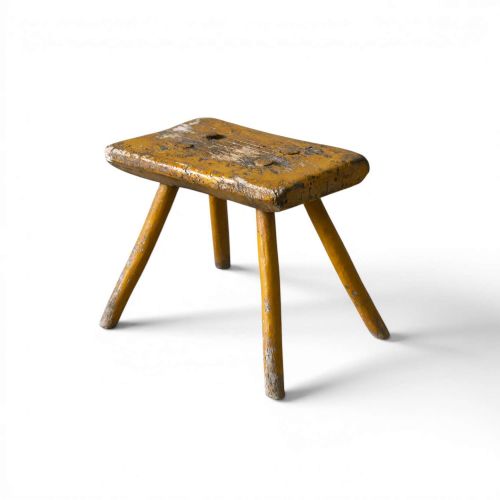
Most examples lean towards simple utility rather than formal display, reflecting vernacular traditions where timber and paint answered immediate household needs. The selection frequently includes variants with original paint surfaces alongside plain timber finishes.
Materials and construction methods
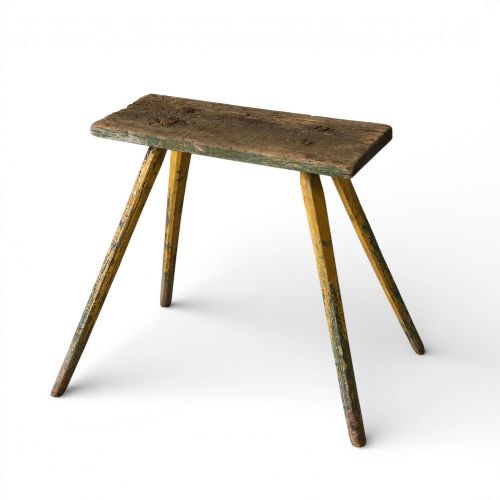
Makers utilised solid pine, pitch pine, elm, oak, and beech, selecting timber based on local availability and the structural demands of the seat. Surfaces often retain original ochre or green paint, or remain as bare timber showing the natural grain.
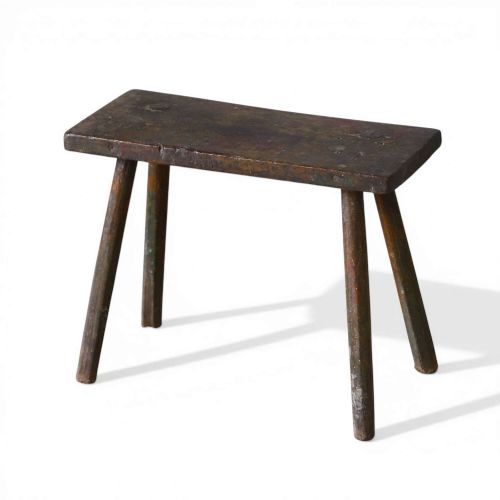
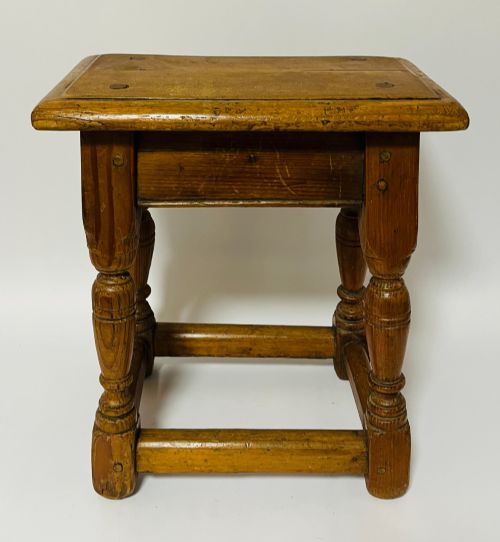
Construction relies on traditional vernacular techniques, visible in scratch-built benches, joint stools, and pegged joints. The joining of planks and legs follows straightforward utilitarian principles without elaborate ornamentation.
Listings feature nineteen-century dates alongside pieces from 1850, 1880, 1890, 1900, 1910, 1930, and an earlier example from 1700.
Factors determining quality
Quality rests in the integrity of the original timber and the honesty of the construction, distinguishing robust vernacular work from later reproductions. The presence of untouched original paint surfaces elevates a piece beyond stripped timber.
Proportion and stance dictate the visual success of the object, separating balanced, purposeful seating from awkward proportions. Surviving surface wear and patination earned through decades of domestic use contribute directly to the character of the piece.
The Country Pine Stool Glossary
- Milking stool
- A low, three-legged or four-legged seat traditionally used by agricultural workers during milking. These pieces often feature simple peg-joined legs and a small wooden top.
- Vernacular
- Objects designed and built by local tradespeople or households using regional materials and traditional methods, rather than following high-style academic designs. This term describes unpretentious domestic furniture made for practical service.
- Pitch pine
- A dense, resinous variety of pine known for its durability and prominent grain pattern. It appears frequently in nineteenth-century utilitarian seating and footstools.
- Joint stool
- A sturdy wooden seat constructed with mortise and tenon joints held together by wooden pegs. These frames provide exceptional stability for heavy domestic use.
- Patina
- The surface texture, colour depth, and wear accumulated by timber and paint over generations of handling. A good surface shows genuine age rather than artificial distressing.
Country Pine Stool: Frequently Asked Questions
Are these stools sturdy enough for daily seating?
Most pieces were built for rigorous daily service in kitchens, farmhouses, and workshops, meaning solid construction remains a defining trait of the inventory. Traditional joinery ensures these seats handle regular use just as they did in the nineteenth century.
Buyers should inspect the leg joints and stretcher stability to confirm the structure holds firm under weight. Regular placement on even floors prevents undue stress on individual legs.
How do I care for original painted surfaces?
Original paint requires gentle cleaning with a dry or barely damp cloth, avoiding chemical solvents that might lift the historical pigment. Preserving the dry, matte finish protects the authentic character of the piece.
Keep painted stools away from direct sunlight and excessive moisture to prevent flaking or fading of the colour. Wax polishes are generally unnecessary on painted surfaces and should be used only on bare timber.
What is the difference between a milking stool and a footstool?
Milking stools traditionally stand higher on three splayed legs to provide stability on uneven farm floors while the user sat close to an animal. Footstools are lower, broader platforms designed to elevate feet near a hearth or armchair.
Proportions vary significantly between the two, with milking stools prioritising a compact, portable top and footstools offering a wider resting area. Upholstered elements appear more frequently on fireside footstools than on dairy seating.
Where were these pieces originally made?
The inventory includes items sourced from English, French, and Eastern European domestic contexts, reflecting regional workshop traditions. Vernacular furniture makers relied on local timber supplies and immediate household demands.
French pieces often display distinct scratch-built construction or provincial paint colours like ochre and green. English and Scottish workshops favoured sturdy pine and oak forms suited to rural kitchens and cottages.