

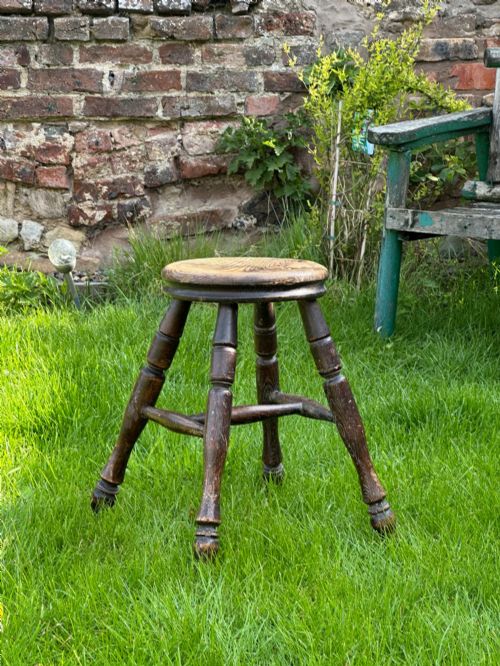


19th Century Hearth Stool
A 19th century hearth stool brings grounded utility and character to a fireside, offering solid timber frames and period upholstery.
19th Century Hearth Stool
A 19th century hearth stool is a low seating piece designed for use by an open fire, taking forms from simple vernacular seating to ornate parlour footstools. These items serve both practical and decorative roles in a room, offering a low platform to sit or rest feet near the warmth.
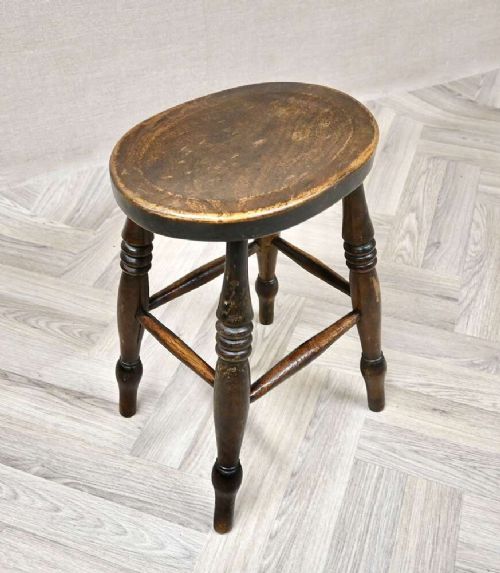
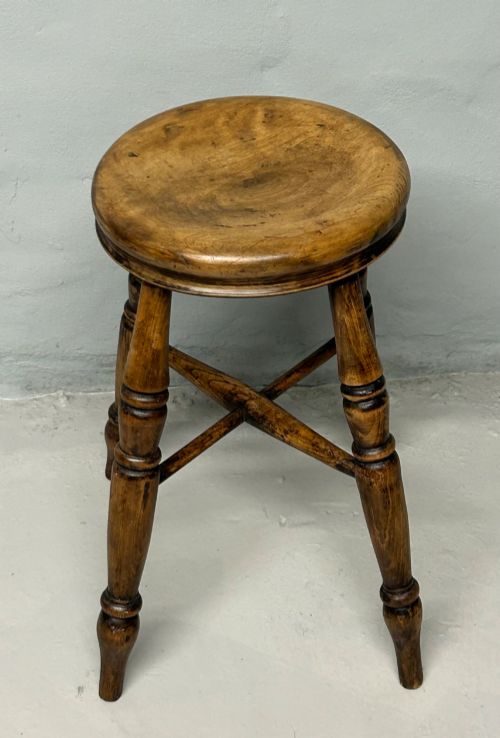
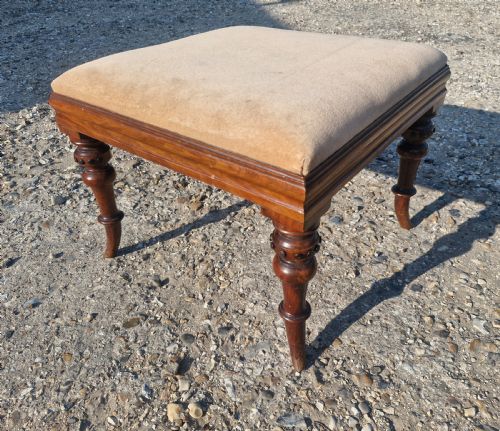
Buyers meet a varied selection on this page, ranging from rustic country examples in elm and beech to polished Victorian walnut and mahogany designs. Regional variations such as Scottish folk art pieces also appear, alongside revival styles including Gothic and Rococo.
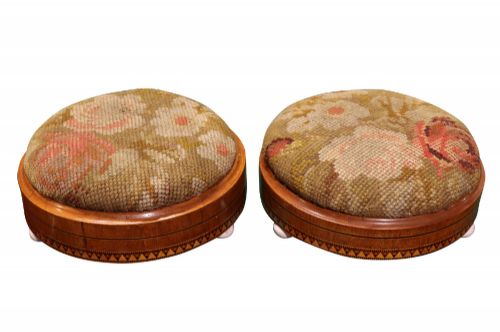
The predominant origins span the nineteenth century, encompassing Regency elegance and heavy Victorian craftsmanship. Forms include oval, circular, and long low benches, often retaining original needlepoint or pokerwork decoration.
How they were made
Cabinetmakers and country joiners utilised timber such as elm, oak, mahogany, walnut, pine, and beech for the rigid frames and legs of these low seats. Hardwoods provided structural strength for frequent use, while softer woods served for internal framing or simpler provincial builds.
Upholstery forms an integral part of the construction, utilising materials like wool and needlepoint to cover padded surfaces. Traditional joinery techniques secure the wooden components, ensuring stability under heavy use by the hearth.
Listings feature 19th century timbers including elm, oak, mahogany, walnut, pine, and beech across various regional styles.
What varies in quality
The refinement of the timber and the sophistication of the carving distinguish finer pieces from plain country vernacular examples. Walnut and mahogany framing with intricate inlay or pokerwork indicates a higher status than basic elm or pine construction.
The integrity of the original upholstery and needlework affects the character of the piece, as well as the skill evident in sabre legs, carved details, or revival styling. Regional folk art pieces derive their appeal from distinct local craftsmanship rather than formal workshop polish.
The 19th Century Hearth Stool Glossary
- Hearth stool
- A low seat designed specifically to sit beside an open fireplace. These items provide convenient seating close to the warmth of the fire.
- Vernacular
- Everyday objects made by local tradesmen using regional traditions rather than high-style metropolitan designs. This approach prioritises local materials and functional utility.
- Pokerwork
- A decorative technique using heated metal tools to burn designs into wood. Scottish pieces sometimes employ this method to incorporate traditional mottos.
- Sabre leg
- A concave sweeping leg shape typical of the Regency period. This profile tapers towards the foot and adds structural elegance to seating.
19th Century Hearth Stool: Frequently Asked Questions
What is a 19th century hearth stool used for?
These low seats were originally positioned close to open fires for warmth and convenience.
Today, they function as decorative footstools or low occasional seating in living spaces.
How do I identify a Regency hearth stool?
Regency examples often feature characteristic sabre legs and refined mahogany timbers.
They display classical restraint compared to the heavier ornamentation found in later Victorian revival pieces.
What woods were used for country stools?
Country makers relied on locally available timber such as elm, beech, oak, and pine.
These sturdy woods provided reliable durability for everyday domestic use without relying on expensive imported hardwoods.
How do I live with antique upholstery?
Original needlepoint and wool fabrics require gentle care and protection from direct sunlight to preserve the fibres.
Many pieces retain their historic textile character, adding authentic texture to a traditional interior scheme.