
Antique Footstools
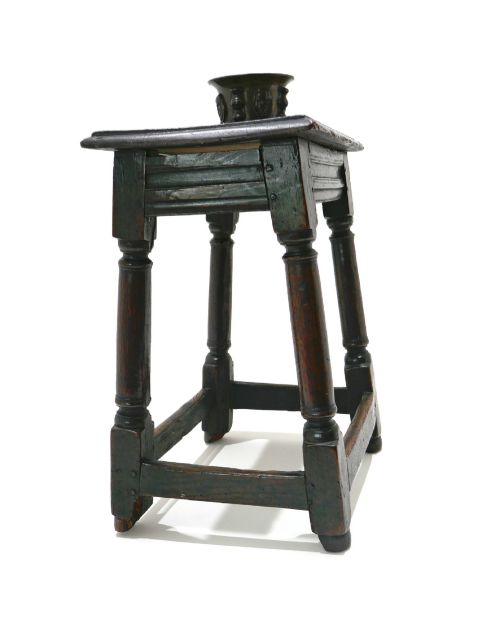
These antique footstools range from sturdy seventeenth century joint timbers to buttoned leather frames, offering domestic support and low seating.
Antique Footstools
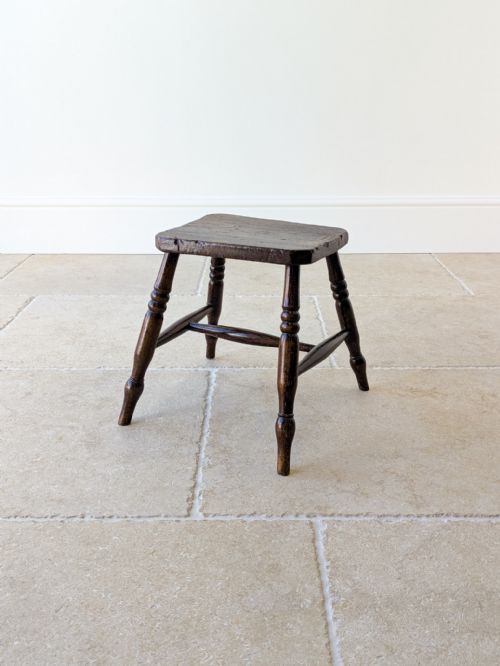
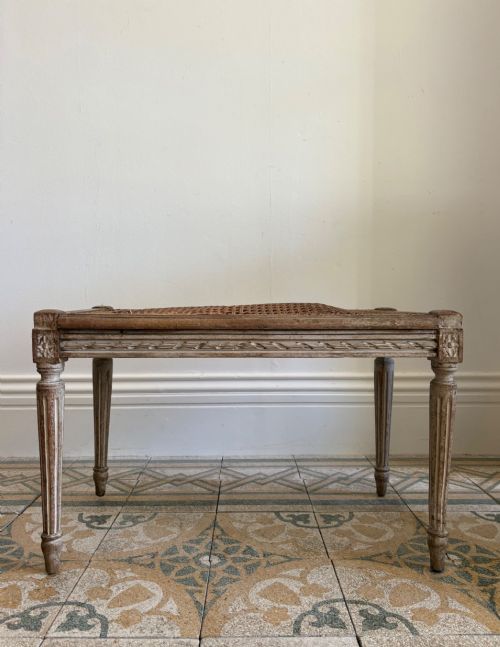
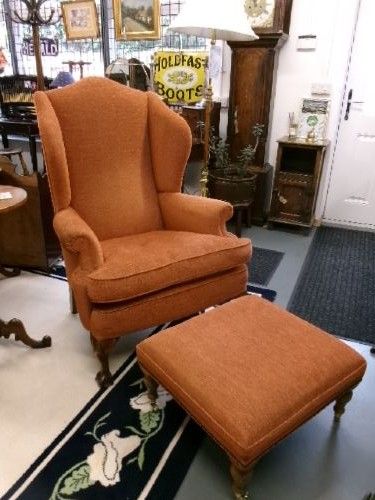
When you search for antique footstools, you meet a wide sweep of domestic seating spanning several centuries. The selection includes simple country joint stools alongside elaborate rosewood and walnut ottomans from the nineteenth century.
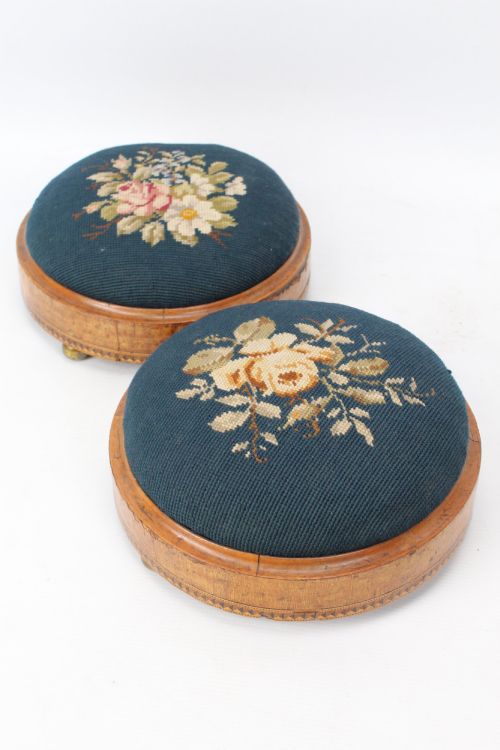
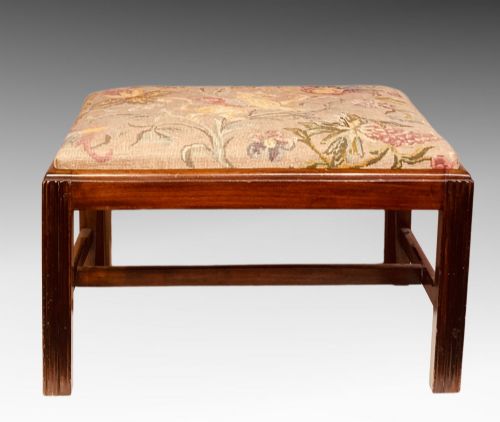
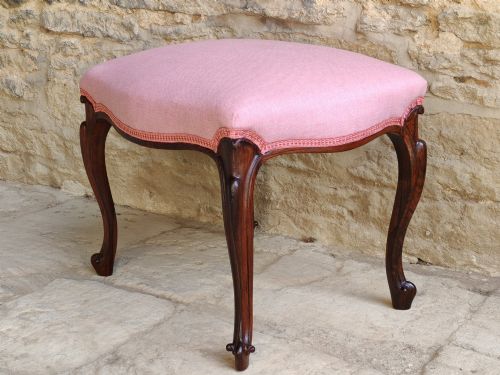
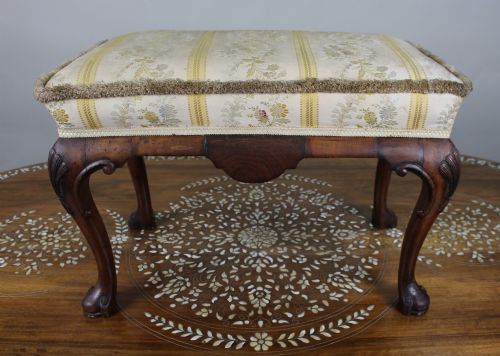
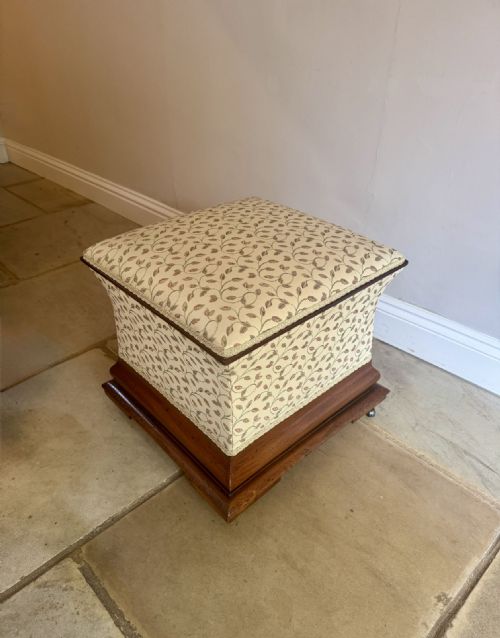
Victorian examples dominate the available forms, often featuring carved rosewood or mahogany frames paired with needlepoint or upholstered tops. Earlier pieces from the eighteenth and seventeenth centuries appear as solid oak or walnut creations.
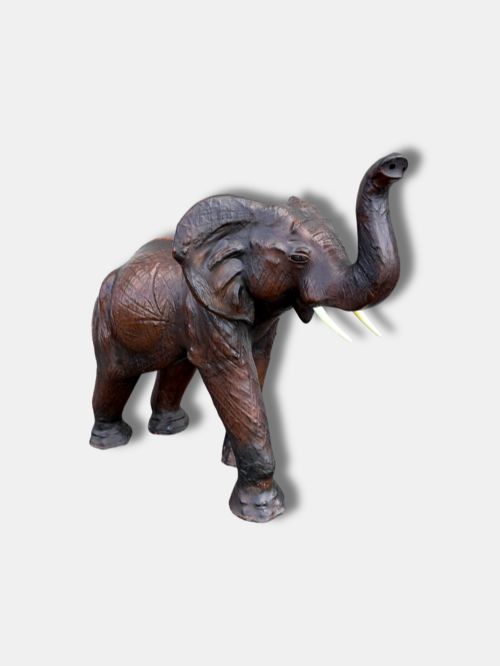
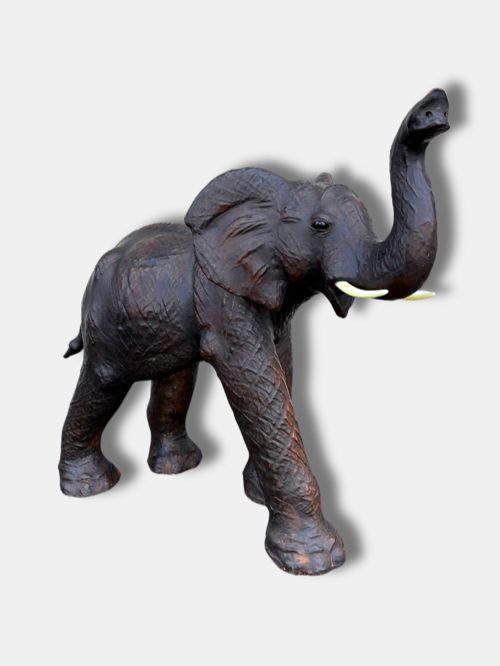
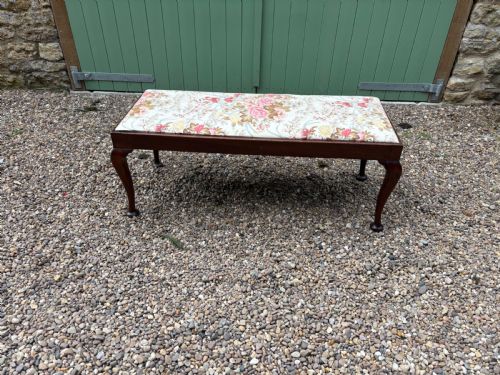
Specialist variants such as mahogany gout stools, carriage rests, and leather elephant forms made for Liberty appear among the standard footstools and dressing benches.
Materials and construction
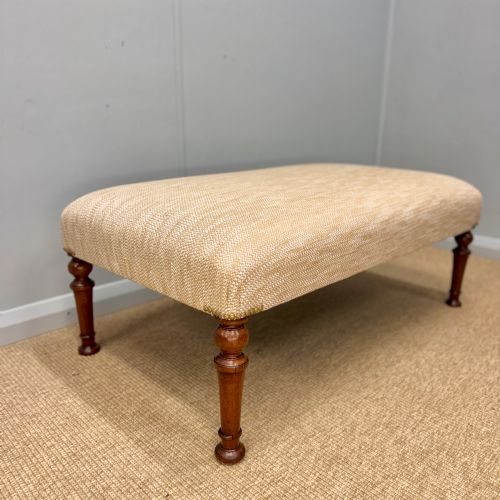
Cabinetmakers utilised dense hardwoods including mahogany, walnut, rosewood, and oak to build sturdy frames that endured daily use. Turned or carved legs support upholstered pads covered in leather, textile, crewelwork, and needlepoint.
Traditional joinery methods such as mortise and tenon secure early joint stools, whilst later Victorian pieces employ detailed carving and decorative giltwood or Tunbridge Ware inlay.
Elephants make an unexpected appearance as large leather footstools produced for Liberty during the 1930s.
Craftsmanship and condition
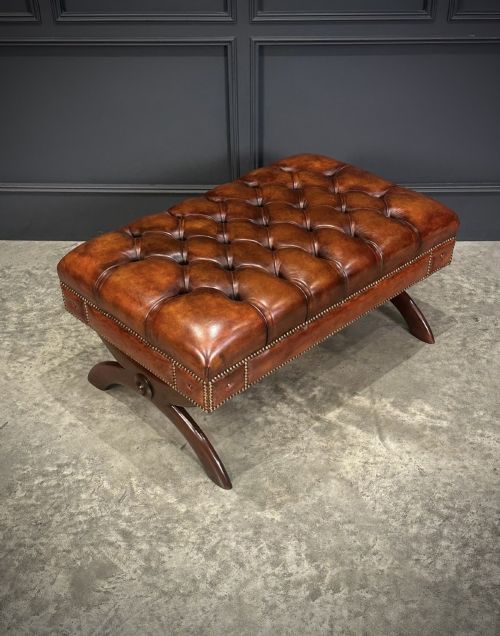
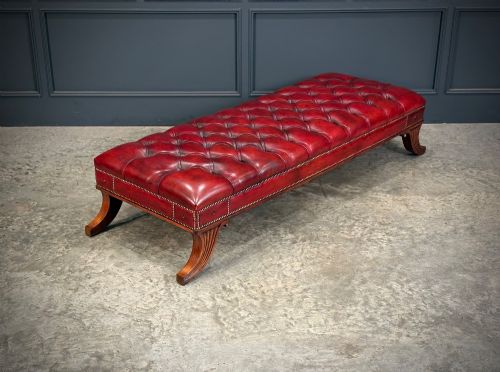
The distinction between ordinary and exceptional pieces rests upon the crispness of the timber carving and the integrity of the underlying frame. Heavy rosewood and walnut structures with original needlepoint or buttoned leather hold greater distinction than plain replacement upholstery.
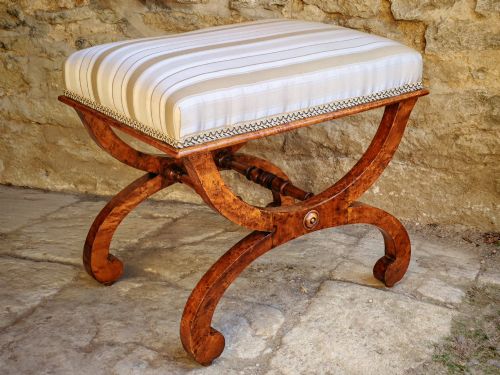
Proportion and timber selection drive the character of each piece, where burr maple or figured mahogany indicate more ambitious workshop production.
Liberty
The Antique Footstools Glossary
- Joint stool
- An early wooden stool constructed with mortise and tenon joints rather than turned legs. These sturdy seats date back to the seventeenth century.
- Gout stool
- An adjustable footrest designed to elevate and support a foot afflicted with gout. They frequently appear in nineteenth century mahogany.
- Tunbridge Ware
- Small wooden objects decorated with intricate mosaic patterns made from tiny segments of naturally coloured wood. This technique appears on nineteenth century needlepoint stools.
- Ottoman
- A low upholstered seat or footstool lacking arms or a back. Large Victorian versions often feature deep buttoned leather or textile covers.
Antique Footstools: Frequently Asked Questions
What is a joint stool?
A joint stool is an early wooden seat built with pegged mortise and tenon joints rather than turned legs. These pieces date primarily to the seventeenth century and served practical household roles.
Their sturdy construction allowed them to double as small side tables or stands when necessary.
How do I identify a Victorian footstool?
Victorian footstools typically feature dark hardwoods like rosewood, walnut, or mahogany paired with elaborate needlepoint, crewelwork, or buttoned leather upholstery. Carved cabriole legs and scrollwork are common characteristics of this era.
Later nineteenth century examples often match larger drawing room salon suites.
Were footstools used for medical purposes?
Certain specialised forms, such as the nineteenth century gout stool, were designed specifically to support and elevate limbs. These items often include adjustable mechanisms to alter the angle of the rest.
Standard fireside footstools served more general comfort needs by keeping feet away from cold draughty floors.
How do I care for leather upholstery?
Leather footstools require gentle cleaning with a soft cloth and occasional treatment with appropriate conditioning balm to prevent drying. Avoiding direct sunlight helps preserve the colour and suppleness of antique hides.
Regular dusting keeps debris out of deep buttoned folds and crevices.