

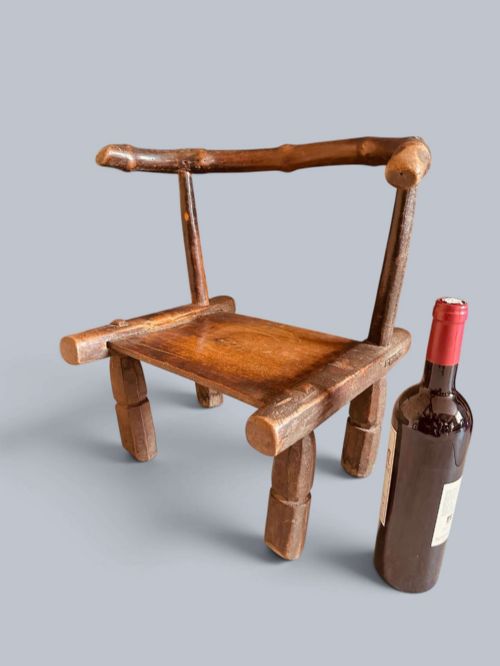
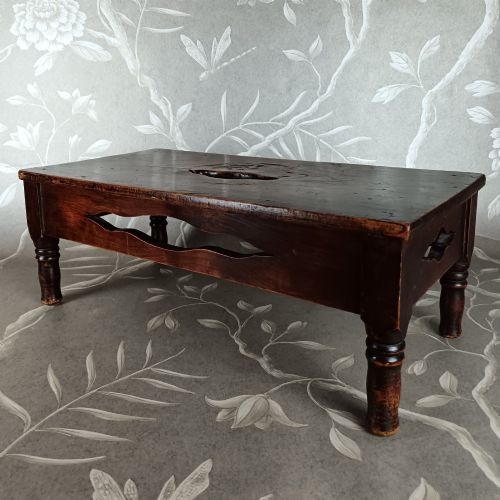
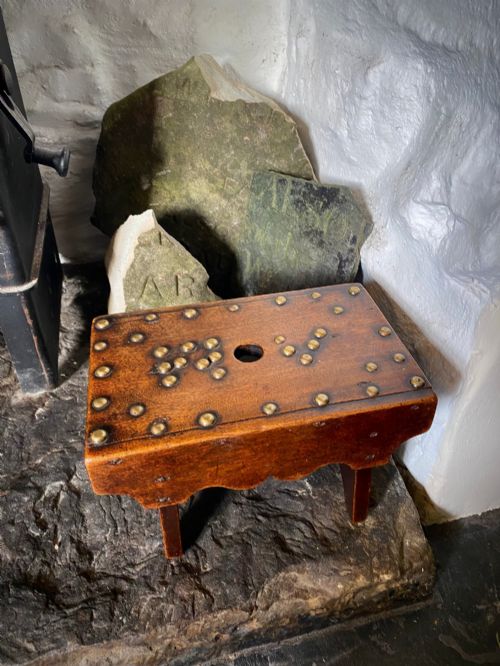
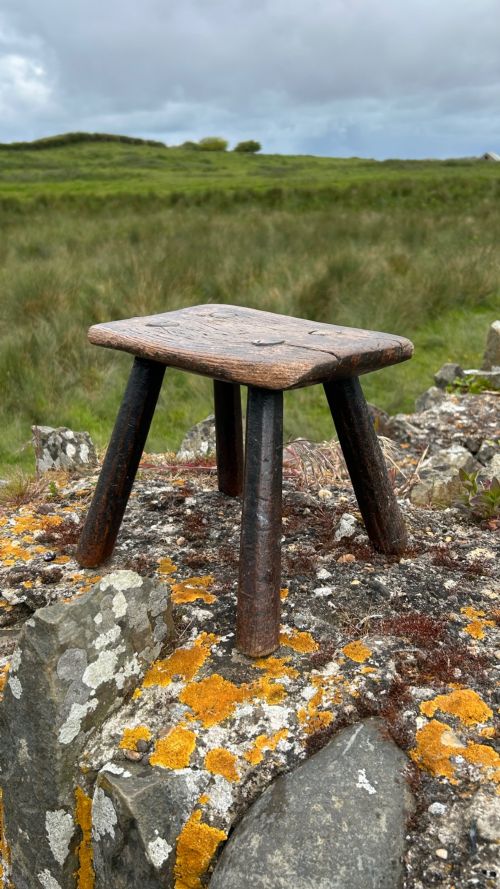
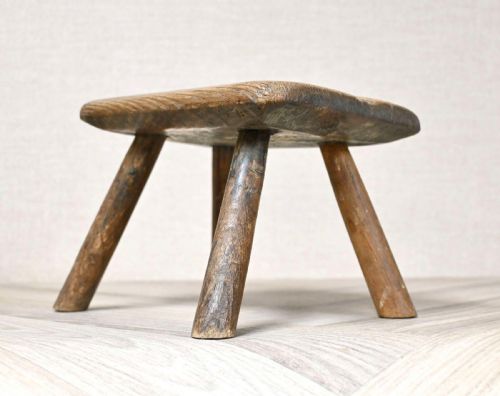
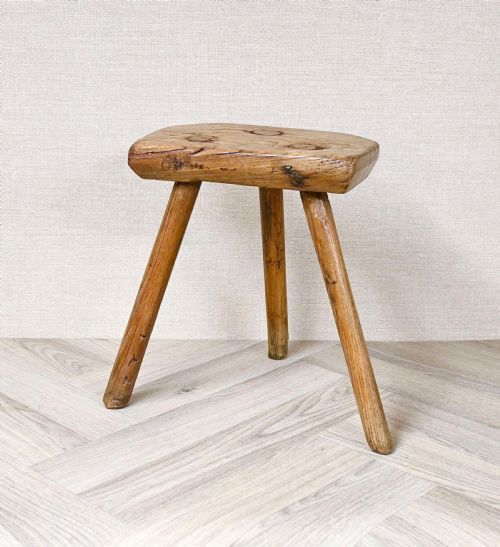
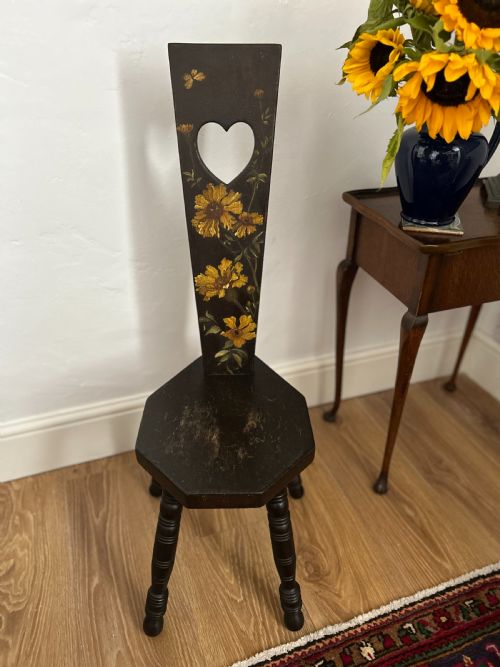


Carved Timber Country Stool
These carved timber country stool pieces offer direct utility and vernacular charm, forged from solid woods to suit the honest demands of daily life.
Carved Timber Country Stool
A carved timber country stool encompasses utilitarian seating and low footrests shaped by regional makers across the centuries. The selection here brings together examples spanning the seventeenth century through to nineteen hundred, showing the enduring appeal of rustic forms.
Buyers will encounter various incarnations, from primitive milking stools and early hearth designs to small children's chairs and turned wood variations. These pieces often display simple construction methods suited to farmhouses, cottages, and domestic workspaces.
Origin details reveal diverse vernacular traditions, including Italian folk art, Welsh pieces, and Swedish painted items. The focus remains on functional timber objects that carry the marks of their rural makers.
Materials and construction methods
Makers utilised solid hardwoods such as oak, mahogany, and general timber, selecting local resources to build sturdy domestic items. Surfaces frequently display the natural grain of the wood, while some examples retain original paint or decorative brass studs.
Construction relies on straightforward carpentry techniques, visible in boarded trestle forms, turned legs, and natural tree trunk sections. Carving is typically direct and functional, seen in apotropaic marks or simple decorative incisions.
Carved Timber Country Stool Retail Price Guide 2026
Typical asking prices for carved timber country stool among the pieces listed under this phrase on Sellingantiques today, from the lower quarter to the upper quarter. They describe what is for sale here now, not the wider market.
Listings span from the 17th century through to 1900, incorporating oak, mahogany, paint, and brass.
Distinctions in quality and character
Quality rests in the integrity of the timber, the honesty of the construction, and the preservation of original surfaces. Pieces that retain their early patination and untouched structural honesty stand apart from heavily restored or later altered examples.
The sophistication of the vernacular carving and the clarity of regional style determine the distinction between everyday utility and exceptional folk art. Items bearing specific historical evidence, such as inscribed initials or Marian marks, carry greater narrative depth.
The Carved Timber Country Stool Glossary
- Apotropaic mark
- A carved symbol intended to ward off evil spirits, often found on early hearth furniture to protect the household.
- Trestle form
- A structural arrangement where the top is supported by board ends or frames rather than four distinct legs.
- Vernacular
- Everyday objects built by regional craftsmen following local traditions rather than high-style academic designs.
- Milking stool
- A low, stable seat traditionally used by agricultural workers during daily milking routines.
- Solid wood
- Construction utilising unveneered timber throughout the main body of the object.
Carved Timber Country Stool: Frequently Asked Questions
How were these stools used originally?
These pieces served practical roles beside the hearth, in dairy operations, and throughout rural homes for daily tasks.
Their low profiles and sturdy builds made them portable and reliable seats for various domestic and agricultural chores.
How do I care for antique timber stools?
Keep the wood away from direct heat sources and sudden humidity changes to prevent timber splitting.
Apply a traditional wax polish occasionally to nourish the dry surface and maintain the natural patina.
What defines primitive country style?
Primitive country pieces reflect basic carpentry skills focused purely on utility rather than decorative refinement.
They exhibit simple shapes, thick timber sections, and minimal ornamentation dictated by the maker's available tools.
How can I tell the period of a stool?
Dating relies on observing tool marks, timber species, construction joints, and the natural wear of the surface over time.
Early pieces from the seventeenth century often show boarded trestle work, while later nineteenth-century examples display more varied turning techniques.