



Folk Art Child Chair
These folk art child chair examples bring the unpretentious hand of the regional maker straight into your sitting room.
Folk Art Child Chair
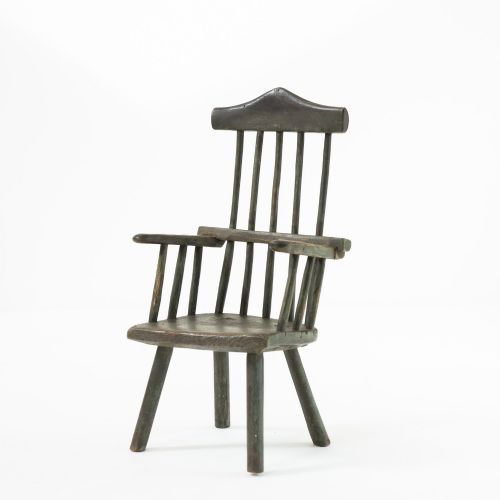
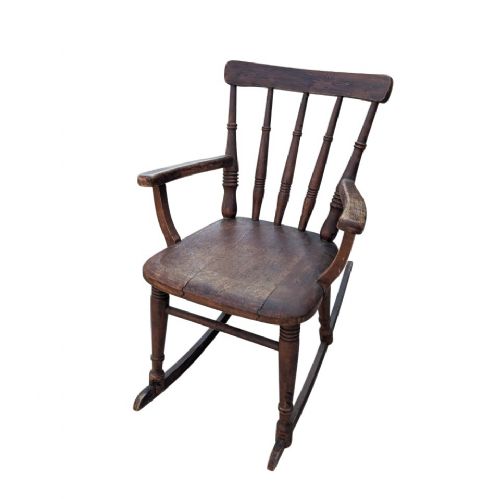
When you search for a folk art child chair, you encounter small-scale seating produced by provincial makers across Europe during the eighteenth, nineteenth, and early twentieth centuries. These pieces encompass domestic utility items such as stick-back armchairs, rockers, highchairs, and low stools shaped for the nursery.
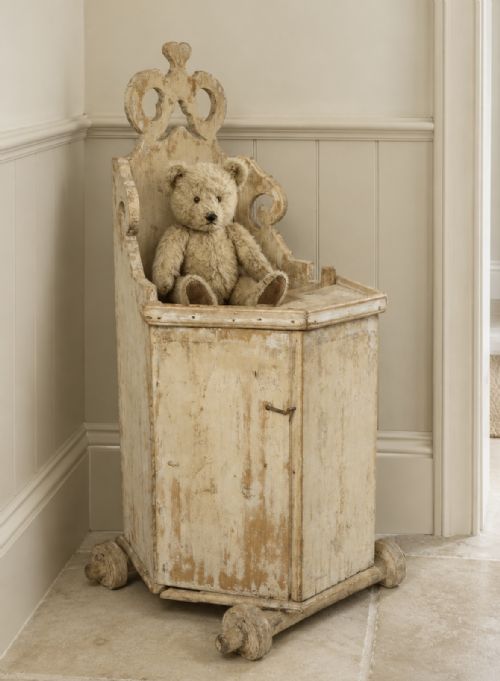
The specimens meeting you on this page lean heavily towards primitive vernacular styles, including Scandinavian country models, Welsh hoop-back chairs, and pieces bearing the distinct painted ornamentation associated with Dutch folk art traditions.
Makers fashioned these utilitarian objects from whatever local timber came to hand, resulting in robust domestic seating intended for daily use rather than formal display.
Materials and construction
Country joiners and village carpenters utilised accessible domestic timbers such as pine, oak, elm, birch, and mixed hardwoods to build these sturdy seats. Construction methods relied upon straightforward carpentry techniques like pegged joints and shaved spindles fitted into solid plank seats.
Surface treatment forms a defining characteristic of many examples, with makers applying layers of paint, often in traditional pigments, or leaving timber surfaces to weather naturally over decades of use.
Folk Art Child Chair Retail Price Guide 2026
Typical asking prices for folk art child chair among the pieces listed under this phrase on Sellingantiques today, from the lower quarter to the upper quarter. They describe what is for sale here now, not the wider market.
Geographical origins represented include Swedish, Dutch, Welsh, and broader continental European folk art traditions.
Judging quality in provincial seating
Quality in a folk art child chair rests upon the harmony of its proportions and the integrity of its rustic construction. A successful piece maintains balanced lines even when shaped by a self-taught maker working far from urban workshops.
The character of the surface patination distinguishes superior examples, where centuries of handling and original or early layered paint create depth. Heavy restoration or unsympathetic cleaning diminishes the visual honesty that collectors value in primitive vernacular furnishings.
The Folk Art Child Chair Glossary
- Stick back
- A chair construction method where turned or shaved spindles are inserted directly into holes bored through the solid seat slab. This method provided a strong, lightweight frame using minimal materials.
- Vernacular
- Architecture or furniture built by local craftsmen using traditional methods and regional materials to meet everyday needs, free from academic architectural training or metropolitan fashion.
- Spindle back
- A seating form featuring vertical wooden rods forming the backrest, often turned on a lathe or whittled by hand. These provide flexible support while keeping the chair light.
- High chair
- An elevated child seating form designed to bring an infant level with adults at the dining table. Earlier country versions often incorporated enclosed safety trays or footrests.
- Patina
- The surface texture and colour developed over years of handling, polishing, and natural ageing. It serves as a visual indicator of a piece's age and history.
Folk Art Child Chair: Frequently Asked Questions
Are these chairs safe for children?
These historical items are primarily intended for decorative display, collection, or study rather than active daily use by modern children. Their centuries-old joints and aged timbers may not meet contemporary safety standards.
Collectors generally place them as focal points in a room, styling them alongside other period vernacular objects or artwork.
How do I date a primitive child chair?
Dating relies on observing tool marks, timber species, construction methods, and the style of wear across the piece. Hand-split boards, early forged iron nails, and original painted surfaces offer strong chronological clues.
Comparing the form to documented regional vernacular types helps narrow the period of origin.
How should I care for painted primitive furniture?
Maintain painted surfaces by keeping them away from direct sunlight and fluctuating humidity levels to prevent timber movement and paint flaking. Dust gently with a dry, soft cloth rather than using modern liquid polishes.
Preserving the original dried surface skin is essential for maintaining the historical integrity of the piece.