

Rustic Country Elbow Chair
A rustic country elbow chair offers honest vernacular comfort, shaped by regional makers using local timber for everyday living.
Rustic Country Elbow Chair
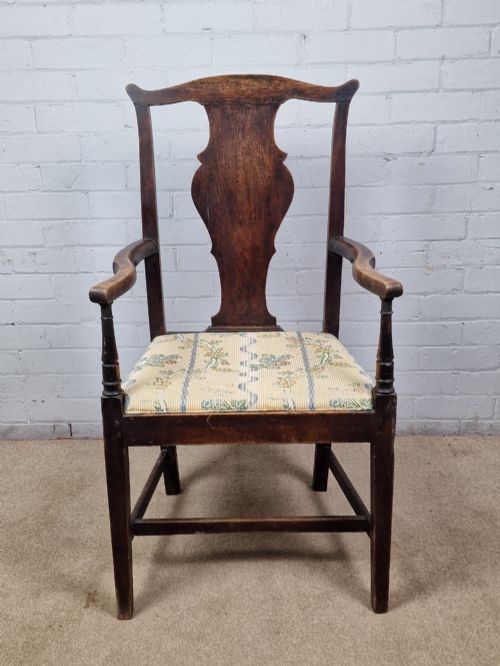
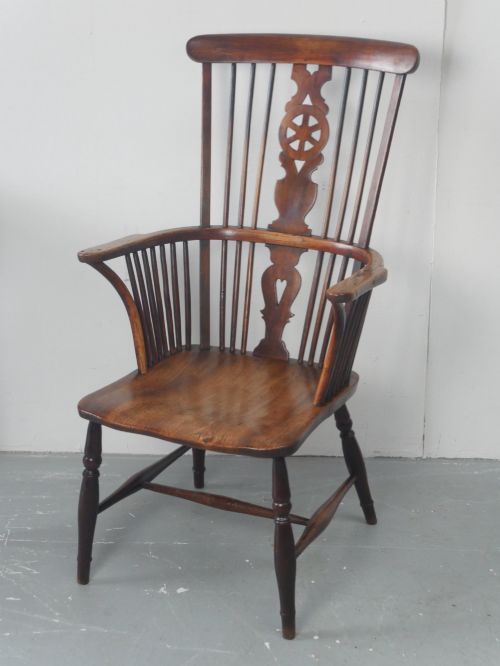
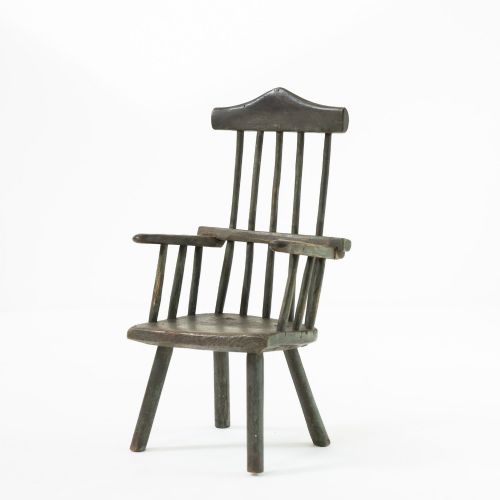
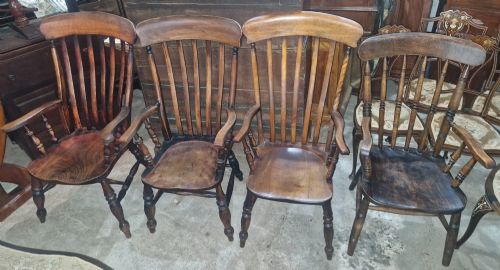
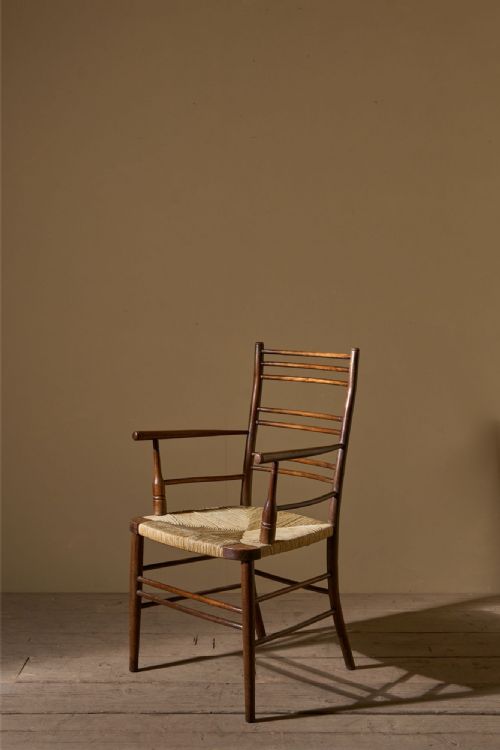
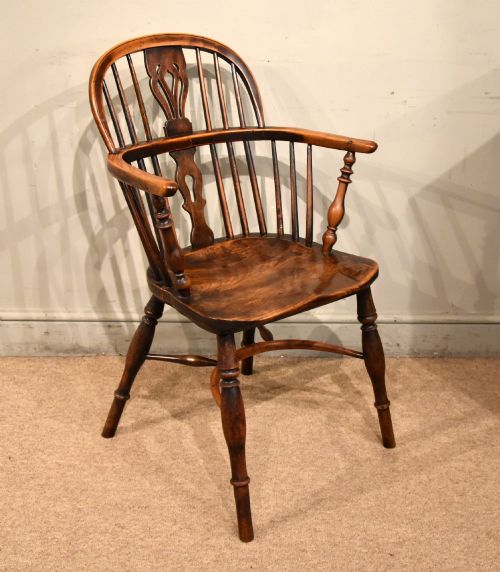
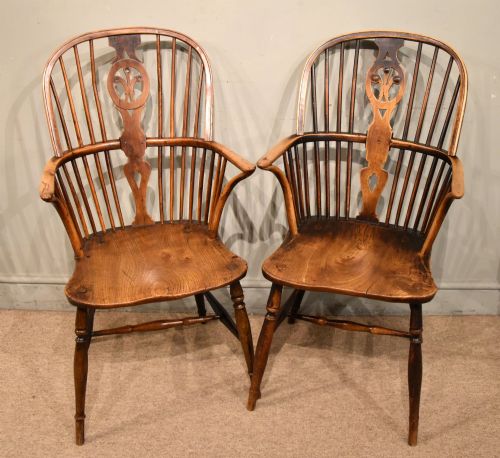
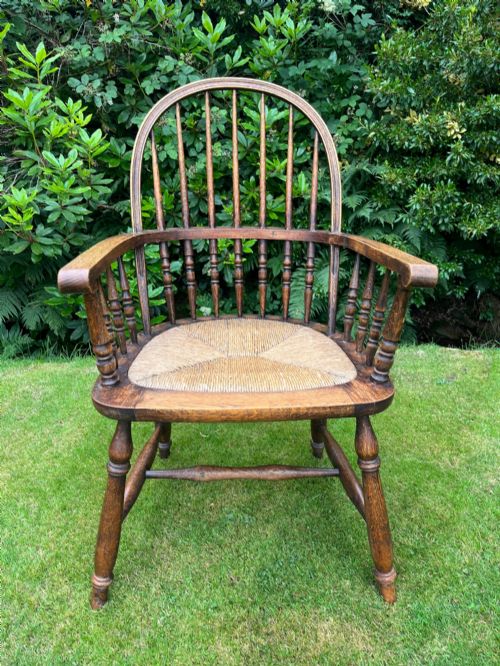
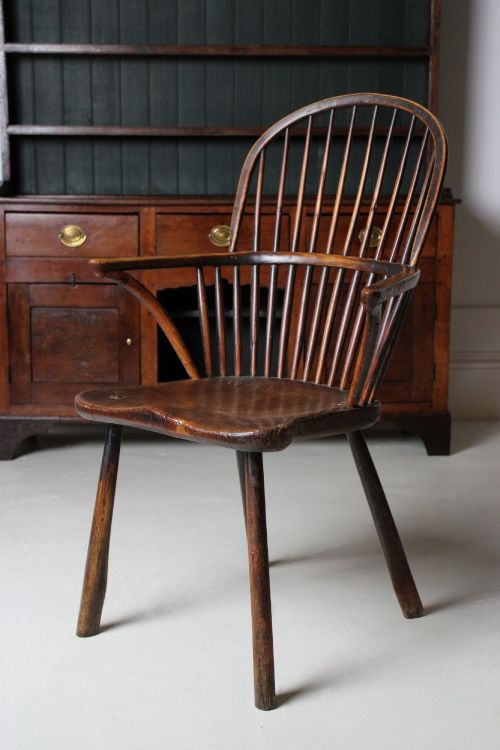
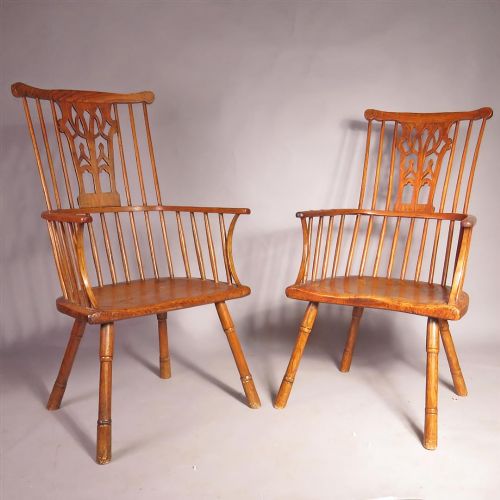
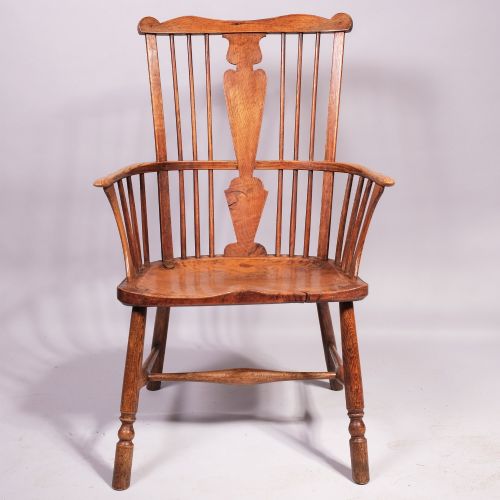
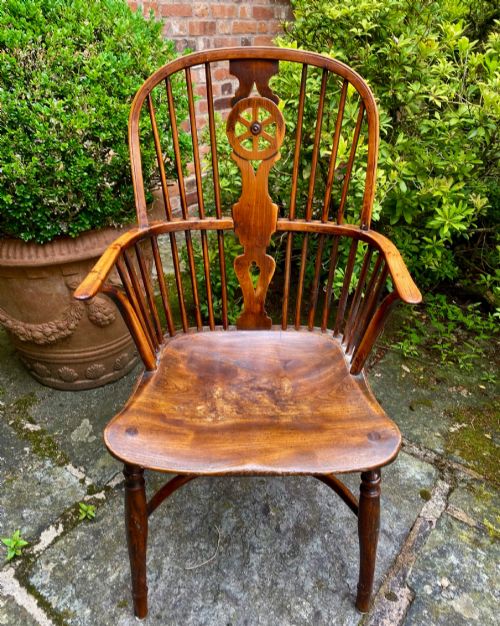
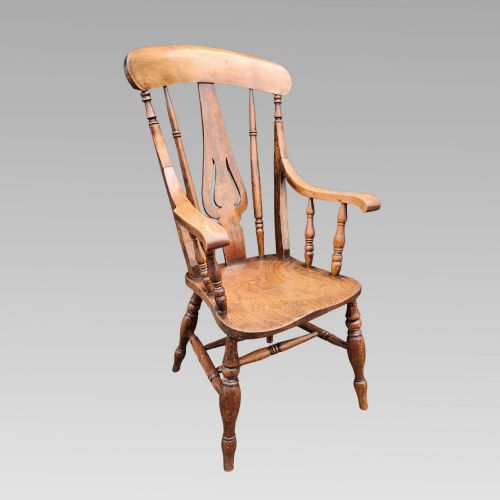
A rustic country elbow chair brings robust seating into domestic spaces, appearing in forms such as Windsor armchairs, comb backs, stick backs, and lath backs. These pieces span the 18th century, Georgian period, Regency era, and Victorian times, alongside arts and crafts examples.
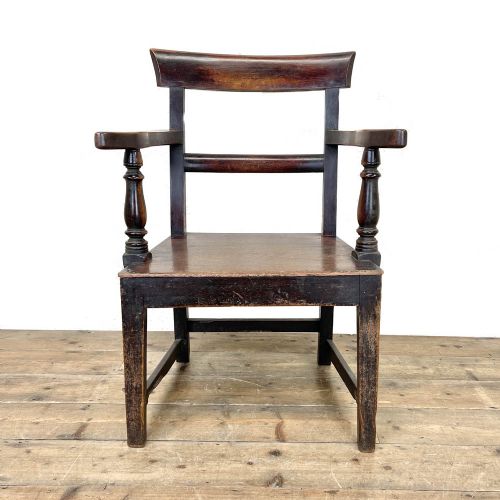
Makers constructed these armchairs for practical utility in farmhouses, cottages, and fireside settings, relying on sturdy arm supports and substantial timber seats. Buyers meet numerous variations here, including high backs, low backs, children's armchairs, and carver chairs.
Regional variations emerge from English, Welsh, Irish, and Swedish workshops, displaying distinct turning patterns and timber choices. The resulting selection provides seating rooted in local vernacular traditions rather than formal courtly design.
Materials and construction methods
Craftsmen built these chairs by combining woods such as elm for solid saddle seats with ash, oak, yew, fruitwood, beech, and laburnum for spindles, legs, and bentwood bows. This mixed-timber approach utilised the specific mechanical properties of each tree species.
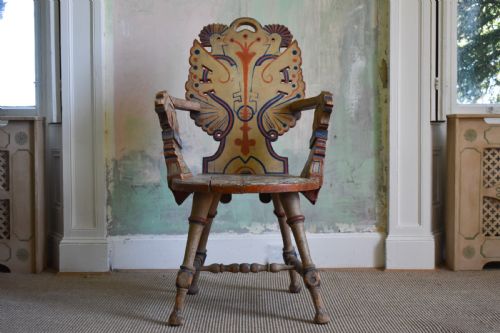
Joinery techniques relied on traditional green woodwork, wedged tenons, and steam bending to create resilient chair frames without metal fastenings. Some versions incorporate woven rush seating or painted finishes applied over the bare timber.
Listings feature elm, ash, oak, yew, beech, rush, paint, and fruitwood across the 18th century, Georgian, Regency, and Victorian periods.
Factors determining quality
Quality rests on the integrity of the timber selection, particularly the figure and grain of the elm seat and the matching of turned spindles. Superior examples display balanced proportions and tight joints that have survived centuries of heavy daily use.
The sophistication of the comb back, spindle arrangement, or carved splat separates standard utility seating from masterwork vernacular production. Original surface patination and minimal structural replacement further distinguish better preserved examples.
The Rustic Country Elbow Chair Glossary
- Windsor chair
- A wooden chair featuring a solid saddle-shaped seat into which the legs and back spindles are directly dowelled. This construction gives the chair its characteristic strength and light frame.
- Comb back
- A Windsor chair variation where the top rail resembles the spine of a comb, holding vertical spindles rising from a low back rail. These often date to the 18th century.
- Vernacular
- Objects designed by local tradesmen for practical use rather than following academic architectural styles. These pieces reflect regional traditions and available materials.
- Smokers bow
- A low-backed Windsor armchair with a continuous curved arm rail, popular in domestic and tavern settings during the 19th century.
- Rush seat
- A seating surface woven from dried marsh rushes wound around a wooden frame. This technique creates a resilient and supportive pad.
Rustic Country Elbow Chair: Frequently Asked Questions
What is a country elbow chair?
A country elbow chair is a wooden armchair built by regional carpenters for everyday domestic utility, featuring integrated armrests and local hardwoods.
These chairs prioritise structural durability and comfort, utilising vernacular construction methods like turned spindles fitted into solid wooden seats.
How do I date a Windsor chair?
Dating relies on examining the timber species, tool marks, saddle seat shaping, and the design of the undercarriage and back spindles.
Earlier 18th-century examples often feature comb backs and heavy elm seats, while Victorian pieces display lighter turned components and lath backs.
Where were these chairs used?
These armchairs served in farmhouses, cottages, country kitchens, and fireside spaces where robust seating was essential for daily life.
Their sturdy construction made them suitable for continuous use by family members working in rural environments.
How do I live with antique country chairs?
Living with these chairs involves placing them away from direct heat sources and sudden humidity changes to protect the joined timbers and rush seats.
Regular dusting and occasional waxing help maintain the natural patination developed on the wood over centuries of handling.