


Vintage Wooden Child Seat
A vintage wooden child seat brings centuries of vernacular craft and domestic history into a modern room.
Vintage Wooden Child Seat
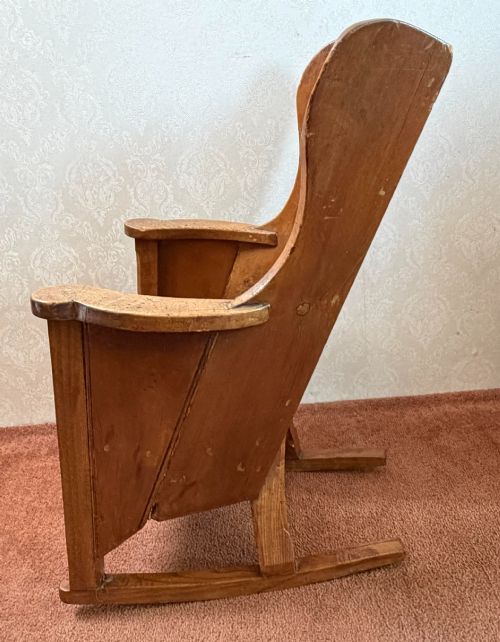
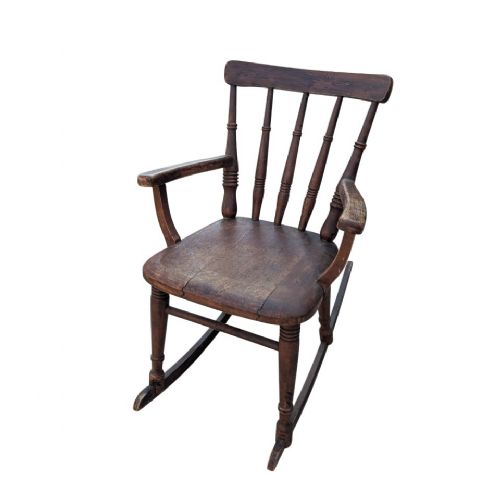
A vintage wooden child seat encompasses a diverse group of smaller-scale seating designed for young children across past centuries. These functional pieces include low armchairs, high chairs, rocking chairs, and potty chairs intended for everyday domestic utility.
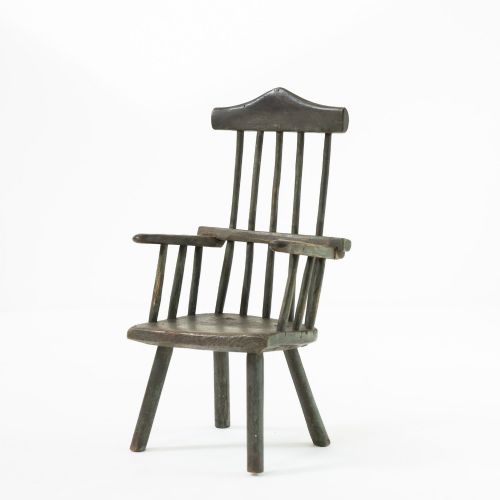
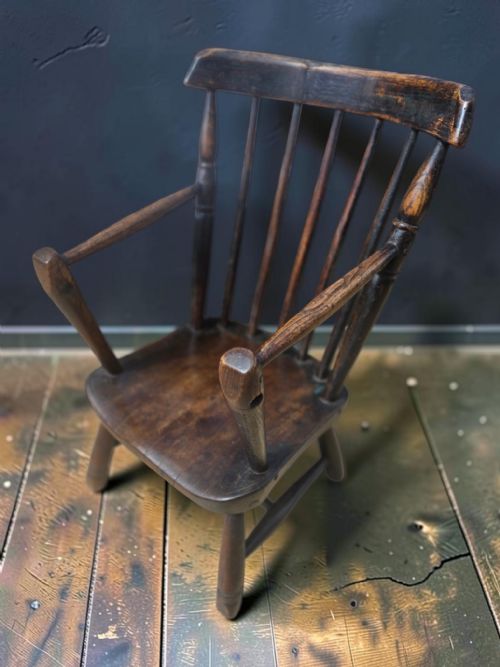
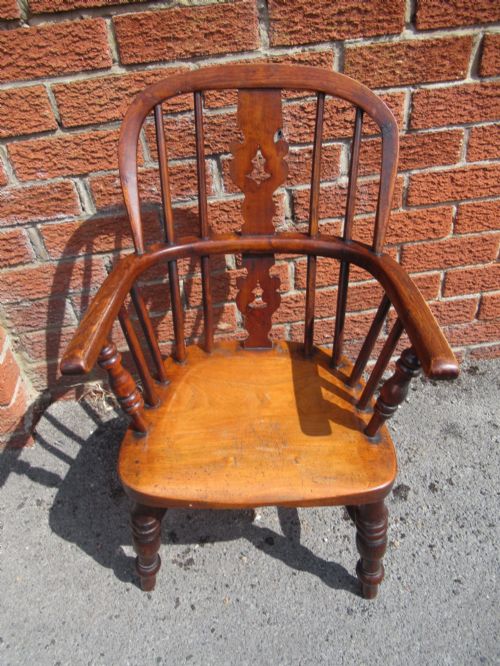
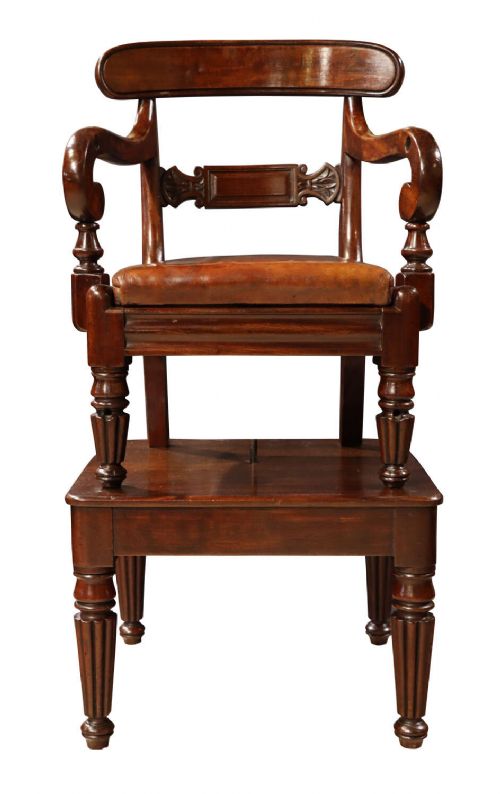
The pieces appearing on this page span several distinct periods, most notably the nineteenth century alongside Georgian, Victorian, and Edwardian eras. Buyers encounter everything from rustic country stick-backs and Windsors to formal mahogany metamorphic high chairs.
Regional variations add further character, ranging from English country vernacular forms to Scandinavian country styles and French bamboo designs. Each item reflects the domestic routines and interior tastes of the era in which it was built.
Materials and Construction Techniques
Cabinetmakers and rural joiners utilised a wide variety of timbers depending on local availability and the desired formality of the furniture. Hardwoods such as mahogany, walnut, oak, and ash sit alongside robust local timbers like elm, beech, and yew.
Construction methods range from refined cabinet-making with turned spindles and curved armrails to rustic folk art traditions employing natural forms and stick-back assembly. Seating surfaces frequently incorporate rush, cane, or bergere alongside solid wood boards.
Specialised mechanical forms, such as metamorphic high chairs that convert into low carriages or folding chairs, demonstrate clever nineteenth-century engineering designed for adaptability within the home.
Listings feature eighteenth, nineteenth, and early twentieth-century examples, spanning Georgian, Victorian, and Edwardian periods alongside regional folk art traditions.
Factors That Separate Examples
Quality in these smaller-scale seats hinges on the integrity of the original construction and the preservation of authentic surface finishes. Pieces that retain their original paint, polish, or natural patination hold greater appeal for collectors of vernacular antiques.
The sophistication of the joinery and the grace of the proportions distinguish standard utility items from masterwork examples. Windsor and stick-back variations demonstrate skill through the careful tapering of spindles and the secure wedging of leg joints.
The Vintage Wooden Child Seat Glossary
- Windsor chair
- A chair built with a solid wooden seat into which the legs and back spindles are directly bored and secured. These sturdy forms often feature curved backrests and comfortable saddled seats.
- Metamorphic chair
- A piece of furniture engineered to transform into another functional object, such as a high chair converting into a low armchair and play table. This clever design maximised utility in historical nurseries.
- Stick-back
- A chair style where simple turned or cleft sticks form the uprights of the backrest, characteristic of regional vernacular furniture. This construction method prioritised strength and straightforward production.
- Bergere
- A type of upholstered armchair featuring woven cane panels on the back and sides. In child seats, this technique provides a lighter, decorative alternative to solid wooden panels.
- Potty chair
- A specialised enclosed chair featuring a cut-out seat designed to hold a chamber pot underneath. These domestic items combined practical child-rearing utility with traditional cabinetry.
Vintage Wooden Child Seat: Frequently Asked Questions
How were these child seats used?
Historical child seats served multiple daily functions in domestic life, from elevated seating at the family dining table to secure places for play and rest. Many incorporated rocking mechanisms or enclosed bases to keep young children safe and contained.
Simpler vernacular models were built for farmhouses and cottages, while formal mahogany designs belonged in wealthy Georgian and Victorian households where nursery furniture mirrored the elegance of adult drawing rooms.
How do I date a wooden child chair?
Dating relies upon examining the timber species, joinery techniques, and stylistic markers characteristic of specific eras. Georgian and Victorian pieces often show finer mahogany turning and formal upholstery styles, whereas earlier vernacular pieces utilise local woods like elm and ash.
Nail types, tool marks, and the presence of wear patterns around footrests and armrests further help distinguish eighteenth-century items from nineteenth-century revivals and later country pieces.
Are these chairs safe for children today?
While these items originated as functional furniture for historical nurseries, modern safety standards differ significantly from past centuries. Most buyers today appreciate them as decorative antiques, collector's items, or display pieces rather than for active daily use by toddlers.
Examining the structural stability of joints, legs, and safety bars is essential if a buyer intends any practical application in a contemporary home.
What is a metamorphic high chair?
A metamorphic high chair is a clever piece of convertible furniture designed to serve more than one purpose as the child grew. These sophisticated items typically allowed the high chair frame to separate or fold down into a low armchair or a play table on wheels.
Popular during the nineteenth century, they represent the period's fascination with mechanical ingenuity and space-saving domestic inventions.