


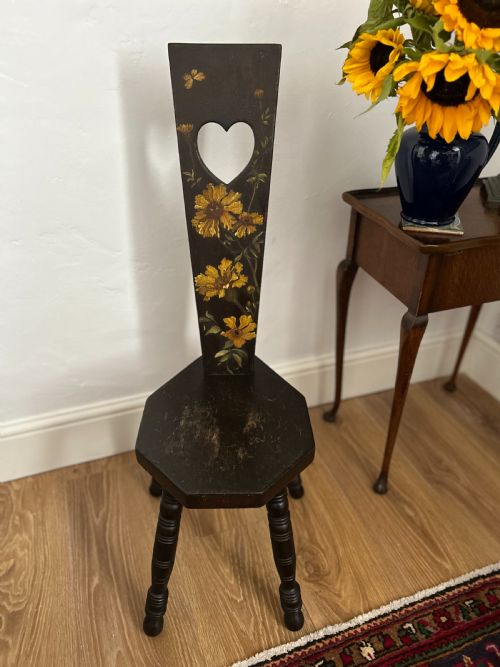


Hand Carved Wooden Chairs
These hand carved wooden chairs span centuries and continents, offering solid timber construction and distinct regional carving traditions to anchor a room.
Hand Carved Wooden Chairs
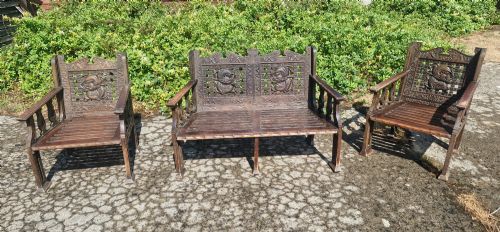
When you search for hand carved wooden chairs, you encounter seating shaped by regional traditions across the globe, spanning from the eighteenth century through the Art Deco period. The inventory includes armchairs, side chairs, hall chairs, and spinning chairs, alongside folding chairs and accent pieces.
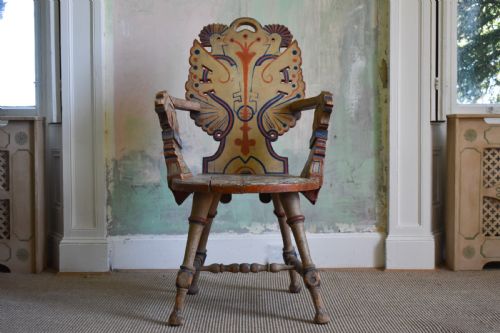
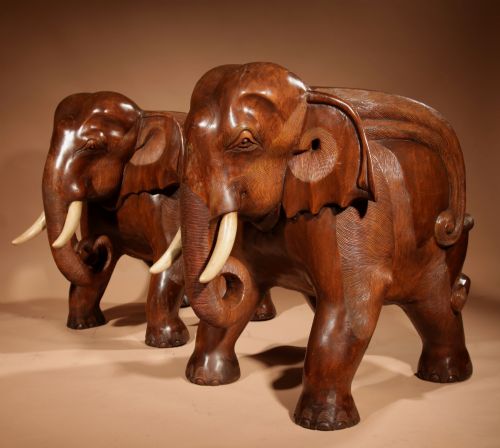
The selection ranges from European folk art and revival pieces to Burmese, Chinese, and Indian works. You are likely to meet vernacular forms like Welsh spinning chairs and Swiss mountain folk chairs alongside ornate Anglo-Indian armchairs.
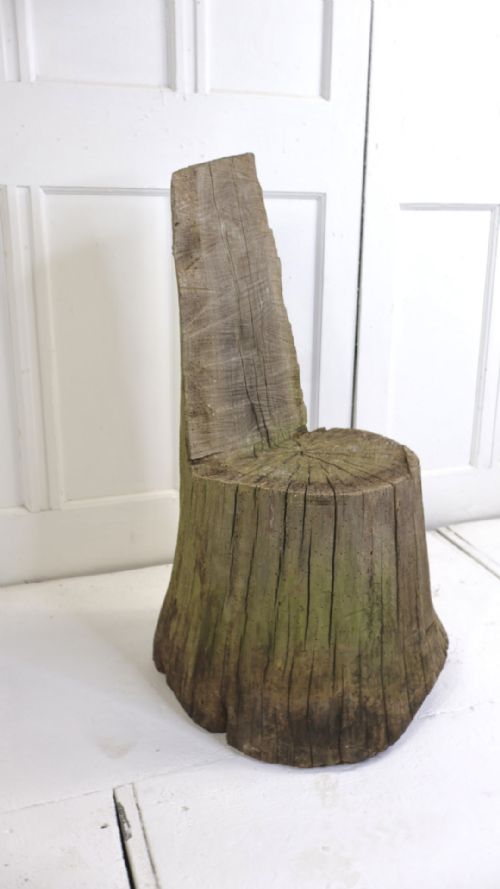
Makers utilised local timbers to produce everything from domestic seating to sculptural tree seats and specialised hall chairs. Each piece reflects the utility and decorative taste of its specific period, whether Georgian, Victorian, or Edwardian.
How they were made
The construction relies heavily on native hardwoods, oak, teak, elm, mahogany, and walnut, shaped through manual carpentry and timber carving techniques. Joinery methods vary from traditional pinned joints to folded wooden mechanisms.
Surface finish is achieved through direct wood carving, paint, and fabric upholstery. Artisans worked the raw timber to create deeply textured relief patterns, animal forms, and structural seating frames.
The listings span the 18th century, Georgian, Victorian, and Edwardian periods, incorporating oak, teak, mahogany, walnut, and paint.
What varies in quality
Quality rests in the depth and execution of the hand carving, where crispness of detail distinguishes master work from simpler vernacular output. The integration of the carving with the structural integrity of the timber frame determines the piece's endurance.
Material selection plays a primary role, with dense hardwoods like oak, teak, and mahogany holding intricate relief work better than softer woods. The balance between decorative ornament and functional comfort marks the distinction across different regional workshops.
The Hand Carved Wooden Chairs Glossary
- Spinning chair
- A small, low seat traditionally used for domestic textile work, often featuring a carved back and wooden seat.
- Hall chair
- An upright wooden seat designed for an entrance hall, frequently displaying armorial bearings or carved decoration.
- Folk art
- Utilitarian objects created by self-taught or community artisans within a specific regional cultural tradition.
- Apprentice piece
- A small or experimental model made by a trainee craftsman to demonstrate mastery of joinery and carving skills.
Hand Carved Wooden Chairs: Frequently Asked Questions
How do I identify the period of a carved wooden chair?
Dating relies on combining the timber species, joinery methods, and the stylistic vocabulary of the carving. Furniture from the Georgian and Victorian eras carries distinct proportions and tool marks compared to later Edwardian or twentieth-century pieces.
Examining the underside and hidden joints reveals how the chair was assembled, which helps confirm whether the construction methods align with the claimed period.
Were these chairs meant for everyday seating?
Many examples, such as side chairs, armchairs, and folding chairs, served standard domestic functions in period homes. Others, like spinning chairs and decorative hall chairs, had more specific uses or were designed primarily as architectural accents.
Living with these pieces involves balancing their historical integrity with daily utility, ensuring fragile carvings or antique textiles receive appropriate care.
What is the difference between regional folk chairs and revival pieces?
Regional folk chairs embody local vernacular traditions, such as Swiss mountain work, Welsh spinning forms, or Chinese folk art, made for immediate community use. Revival pieces, like Chippendale or Arts and Crafts examples, consciously imitate historical or scholarly aesthetics from earlier centuries.
Understanding this distinction clarifies whether a chair represents an indigenous rural tradition or a deliberate stylistic revival produced in a workshop.
How should I care for carved wooden seating?
Maintenance requires keeping wooden surfaces clean with a dry cloth and occasionally applying suitable wax to nourish the timber. Direct sunlight and sudden changes in humidity can cause old hardwoods to split or painted finishes to flake.
Upholstered elements, where present, benefit from gentle vacuuming and protection from sustained moisture to preserve the fabric and internal padding.