



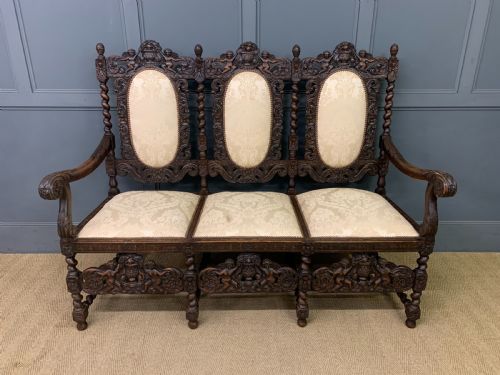

Victorian Carved Bench
When you search for a victorian carved bench, you enter a world of heavy timber, deep relief panels and domestic utility.
Victorian Carved Bench
A victorian carved bench covers a broad domestic landscape, spanning narrow entrance hall seats, hinged monk benches that convert into tables, and architectural settles placed near hearths. These pieces emerged from workshops across the nineteenth century, drawing inspiration from Gothic Revival, Jacobean Revival and English country traditions.
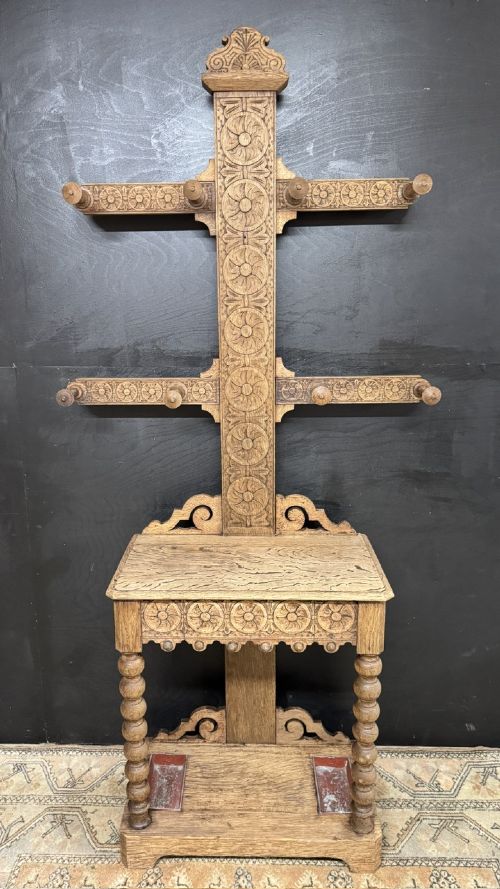
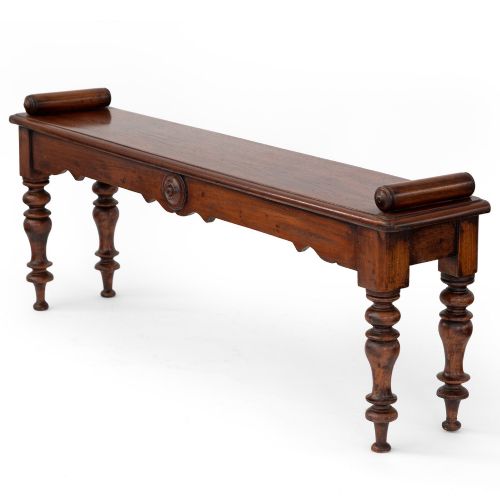
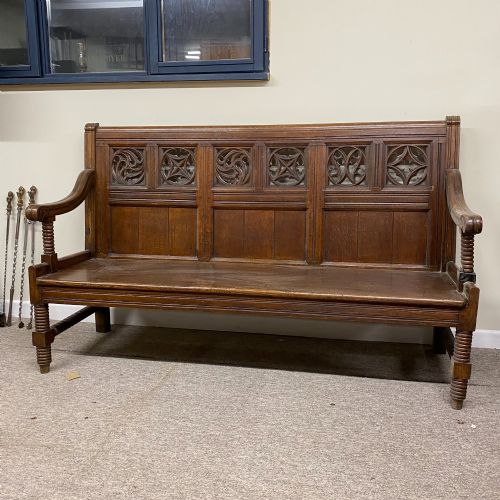
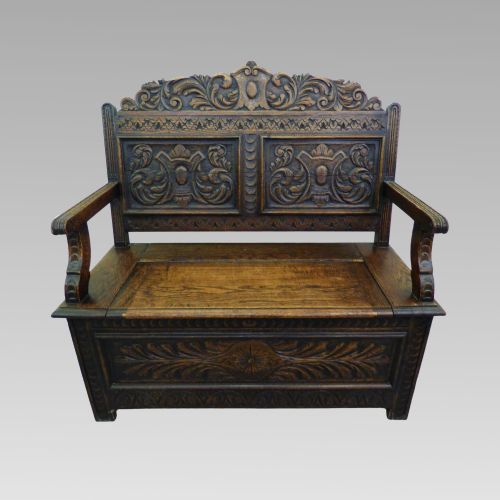
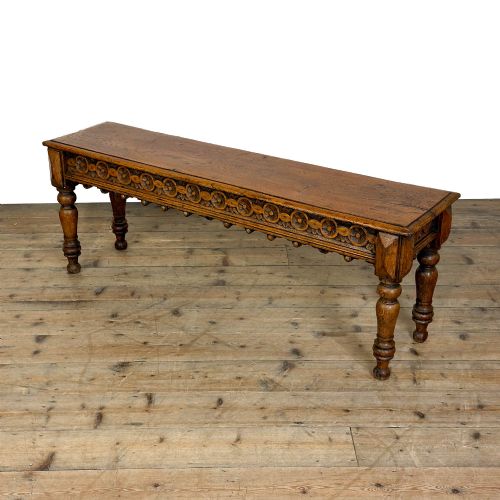
On this page, the most frequent variant you will encounter is the carved oak hall bench or settle, often dated between eighteen-sixty and nineteen-twenty. These pieces frequently incorporate hinged lids for storage, panelled backs and figural carvings such as the green man motif.
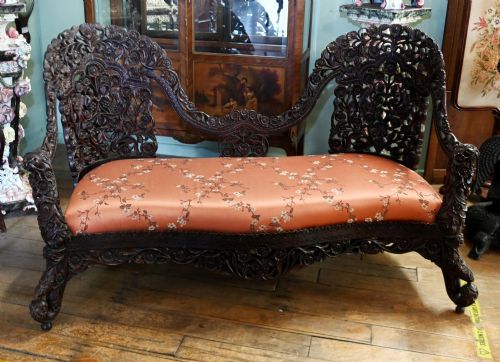
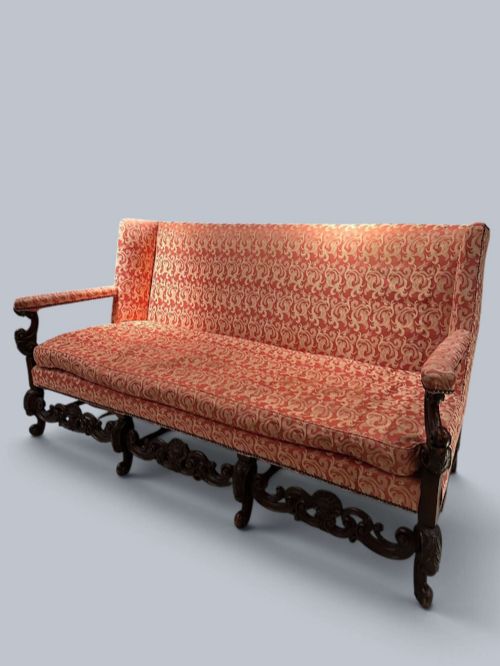
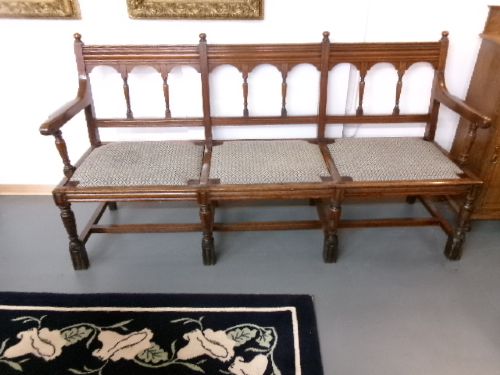
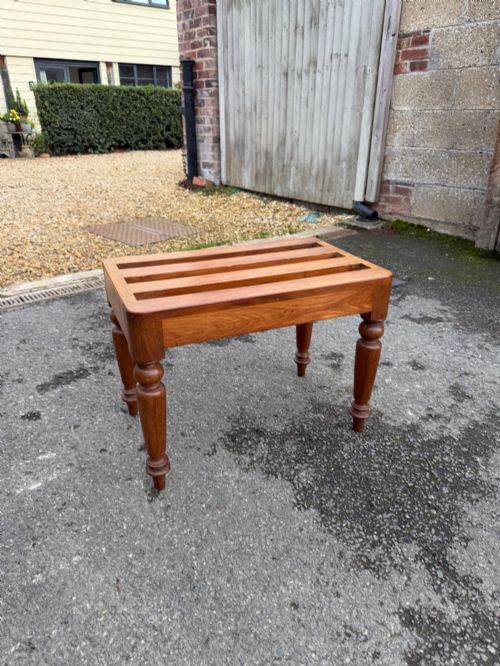
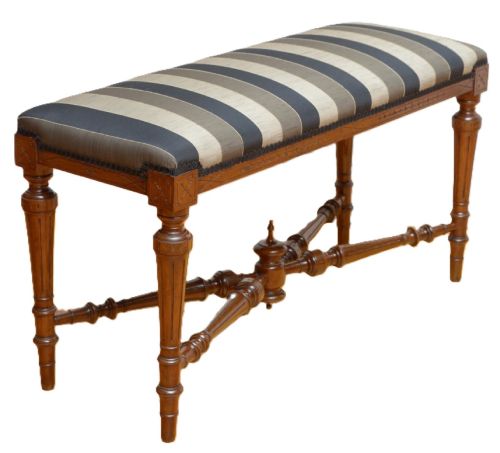
Alongside timber hall seating, the wider category embraces upholstered rosewood and walnut stools, window seats and mahogany settees. While hall benches prioritised durability in entrance spaces, smaller stools and daybeds brought decorative carved woodwork into drawing rooms and dressing chambers.
Timber selection and carving techniques
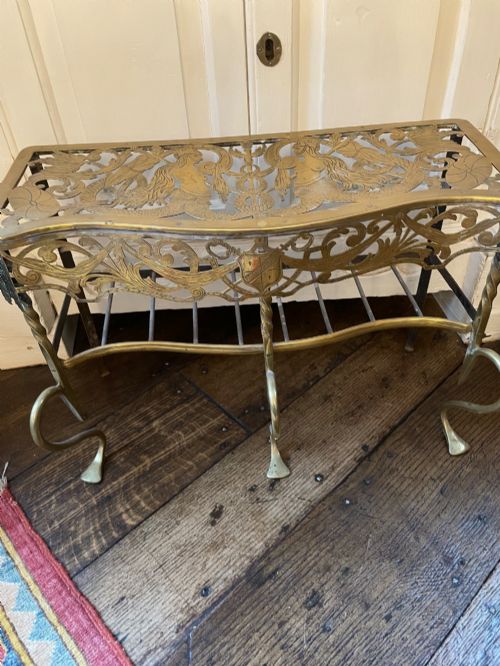
Oak dominates the structural vocabulary of these pieces, selected for its strength and ability to accept deep chisel work. Cabinet makers utilised walnut and mahogany for finer seating forms like settees and window seats, pairing dense grain with applied brass mounts or inlaid details.
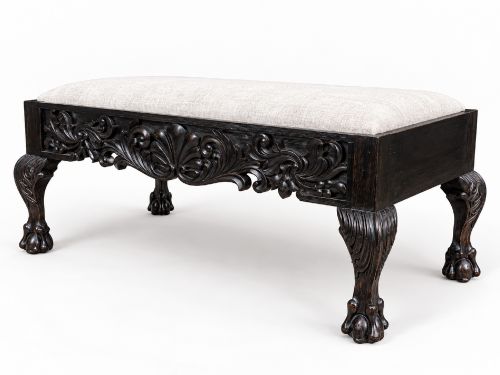
The decorative surfaces rely entirely on hand-carved relief work, utilising gouges and chisels to build up scrolling foliage, strapwork, heraldic panels and mythical faces. Joinery methods combined traditional mortise and tenon frames with panelled construction, ensuring that heavy hall benches could withstand daily domestic use.
Upholstered variants integrated textile, fabric, leather and horsehair stuffing over supportive webbing and frames. Leather was frequently hand-dyed and buttoned down, while show-wood frames in rosewood or walnut received polished finishes to highlight natural figure.
Victorian Carved Bench Retail Price Guide 2026
Typical asking prices for victorian carved bench among the pieces listed under this phrase on Sellingantiques today, from the lower quarter to the upper quarter. They describe what is for sale here now, not the wider market.
Listings demonstrate a strong preference for oak in hall seating, while walnut and rosewood appear frequently in refined parlour stools and sofas.
Evaluating craftsmanship and proportion
Quality rests in the crispness and depth of the hand-carving. Superior pieces display confident undercutting and fluid lines in the foliage or figural elements, whereas lesser examples rely on shallow, mechanical stamping or lacklustre surface detailing.
Structural integrity separates ordinary utilitarian furniture from workshop pieces bearing maker attributions. Well-made benches retain tight joints, substantial timber thicknesses in the seat boards, and original operational hardware such as hinges on box seats and monk benches.
Proportion and scale dictate desirability across different forms. Successful examples maintain balanced architectural lines, whether dealing with the high panelled back of a hall settle or the delicate cabriole legs of a walnut window stool.
Gillows·Waring and Gillows·James Shoolbred and Co
The Victorian Carved Bench Glossary
- Monk's bench
- A multi-functional seating form with a hinged back that folds down flat over the arms to create a table top. This dual purpose made them popular in smaller nineteenth-century halls.
- Settle
- A high-backed wooden bench with solid arms and a closed base designed to block draughts in domestic hallways and hearth spaces. They frequently incorporate box storage beneath the seat.
- Green man
- A sculptural architectural motif depicting a human face carved out of or sprouting from foliage. It appears frequently on the crest rails and panels of revival hall benches.
- Cabriole leg
- A furniture leg that curves outward at the knee and tapers inward toward the foot, mimicking animal limbs. It is commonly found on walnut and mahogany Victorian stools and sofas.
- Strapwork
- A decorative carving style resembling flat interlaced leather bands or ribbons. This technique was favoured by cabinet makers working in Jacobean and Elizabethan revival idioms.
Victorian Carved Bench: Frequently Asked Questions
What is a monk's bench used for?
A monk's bench served a dual purpose in the Victorian hallway or cottage interior, functioning primarily as a seat with a high panelled back. When guests arrived or space was required, the hinged back tilted forward to rest upon the arms, transforming the piece into a small table.
Beneath the seat, a concealed box compartment provided storage for boots, gloves and household textiles. This versatility made them enduringly popular throughout the nineteenth century.
How do I date a carved oak bench?
Dating relies on examining the timber preparation, tool marks and revival style characteristics of the piece. Mid-nineteenth-century examples often embrace heavy Gothic or Elizabethan revival motifs, utilising solid oak planks and hand-cut joinery.
Later pieces from the eighteen-eighties onward frequently display crisper, more machine-assisted finishing or incorporate specific regional designs like Welsh heart panels. Comparing the patination of the wood grain and hardware helps confirm the era of manufacture.
Where should I place a hall bench?
Hall benches suit entrance vestibules, wide corridors and boot rooms where their sturdy construction and narrow profiles can be fully appreciated. Their built-in storage boxes make them practical for stowing daily outdoor wear.
In larger living spaces, an architectural oak settle can anchor an empty wall or act as a partition. Lighter rosewood and walnut window seats work well beneath large panes of glass or at the foot of a bedroom suite.