

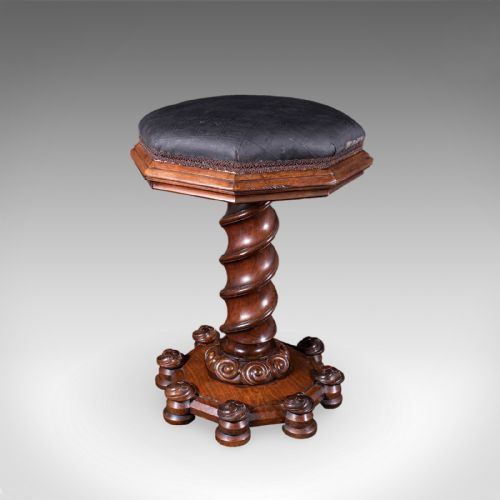


Antique Revolving Stool
An antique revolving stool is a sturdy and adaptable seat designed for the an adjustable height mechanism, primarily built for musical performance or dressing tables.

What an antique revolving stool is
When you search for an antique revolving stool, you find adjustable seating designed mainly for the piano, dressing table or organ. These pieces served practical domestic purposes in Victorian parlours and music rooms.
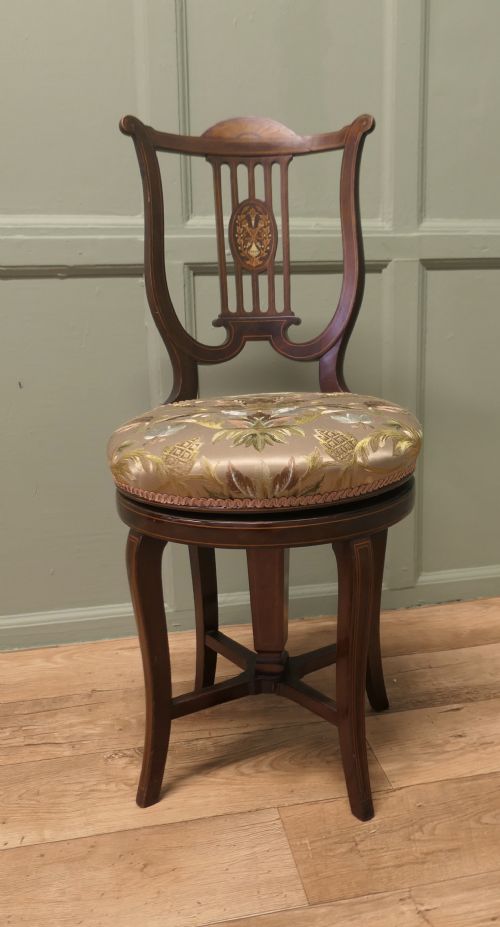
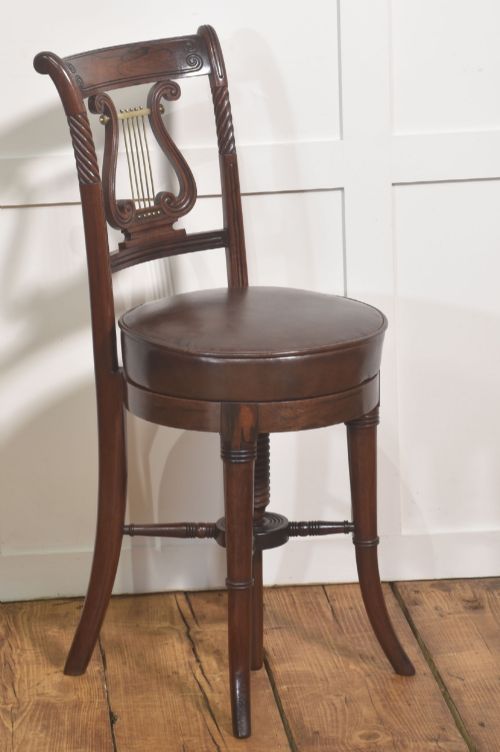
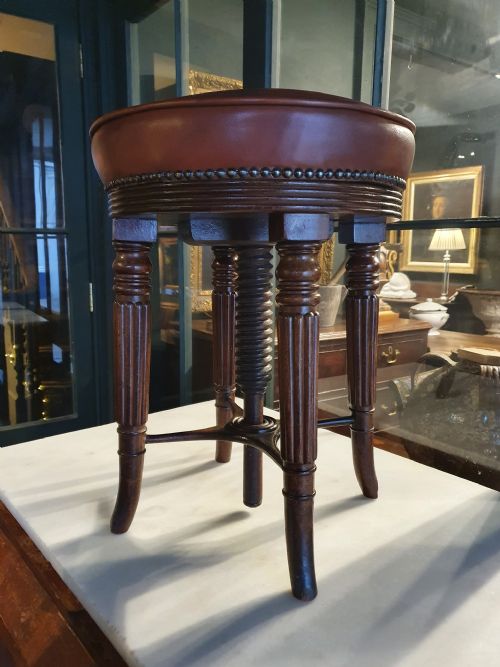
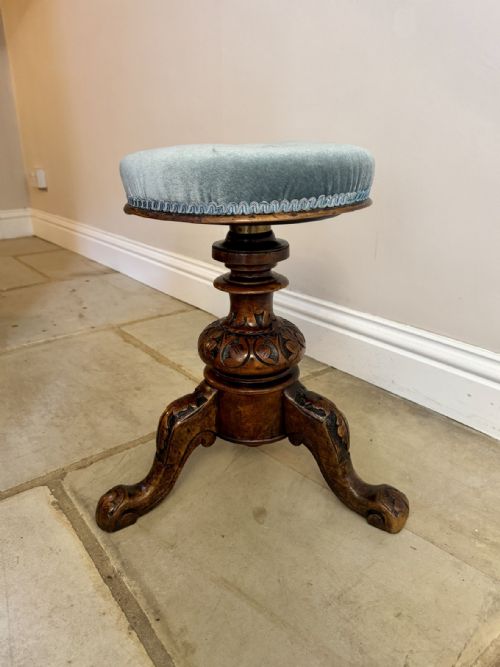
The version you are most likely to meet on this page is the Victorian piano stool, typically constructed in walnut or mahogany. Examples from the Regency and Edwardian eras also appear alongside French, Italian and English variants.
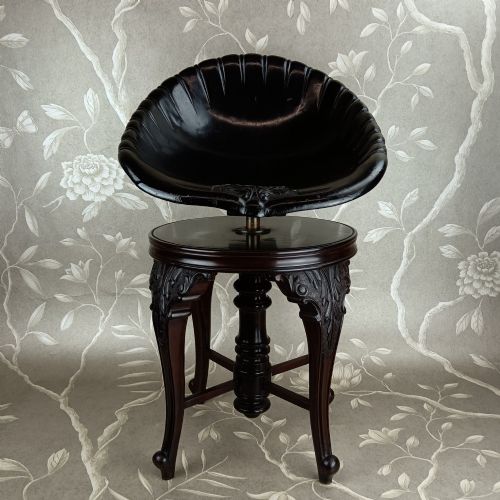
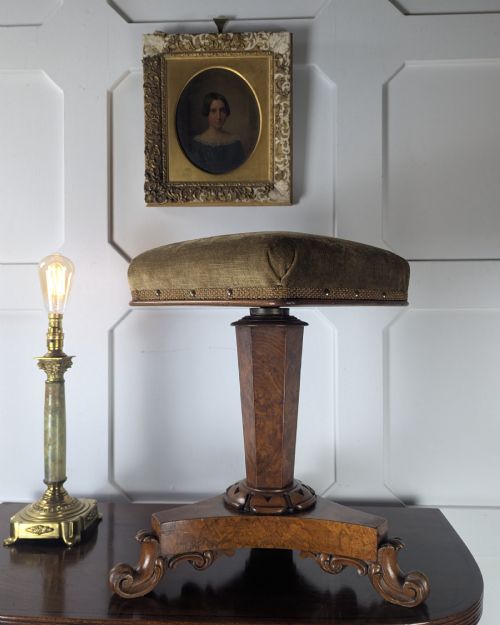
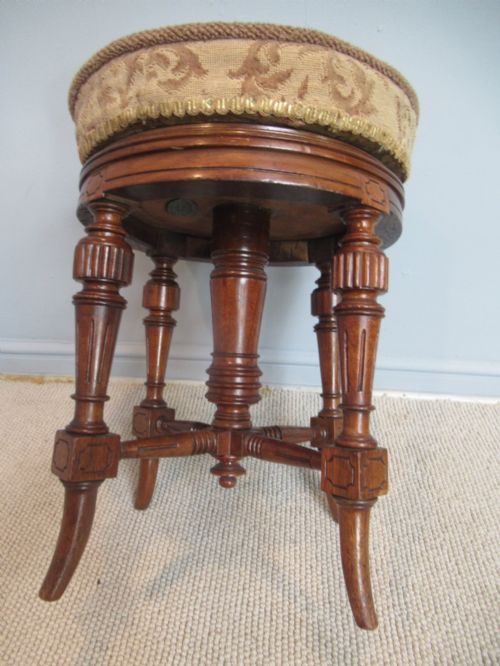
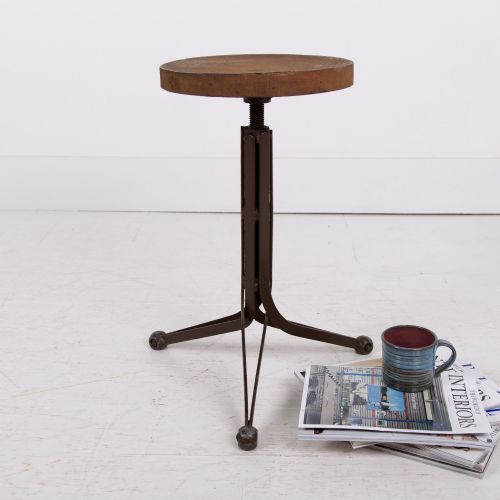
Form follows function across these items, featuring round tops supported on central wooden threads or metal screws. Many incorporate carved details, tripod bases or upholstered seats covered in velvet, leather or fabric.
How they were made
Cabinet makers utilised dense hardwoods such as mahogany, walnut, rosewood, oak and beech for the frames and structural supports. Turned wooden columns and carved cabriole legs provide the primary support.
The mechanical action relies on a central screw mechanism that permits height adjustment as the top turns. Brass components, ormolu mounts and occasional glass ball feet appear as functional or decorative hardware.
Upholstery involves padding secured beneath textile coverings including leather, velvet and patterned fabric. Some iterations feature intricate hand carving across the wooden skirts and legs.
Retail Price Guide 2026
Typical UK retail prices for revolving stool, calculated from the Sellingantiques database of over a million retail prices indexed since 2003. This retail price guide relies exclusively on Sellingantiques data; no external sources or auction records are used, so the figures do not describe the wider market.
The archive shows Victorian, Regency and Edwardian periods alongside Empire and Grotto styles.
What varies in quality
The distinction between standard examples and finer items rests in the selection of timber and the depth of carving. Denser grains of walnut and mahogany indicate superior material selection by the maker.
The precision of the revolving mechanism defines operational quality. Smooth rotation without excessive lateral play distinguishes well-engineered examples from basic utility pieces.
Upholstery finish and secondary details such as cast brass mounts or carved grotto motifs elevate specific items above plain domestic furniture.
Gillows·Charles Wadman
The Antique Revolving Stool Glossary
- Revolving mechanism
- The internal screw action that allows the seat top to turn and adjust in height.
- Piano stool
- A seat designed specifically for musicians, often featuring height adjustment to suit different players.
- Cabriole leg
- A furniture leg that curves outward and then tapers inward, commonly seen on Victorian seating.
- Ormolu
- Gilded bronze ornamentation applied to furniture for decorative effect.
- Simulated rosewood
- A painted or stained finish applied to a secondary timber to imitate the appearance of expensive rosewood.
Frequently Asked Questions
How do you adjust the height?
The seat top rotates clockwise or counter-clockwise on a central wooden or metal screw thread. Turning the top raises or lowers the seating surface to the desired position.
Most mechanisms operate independently without levers, relying entirely on the threaded shaft housed within the central column.
Where were these used in the home?
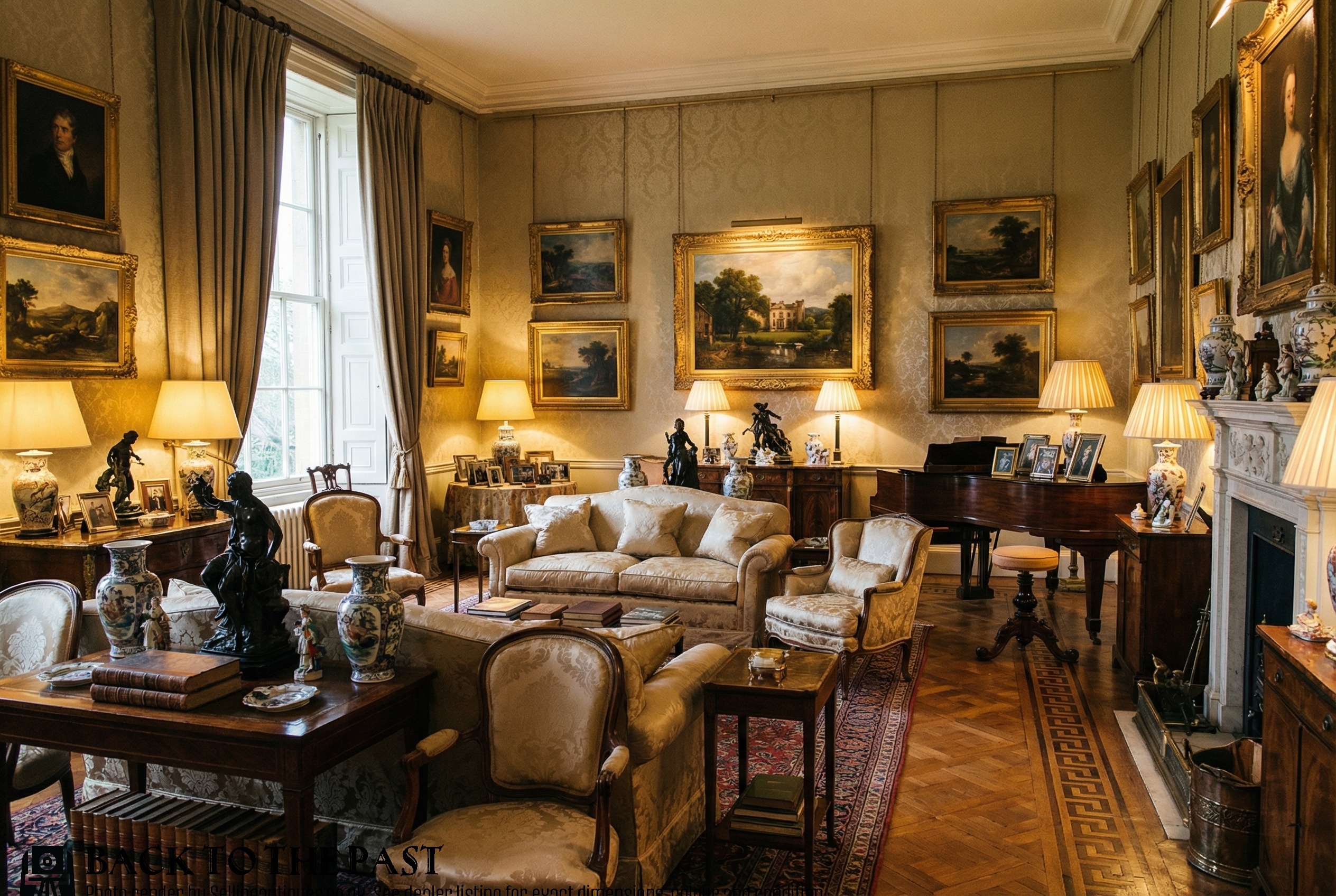
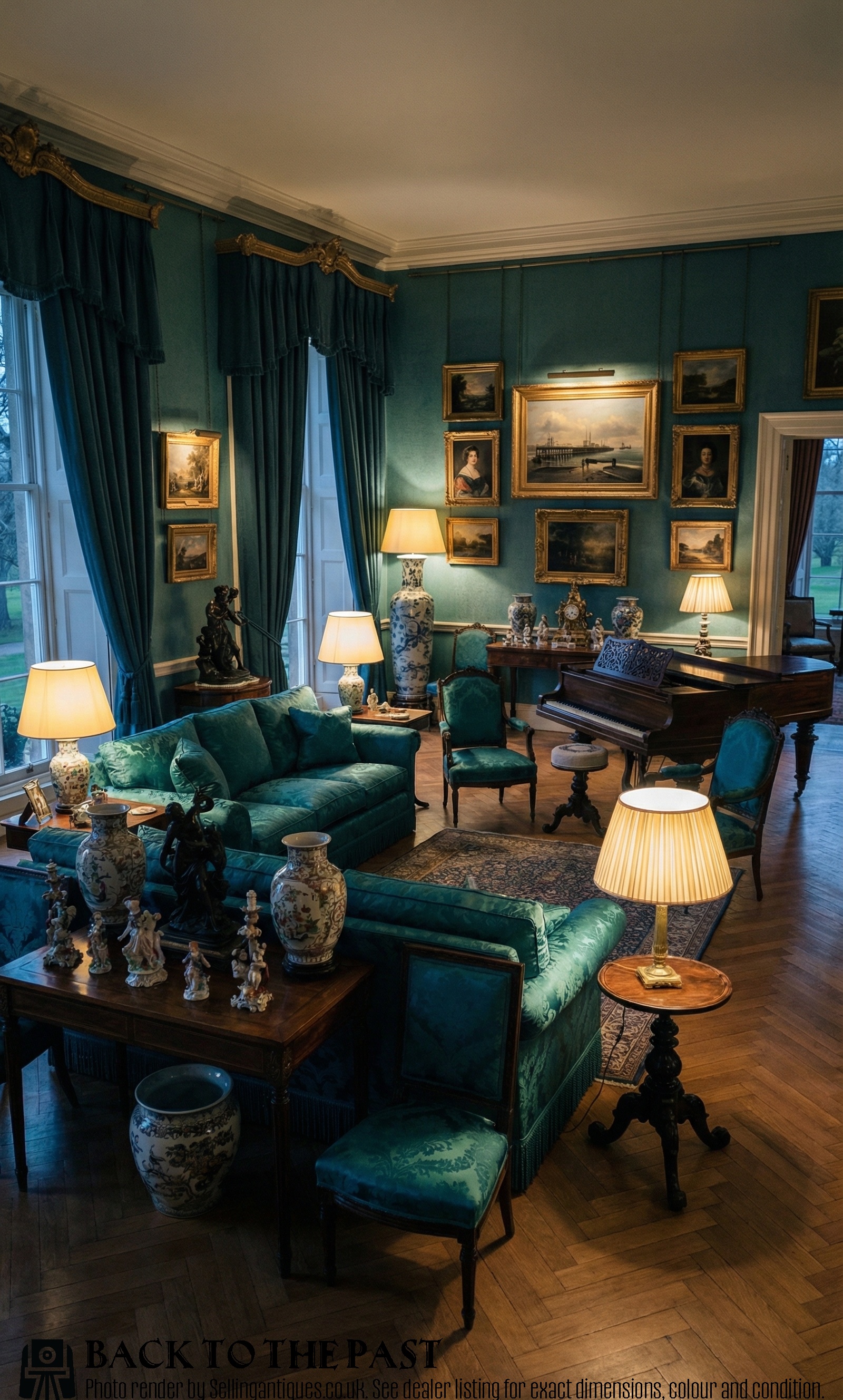
These pieces primarily stood beside upright or grand pianos in Victorian music rooms. They also served dual purposes at dressing tables and desks.
Tall variants found application in offices, studies and architectural workshops for drafting or clerical work.
What woods are most common?
Walnut and mahogany appear with the greatest frequency across nineteenth-century examples. Cabinet makers selected these dense timbers for their stability and dark visual grain.
Rosewood, oak and beech occur less frequently, sometimes accompanied by painted finishes or simulated grain effects.
How do I date a revolving stool?
Dating relies on stylistic indicators such as carved walnut details associated with the Victorian period or simpler lines from the Regency era. Mechanical construction methods also provide clues to the decade of manufacture.
Evidence from recorded pieces points predominantly to the mid to late nineteenth century, spanning from Regency up to the Edwardian period.