
Antique Wooden Accent Stool
An antique wooden accent stool brings solid timber, compact utility, and centuries of regional craftsmanship straight into a modern interior.
Antique Wooden Accent Stool
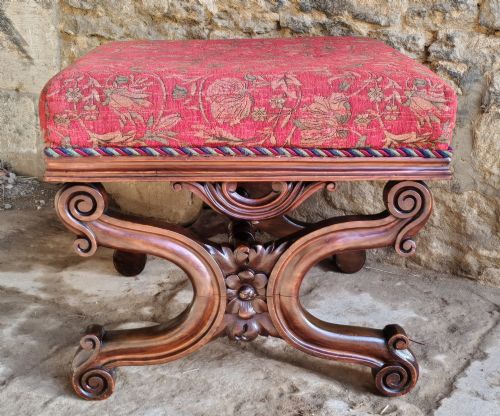
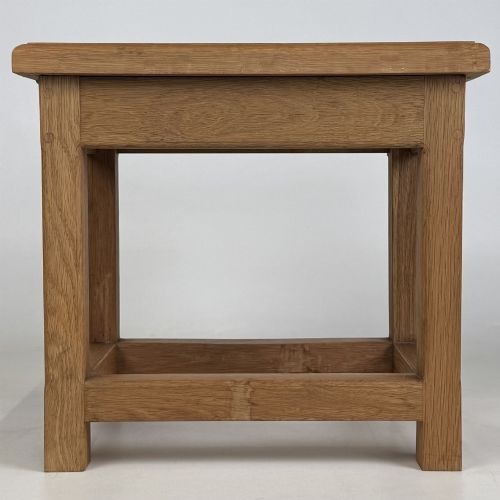
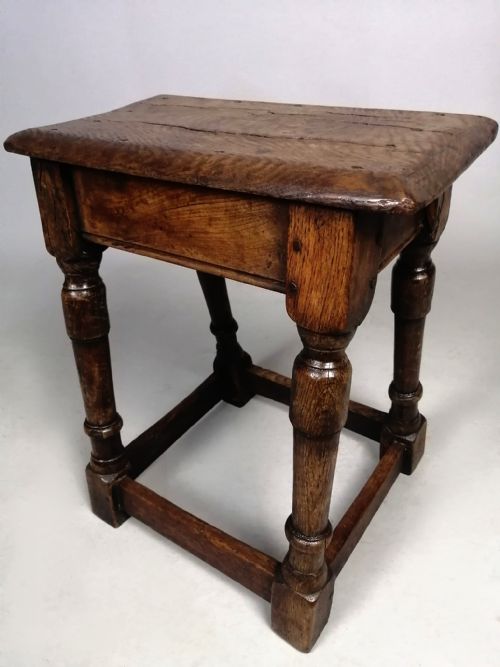
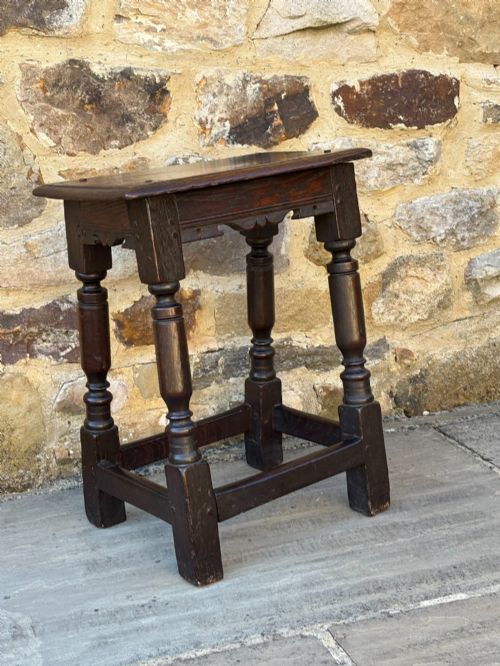
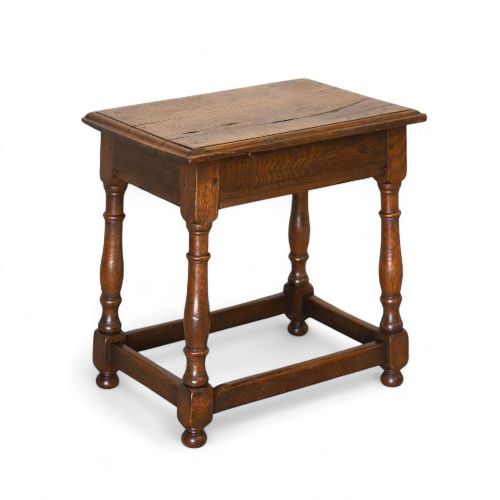
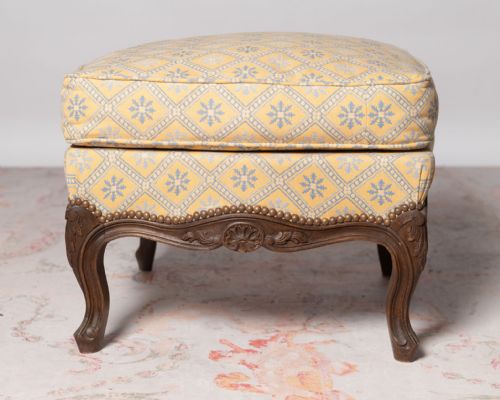
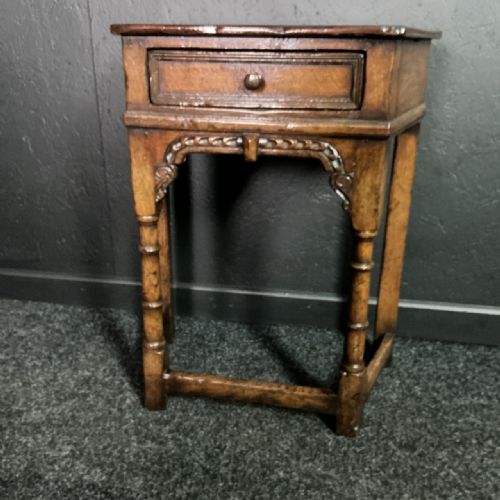
An antique wooden accent stool encompasses low seating, sturdy joint stools, and compact occasional stands built from solid timbers across several centuries. These pieces serve readily as flexible seats or small display surfaces in contemporary rooms.
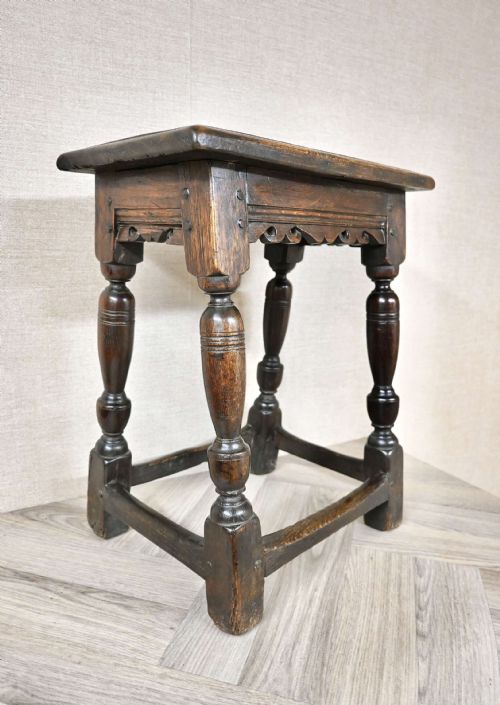
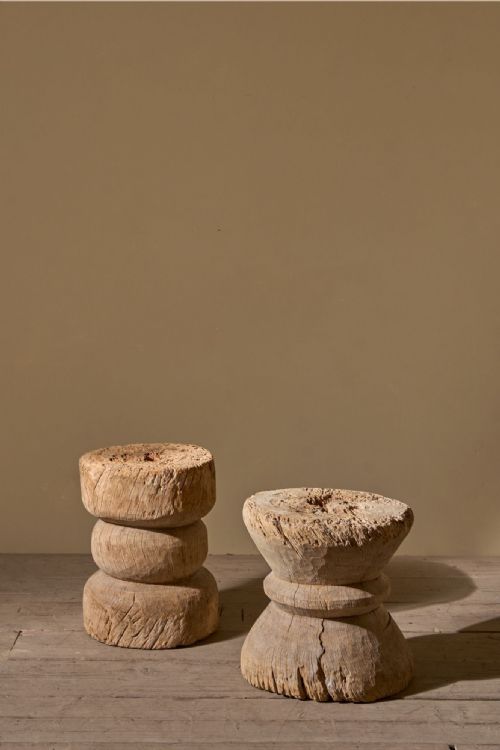
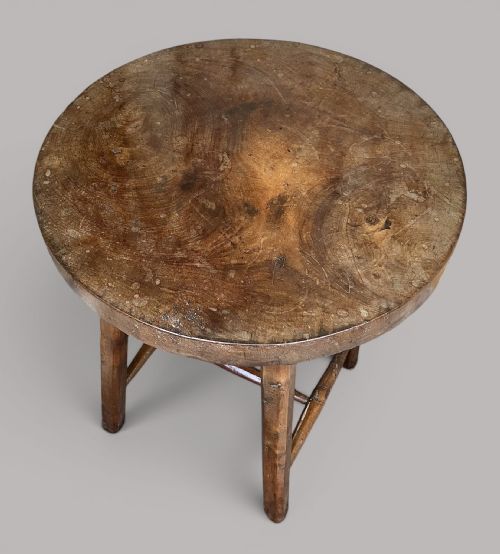
The selections span from seventeenth-century joined oak examples to nineteenth-century country furniture, Edwardian interpretations, and Asian hardwood forms. Buyers encounter rough-hewn elm seating alongside polished mahogany and walnut occasional stands.
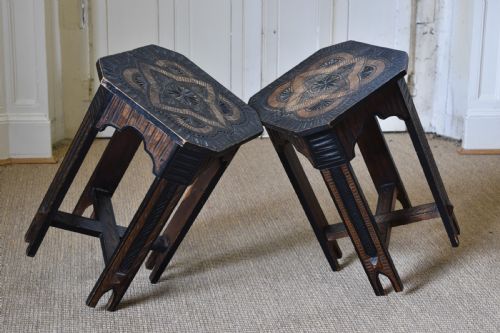
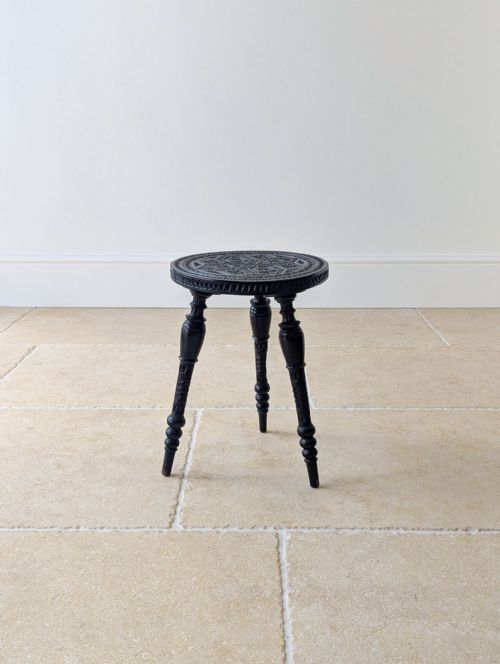
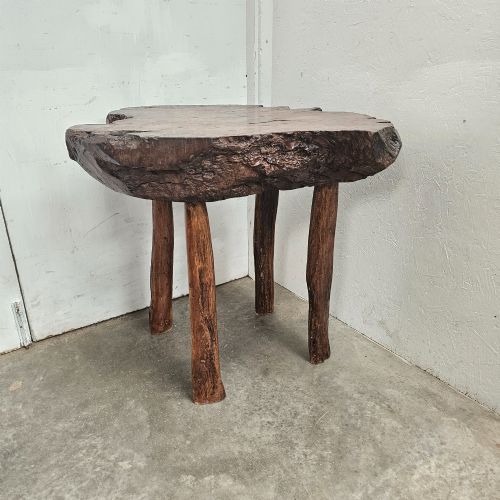
Regional provincial workshops and revivalist movements produced much of this inventory, yielding everything from stark utilitarian tripods to decorative chip-carved surfaces.
Materials and construction methods
Joiners and country cabinetmakers relied primarily on native timbers such as oak, elm, ash, and walnut, often combining contrasting woods within a single piece like an oak frame with an elm top. Hardwood, rosewood, and exotic Asian species also appear across the broader geographic spread.
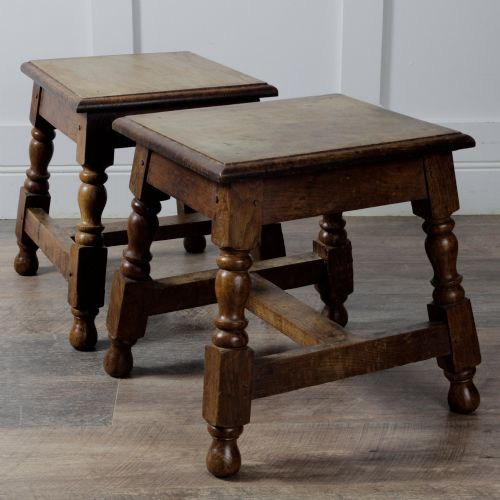
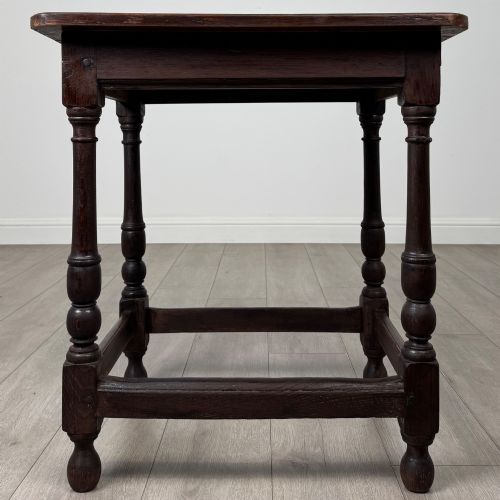
Traditional construction depended on mortise and tenon joints, pegged frames, and turned supports including bobbin and spindle work. Surfaces received simple wax finishes, chip carving, hand painting, or ebonisation rather than heavy industrial treatments.
The listings span multiple centuries, incorporating seventeenth-century joined oak alongside Victorian ebonised pieces and twentieth-century Edwardian occasional tables.
Distinguishing quality in timber stools
Quality rests upon the integrity of the timber selection, the tightness of the original joinery, and the retention of honest surface patination. Pieces that maintain their structural rigidity without excessive timber replacement hold greater integrity.
Finer examples display crisp hand-carved details, balanced proportions, and dense grain patterns shaped by decades of genuine domestic use. Flimser construction or over-restored surfaces diminish the tactile authenticity that collectors value.
The Antique Wooden Accent Stool Glossary
- Joint stool
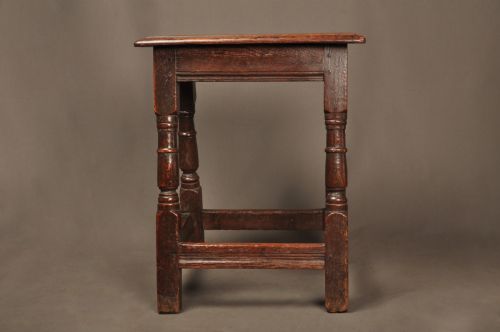
- A sturdy wooden seat constructed with mortise and tenon joints rather than turned legs alone. These seventeenth and eighteenth-century forms doubled as useful domestic surfaces.
- Chip carved
- A decorative technique where small chips are removed from the surface of the timber to create geometric patterns. This work appears frequently on Victorian and Edwardian occasional tables.
- Bobbin turned
- A style of furniture leg or stretcher shaped on a lathe to resemble a string of beads or bobbins. It is a defining feature of seventeenth-century revival and later Victorian pieces.
- Hongmu
- A dense, dark Asian hardwood used for traditional stands and stools. The term translates literally to red wood.
- Patina
- The surface sheen and colour developed by timber over centuries through handling, polishing, and light exposure. Rich patination indicates age and honest preservation.
Antique Wooden Accent Stool: Frequently Asked Questions
How were joint stools originally used?
Joint stools served primarily as portable seating around the communal dining table during the seventeenth and eighteenth centuries.
Their sturdy timber frames also allowed them to function as raised platforms for heavy household objects or small side tables when needed.
Can I use an antique stool for daily seating?
Most antique wooden stools remain structurally sound and capable of supporting regular weight if the joints are secure.
It helps to check timber stability periodically and avoid placing heavy loads on primitive three-legged country examples with delicate wear.
What is the difference between a stool and a side table?
Many low wooden forms shared overlapping domestic duties, functioning interchangeably as flat-topped surfaces or occasional seats depending on the room.
While stools generally feature thicker legs tied with low stretchers for foot support, smaller occasional tables prioritise lighter leg arrangements.
How do I care for antique wooden surfaces?
Maintaining these timbers requires simple periodic applications of natural beeswax to preserve the moisture and natural sheen of the wood.
Direct sunlight and sudden temperature shifts should be avoided to prevent timber shrinkage or splitting in older oak and elm.