
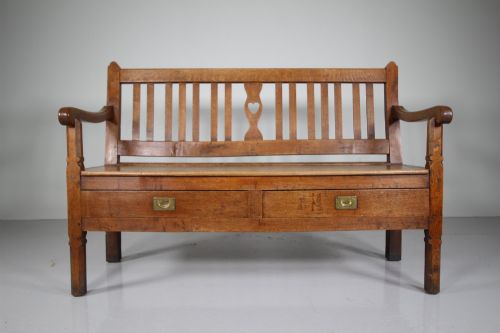
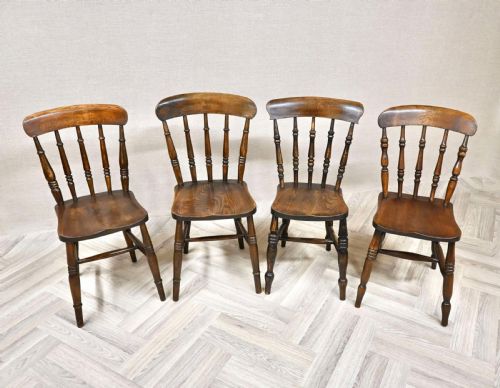
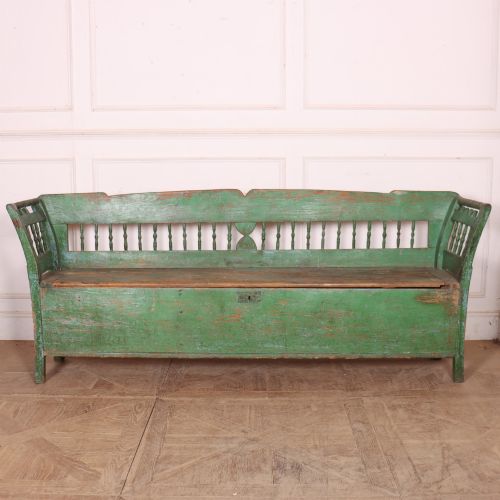

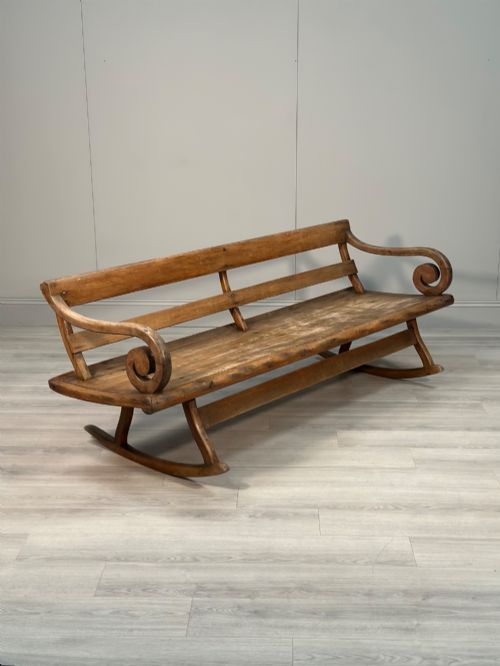
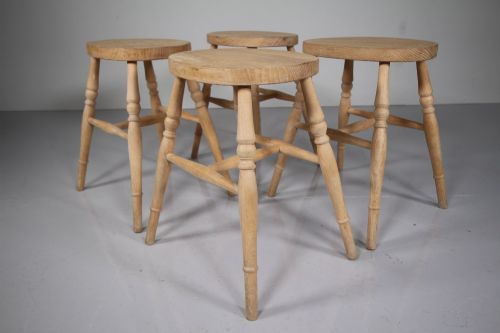
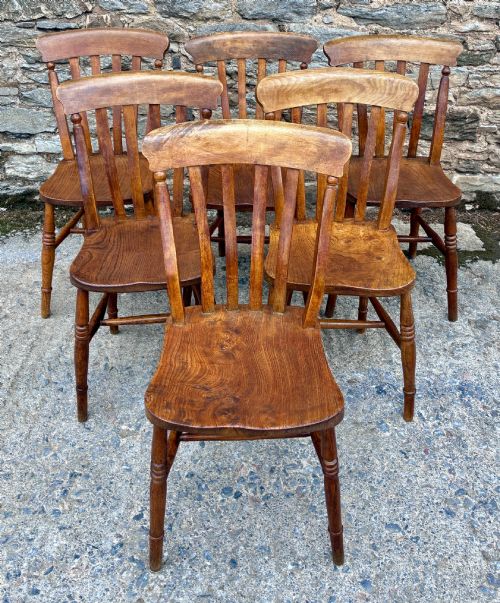
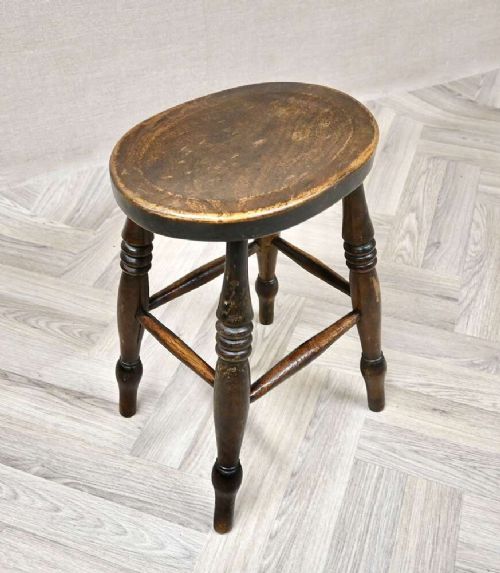
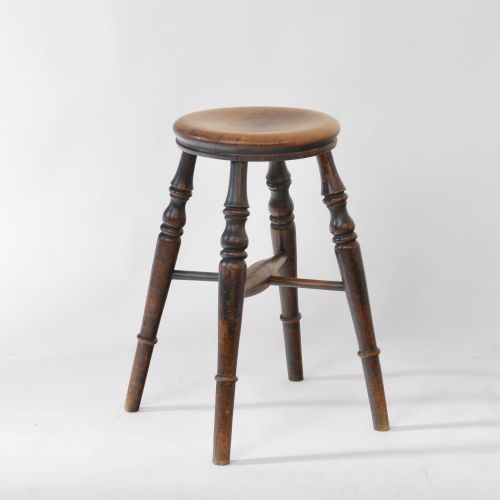
Antique Rustic Country Seat
An antique rustic country seat brings immediate vernacular character to a room, offering honest timber construction shaped by generations of practical use.
Antique Rustic Country Seat
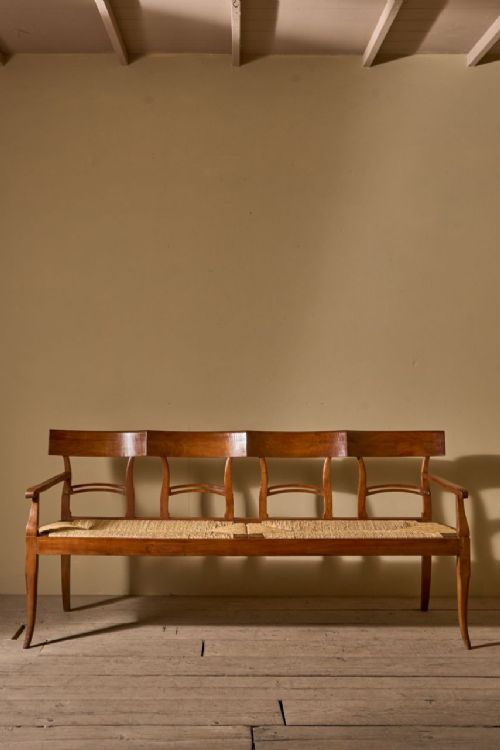
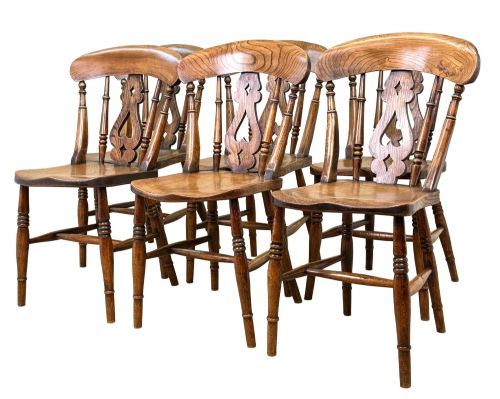
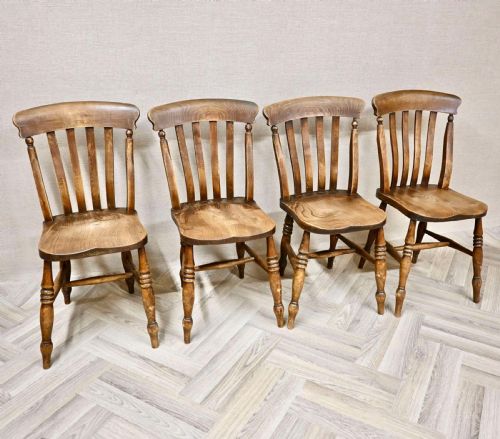
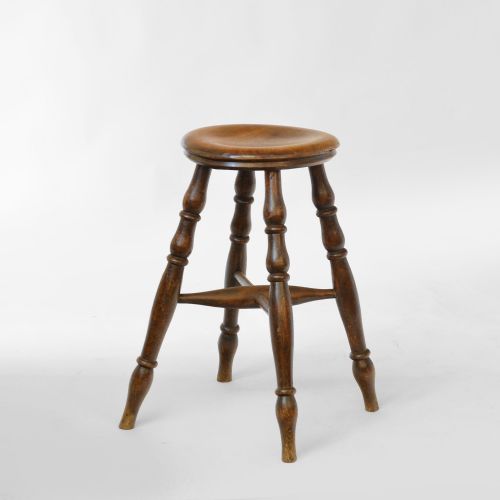
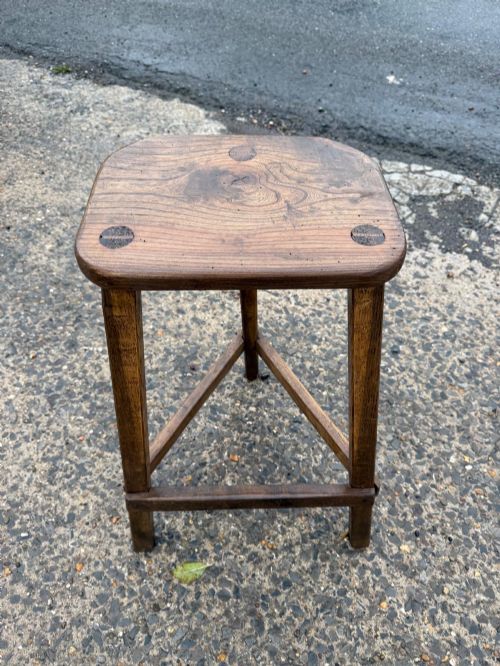
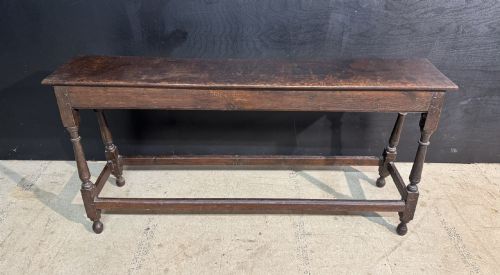
An antique rustic country seat encompasses utilitarian furniture made for domestic, agricultural, and tavern use, spanning the eighteenth, nineteenth, and early twentieth centuries. When searching for an antique rustic country seat, buyers encounter a diverse selection of forms including Windsor chairs, settles, benches, stools, and armchairs.
The materials reflect local woodland resources, featuring native hardwoods like elm, oak, ash, and beech alongside pine and sycamore. These pieces originate from regional English, Welsh, and continental traditions, embodying the straightforward requirements of farmhouse kitchens, halls, and workshops.
Most examples date from the nineteenth and Victorian periods, though earlier Georgian items and later Edwardian and 1900s vernacular designs also appear. The category prioritises functional durability and honest construction over formal courtly styles.
How these seats were constructed
Maker-joiners utilised solid native timbers such as elm for saddle seats, ash and beech for spindles and legs, and heavy oak for structural frames and long benches. Timber was selected for its specific mechanical properties, pairing flexible woods for steam-bent components with dense woods for load-bearing surfaces.
Construction relied on traditional joinery methods including wedged tenons, pegged mortises, and turned components shaped on pole lathes. Many chairs and stools employ stick-back and Windsor techniques where spindles are inserted directly into thick plank seats.
One child received a primitive stick-back armchair, proving that even toddlers required proper Welsh or English seating by the hearth.
Understanding quality in country seating
Quality rests in the integrity of the timber, the balance of proportions, and the depth of surface patina achieved through decades of handling. Superior examples retain original components without extensive timber replacement or unsympathetic modern re-gluing.
Finer seating displays considered turning on spindles and legs, well-sculpted saddle seats that comfort the user, and robust structural joinery that withstands daily domestic life.
Philip Clissett·Dinco Penny
The Antique Rustic Country Seat Glossary
- Windsor chair
- A wooden chair featuring a thick solid seat into which the legs and back spindles are separately bored. This form developed strength and lightness through its pegged construction.
- Settle
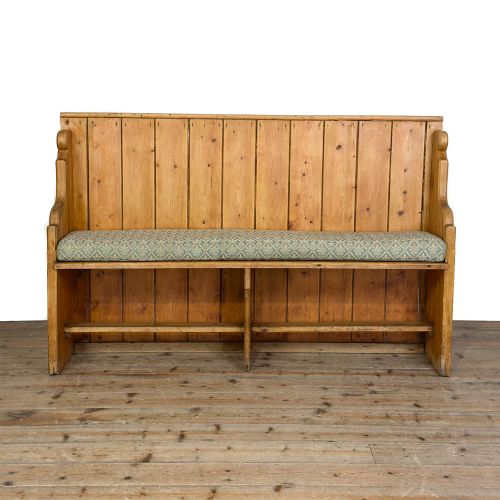
- A wooden bench with a high back designed to block draughts, often incorporating a hinged seat with storage beneath. These provided communal seating near farmhouse hearths.
- Joint stool
- A sturdy wooden stool constructed with mortise and tenon joints using pegged framing. They served as primary seating before chairs became common.
- Patina
- The lustrous surface sheen developed on timber over long periods through oxidation, handling, and wax polishing. This quality signals age and genuine use.
- Vernacular
- Everyday objects made by local craftspeople using regional traditions and materials rather than following academic architectural styles. These pieces solved immediate practical needs.
Antique Rustic Country Seat: Frequently Asked Questions
How do I spot a genuine vernacular chair?
Look for tool marks, slight asymmetries in hand-turned spindles, and native timbers like elm and ash that indicate regional provincial production rather than factory output.
Examine the underside of the seat to check for appropriate wear patterns, traditional wedged construction, and period fixings that match the stated age.
Were these seats used indoors or outside?
The vast majority of these pieces were made for indoor domestic or commercial spaces, including farmhouse kitchens, taverns, and cottage halls.
Only specific garden variations, such as teak or faux bois forms, were manufactured to withstand outdoor exposure.
What is a wheelback chair?
A wheelback chair is a Windsor variant featuring a pierced splat carved or shaped in the outline of a spoked cartwheel.
This decorative back design became popular during the nineteenth century in English farmhouse kitchens and dining spaces.
How do I care for antique timber seats?
Maintain stable indoor humidity levels to prevent the native hardwoods from drying out, shrinking, or splitting over time.
Apply traditional beeswax occasionally to nourish the surface and preserve the historic patina without sealing the wood in modern varnish.