
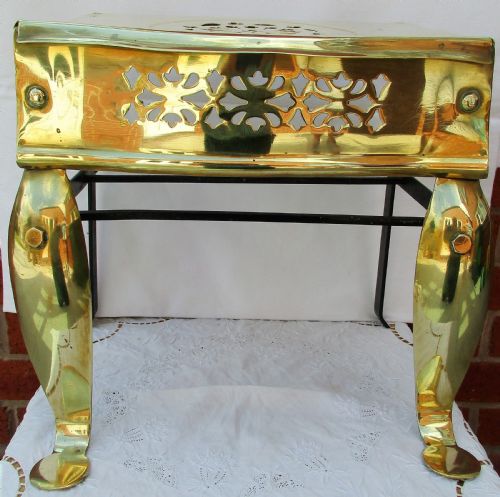

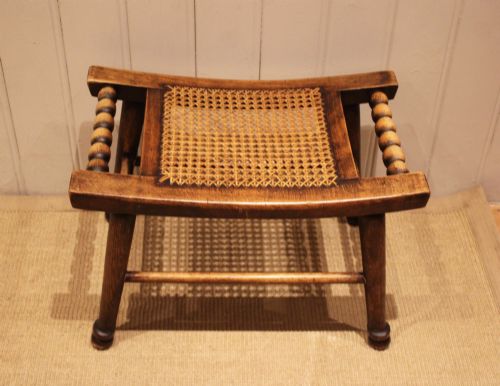
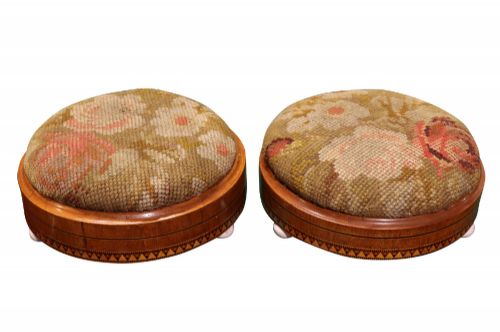
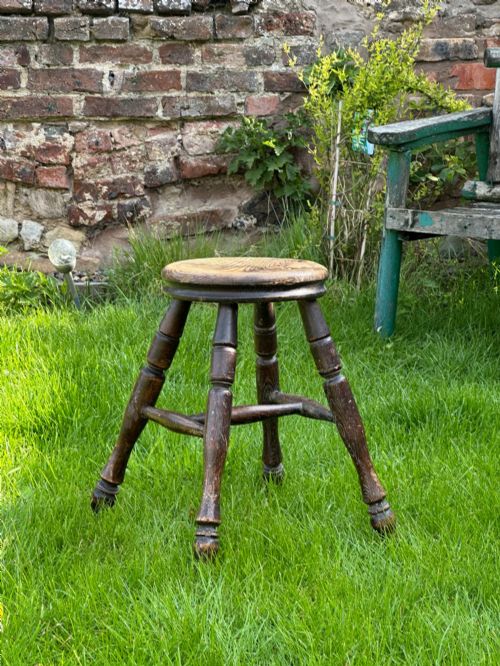


Victorian Hearth Stool
These Victorian hearth stools are sturdy low seats built for warmth and comfort by the fire.
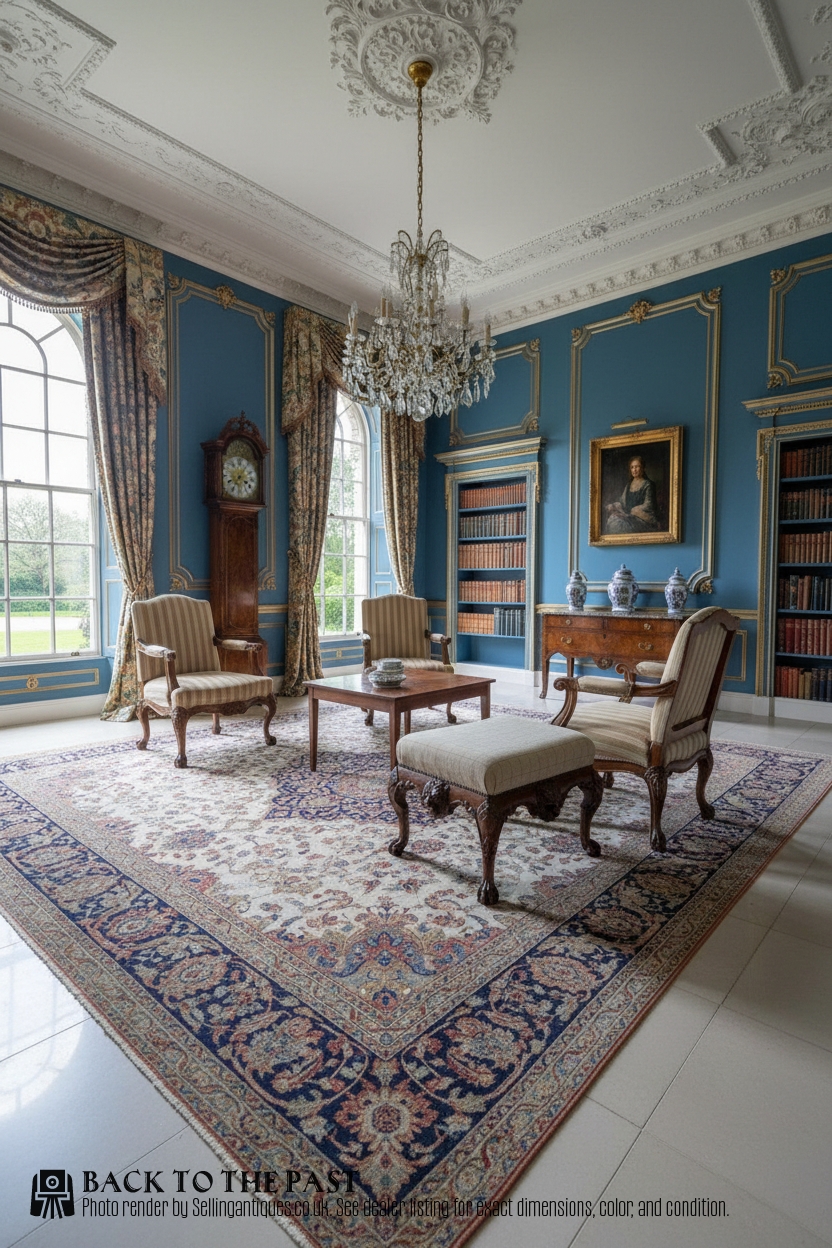
Victorian Hearth Stool
A victorian hearth stool is a low, substantial seat designed to sit comfortably by a domestic fireplace during the nineteenth century. These pieces range from small circular footstools to long rectangular benches intended for stretching out near the grate.
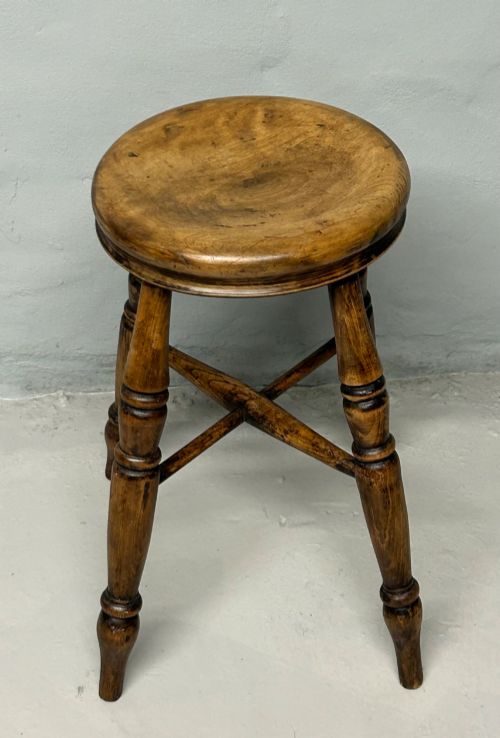
The versions most frequently met on this page originate from the nineteenth century, including specific dates around eighteen sixty and eighteen eighty, alongside general early Victorian examples. They appear in forms such as oblong, circular, and freestanding long stools.
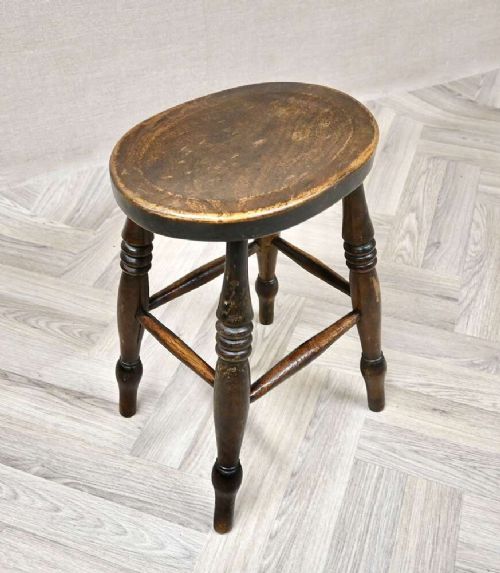
Makers built these items in varied styles that span formal Victorian designs alongside rustic country and Victorian country interpretations. They function equally well today as low coffee tables or traditional fireside seating.
Construction and Materials
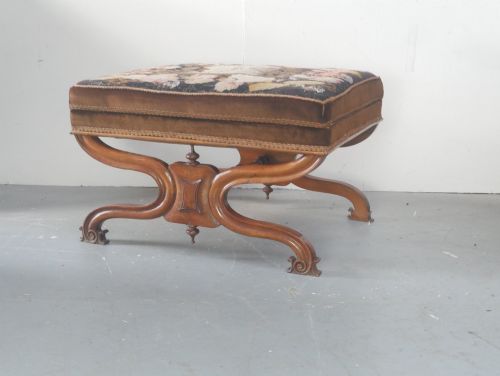
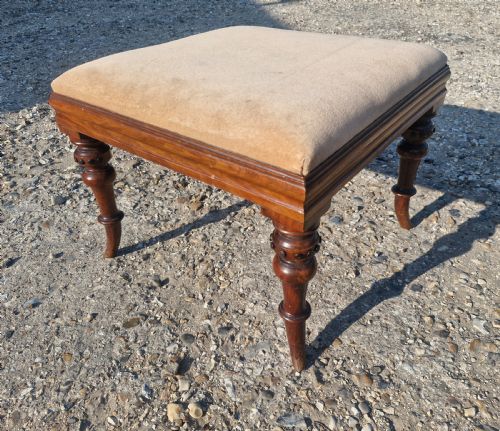
Carpenters utilised durable hardwoods such as walnut, mahogany, and rosewood for the structural frames of these stools. Timber frames frequently incorporated carved details, cabriole legs, and occasional inlaid woodwork.
Upholstered tops relied on traditional materials including wool, textile, leather, and painted elements. Ceramic components and brass details also appear on select pieces to finish the design.
Retail Price Guide 2026
Typical UK retail prices for victorian hearth stool, calculated from the Sellingantiques database of over a million retail prices indexed since 2003. This retail price guide relies exclusively on Sellingantiques data; no external sources or auction records are used, so the figures do not describe the wider market.
This site's listings feature nineteenth-century hearth stools constructed from walnut, mahogany, and rosewood, incorporating wool, leather, and ceramic elements.
Judging Quality
Superior examples separate themselves through the selection of dense timbers like walnut and rosewood rather than softer woods. Finely carved wooden elements and smooth cabriole legs indicate a higher level of cabinetmaker skill.
The caliber of the original upholstery materials, from durable wool to quality leather, reflects the original investment in the piece. Well-integrated decorative inlays and solid joinery distinguish the top tier of these nineteenth-century seats from simpler country versions.
The Victorian Hearth Stool Glossary
- Hearth stool
- A low seat traditionally placed directly in front of a domestic fireplace. These long or oblong forms kept feet off cold stone floors.
- Cabriole leg
- A furniture leg featuring a double curve, typically arching outward then tapering inward to a foot. This style was popular throughout the Victorian period.
- Walnut
- A dense, dark timber utilised extensively for nineteenth-century frames. It allowed for sharp carving and took a fine polished finish.
- Inlay
- A decorative technique where contrasting materials are inserted into recessed portions of the wood base. Walnut pieces often featured this embellishment.
- Footstool
- A low support designed specifically for resting feet while seated in an armchair. These items mirror the timber and upholstery of larger matching furnishings.
Frequently Asked Questions
What is a hearth stool?
A hearth stool is a low nineteenth-century seat designed to sit near an open fireplace. They provided extra seating close to the warmth or served as a rest for tired feet.
Most examples from this era feature solid timber frames with upholstered tops. Their low profile prevented them from blocking the radiant heat of the fire.
How do I date a Victorian stool?
Dating relies on examining the timber species, leg shapes, and upholstery styles. Walnut and rosewood were common choices during different decades of the nineteenth century.
Cabinetmakers shifted stylistic preferences from early Victorian austerity to more elaborate carved details by eighteen eighty. Comparing the construction methods inside the frame helps confirm the period.
Can I use these stools as coffee tables?
Many people repurpose long Victorian hearth stools as low coffee tables in modern interiors. Their sturdy timber frames and substantial length suit this practical role well.
If the upholstery is robust, a large tray placed on top protects the fabric. Alternatively, some owners choose to have the piece re-covered in a durable leather.
What woods were used for Victorian stools?
Cabinetmakers primarily employed hardwoods like walnut, mahogany, and rosewood for these frames. These timbers offered the strength needed for low, weight-bearing furniture.
More rustic country versions utilised mixed native timbers depending on local availability. The choice of wood generally reflects the formality of the original room.
What is the difference between a footstool and a hearth stool?
Footstools are generally smaller items intended for a single person to rest their feet while sitting. Hearth stools tend to be longer, lower benches built to accommodate multiple people near the fire.
While both share nineteenth-century construction methods, hearth stools usually occupy more floor space. Their proportions reflect their primary placement directly in front of the chimney breast.