



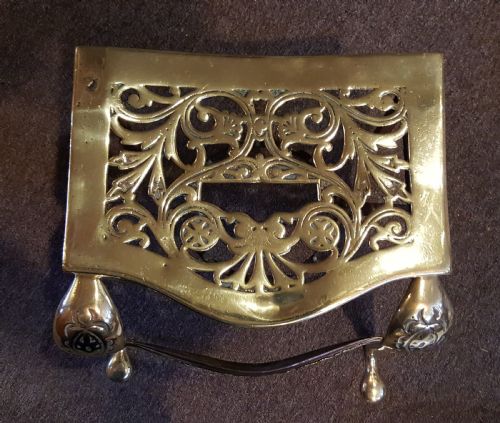
Georgian Hearth Stool
A georgian hearth stool brings low, sturdy fireside seating and metal footmen right to the heart of the room.
Georgian Hearth Stool
A georgian hearth stool encompasses low fireside seating, footstools, and brass or steel footmen designed to sit directly by the fireplace. These pieces serve practical resting purposes near the hearth while anchoring period interior schemes.
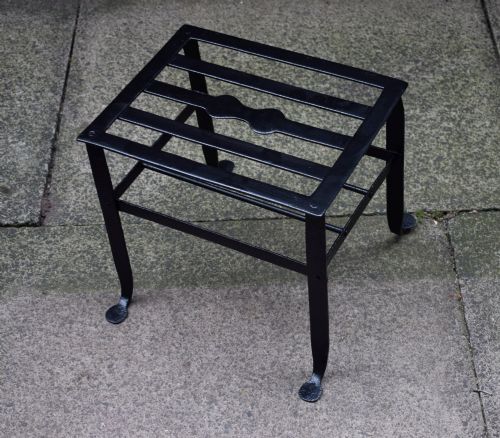
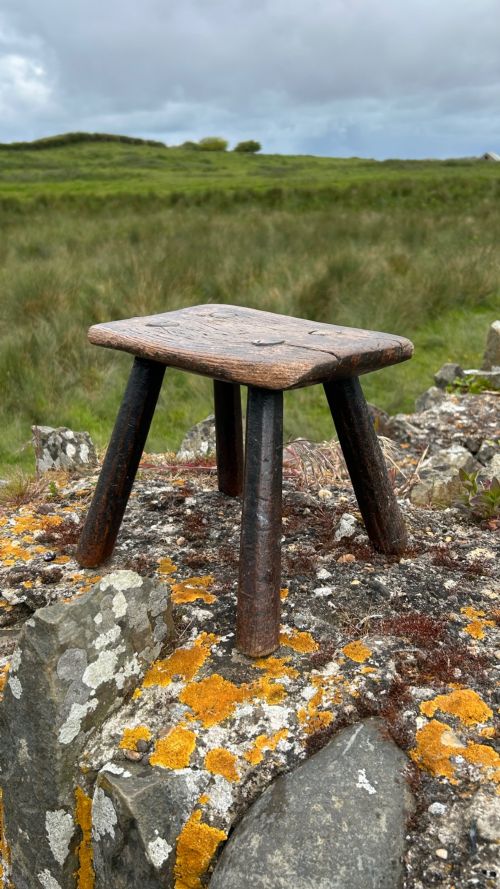
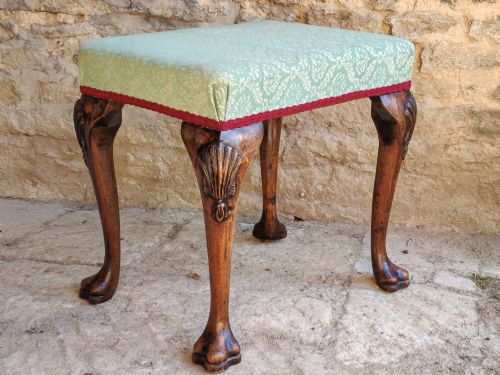
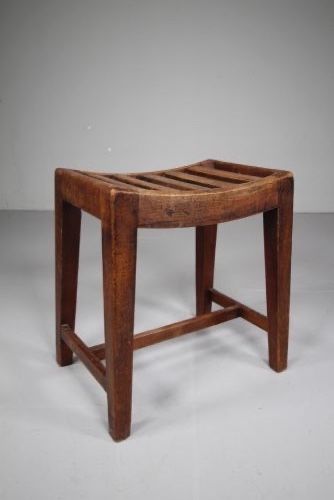
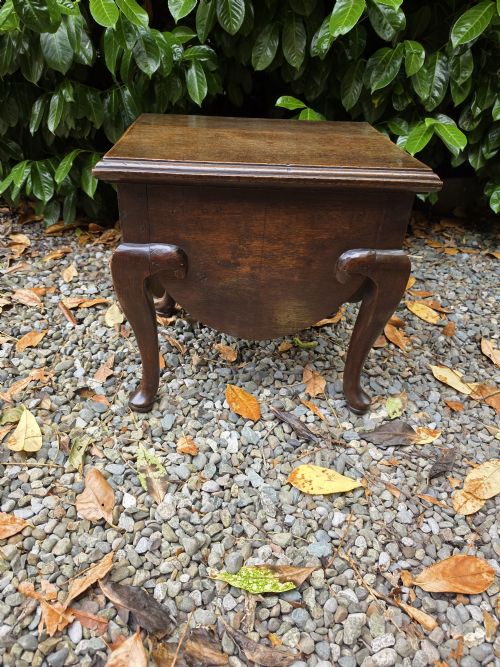
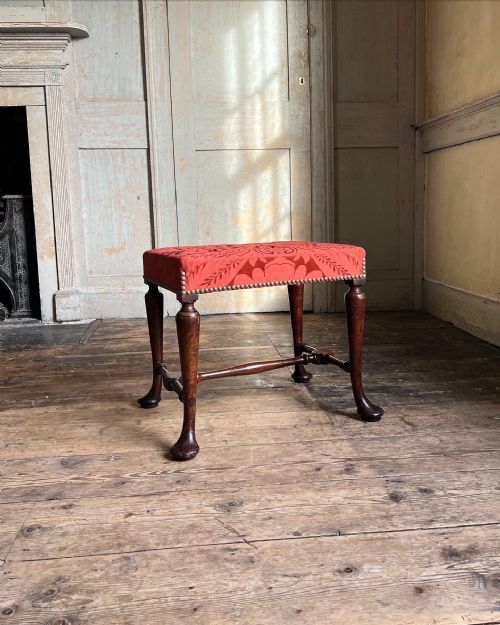
You are most likely to encounter mahogany and oak footstools alongside brass and steel footmen from the eighteenth and nineteenth centuries. Examples range from simple country-house wrought iron to refined mahogany designs with cabriole legs or wool needlepoint upholstery.
Materials and construction
Makers shaped these pieces from solid hardwoods like mahogany, walnut, and oak, often joining them with cabriole legs or slatted tops. Metal variants combined cast brass, wrought iron, and steel to withstand intense fireside heat.
Upholstered versions relied on traditional stuffing finished with wool needlepoint or tweed fabrics. Frame construction prioritised heavy load-bearing strength suited to frequent use beside the hearth.
Georgian Hearth Stool Retail Price Guide 2026
Typical asking prices for georgian hearth stool among the pieces listed under this phrase on Sellingantiques today, from the lower quarter to the upper quarter. They describe what is for sale here now, not the wider market.
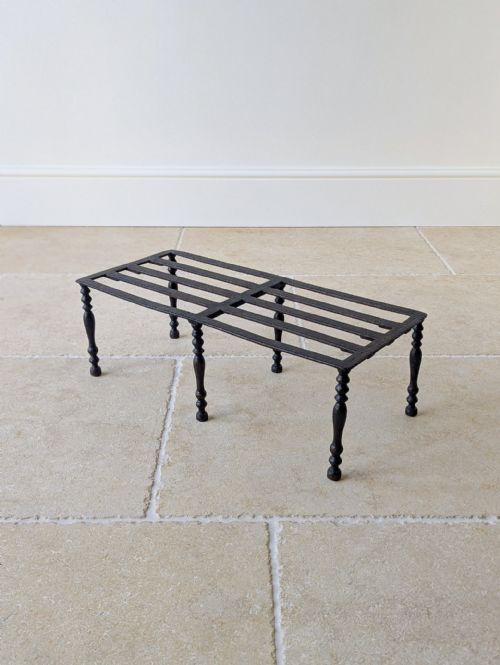
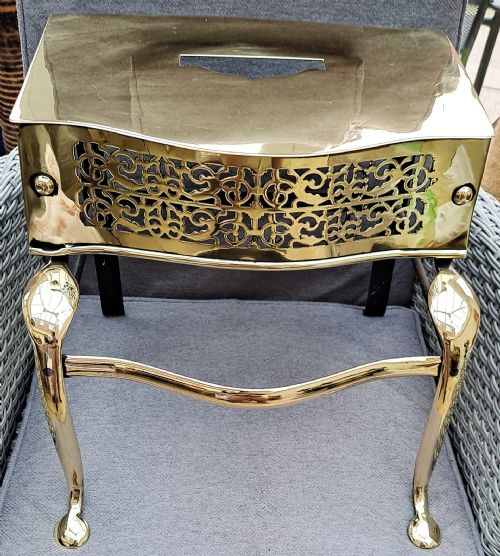
Some metal footmen double as miniature tables, having spent centuries guarding the warmest square foot of the room.
Assessing quality
Quality rests on the crispness of the timber carving, the weight and gauge of the brass or steel work, and the integrity of the underlying frame. Superior examples display thoughtful proportions, such as well-drawn cabriole legs and cleanly shaped slats.
The survival of original upholstery, needlepoint, and untouched metal surfaces separates standard items from finer survivals. Finer pieces demonstrate superior joinery and materials that have aged naturally without losing structural firmness.
The Georgian Hearth Stool Glossary
- Footman
- A metal stand placed by the hearth to keep food warm or to rest the feet. These items typically feature brass tops and steel or iron legs.
- Cabriole leg
- A furniture leg that curves out and then narrows inward with a pad or foot at the base. This form draws inspiration from animal limbs.
- Needlepoint
- Stitched canvas embroidery using wool yarn. It appears frequently as period upholstery on fireside seating.
- Slatted
- Constructed with narrow strips of wood placed at intervals. This technique allowed air circulation and prevented warping near heat sources.
Georgian Hearth Stool: Frequently Asked Questions
What is a hearth stool?
A hearth stool is a low piece of seating or a metal stand placed near a fireplace for comfort or utility. They provide a stable resting place close to the fire.
Historically, these items kept feet elevated off cold floors or served as stands for warming plates and kettles near the flames.
How were brass footmen used?
Brass footmen sat directly on the hearth or close to the grate to hold items near the fire. Their metal construction handled radiant heat safely.
Cooks utilised them to keep food warm before serving, while others used them to warm boots or feet on winter evenings.
How do I spot a Georgian piece?
Look for characteristic timber choices like mahogany and oak, alongside traditional joinery methods. Proportions tend to be robust yet restrained.
Stylistic cues include cabriole legs, shaped aprons, and functional metalwork that reflects eighteenth-century craftsmanship.
Can I use these stools daily?
Most of these pieces are sturdy enough for regular use if the frame and joinery remain sound. Solid wood construction handles everyday weight well.
Consider the condition of original upholstery or antique metal before placing heavy demands on fragile historical elements.