



Vernacular Wooden Footstool
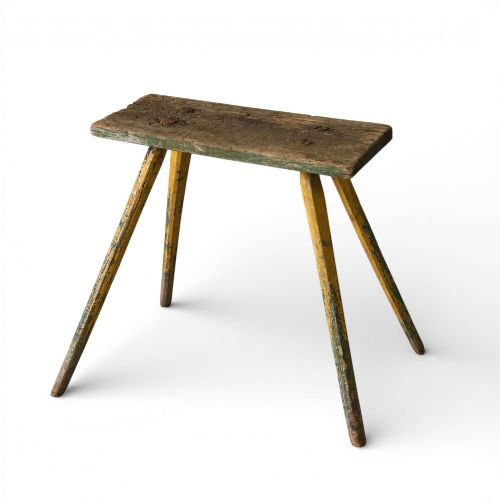
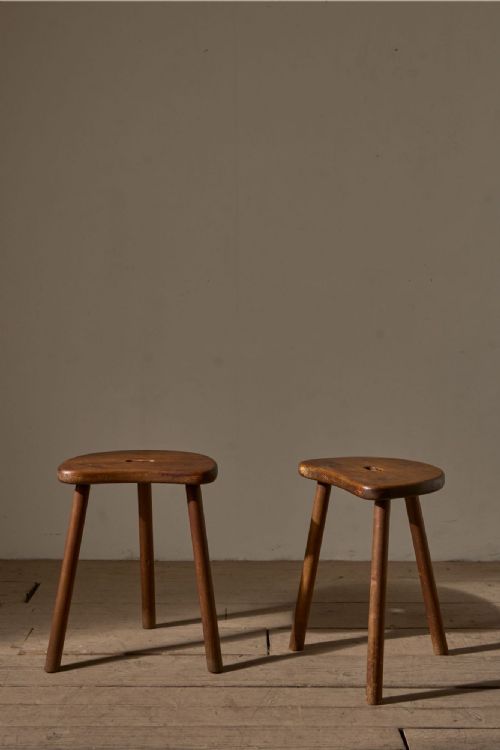
These vernacular wooden footstool examples are honest country pieces shaped by local makers for everyday use.
Vernacular Wooden Footstool
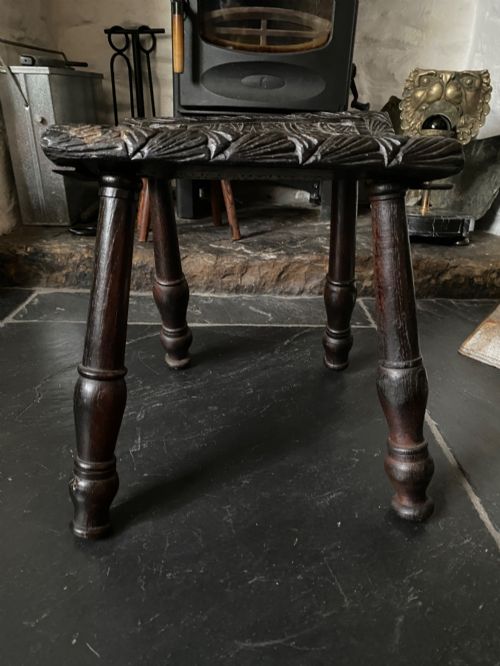
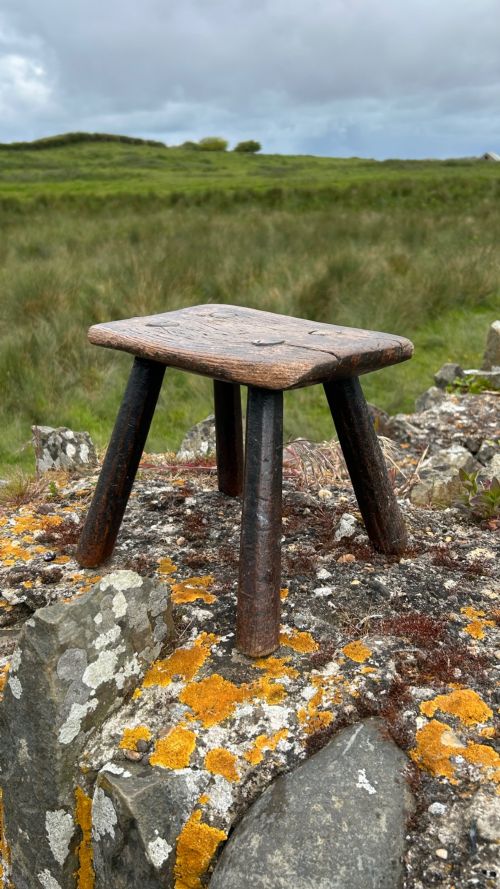
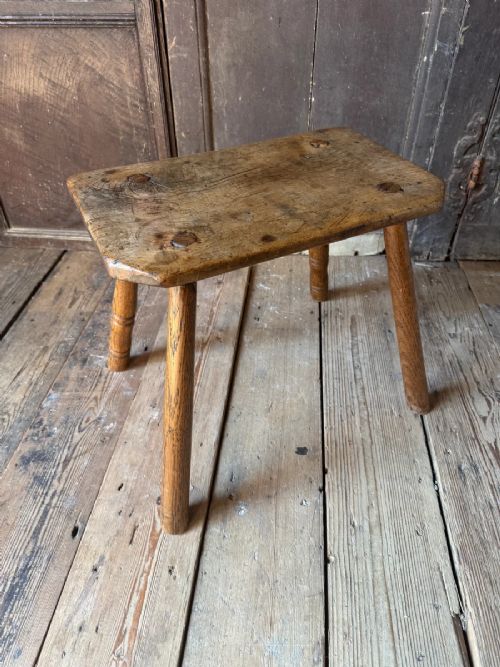
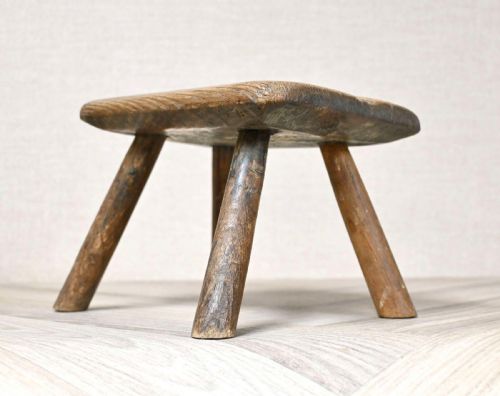
A vernacular wooden footstool represents the everyday domestic seating made by local craftspeople rather than urban workshops. When you search for a vernacular wooden footstool, you encounter low forms intended for hearths, milking, or general resting near the fire.
The pieces on this page span the Georgian period, the nineteenth century, and into the early twentieth century. Common formats include low country stools, tavern seats, hearth benches, and small milking stools.
Origin descriptions cover British country traditions alongside French country examples. Most pieces rely on simple, robust construction designed for utility rather than formal display.
How they were made
Local timber provides the foundation for these stools, utilising native hardwoods and softwoods such as oak, elm, ash, sycamore, beech, and pine. Makers selected these woods for their toughness and local availability rather than decorative grain.
Construction techniques typically involve pegged joints and turned or shaved legs wedged directly into solid plank seats. Some surviving examples retain traces of original paint applied to protect the timber.
Vernacular Wooden Footstool Retail Price Guide 2026
Typical asking prices for vernacular wooden footstool among the pieces listed under this phrase on Sellingantiques today, from the lower quarter to the upper quarter. They describe what is for sale here now, not the wider market.
Some milking stools still bear the faint, polished indentation of a farmer who sat in the exact same spot every single morning.
What varies in quality
Quality in a vernacular wooden footstool rests upon the character of the timber and the honesty of the wear. Pieces with deeply sculpted seats and well-balanced proportions command greater appreciation than plain utility boards.
Surface patination accumulated through generations of daily use distinguishes superior examples. Original dry painted surfaces or rich, untouched wood finishes elevate a piece far above stripped or overly restored alternatives.
The Vernacular Wooden Footstool Glossary
- Vernacular
- Objects made by local craftsmen for regional use rather than to academic architectural or furniture designs. These pieces reflect local traditions and available materials.
- Hearth stool
- A low seat positioned near the fireplace for warmth or domestic tasks. Such pieces usually feature low heights and sturdy timber construction.
- Milking stool
- A small, portable three or four-legged seat traditionally used by agricultural workers. The design prioritised stability on uneven farm floors.
- Patina
- The surface sheen and colour developed over decades through handling, polishing, and natural ageing. This quality indicates genuine age and use.
- Hardwood
- Timber derived from broad-leaved deciduous trees such as oak, ash, elm, and beech. These dense woods provided the durable structure required for country seating.
Vernacular Wooden Footstool: Frequently Asked Questions
How were these stools used originally?
These low seats served multiple purposes around the farmhouse, cottage, or tavern. People sat on them near the open hearth, for milking animals, or simply for resting weary feet.
Their compact size made them easily portable around cramped rooms. They were dragged across stone floors and placed wherever an extra seat was required.
How do I date a wooden footstool?
Dating relies upon observing tool marks, timber selection, construction methods, and overall wear patterns. Georgian and nineteenth-century pieces often display hand-sawn boards and pegged joinery.
Changes in proportion and the presence of original surfaces also help establish age. Comparing the footstool to documented period examples clarifies its era of manufacture.
How do I care for antique country wood?
Maintain antique timber by keeping it away from direct heat sources and sudden humidity shifts. Stable indoor conditions prevent the wood from drying out or splitting.
Apply a light microcrystalline wax sparingly to nourish the surface without building up residue. Gentle dusting with a dry cloth is sufficient for regular maintenance.