





Rustic Country Hearth Stool
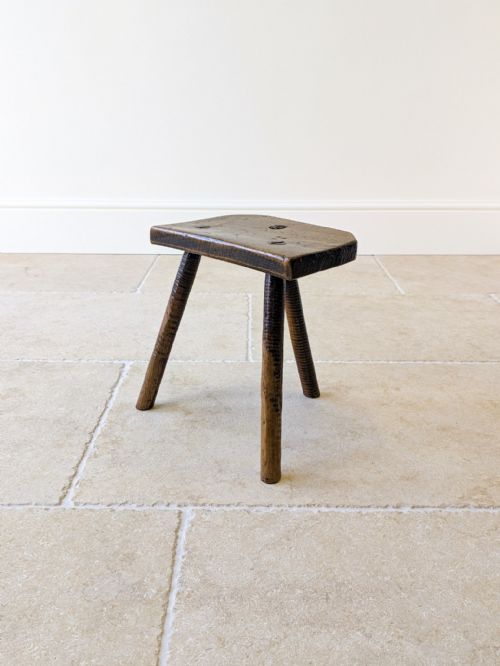
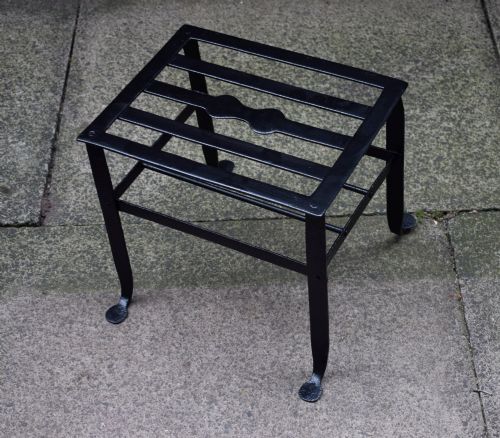
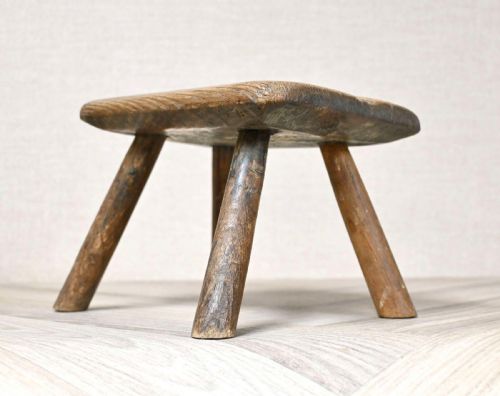
These rustic country hearth stool examples are low, honest seats shaped by vernacular hands from oak, elm, beech, and rush.
Rustic Country Hearth Stool
A rustic country hearth stool is a low, utilitarian seat designed for practical use near an open fire in traditional homes. These pieces are built with functional simplicity, serving modest households rather than formal parlours.
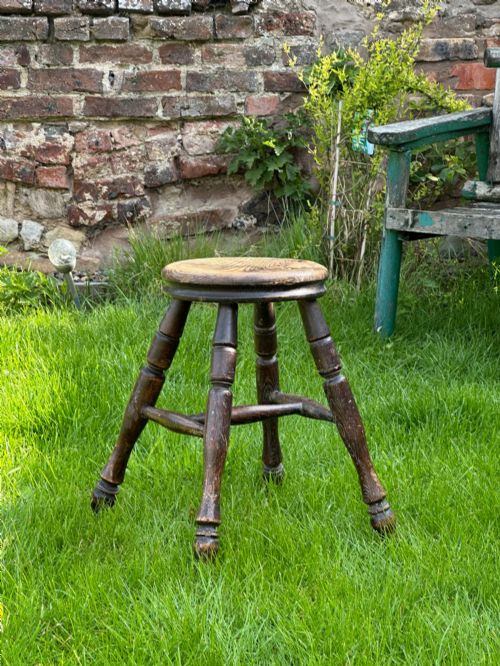
You are most likely to meet nineteenth century examples on this page, alongside occasional eighteenth century and Georgian survivors. They appear predominantly in forms like low stools, Windsor oval seat stools, and storage boxes.
The materials reflect whatever timber and seating fibres were locally abundant to the maker. Oak, elm, beech, and rush dominate the listings, showing the practical choices of regional craftsmen.
Materials and construction
Makers utilised solid native timbers such as oak, elm, and beech for stability and everyday hard wear. These woods were often combined within a single piece, using beech for turned legs and elm or oak for solid timber seats.
Rush was woven tightly to form supportive and tactile seating surfaces on specific low forms. Joinery methods relied on sturdy pegged construction and traditional turning techniques suited to vernacular workshops.
Rustic Country Hearth Stool Retail Price Guide 2026
Typical asking prices for rustic country hearth stool among the pieces listed under this phrase on Sellingantiques today, from the lower quarter to the upper quarter. They describe what is for sale here now, not the wider market.
One remarkably tidy rush seat survived centuries of muddy boots to emerge into the twentieth century.
Judging quality in vernacular seating
Quality rests in the integrity of the timber selection and the balance of proportions. A more accomplished stool demonstrates harmonious scaling between the seat and its supports rather than crude mass.
The character of the surface wear and the honesty of the construction dictate the desirability of the piece. Untouched timber surfaces bearing the marks of traditional tools outrank heavily sanded or modernised replacements.
The Rustic Country Hearth Stool Glossary
- Windsor
- A chair or stool construction method featuring turned legs and spindles wedged directly into a thick solid wooden seat.
- Vernacular
- Architecture and objects made by local craftsmen using traditional regional designs and materials, without academic architectural training.
- Rush
- Water plant stems twisted into cord and woven tightly to create resilient, flexible seating surfaces.
- Primitive
- A descriptive term for early or provincial objects made with basic tools and direct methods, lacking academic refinement.
Rustic Country Hearth Stool: Frequently Asked Questions
What is a rustic country hearth stool used for?
These low seats were kept close to the open hearth for warmth and convenience during long winter evenings. Their modest height kept occupants out of ground draughts while remaining near the fire.
They also functioned as auxiliary perches or simple work platforms around the farmhouse kitchen. Their robust construction suited the demands of daily rural labour.
How do I date an antique country stool?
Dating relies on observing tool marks, timber species, and construction methods. Eighteenth century examples often show hand- pit-sawn boards and trunions, while nineteenth century versions utilise more uniform turned components.
Comparing the wear patterns and the method of leg attachment helps establish the likely era of manufacture. Vernacular pieces often retain traditional methods long after urban workshops have moved on.
Which woods are most common in these stools?
Oak and elm appear frequently in the seats, valued for their toughness and resistance to splitting. Elm was particularly favoured for solid seats because its interlocking grain resists cracking.
Beech is commonly found in the turned legs and stretchers due to its dense, even texture. Pine and general hardwood also appear in provincial pieces where available locally.
Are rush seats original to these pieces?
Rush was a traditional seating material utilised for its comfort and availability in wetland regions. Many surviving stools retain their woven rush surfaces or show evidence of historical re-sewing.
Checking the tightness of the weave and the material helps determine whether the seating is period or a later replacement. Original rush shows natural darkening and flattening from use.