



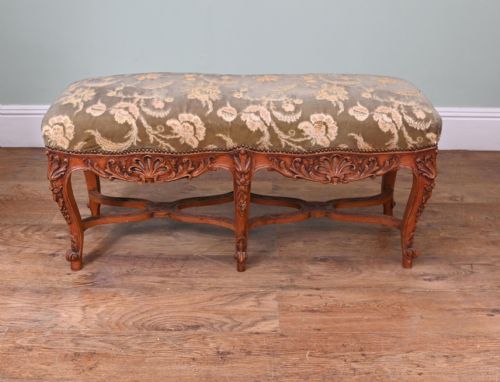
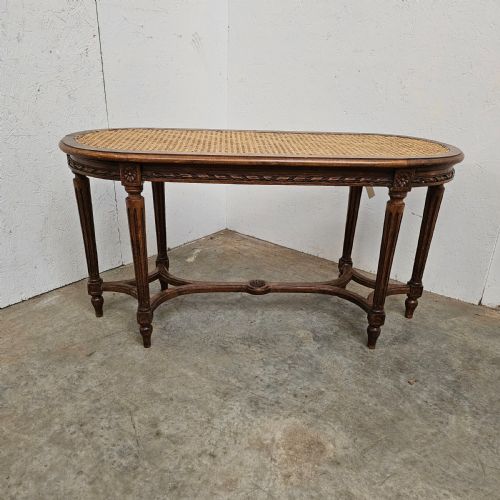


French Provincial Stool
These french provincial stool selections bring rustic charm and traditional seating into your home, offering authentic regional design.
French Provincial Stool
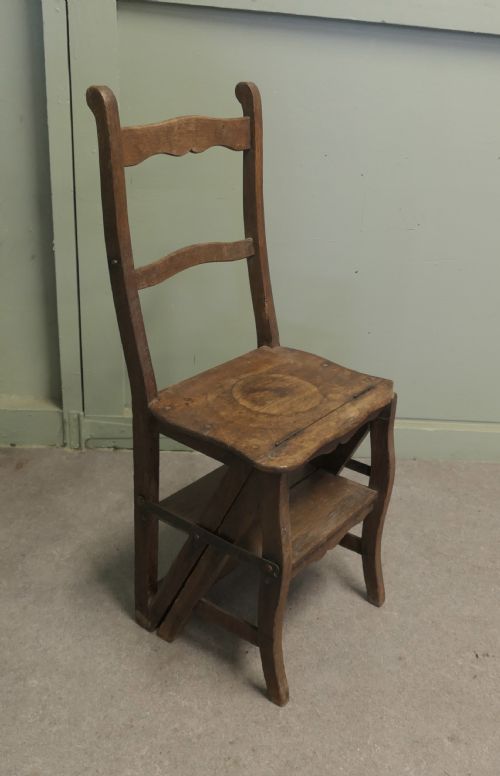
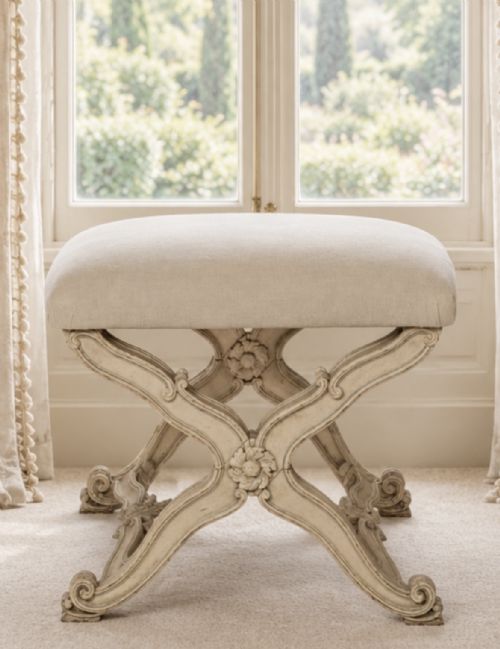
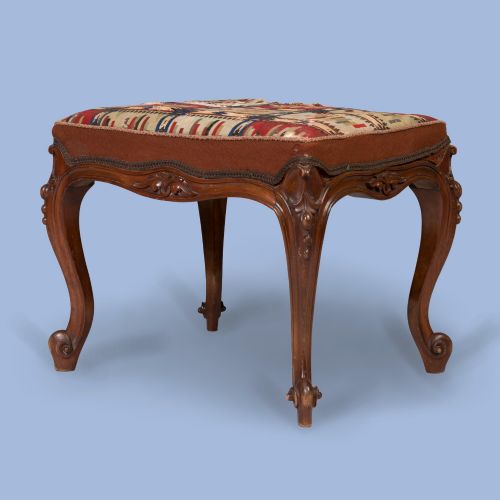
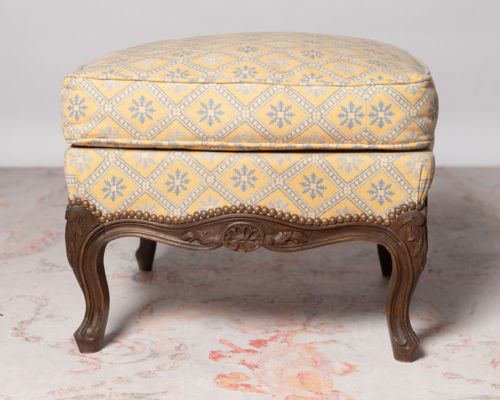
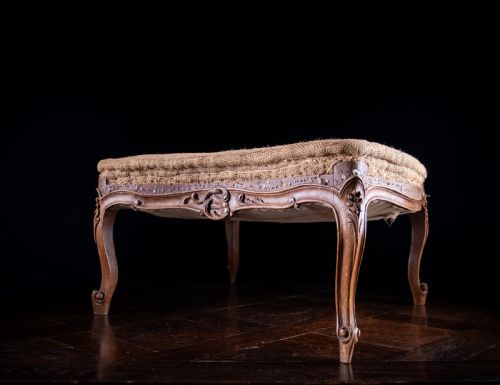
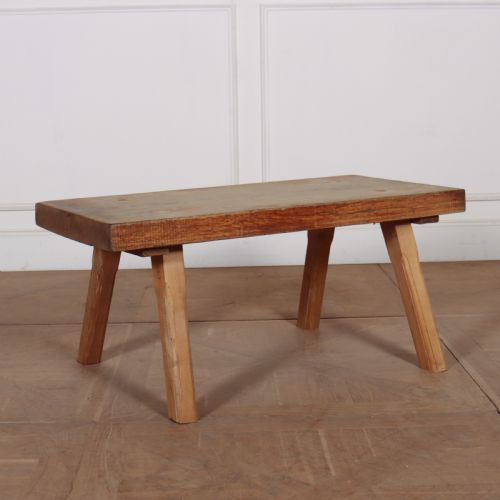
A french provincial stool encompasses various seating forms from the nineteenth and early twentieth centuries, including footstools, window seats, and benches. These pieces often reflect vernacular rural traditions alongside more formal Louis XV and Régence influences.
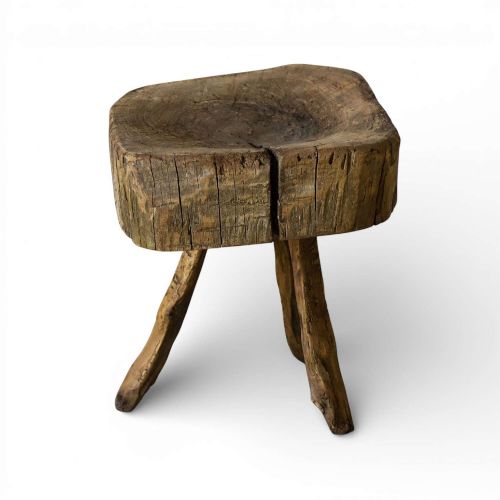
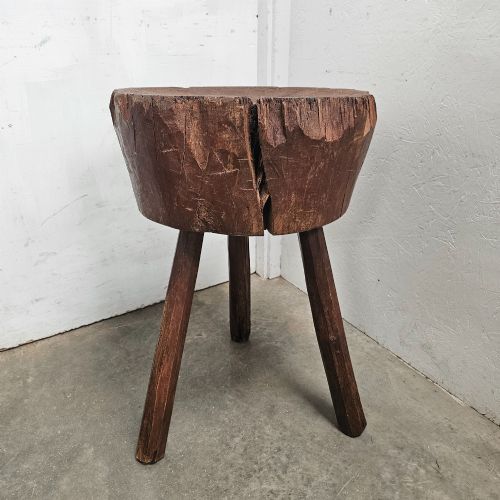
You will frequently encounter sturdy beech, oak, and elm examples on this page, ranging from rustic game blocks to carved decorative stools. Many pieces show regional French characteristics, from simple country pine benches to painted boudoir seats.
How They Were Made
Carpenters utilised solid hardwoods such as beech, walnut, oak, elm, and cherry to construct these frames, often employing hand-carved details. Many pieces exhibit traditional joinery suited to daily rustic use.
Surfaces frequently display painted finishes, gilding, or natural wood patination, sometimes paired with applied brass elements. Seats incorporate woven cane, tapestry work, or plain fabric ready for new upholstery.
French Provincial Stool Retail Price Guide 2026
Typical asking prices for french provincial stool among the pieces listed under this phrase on Sellingantiques today, from the lower quarter to the upper quarter. They describe what is for sale here now, not the wider market.
Listings span the nineteenth and early twentieth centuries, featuring woods such as beech, oak, walnut, elm, and cherry alongside painted and fabric finishes.
What Varies in Quality
The refinement of the hand-carving sets finer Louis XV and Régence style examples apart from simpler vernacular pieces. Crisp detailing in the woodwork indicates a higher standard of regional cabinetmaking.
The integrity of the original timber frame and the presence of period surfaces, such as early paint or undisturbed patination, determine the character and standing of each piece.
The French Provincial Stool Glossary
- Beech
- A dense hardwood commonly utilised for French provincial furniture frames due to its strength and suitability for carving. It often accepts painted finishes well.
- Louis XV Style
- A design movement characterised by asymmetric curves, natural scrollwork, and cabriole legs. Pieces in this style display fluent organic ornamentation.
- Cane
- Woven material made from rattan peel, frequently employed for light and resilient seat panels. It provides a textured surface typical of traditional seating.
- Vernacular Rural
- Design originating from local traditions and practical domestic needs rather than court fashions. These objects prioritise robust construction and simple utility.
French Provincial Stool: Frequently Asked Questions
Where were these stools used?
These seating pieces served practical functions throughout the home, from bedrooms and boudoirs to living spaces and window recesses.
Larger benches and window seats provided convenient seating, while smaller low stools functioned as footrests or casual perches.
How do I care for wooden frames?
Maintain the timber by keeping pieces away from direct heat sources and sudden humidity changes that might affect the wood.
Apply a gentle wax polish periodically to nourish dry surfaces and preserve the natural patination built up over decades.
Are the upholstery fabrics original?
Many listings feature replacement coverings or require new upholstery to suit modern interiors, though some retain period tapestry or fabric.
Uncovered frames offer an opportunity to select textiles that complement your existing decor while respecting the piece's era.
How do I distinguish regional styles?
Look at the woodwork to separate formal court revivals from everyday country pieces, noting the presence of carved scrolls versus plain timber.
Regional variations appear in the turning of legs, the choice of local woods like elm or cherry, and the simplicity of the overall construction.