


Antique French Ottoman
An antique french ottoman brings versatile seating and period character to a room, offering low-profile elegance shaped by centuries of stylistic revival.
What these pieces are
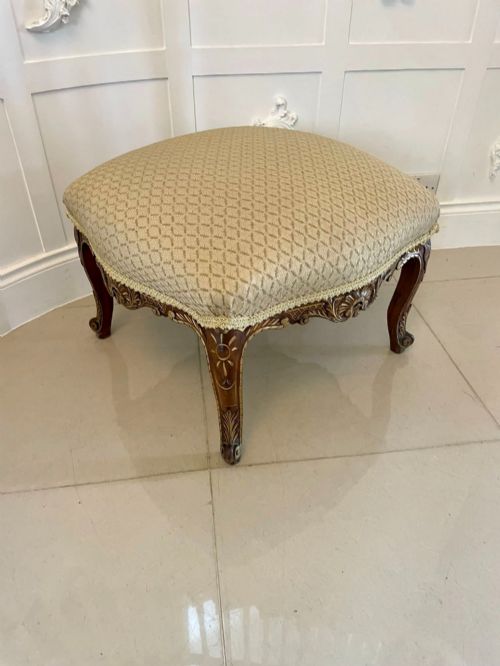
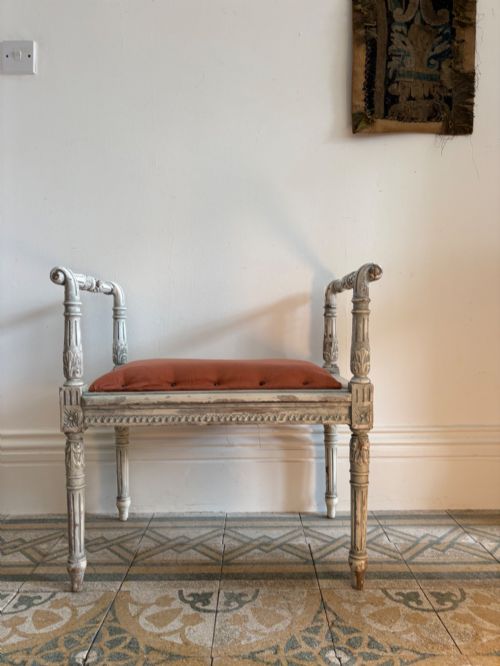
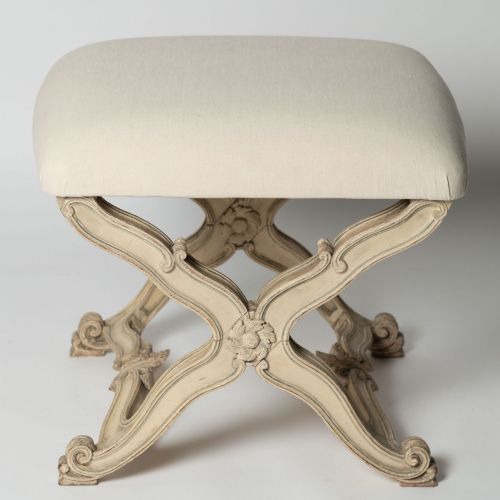
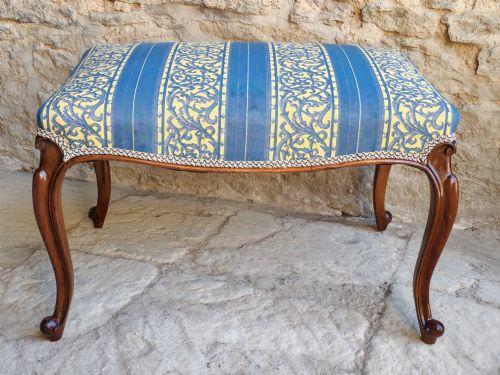
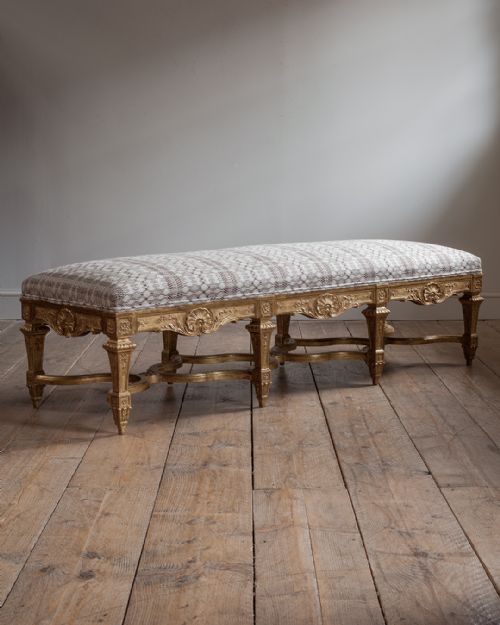
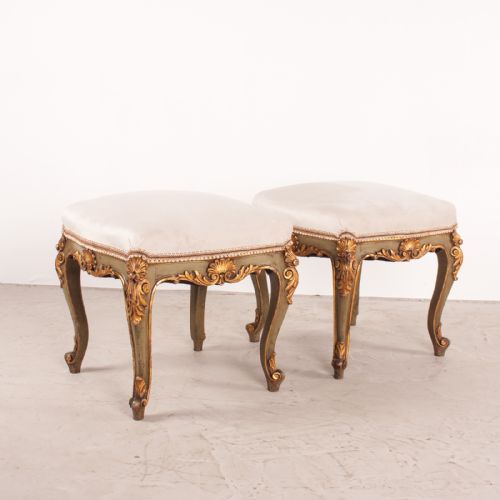
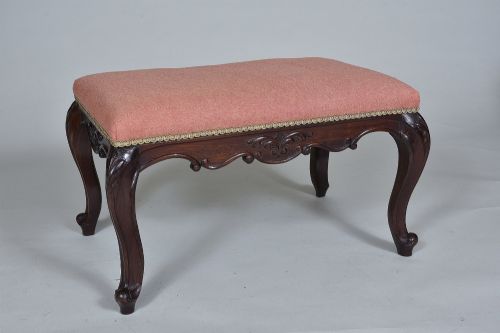
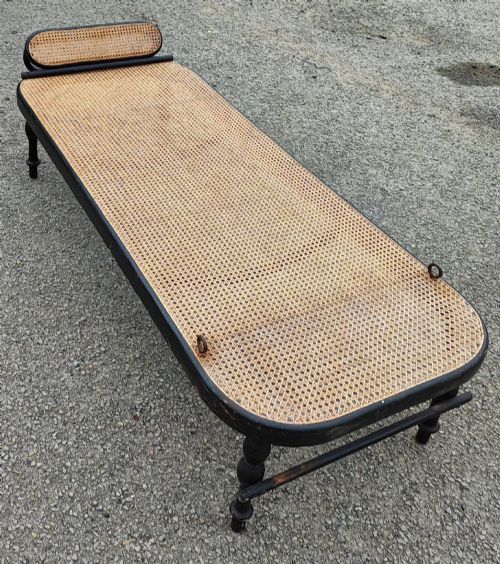
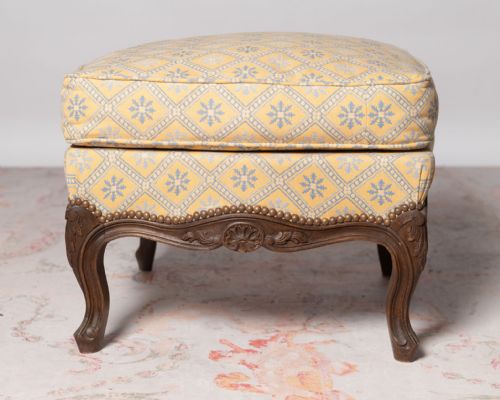
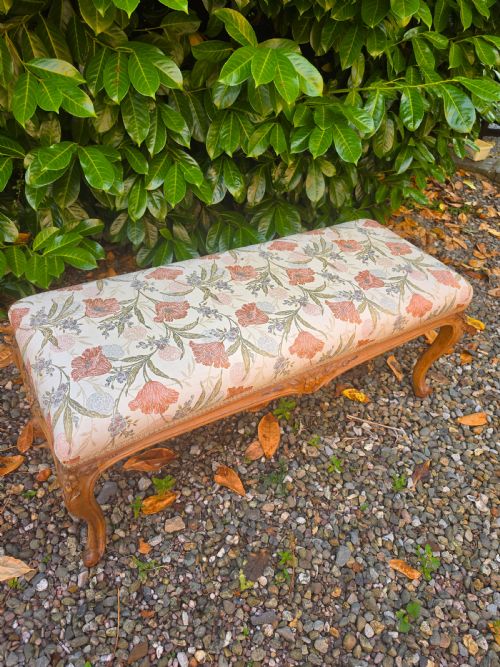
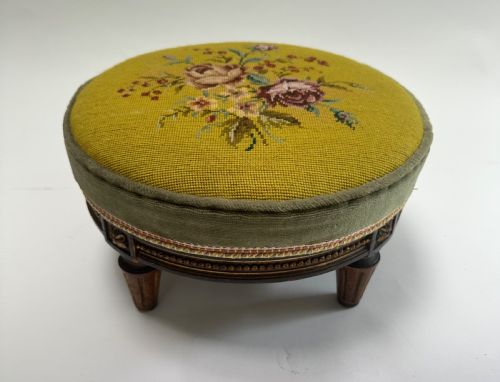
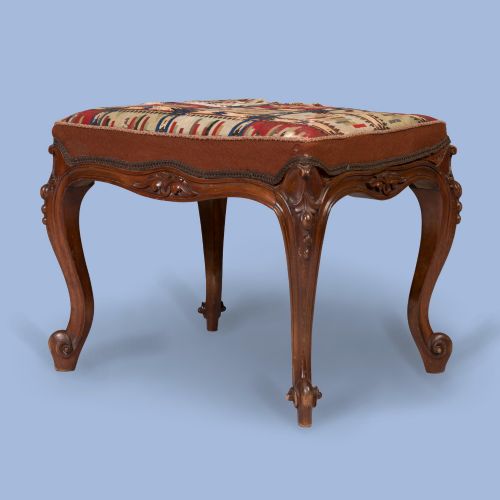
When you search for an antique french ottoman, you enter a category of low seating, footstools, window seats, and duet stools spanning the nineteenth century and early twentieth century. These furnishings range from simple painted wooden stools to large upholstered ottomans suited for use as impromptu coffee tables or window seats.
The most common examples you meet on this page belong to the nineteenth century, often reflecting historic revival movements such as Louis XV, Louis XIV, and the French Empire style. They combine functional seating with decorative woodwork, serving as both practical room additions and focal points of period design.
Originating primarily from France, these pieces incorporate traditional forms like the duet music stool and the long window seat. Their diverse proportions mean you will find compact footstools alongside substantial multi-person ottomans.
How they were made
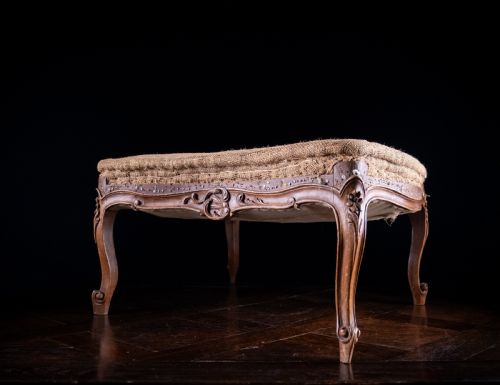
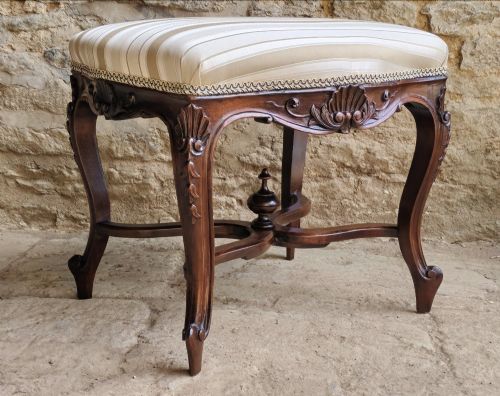
Maker workshops built these frames using robust timbers such as beech, walnut, and painted wood, often applying carved detailing associated with Rococo and classical revivals. Giltwood also appears among the surviving pieces, showing how craftsmen highlighted structural ornament with metallic leaf.
Upholstery foundations relied on traditional textiles and supportive materials including hessian, calico, jute, and linen to pad the seats. These natural fabrics provided the tensile strength needed to support continuous seating and footrest use over generations.
Retail Price Guide 2026
Typical UK retail prices for french ottoman, calculated from the Sellingantiques database of over a million retail prices indexed since 2003. This retail price guide relies exclusively on Sellingantiques data; no external sources or auction records are used, so the figures do not describe the wider market.
Some of these nimble nineteenth-century footstools have spent more time supporting tired feet than actual royalty ever spent on thrones.
What varies in quality
The distinction between ordinary and exceptional pieces rests in the execution of the timber carving and the fidelity of the stylistic revival. Superior examples exhibit crisp, hand-carved details on beech or walnut frames, whereas simpler variants rely on basic painted wood without sculptural relief.
Upholstery build and material choice also define the upper tier of the range. Pieces retaining robust internal webbing and quality foundational layers like hessian and linen demonstrate a higher standard of original craftsmanship compared to those with basic or modernised internal padding.
The Antique French Ottoman Glossary
- Beech
- A dense hardwood commonly utilised for furniture frames due to its strength and ability to hold fine carved details. It forms the structural skeleton of many nineteenth-century French stools.
- Giltwood
- Timber treated with a thin layer of gold leaf or metallic gilt paint to create a lustrous decorative finish. This technique was favoured in formal revival pieces to impart opulence.
- Hessian
- A coarse woven fabric typically manufactured from jute fibres, serving as a traditional foundation layer for upholstery support. It holds stuffing securely within the frame.
- Duet stool
- An elongated seating form designed to accommodate two people simultaneously, frequently associated with piano or window placement. These wider formats often double as ottomans.
- Napoleon III
- A nineteenth-century French design period known for eclectic revivals of past royal styles, characterised by ornate decoration and comfortable upholstered forms.
Frequently Asked Questions
What is an antique french ottoman?
An antique french ottoman is a low upholstered seat or footstool originating from France, typically dating from the nineteenth century. These pieces encompass various forms including window seats, duet stools, and large coffee table alternatives.
They combine decorative wooden frames with functional padding, designed to serve multiple seating and resting purposes within a domestic interior.
How were these ottomans used originally?
Originally, these furnishings served as footrests, window seating, or duet music seats placed beside pianos and desks. Their sturdy frames and upholstered tops provided comfortable perches or places to rest legs.
Over time, many of the larger rectangular formats transitioned into functional coffee table placements within modern living spaces.
How do I identify different periods?
Identifying periods involves examining the stylistic revival cues present in the woodwork, such as Louis XV curves, Louis XIV symmetry, or Empire classical motifs. Nineteenth-century pieces often blend these historic references with the manufacturing techniques of their specific decade.
Constructive materials like beech, walnut, and traditional textiles such as hessian and calico help anchor the piece within the eighteen-hundreds or early nineteen-hundreds.
How do I live with an antique ottoman?
Living with these pieces involves placing them as central room accents, footrests, or impromptu seating options in studies and living rooms. Their low profiles allow them to sit comfortably beneath windows or in front of sofas without blocking light or sightlines.
Care for the wooden frames and traditional upholstery requires gentle cleaning and protection from direct sunlight to preserve the exposed timber and natural fabrics.