



French Country Footstool
A french country footstool brings tactile comfort and understated regional charm to any room through classic carved woodwork and tactile upholstery.
French Country Footstool
A french country footstool represents a tradition of domestic seating designed for comfort and informal utility in French interiors. These pieces take the form of small stools, benches, and ottomans spanning the nineteenth century and the year nineteen hundred.
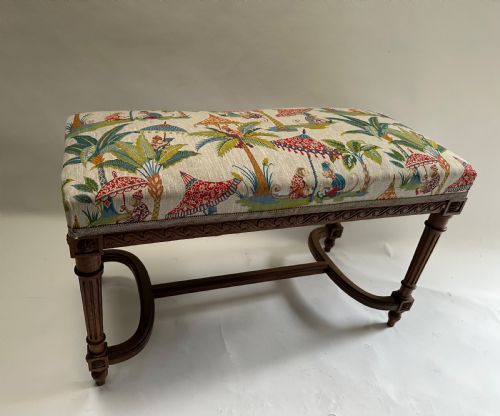
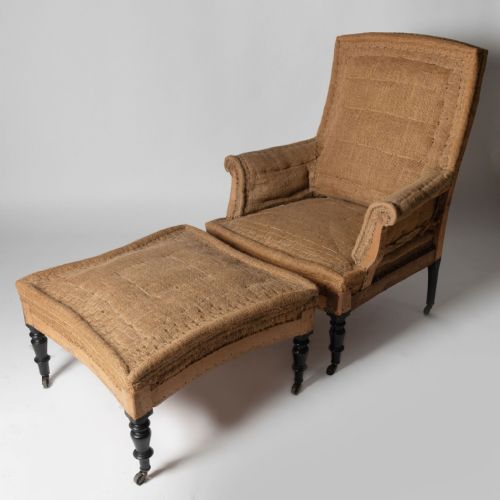
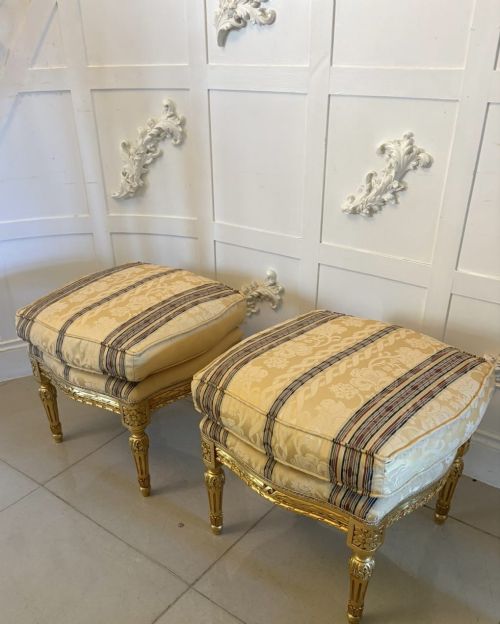
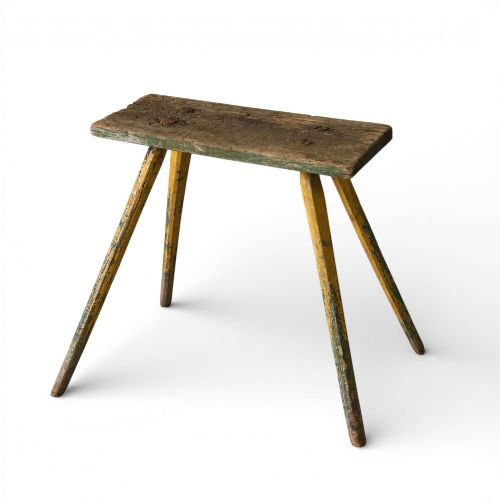
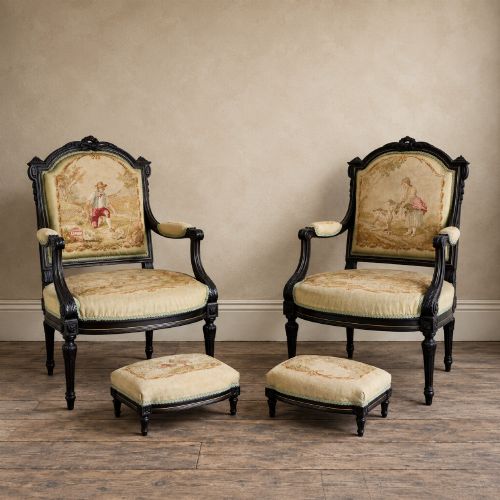
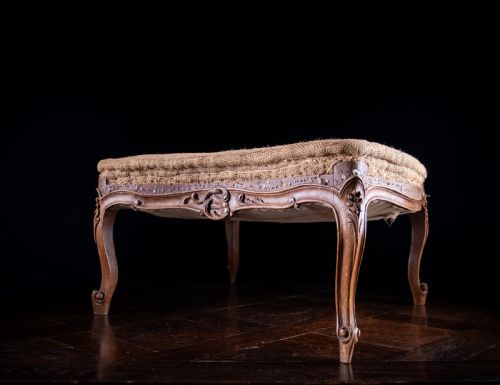
The selections encountered here range from simple rustic frames to refined Louis XV style carved beech foot stools. Examples appear in various guises, including antique tapestry poufs and unfinished frames ready for new upholstery.
How They Were Made
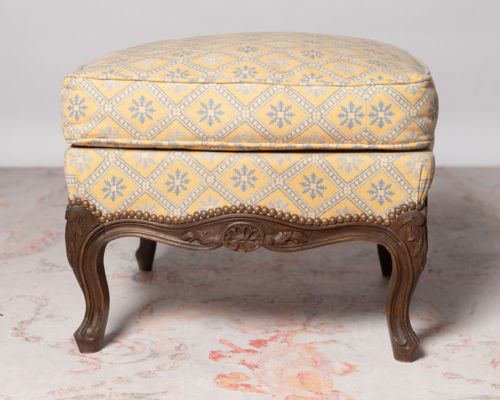
Construction relies on solid hardwoods such as beech and walnut, shaped through traditional carpentry and hand carving. Frames often display curved cabriole legs and decorative moulding characteristic of French provincial cabinetmaking.
Upholstery materials include hessian, jute, and wool needlepoint, frequently finished with brass details. Many pieces retain original tapestry work or are offered with exposed foundations ready for custom fabric.
French Country Footstool Retail Price Guide 2026
Typical asking prices for french country footstool among the pieces listed under this phrase on Sellingantiques today, from the lower quarter to the upper quarter. They describe what is for sale here now, not the wider market.
Listings feature items dated across the nineteenth century and nineteen hundred, constructed from walnut, beech, brass, tapestry, and wool needlepoint.
What Varies in Quality
Quality rests primarily in the crispness of the hand carving on the wooden frames and the structural integrity of the joints. Finer examples display balanced proportions, seasoned hardwoods, and harmonious integration of decorative elements.
The execution of the textile work further defines the tier of the piece, from simple utilitarian hessian bases to intricate wool needlepoint and tapestry seats. The presence of period textiles or well-executed traditional upholstery elevates the character of the stool.
The French Country Footstool Glossary
- Cabriole leg
- A furniture leg that curves outward and then tapers inward, mimicking an animal's leg. This form is common in French provincial and Louis XV revival seating.
- Beech
- A dense, hard timber favoured for furniture frames due to its ability to hold fine detail when carved. It is frequently seen in French footstools from the nineteenth century.
- Tapestry
- A heavy hand-woven or needlepoint textile used for upholstery, depicting floral or figural scenes. It provides both decorative pattern and durable seating.
- Hessian
- A coarse woven fabric, often made from jute fibres, used historically as a structural support layer beneath outer upholstery. It forms the unseen foundation of traditional seating.
French Country Footstool: Frequently Asked Questions
What is a french country footstool?
A french country footstool is a low seating piece originating from France, typically featuring carved wooden frames and textile tops.
These items range from modest nineteenth-century stools to ornate revival pieces designed for domestic comfort.
How old are these footstools?
The pieces available date from the nineteenth century up to around nineteen hundred.
They reflect historical French design periods including the Louis XV style and French provincial aesthetics.
What woods were used?
Cabinetmakers utilised sturdy timbers such as walnut and beech for the structural frames.
These hardwoods allowed artisans to carve decorative motifs while maintaining everyday durability.
What is a ready for upholstery stool?
Some pieces are offered as bare wooden frames without final fabric covers, ready for custom work.
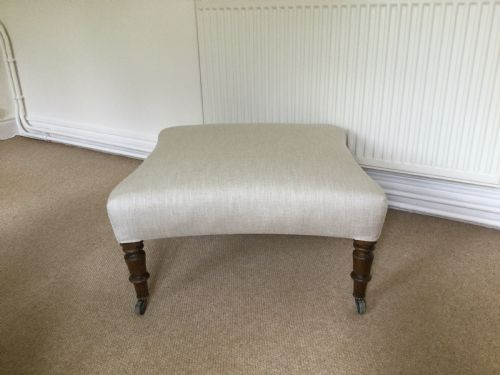
This allows buyers to select their own textiles, such as wool needlepoint or modern fabrics, to suit a specific interior.