
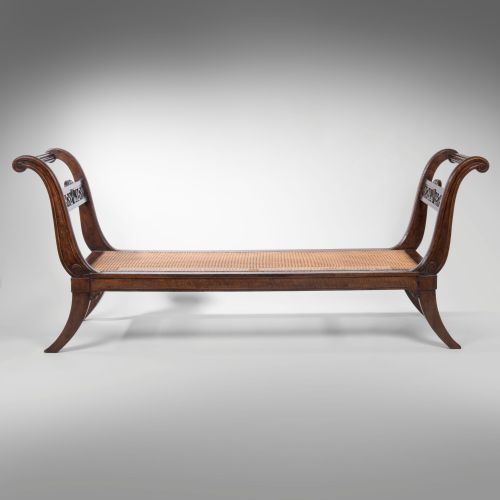


Nineteenth Century Stool
A nineteenth century stool brings period seating into a room, offering practical utility through diverse wood frames and upholstery.
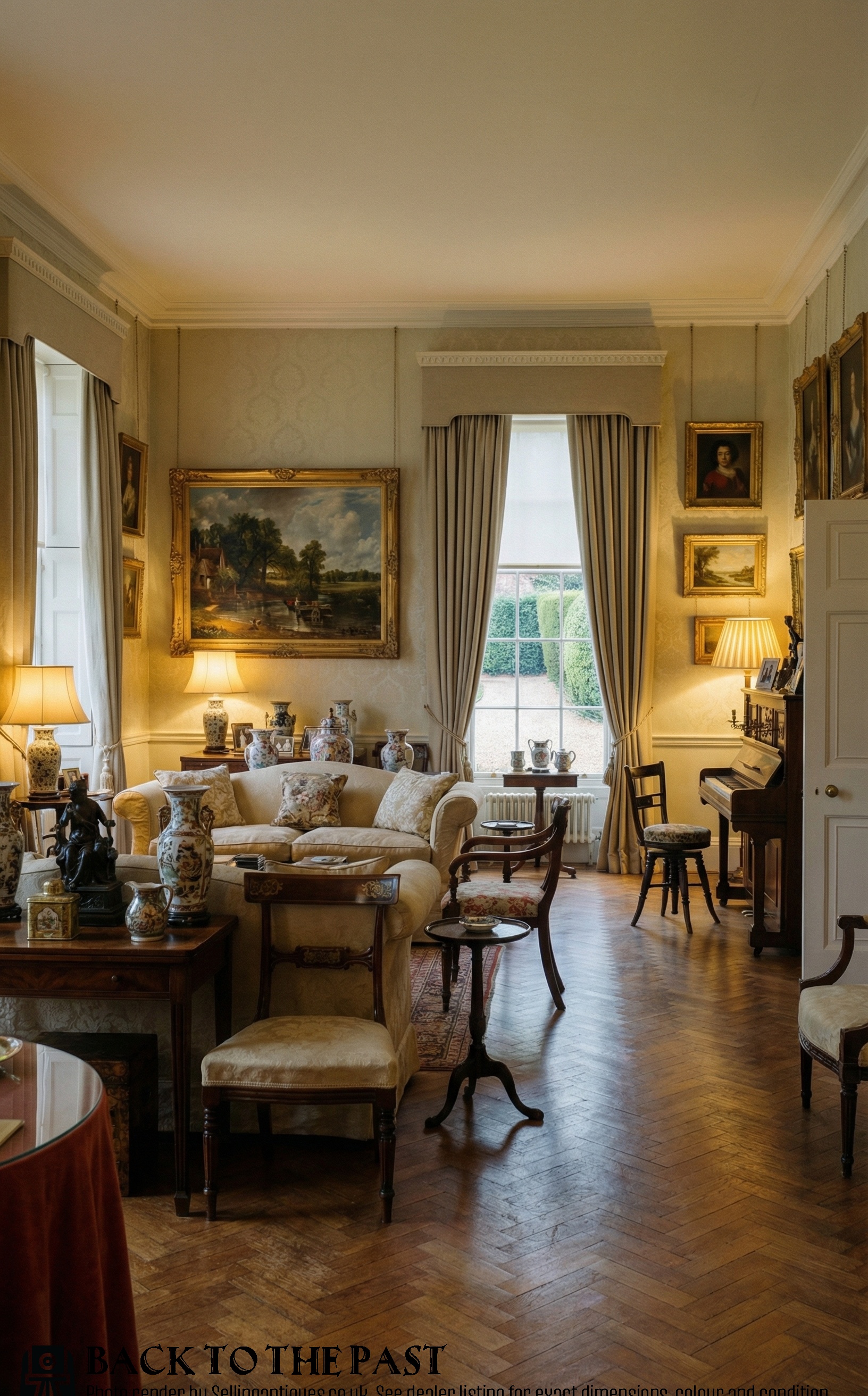
Identifying a Nineteenth Century Stool
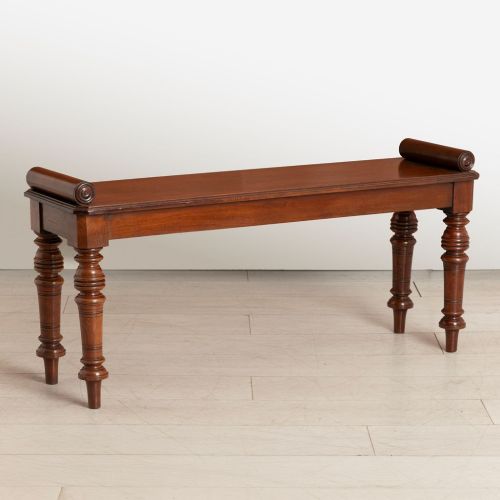
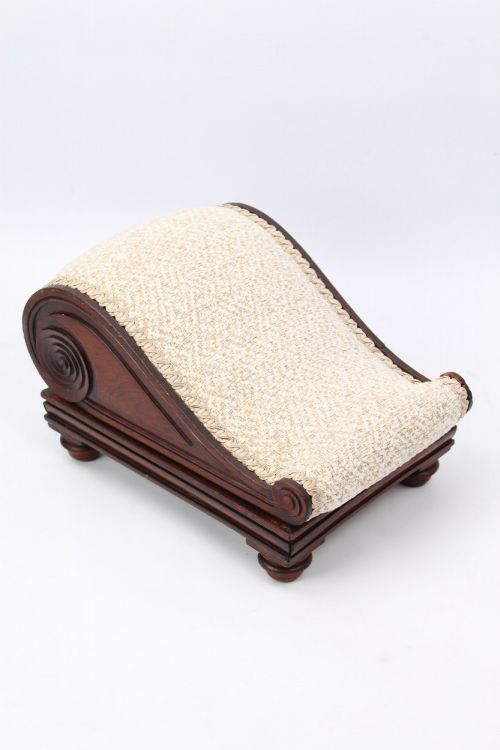
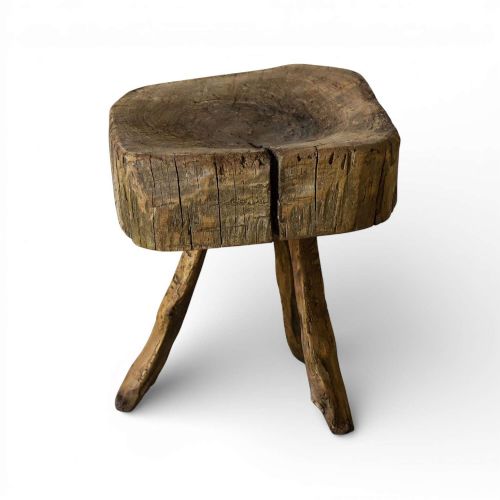
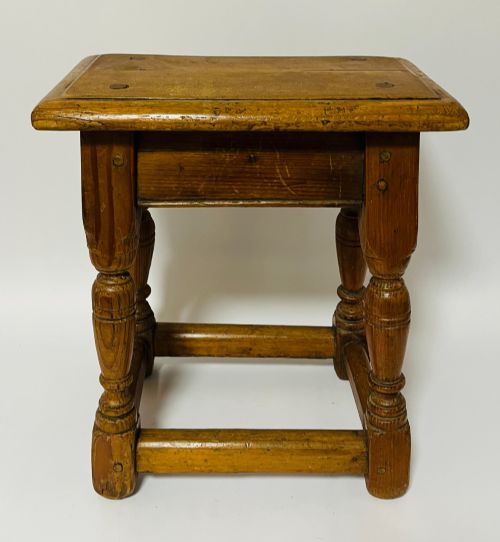
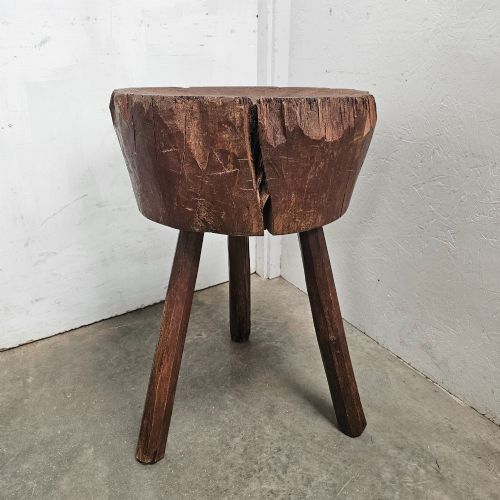
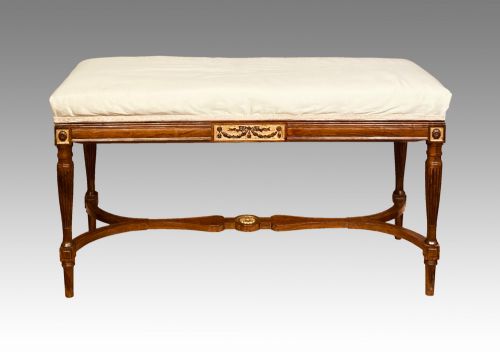
A nineteenth century stool encompasses footstools, piano stools, music stools, duet stools, and dressing stools spanning multiple decades. The pieces range from vernacular items and country house footstools to ornate seating suited for formal interiors.
Victorian examples dominate the available selection, frequently featuring walnut or mahogany frames paired with various upholstery types. Alongside these, Regency and William IV pieces appear with distinctive characteristics such as brass inlays or leather covers.
Specialised forms like adjustable piano stools and music stools reflect the period's domestic pursuits. Regional variations extend to French items, Continental pairs, and Indian pieces recorded in the archive.
Materials and Construction
Construction relies heavily on hardwoods such as mahogany, walnut, rosewood, burr walnut, birdseye maple, and pitch pine. Artisans utilised these timbers to build sturdy frames, occasionally incorporating simulated rosewood finishes or carved giltwood.
Upholstery forms a major component, utilising fabric, velvet, leather, and textiles. These coverings are secured over padded foundations to complete the seating surface.
Retail Price Guide 2026
Typical UK retail prices for nineteenth century stool, calculated from the Sellingantiques database of over a million retail prices indexed since 2003. This retail price guide relies exclusively on Sellingantiques data; no external sources or auction records are used, so the figures do not describe the wider market.
Listings demonstrate that walnut and mahogany remain the most prevalent frame materials across nineteenth century stools.
Assessing Quality and Execution
The choice of timber and the precision of the woodwork dictate the standing of a piece. Finer examples display carefully selected veneers like burr walnut and birdseye maple, alongside crisply carved cabriole legs.
Mechanical complexity separates standard footstools from adjustable music and piano stools. Smooth operation in the height-adjustment mechanism points to superior original manufacturing.
The integrity of the frame construction and the fidelity of revival styles, whether Neoclassical Revival, Napoleon III, or William IV, influence the overall calibre of the item.
Charles Nosotti
The Nineteenth Century Stool Glossary
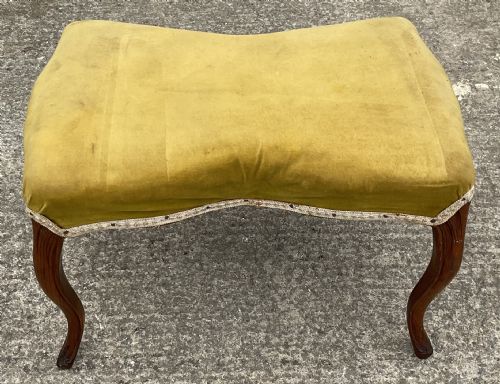
- Cabriole leg
- A furniture leg that curves out and then in, resembling the leg of an animal. This form appears frequently on walnut and mahogany stools from the period.
- Music stool
- A seat designed for musicians, often featuring a circular adjustable top. These pieces accommodate keyboard players in nineteenth century parlours.
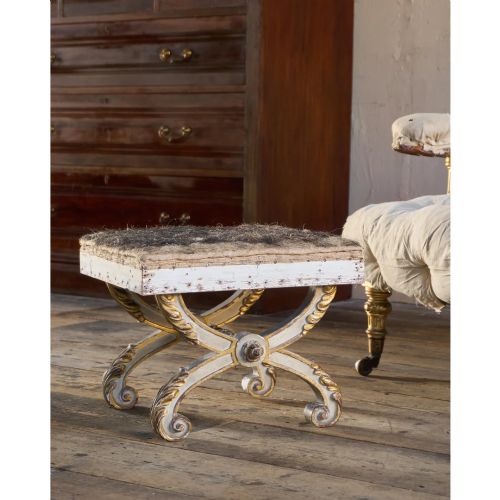
- X-frame stool
- A seating form supported by intersecting diagonal legs shaped like the letter X. This structural design provides cross-braced stability.
- Giltwood
- Wood that has been coated with gold leaf or a gold-coloured finish. Carved examples of this material surface in decorative contexts.
- Vernacular stool
- An everyday piece made by local makers without high-style academic pretension. These items reflect regional building traditions rather than strict revival aesthetics.
Frequently Asked Questions
What is a nineteenth century piano stool?
A nineteenth century piano stool is a specialised seat designed for keyboard players, often featuring a circular top with a mechanism to alter the height.
These pieces match the aesthetic of period pianos, using timbers like rosewood, mahogany, and walnut to complement home interiors.
How do I date a nineteenth century stool?
Dating relies on identifying stylistic markers associated with specific reigns and movements, such as Regency brass inlay, William IV proportions, or Victorian walnut framing.
Construction methods, secondary woods, and mechanical parts also offer clues to the approximate decade of manufacture.
Were all these stools upholstered originally?
Most surviving examples feature upholstery, ranging from leather and velvet to plain fabric and textiles.
Some specialist forms, such as piano and music stools, rely on padded tops designed for comfortable sitting during long practice sessions.
How do I care for a wooden stool?
Preserving the wood requires keeping the piece away from direct heat sources and sudden humidity changes that can dry out timber or crack veneers.
Routine dusting with a dry cloth protects the polished surface without introducing harsh chemical cleaners.