
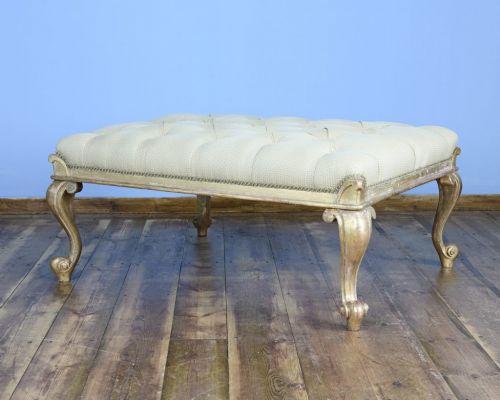


William IV Footstool
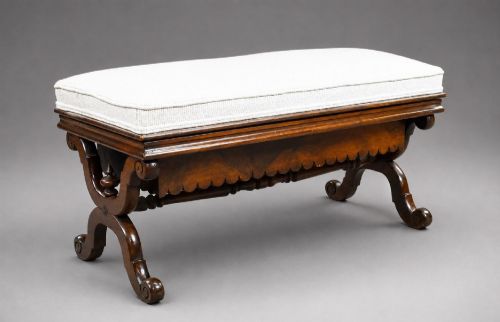
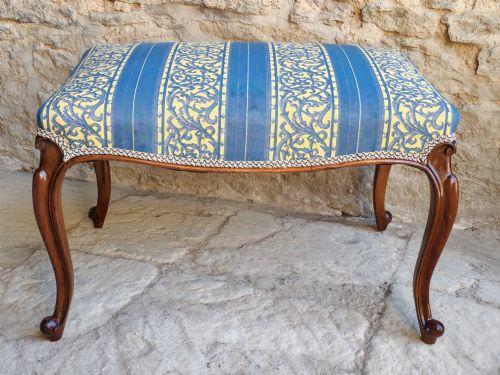
These mahogany and rosewood pieces are a william iv footstool, built to support weary feet in grand nineteenth-century interiors.
William IV Footstool
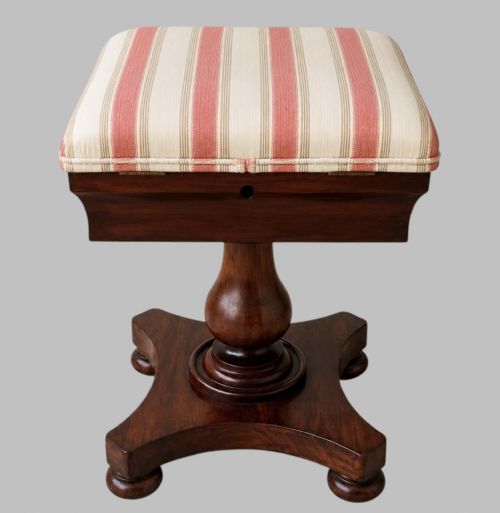
A william iv footstool typically appears in heavy timbers like mahogany and rosewood, often featuring upholstered tops in leather, fabric, or kelim. Many examples emerge from the nineteenth century alongside related forms such as ottomans, work boxes, and library armchairs.
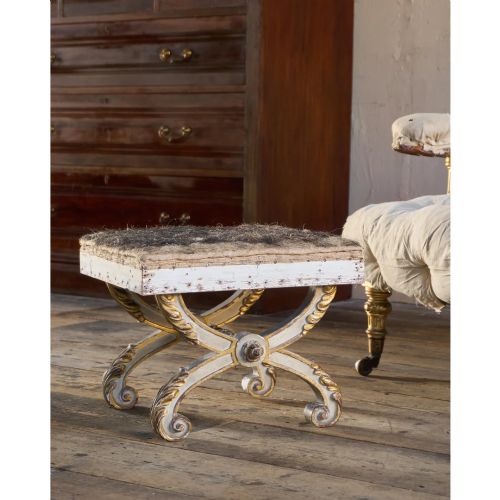
Makers of the period utilised robust frames, sometimes employing an X-frame curule design or turning timber into substantial parcel gilt supports. Buyers frequently encounter low stools intended for seating comfort or larger ottoman variants incorporating hidden storage compartments.
Materials and construction
Cabinetmakers worked primarily in dense hardwoods including mahogany, rosewood, walnut, and occasionally oak, shaping heavy timbers into sturdy structural frames. Brass castors frequently facilitated movement across heavy carpets in nineteenth-century drawing rooms.
Upholstery techniques involved durable fabric, leather, or needlework covers fixed over padded frames, occasionally complemented by parcel gilt highlights or simulated wood finishes.
William IV Footstool Retail Price Guide 2026
Typical asking prices for william iv footstool among the pieces listed under this phrase on Sellingantiques today, from the lower quarter to the upper quarter. They describe what is for sale here now, not the wider market.
Some nineteenth-century examples double as hidden work boxes for sewing, hiding domestic industry beneath a padded resting surface.
Judging the execution
Distinction in these pieces lies in the weight of the timber and the crispness of turned or carved details upon the frame. Superior examples display balanced proportions, particularly in grand scale items or complex X-frame configurations.
The choice of covering also defines standard, ranging from simple fabric to fine leather or woven kelim, alongside the retention of original brass hardware and castors.
Miles & Edwards
The William IV Footstool Glossary
- Curule
- A classical X-shaped furniture form adopted by nineteenth-century designers for formal stools and seats. This cross-frame construction provides inherent structural strength.
- Ottoman
- A padded seat without a back, often large in scale and sometimes fitted with a hinged top for interior storage. These pieces served dual purposes in period sitting rooms.
- Kelim
- A flat-woven textile frequently utilised for durable upholstery on nineteenth-century footstools. Such coverings bring distinctive geometric patterns to wooden frames.
- Giltwood
- Timber treated with gold leaf or metallic paint to create a lustrous decorative surface. This finish accentuates carved details on grander seating forms.
William IV Footstool: Frequently Asked Questions
How do I use a footstool today?
These pieces function well beside armchairs as traditional footrests or occasional seats in living spaces. Their sturdy frames also suit placement at the foot of a bed.
Larger ottoman variants provide practical surface space or concealed storage for blankets and books while maintaining period character.
Were all footstools upholstered?
Most surviving examples feature padded tops covered in leather, fabric, needlework, or kelim to ensure comfortable use. The underlying stuffing supported the weight of resting feet.
Exposed timber frames primarily appeared around the borders, highlighting the polished mahogany or rosewood structure beneath.
What timber is most common?
Mahogany and rosewood dominate the surviving pieces from this nineteenth-century era. Cabinetmakers selected these dense woods for their strength and rich natural grain.
Walnut and oak appear less frequently, offering alternative tones for domestic interiors of the period.
Are castors original?
Many larger examples include brass castors to ease movement across heavy carpets. These fittings were standard additions for substantial nineteenth-century furniture.
Checking the brass fixings helps determine whether the components remain undisturbed since the original period of manufacture.