
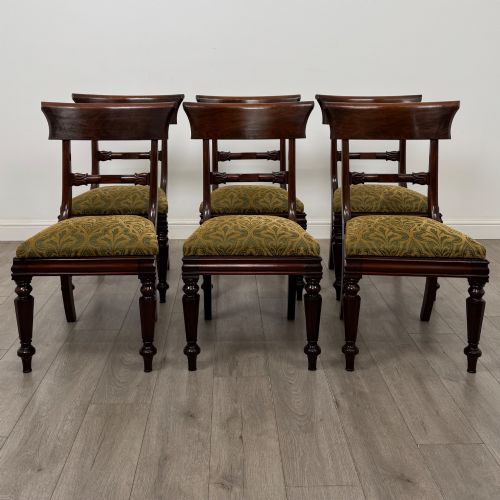
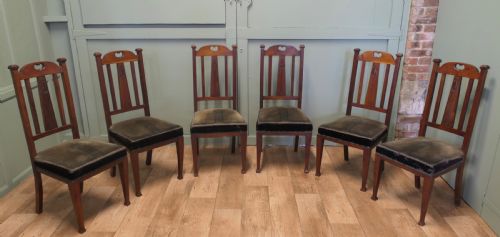
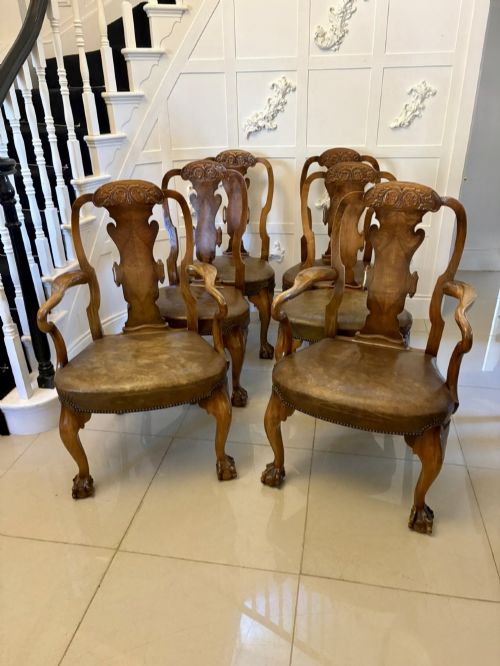
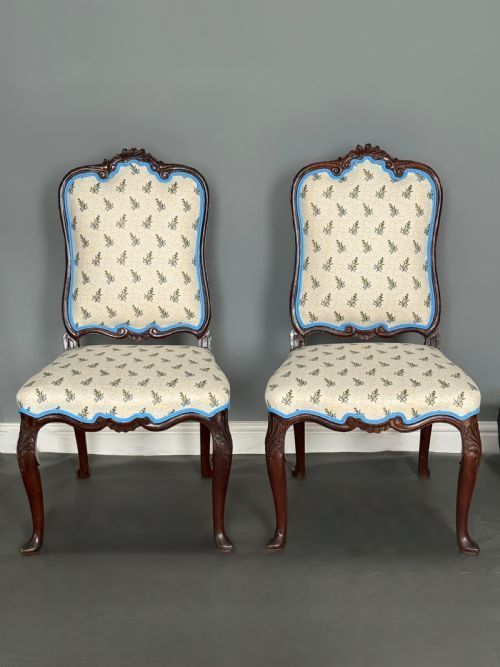
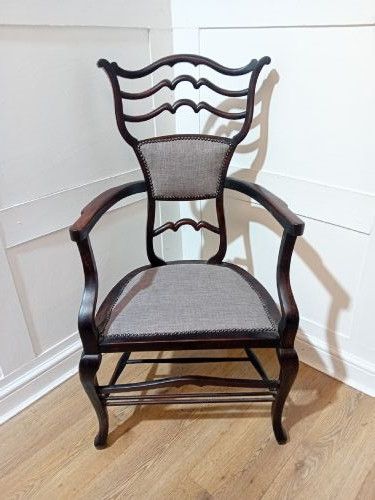
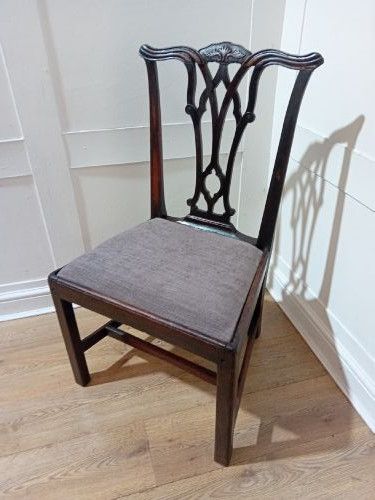
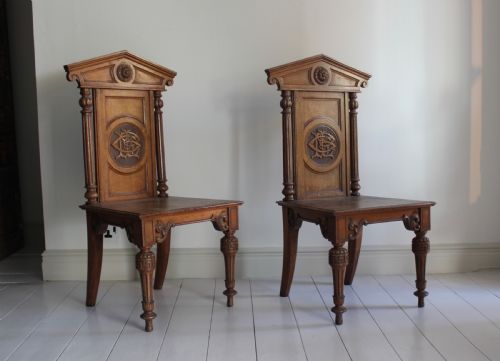

Antique Carved Side Chairs
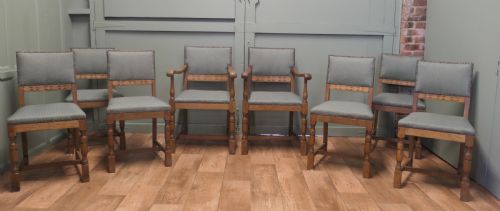
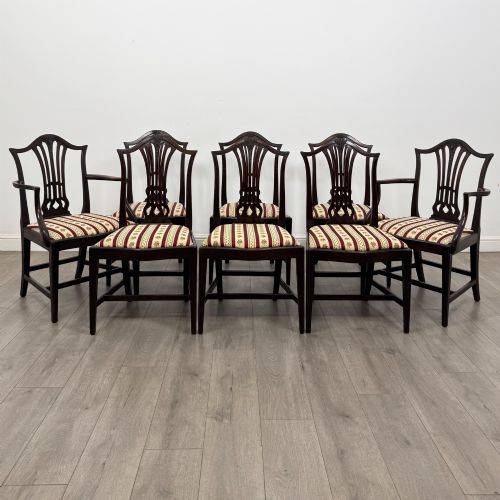
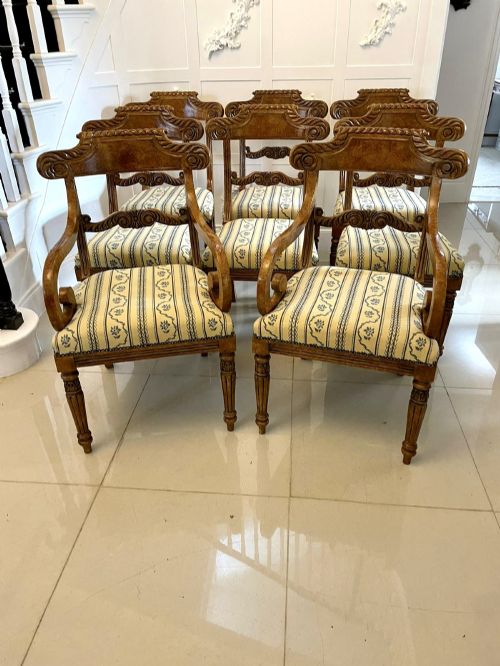
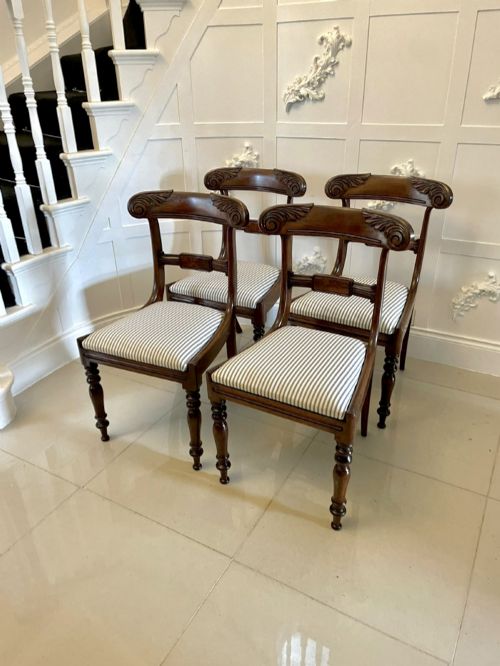
These antique carved side chairs bring rich timber framing and detailed ornamentation to any room.
What antique carved side chairs are
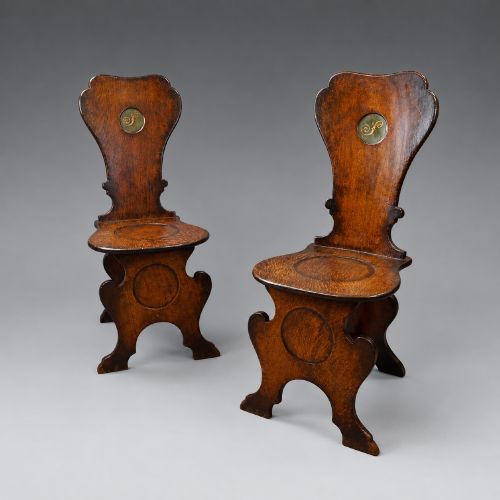
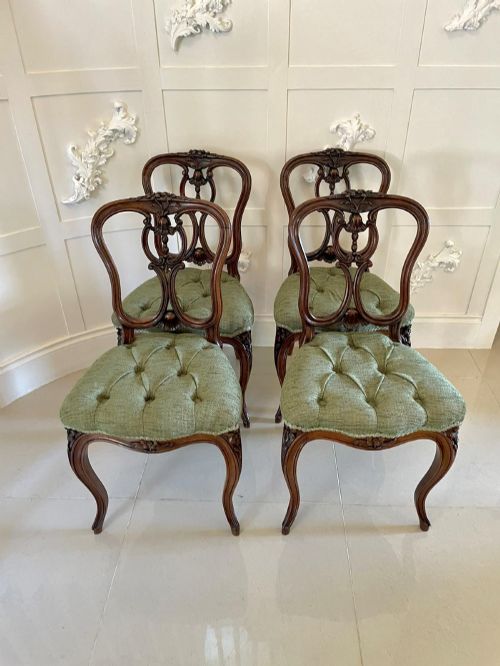
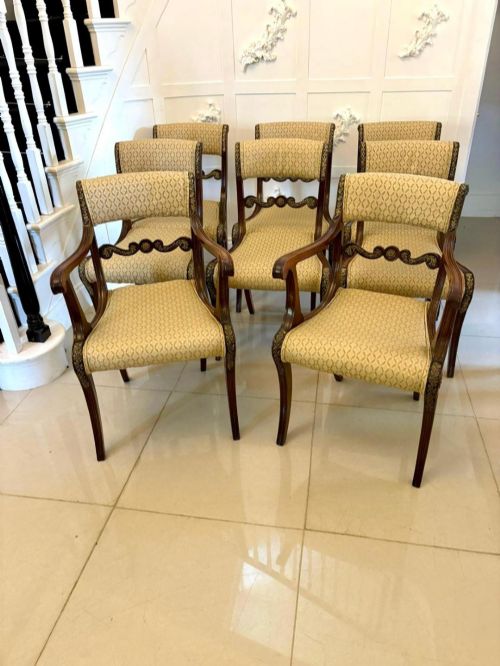
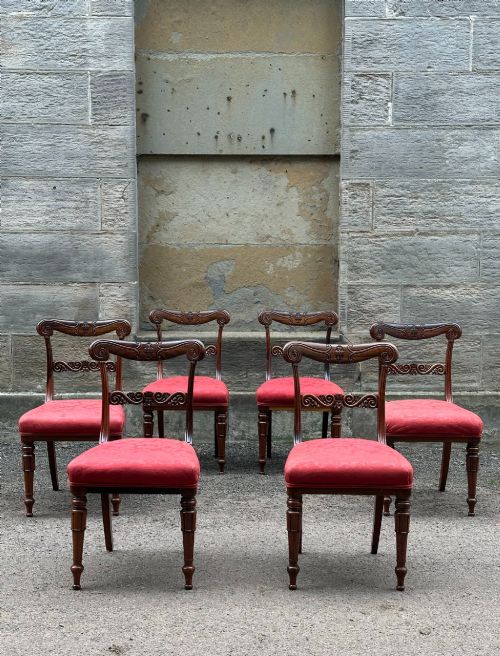
Most entries consist of matched pairs or larger sets intended to line a formal table or hall perimeter. Walnut, oak, mahogany, and rosewood form the structural foundation of these seating options.
Makers shaped these items into specific regional and period aesthetics, spanning Gothic Revival, Queen Anne Revival, and French Chateau styles. Each design serves both a utilitarian function and a decorative purpose within domestic interiors.
How they were made
Cabinetmakers and joiners constructed these frames using dense hardwoods such as walnut, oak, mahogany, and rosewood. Hand-carving techniques brought depth to the timber, creating relief patterns along the crest rails, stiles, and legs.
Many items incorporate traditional upholstery methods featuring springs, horsehair, and webbing covered in textile, fabric, leather, or velvet. Brass accents occasionally appear as decorative studs or hardware elements securing the fabric to the timber frame.
Retail Price Guide 2026
Typical UK retail prices for carved side chairs, calculated from the Sellingantiques database of over a million retail prices indexed since 2003. This retail price guide relies exclusively on Sellingantiques data; no external sources or auction records are used, so the figures do not describe the wider market.
What varies in quality
The standard of carving distinguishes standard production from exceptional examples, with crisp, deeply undercut foliage showing superior artisan control. Dense, well-figured timber grain elevates the visual weight and longevity of the frame.
Completeness within a set alters the character and utility of the purchase, as larger matching sets of four, eight, or nine hold greater uniformity than stray pairs. The original integrity of the timber and upholstery foundation determines how closely the piece aligns with its period origins.
Spillman And Co
The Antique Carved Side Chairs Glossary
- Side chair
- A chair without armrests, designed primarily for dining or occasional use around the room. These pieces fit easily beneath table rims when not in use.
- Gothic Revival
- An architectural and decorative style drawing inspiration from medieval design. Pieces often display pointed arches, trefoils, and heavy carved oak.
- Regency
- A British design period spanning the early nineteenth century defined by classical restraint and polished mahogany. Proportions remain clean and structural.
- Splat
- The vertical strip of wood down the middle of a chair back connecting the seat to the top rail. Carved detailing frequently concentrates on this central element.
Frequently Asked Questions
How do I use antique side chairs?
These chairs work well arranged around a dining table or placed against a hallway wall as decorative seating. Their compact frames also suit occasional use in bedrooms and studies.
Ensure the seat height matches your table or desk before placing them into daily service. Protect timber legs from modern floor cleaners by using appropriate furniture pads.
Are these chairs comfortable for dining?
Many Victorian and earlier examples feature padded seats upholstered in leather, velvet, or fabric over supportive interior stuffing. Their upright backs encourage proper posture during meals.
Consider adding subtle custom cushions if you plan to sit for extended periods. The rigid wooden backrests provide firm spinal support.
How do I date a carved side chair?
Look at the primary timber species, stylistic clues like Gothic arches or balloon backs, and construction joints. Victorian pieces frequently utilise walnut or rosewood with machine-assisted or hand-carved detailing.
Earlier Regency and William IV items tend to feature figured mahogany and simpler classical lines. Hallmarks or maker stamps, when present, provide a direct link to the workshop.
Can I mix different chair styles?
Pairing matching sets together maintains visual harmony, especially when buying in groups of four or more. Single pairs allow for accent seating in corners or bedrooms.
Stick to similar wood tones like walnut or oak if you intend to place different chairs in the same room. Consistency in timber grain helps bridge minor variations in period design.