


Vintage Upholstered Side Chairs
These vintage upholstered side chairs offer useful seating formed through diverse historical periods and timber frameworks.
Vintage Upholstered Side Chairs
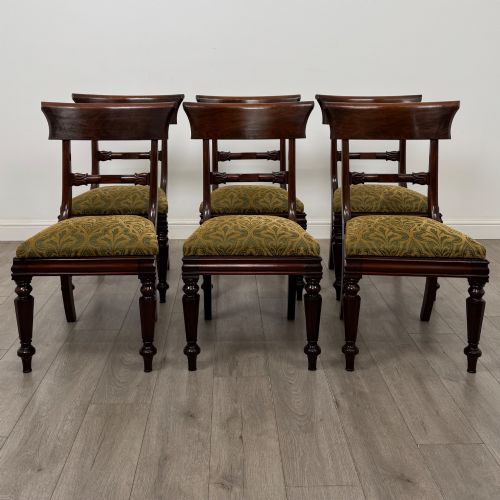
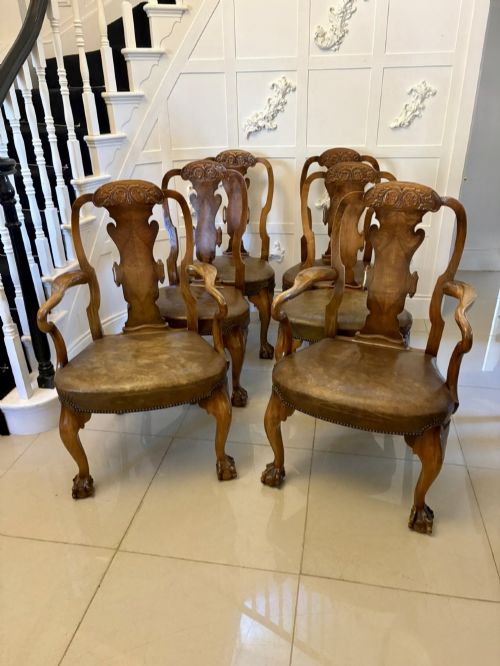
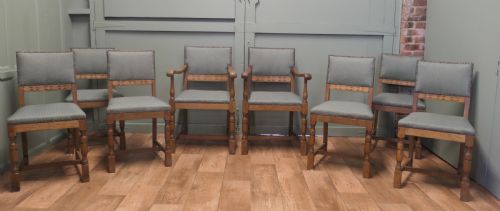
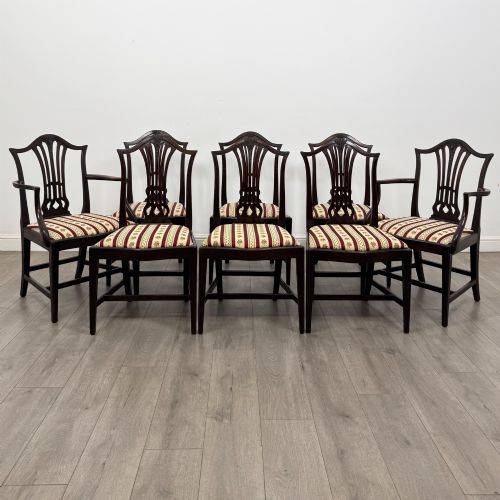
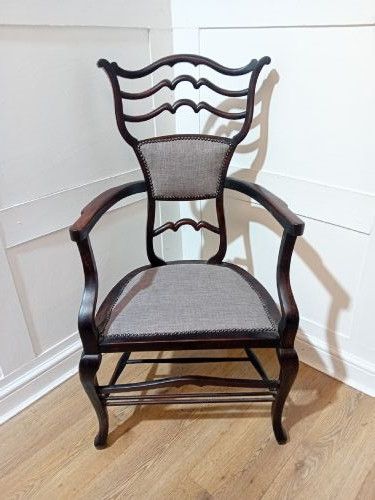
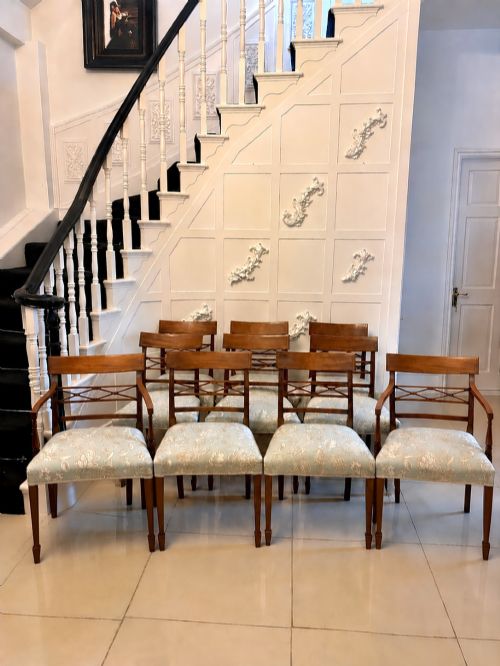
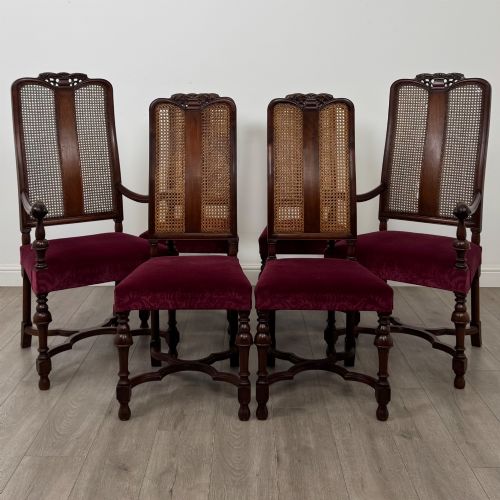
Buyers seeking vintage upholstered side chairs encounter various seating forms spanning nineteenth-century dining sets to twentieth-century occasional pieces. The selection includes dining chairs, side chairs, armchairs, accent chairs, and bedroom chairs designed for domestic utility.
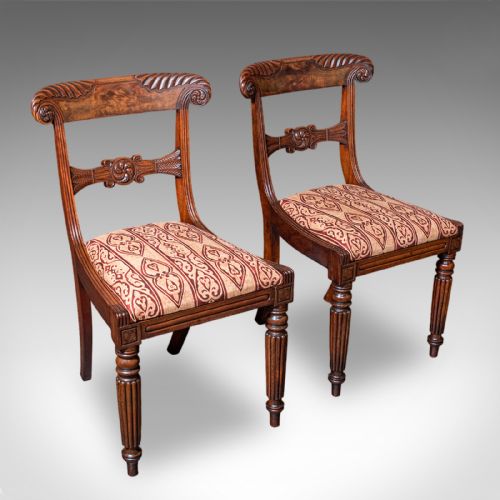
Originating across periods like the Victorian era, Edwardian years, and the 1930s, these examples manifest styles ranging from Regency and William IV to Arts and Crafts and Art Deco. Mahogany, oak, and walnut constitute the predominant wooden frames supporting the upholstered elements.
Most entries comprise sets intended for dining spaces alongside paired or single accent seating suited to reception rooms and bedrooms. These configurations reflect historical domestic requirements where movable seating accommodated various household activities.
Materials and construction methods
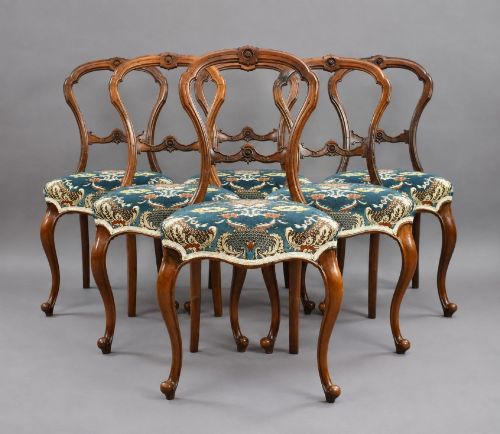
Craftsmen utilised solid hardwoods including mahogany, oak, walnut, maple, and elm to construct the structural frames of these chairs. Joinery techniques varied according to period, supporting upright backs and legs shaped in styles such as balloon back, shield back, or klismos.
Textiles like fabric, velvet, and leather were applied to pad the seats and occasional backrests, sometimes complemented by brass inlay or brass hardware. Carved details, scrollwork, and painted finishes appeared on select frames depending on the prevailing style of the decade.
Vintage Upholstered Side Chairs Retail Price Guide 2026
Typical asking prices for vintage upholstered side chairs among the pieces listed under this phrase on Sellingantiques today, from the lower quarter to the upper quarter. They describe what is for sale here now, not the wider market.
Listings feature timbers such as mahogany, oak, walnut, maple, and elm across periods from the 1800s through the 1930s.
Assessing quality and craftsmanship
Quality resides in the precision of the timber carving and the integrity of the structural joinery supporting the seat frame. Superior examples display refined proportions in elements like cabriole legs, lyre backs, or barley twist uprights.
The choice and execution of the upholstery materials, whether durable leather, patterned fabric, or plush velvet, dictate the refinement of the finished piece. Coherence across larger sets indicates workshop discipline during original production.
Maple and Co·Gillows
The Vintage Upholstered Side Chairs Glossary
- Balloon back
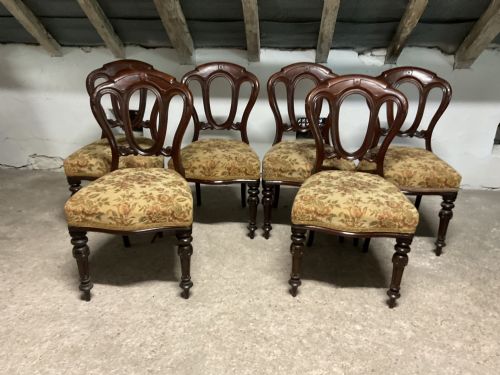
- A rounded, oval-shaped chair back popular during the Victorian period. This profile provides ergonomic support while presenting an elegant curved silhouette.
- Shield back
- A chair back shaped in the form of a heraldic shield, frequently associated with eighteenth-century and revival dining chair designs. This geometry allows for delicate pierced splats.
- Klismos
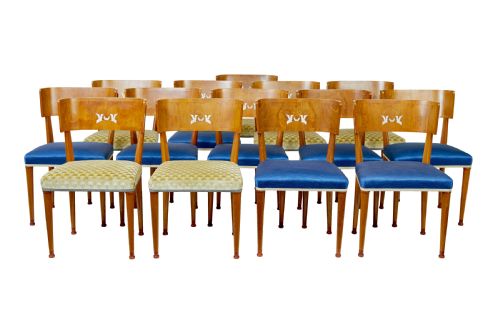
- An ancient Greek chair form characterised by curved, flaring legs and a concave backrest, reinterpreted during the Art Deco period. This profile emphasises clean, sweeping structural lines.
- Barley twist
- A decorative turning technique resembling a twisted rope, commonly found on the wooden legs and stretchers of Edwardian oak chairs. This detail adds tactile texture to the framework.
- Cabriole leg
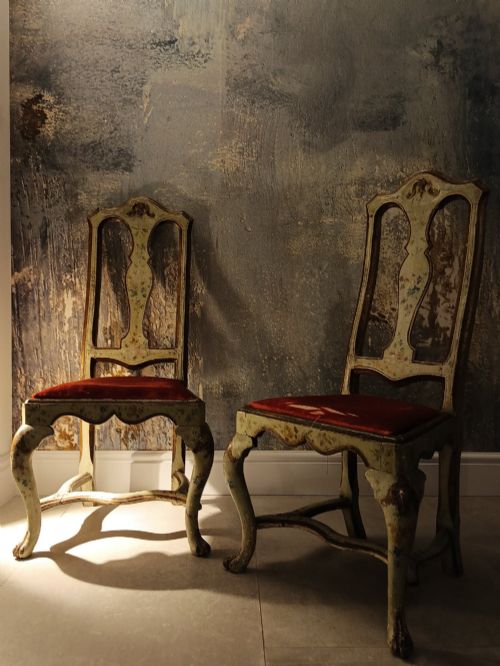
- A furniture leg that curves outward at the knee and tapers inward toward the foot, inspired by animal limbs. This form appears frequently on Queen Anne style and revival seating.
Vintage Upholstered Side Chairs: Frequently Asked Questions
How do I identify a Victorian chair?
Victorian chairs often feature dark hardwoods like mahogany or walnut with prominent carved details such as balloon backs or scrollwork. These pieces generally reflect revival styles or heavy ornamentation customary in nineteenth-century domestic interiors.
Upholstery on these items typically employs traditional padding methods beneath fabric or velvet coverings. Examining the timber grain and joining methods helps confirm the nineteenth-century origin.
What defines an Art Deco chair?
Art Deco chairs originate from the 1930s and display streamlined forms, geometric silhouettes, and exotic timbers like elm. These pieces move away from heavy historical revivalism toward modern abstraction.
Upholstery fabrics from this era complement the sleek wooden frames with clean lines and minimal fuss. The overall construction prioritizes functional elegance and visual rhythm.
How were side chairs used originally?
Side chairs served multiple functions around the home, primarily as moveable seating for dining tables, hallways, and bedrooms. Their armless design allowed them to tuck neatly beneath tables or against walls.
In reception rooms or morning rooms, paired side chairs provided convenient extra seating for guests. Their varied forms reflect the specific social rituals of each historical period.
Are these chairs suitable for daily use?
Many vintage upholstered side chairs remain sturdy enough for everyday seating when the underlying timber frame and joinery are sound. Solid hardwoods like oak and mahogany provide durable foundations for modern living.
Buyers should inspect the structural stability of the legs and seat rails rather than surface wear alone. Professional reupholstery can refresh worn padding while preserving the antique frame.