

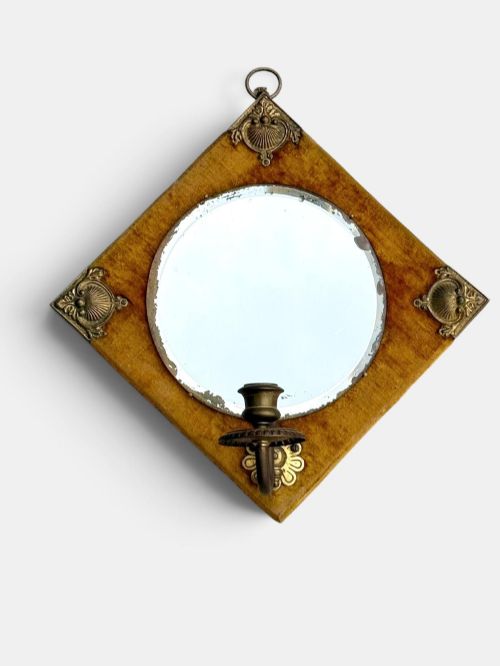
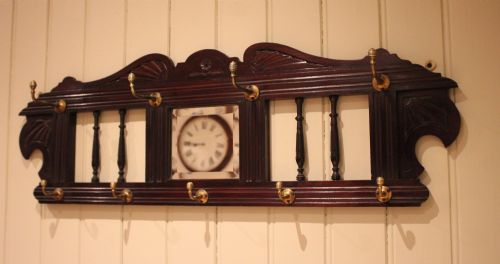
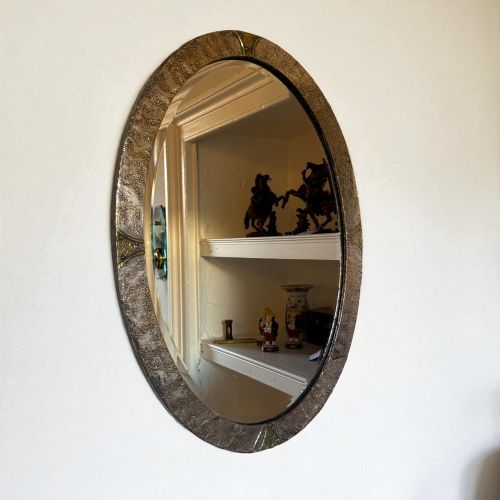
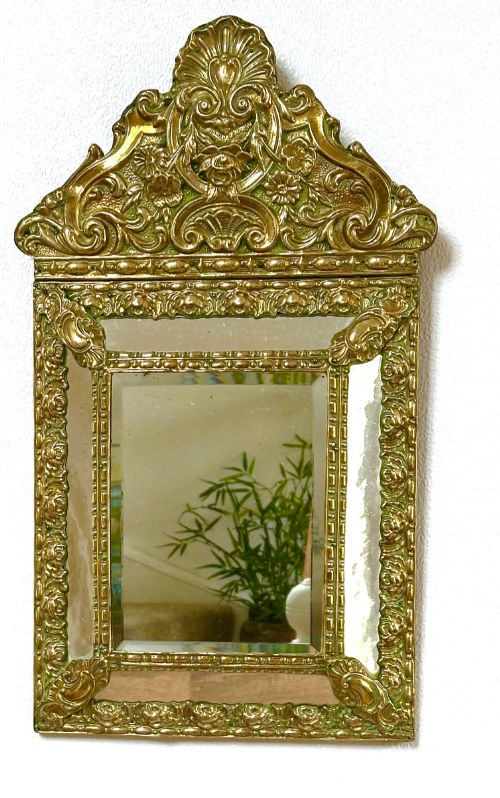
Antique Brass Wall Mirror
An antique brass wall mirror brings warmth and reflection to a room, catching the light through enduring metal frames.
Antique Brass Wall Mirror
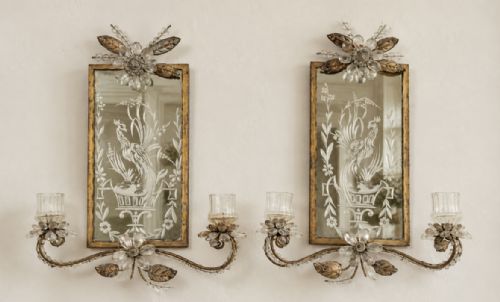
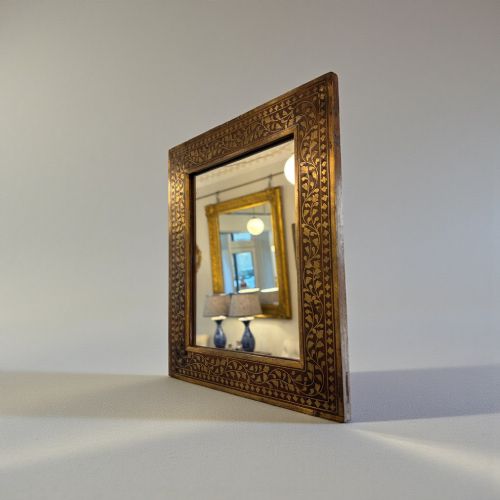
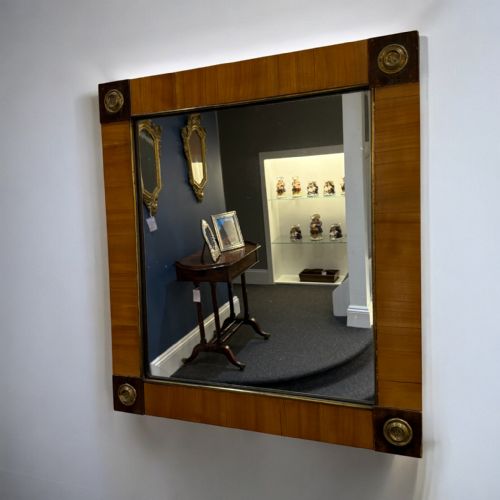
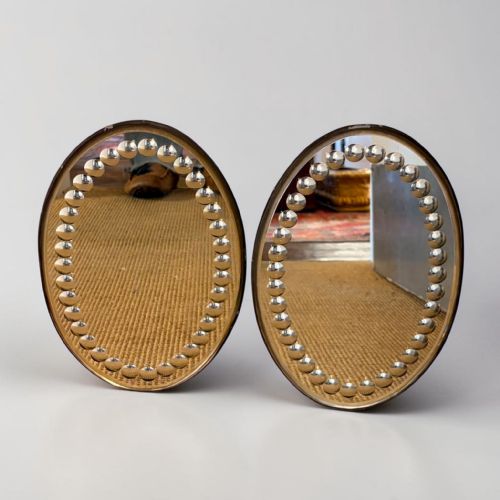
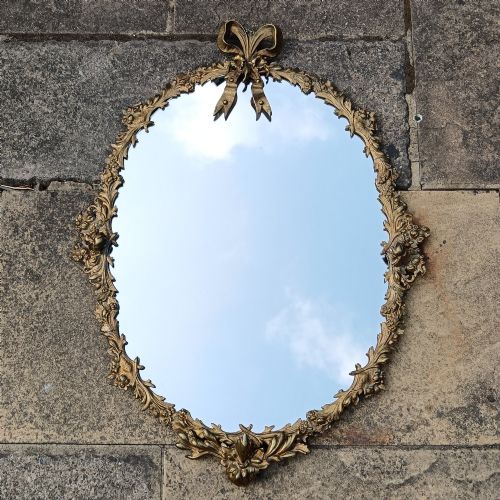
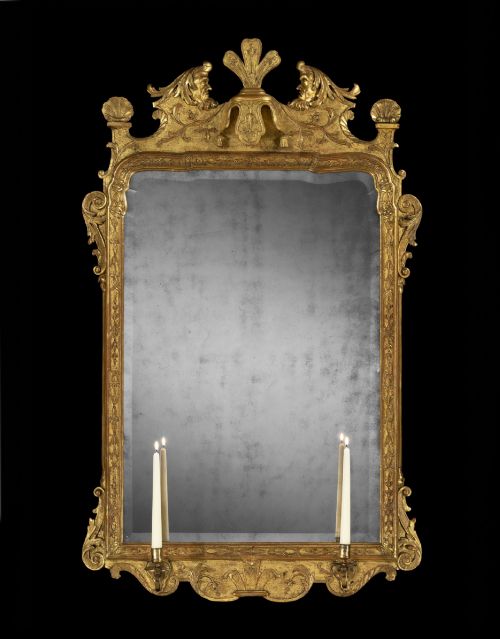
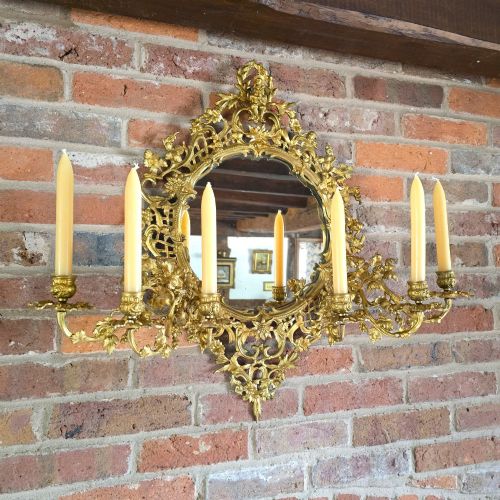
An antique brass wall mirror offers both functional reflection and decorative metalwork, frequently appearing in Victorian and Edwardian iterations across domestic interiors. These pieces range from simple circular frames to elaborate wall-hanging variants adorned with sculptural detail or organic motifs. Buyers exploring this category encounter varied scales, from compact hanging mirrors to substantial overmantle designs intended for principal reception rooms.
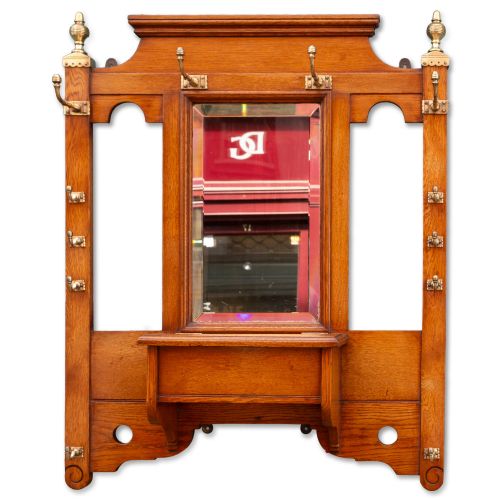
The aesthetic vocabulary spans standard nineteenth-century utilitarian forms to distinctive regional movements like the Glasgow Style and Arts and Crafts design. Pieces frequently incorporate bevelled glass plates, original backings, and shaped brass surrounds that define their period character. Whether small and intimate or large and architectural, each example serves as a focal point reflecting historical craftsmanship.
How they were made
Construction relies heavily on sheet brass, cast brass, and patinated metal frames assembled around glass mirror plates. Timber and wood often reinforce the reverse structures, providing essential stability and support for heavy hanging hardware.
Surface treatments include fine casting, lacquering, and hand-worked detailing characteristic of Arts and Crafts production. Some iterations combine brass with enamel or copper accents, showing integrated metalworking techniques from the nineteenth and early twentieth centuries.
Antique Brass Wall Mirror Retail Price Guide 2026
Typical asking prices for brass wall mirror among the pieces listed under this phrase on Sellingantiques today, from the lower quarter to the upper quarter. They describe what is for sale here now, not the wider market.
Listings feature items spanning the nineteenth century through the Edwardian period, incorporating materials like brass, glass, timber, and enamel.
What varies in quality
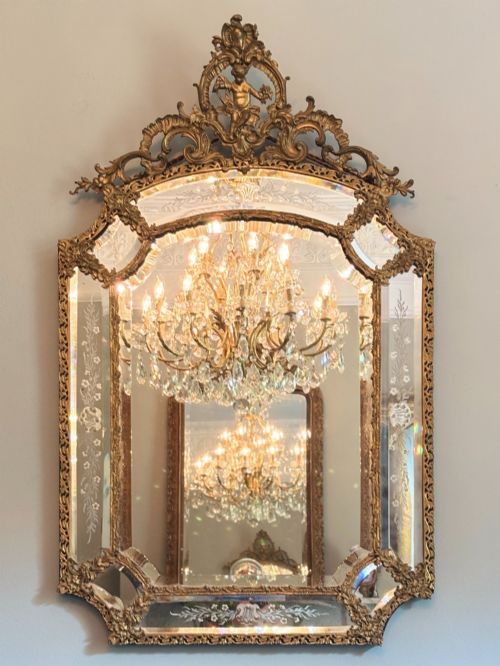
Quality rests upon the crispness of the brass casting and the sophistication of decorative elements such as cherubs or flanking peacocks. Finer examples display meticulous hand-finishing and substantial gauge metal rather than thin pressed sheet.
The integrity of the original mirror plate and the retention of period surface patination elevate a piece significantly. Superior construction ensures the timber backing and hanging mounts remain robustly integrated with the metal frame.
The Antique Brass Wall Mirror Glossary
- Bevelled glass
- A mirror plate with an angled edge polished around the perimeter, adding depth and optical refraction. This detail indicates superior glass production in period mirrors.
- Overmantle mirror
- A large horizontal mirror designed to hang specifically above a fireplace mantelpiece. These pieces often anchor the decorative scheme of a nineteenth-century room.
- Arts and Crafts
- A design movement prioritising handcraftsmanship, natural motifs, and honest construction over mass production. Objects from this style often feature stylised flora and fauna.
- Patina
- The surface sheen and colour acquired by brass through age, handling, and environmental exposure. Original patination is valued for its authentic historical depth.
Antique Brass Wall Mirror: Frequently Asked Questions
How do I date an antique brass mirror?
Dating relies on examining the construction methods of the brass frame, the style of the decoration, and the composition of the timber backing boards. Victorian pieces often feature heavier cast ornamentation, whereas Edwardian and later examples may lean towards cleaner Arts and Crafts lines.
Examining the mirror plate itself provides further clues, as bevelling techniques and silvering methods evolved over the course of the nineteenth and twentieth centuries.
Where should I hang a heavy brass mirror?
Heavy brass mirrors require secure installation directly into wall studs or masonry using appropriate fixings rated for substantial weight. Because many period frames incorporate dense cast metal and thick timber backings, professional wall anchors are strongly recommended.
Positioning them opposite a window maximises natural light distribution, brightening the room while showcasing the reflective qualities of the brass surround.
How do I clean an antique brass frame?
Cleaning should be approached with caution to preserve the historic patina accumulated over decades or centuries. Gentle dusting with a soft, dry cloth is usually sufficient for routine maintenance.
Avoid abrasive chemical polishes that strip away the aged surface character and diminish the visual warmth of the metal.
Are original mirror plates common?
Many surviving pieces retain their original glass plates, which often display characteristic foxing, minor speckling, and soft distortion. These signs of age confirm the authenticity of the glass within the period frame.
While some pieces have experienced replacement plates over time, original glass remains highly desirable for collectors seeking untouched historical integrity.