
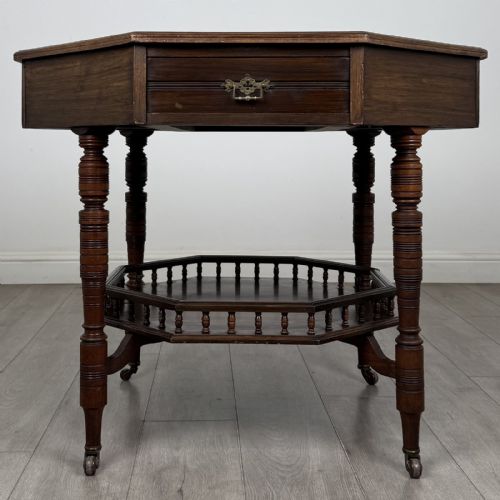
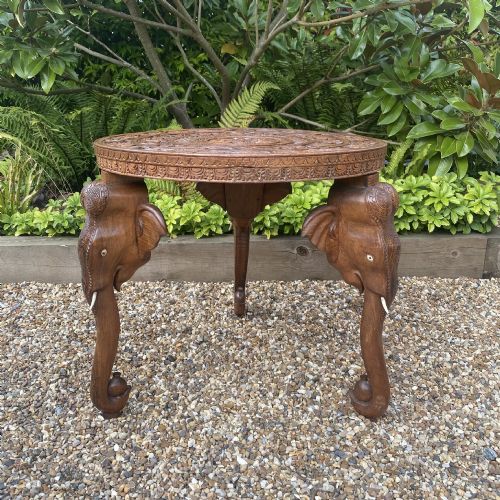
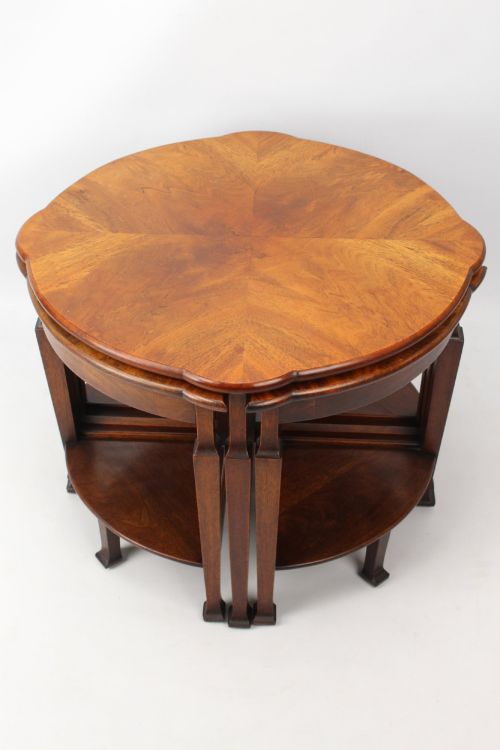
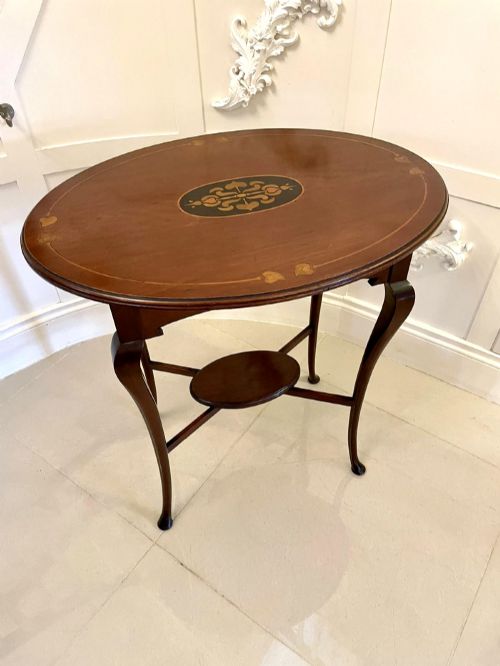
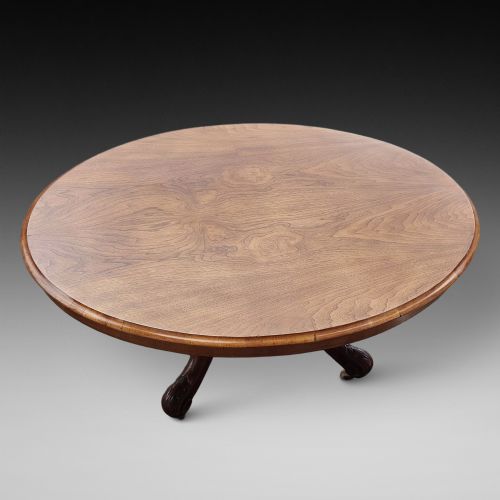
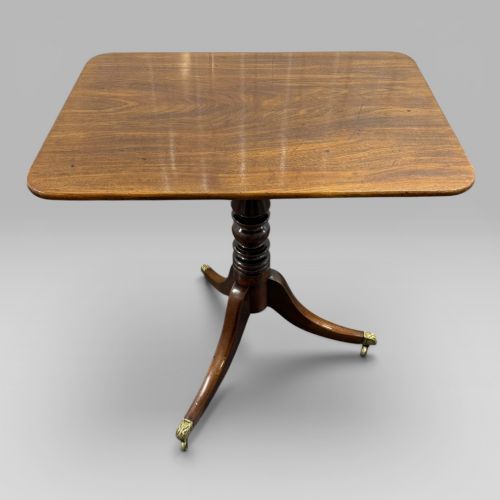
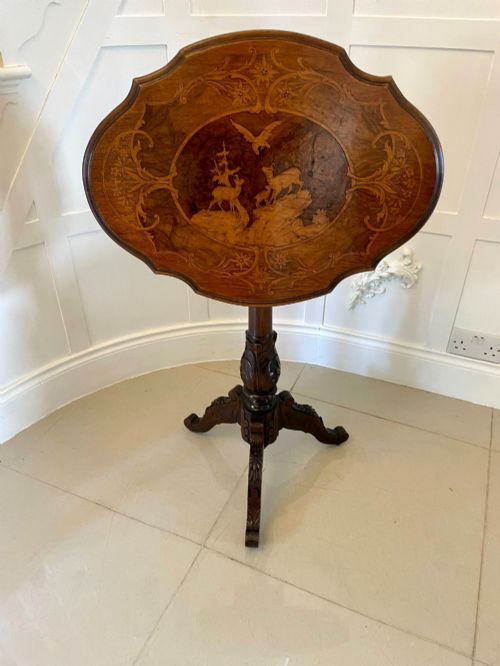
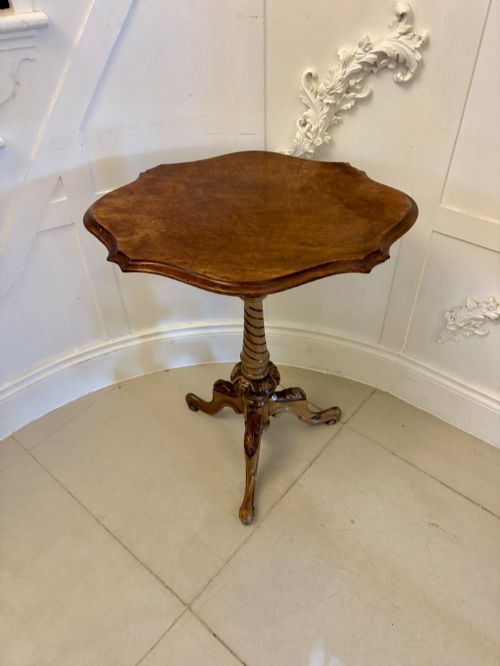
Brown Tea Table
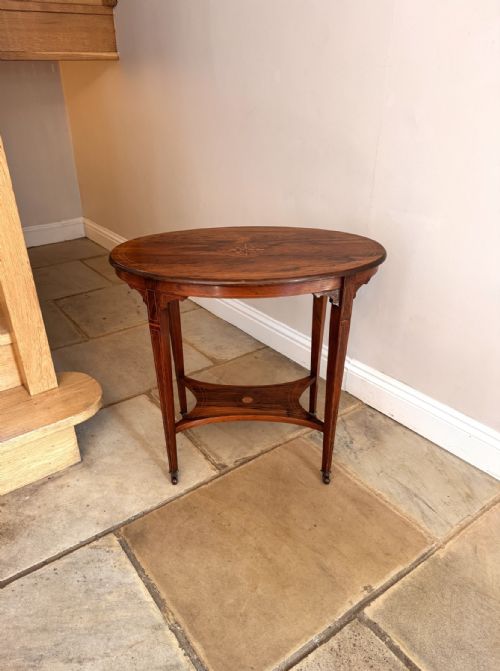
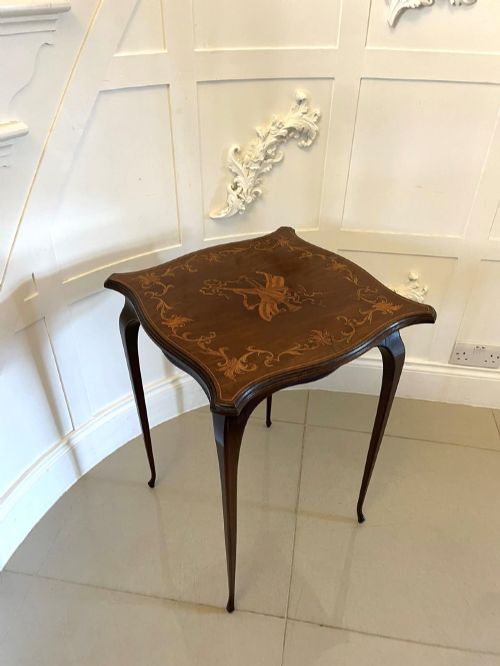
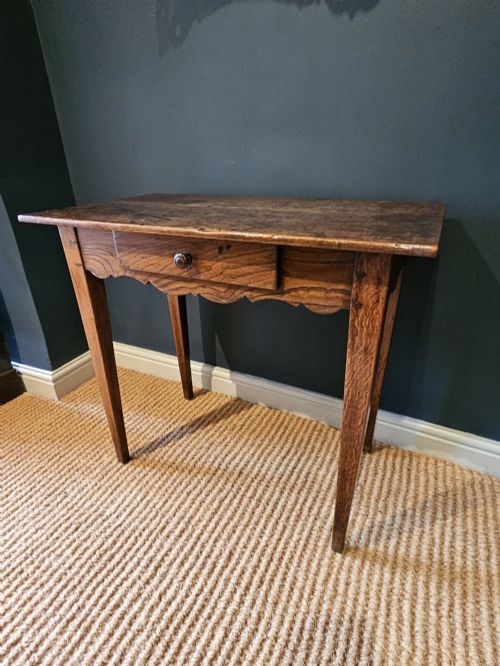
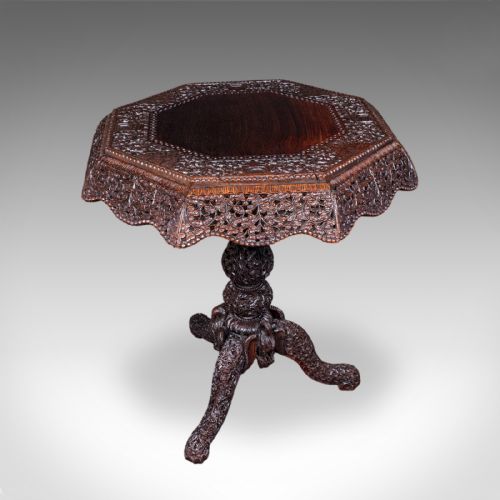
A brown tea table brings solid timber warmth and folding utility to a room, serving drinks or cards with traditional craft.
Brown Tea Table
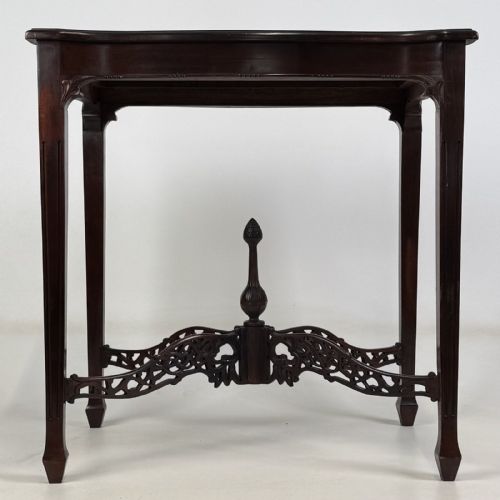
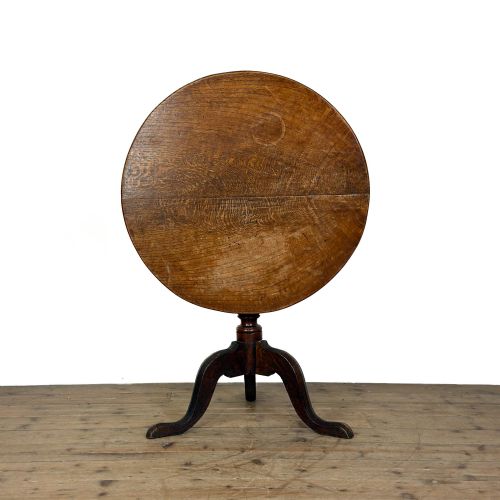
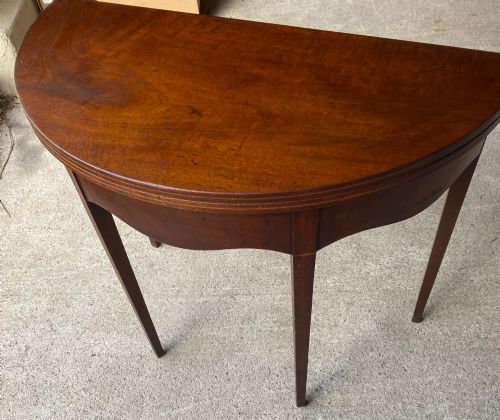
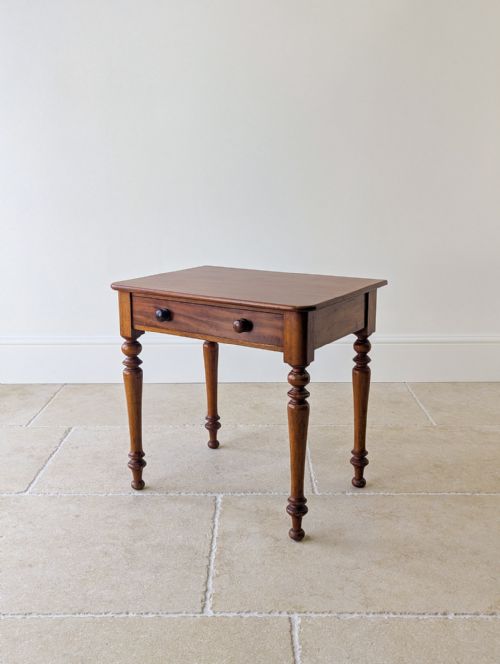
A brown tea table is a functional domestic surface designed for entertaining, taking the form of folding card tables, tilt-top tripod pieces, and drop-leaf designs. The brown tea table types found here span centuries of British and European cabinet-making, extending from the Georgian and Regency eras through the Victorian period and into Edwardian and Art Deco designs.
The brown tea table most frequently met on this page is constructed from mahogany or walnut, often featuring a fold-over top or a pedestal base. These brown tea table pieces operate as versatile occasional furniture, shifting easily from a compact side placement to an expanded surface for social use.
Materials and construction
Cabinet-makers built the brown tea table using dense hardwoods like mahogany, walnut, oak, and rosewood, frequently selecting burr veneers to create richly figured surfaces. Brass hinges, castors, and inlaid stringing in satinwood added functional articulation and decorative contrast to the timber frames.
Joinery techniques relied on mortise and tenon frames, dovetail joints within drawer construction, and intricate carving for tripod legs and pedestals. Tilt-top mechanisms utilised clever catches and birdcage pivots to allow tables to stand flat against walls when not in use.
Materials represented across these tables include mahogany, walnut, burr walnut, oak, satinwood, rosewood, glass, and brass.
Judging quality
Quality in a brown tea table rests upon the selection of timber grain, the crispness of hand-carved details, and the integrity of the structural joints. Superior examples display symmetrical veneer matching and stable folding mechanisms that operate smoothly without sagging.
Lower quality or later utilitarian pieces often exhibit simpler turned legs, thinner veneers that have lifted or split, and replacement hardware. The depth of the patina and the weight of the solid timber distinguish high-workshop productions from mass-produced later iterations.
Trevor Page & Co·Gillows
The Brown Tea Table Glossary
- Tilt-top table
- A table with a hinged top that rotates to a vertical position for storage against a wall. This mechanism utilised a wooden catch or a clever birdcage block beneath the surface.
- Card table
- A folding table specifically designed for evening games, featuring a hinged top that doubles the surface area when opened. The interior often retains its original baize or leather playing surface.
- Sutherland table
- A narrow drop-leaf table with exceptionally slender folding leaves supported by swing legs. This form maximises floor space when closed down.
- Tripod table
- A small occasional table supported by a central pillar resting on three legs. The base often incorporates cabriole legs ending in pad or claw feet.
- Marquetry
- Decorative inlay work using various woods to create pictorial or geometric patterns on the surface. Craftsmen cut thin veneers and fitted them meticulously into a solid ground.
Brown Tea Table: Frequently Asked Questions
How do I use a brown tea table today?
A brown tea table functions exceptionally well as an occasional surface in a sitting room, holding lamps, books, or drinks with ease. Many designs fold out or tilt up, allowing you to adapt the surface area to your immediate space requirements.
Position a fold-over or drop-leaf version against a wall until guests arrive, then open the top to create a serving area. Their rich timber tones anchor a room's colour palette while offering genuine utility.
How can I tell a Georgian table from a Victorian one?
Georgian tables typically display restrained classical proportions, rectilinear lines, and understated mahogany or walnut surfaces. Victorian pieces often embrace heavier proportions, darker rosewood or burr walnut timbers, and more exuberant carved decoration such as basket bases.
Examine the construction methods underneath the top and inside the framing for clues. Hand-cut dovetails and pegged joints point toward earlier periods, while machine-standardised components suggest later Victorian or Edwardian workshop production.
What is a tilt-top mechanism?
A tilt-top mechanism is a hinged pivot beneath the tabletop that allows the surface to swing from horizontal to vertical. This clever engineering allowed owners to store the furniture flat against the perimeter of a parlour when not in use.
Most mechanisms use a wooden catch or a spring-loaded brass pin to lock the top securely in place. When released, the entire surface rotates backward on its central pedestal.