

Gilt Side Table
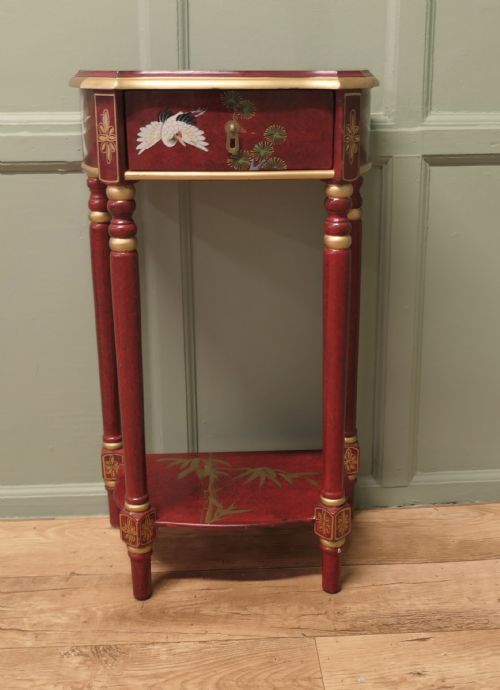
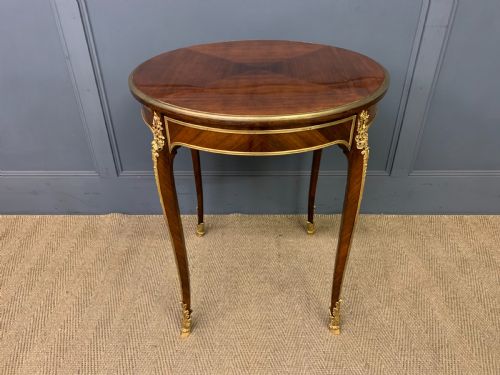
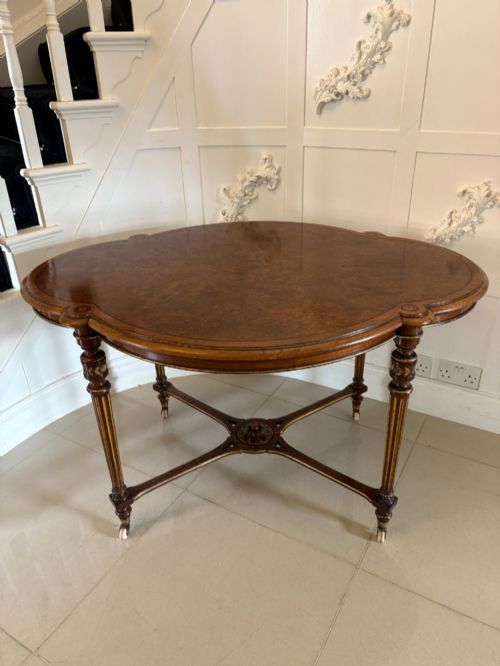
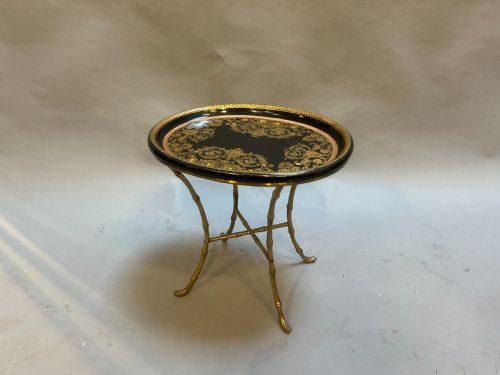
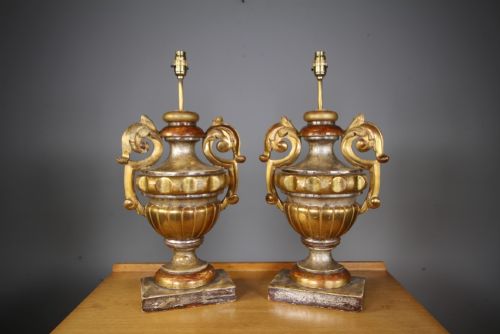
When you search for a gilt side table, you encounter decorative surfaces touched with gold leaf, giltwood, or ormolu mounts, originating mostly from nineteenth-century continental and English workshops.
Gilt Side Table
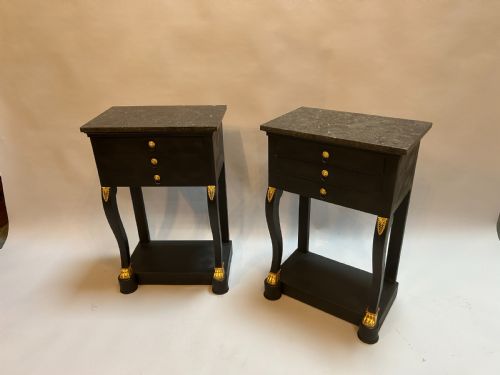
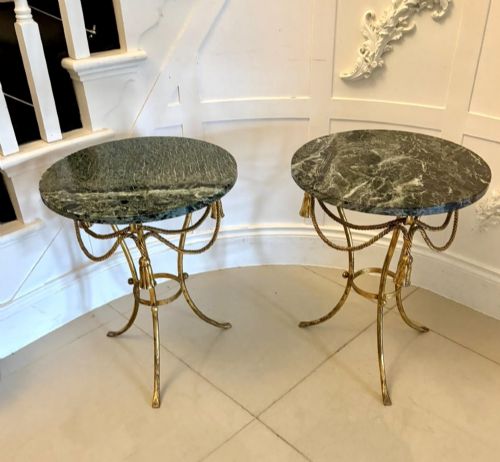
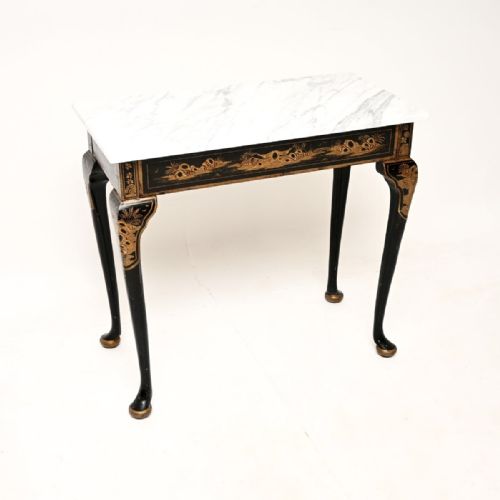
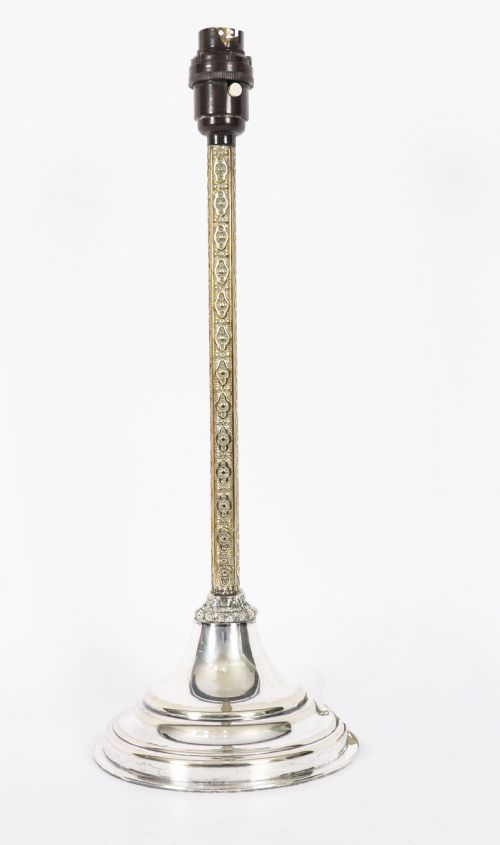
A gilt side table encompasses freestanding centre tables, console tables designed to stand against walls, and smaller occasional or lamp tables carrying gilded details. These pieces bridge utilitarian furniture and decorative art, frequently featuring shaped marble tops alongside gilded timber frames.
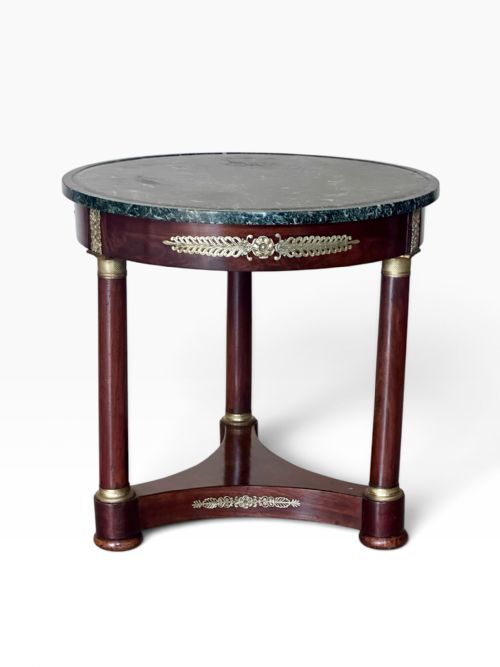
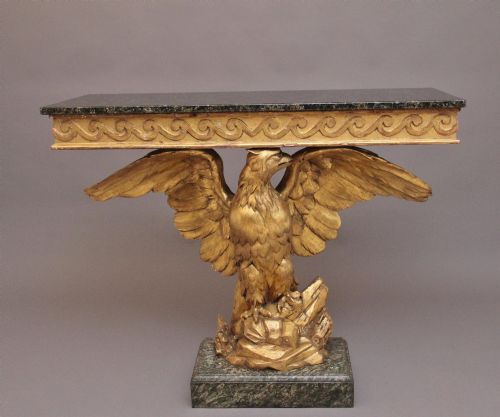
The selection leans heavily toward continental examples, notably French Empire and Louis XV revival pieces alongside Italian carved giltwood consoles. English Regency parcel-gilt and Victorian interpretations also appear regularly across the inventory.
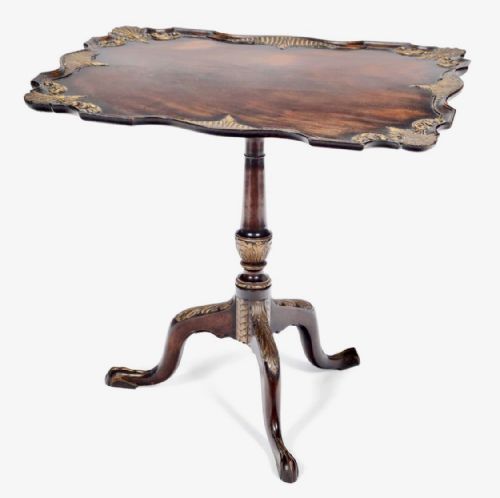
Forms range from demi-lune wall tables and tripod wine tables to elaborate marquetry-inlaid writing desks and jardinière stands. Their historical function involved displaying porcelain and lighting while anchoring formal reception rooms.
How they were made
Carved timber frames in pine, mahogany, walnut, or beech received layers of gesso before being finished in gold leaf or giltwood. Ormolu and gilt bronze mounts were cast, chased, and fire-gilded to accent kingwood, rosewood, and lacquered veneers.
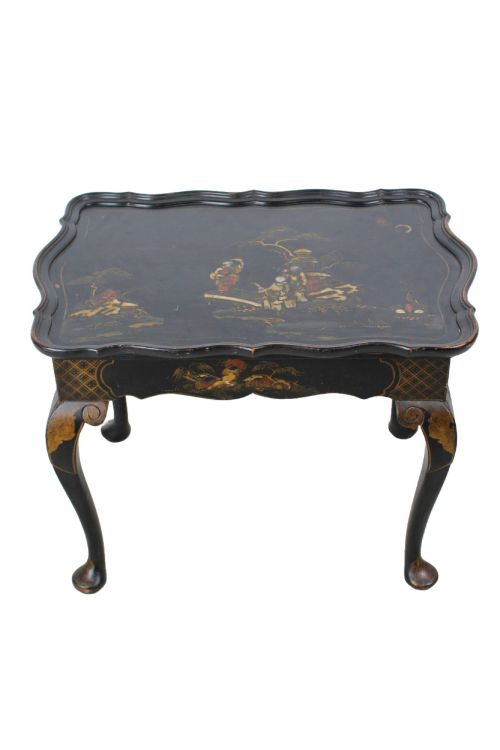
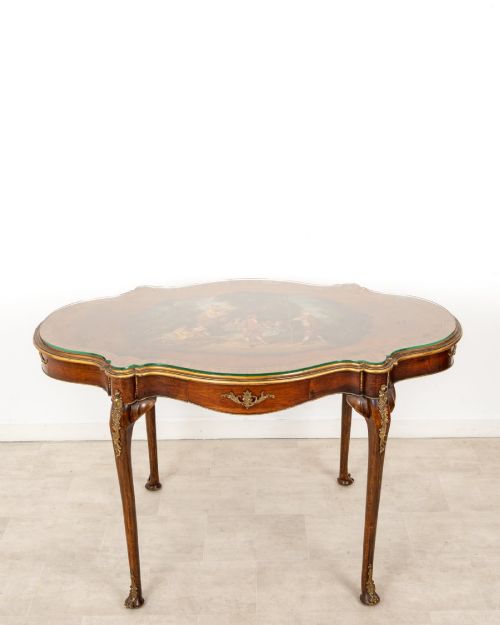
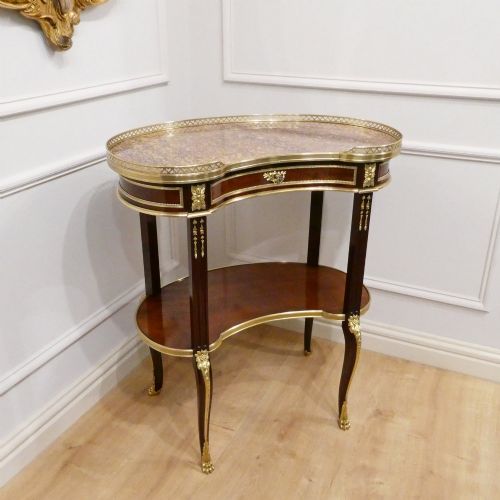
Inlaid surfaces combined marquetry and parquetry utilising exotic woods like kingwood and amboyna, sometimes complemented by hand-painted Vernis Martin panels. Marble tops, including figured varieties like breche d'alep, were masoned to fit serpentine and demi-lune wooden chassis.
Listings feature pieces spanning the eighteenth to the early twentieth century, incorporating marble, brass, ormolu, kingwood, and giltwood.
What varies in quality
The depth and crispness of hand-carved gesso work separate standard production from exceptional craftsmanship, particularly on Italian giltwood and French rococo frames. Cast bronze ormolu mounts show varying degrees of chasing detail, where sharper definition indicates superior foundry work.
Veneer selection and the complexity of floral marquetry or parquetry patterns dictate the refinement of timber structures. The integration of structural elements, such as sophisticated drop-leaf or tilt-top mechanisms, reflects the underlying ambition of the original maker.
Mappin & Webb·Maison Millet·Joseph-Emmanuel Zwiener·E Rousseau·Gillows
The Gilt Side Table Glossary
- Ormolu
- Gilt bronze mounted onto furniture or decorative objects. The technique involves applying a mercury and gold amalgam to cast bronze before heating.
- Giltwood
- Timber, commonly pine or lime, carved and coated with gold leaf over a prepared gesso ground. This finish defines many eighteenth and nineteenth-century console tables.
- Marquetry
- Inlaid patterns formed from pieces of veneer applied to a furniture structure to create pictorial or geometric designs. It frequently decorates the tops of French kingwood and walnut tables.
- Console table
- A table supported by wall brackets or console legs, designed to stand against a vertical surface. These often feature heavy marble tops and elaborate giltwood carving.
- Gueridon
- A small French round table supported by a central column or pillar, originating in the seventeenth century. Examples often serve as occasional or lamp tables.
- Parquetry
- Geometric wood inlay forming repeating patterns such as cubes or chequers. This technique appears on the surfaces of nineteenth-century French occasional tables.
Gilt Side Table: Frequently Asked Questions
What distinguishes a console table from a side table?
Console tables were historically constructed to be fixed against a wall, sometimes relying on wall brackets for additional support alongside front legs. Side tables are freestanding pieces designed to be viewed from all angles within a room.
Console variations frequently feature elaborate carved giltwood frames and heavy marble tops, whereas side tables more commonly incorporate enclosed drawers or complex veneered surfaces.
How do I identify French revival styles?
French revival pieces incorporate distinct decorative vocabularies drawn from specific royal periods. Louis XV revival items display asymmetrical scrolling, floral motifs, and curved cabriole legs.
French Empire pieces utilise classical symmetry, architectural columns, and bold gilt bronze mounts. These revivals gained popularity during the nineteenth century.
Where were gilt tables placed historically?
Gilt tables occupied prominent positions in formal reception rooms, entrance halls, and drawing rooms. Console tables were positioned beneath large wall mirrors or between windows to reflect light.
Smaller occasional and lamp tables sat beside seating furniture to hold lighting, decorative objects, or writing materials.
How do I care for a giltwood surface?
Giltwood surfaces require gentle dusting with a soft, dry brush or feather duster to prevent accumulation. Moisture and modern chemical polishes must be avoided entirely, as they damage delicate gold leaf and underlying gesso.
Placing tables away from direct sunlight and heat sources protects the timber substrate from warping and cracking.