

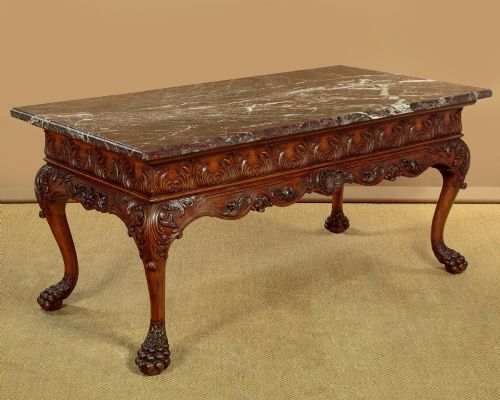


Georgian Walnut Console Table
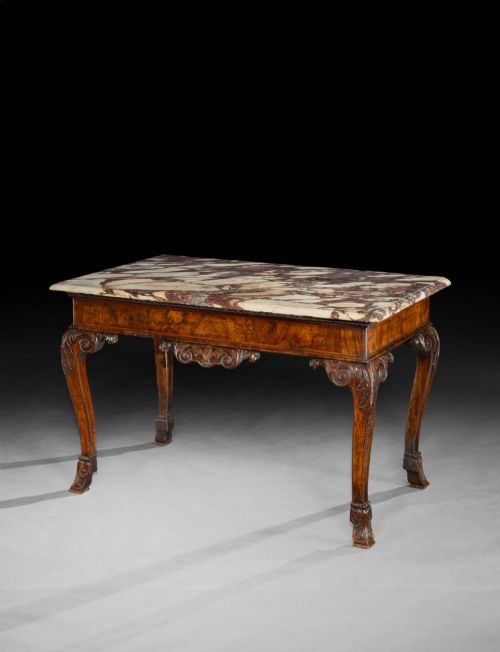
A georgian walnut console table brings rich timber figure and formal proportion to a hallway or drawing room.
What they are
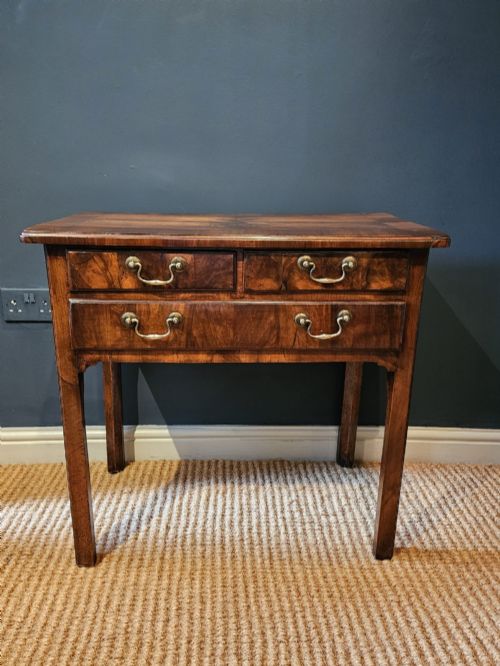
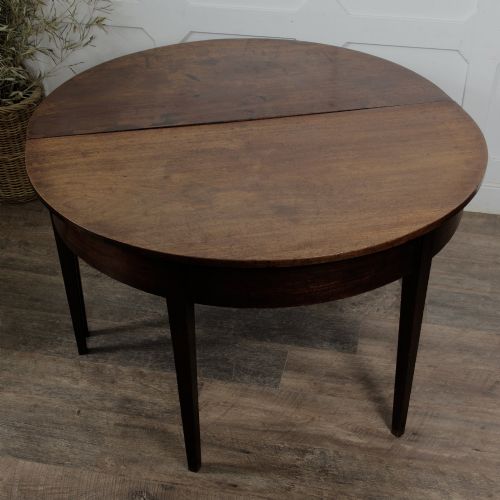
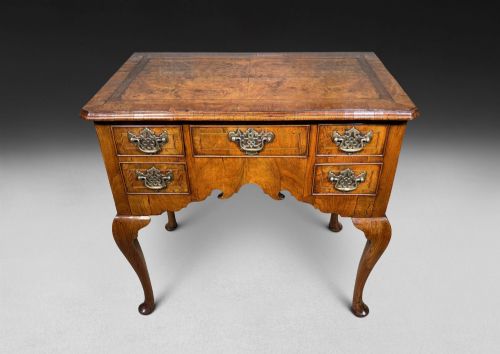
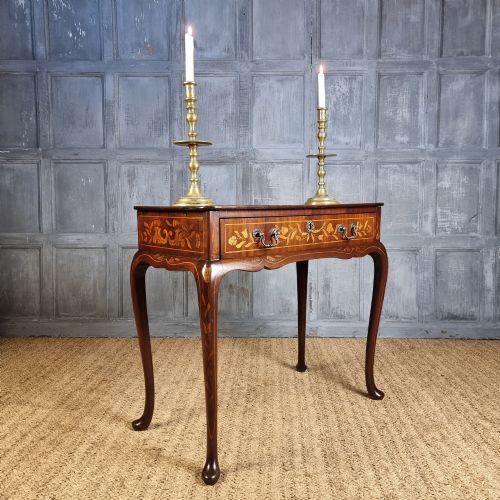
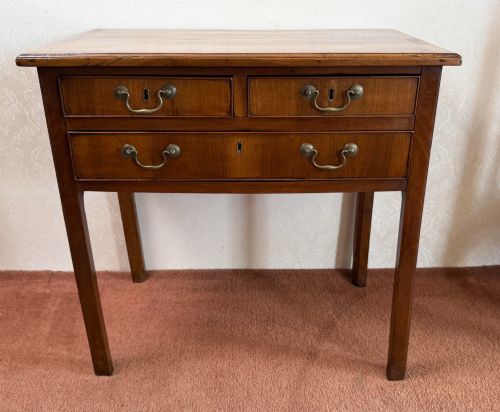
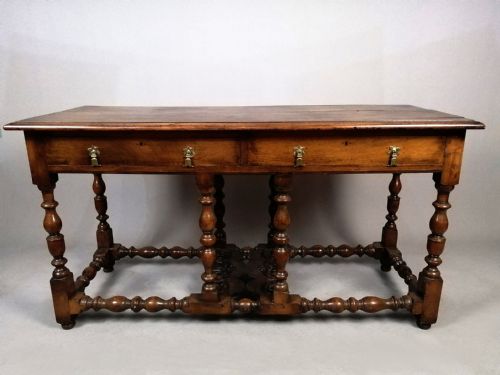
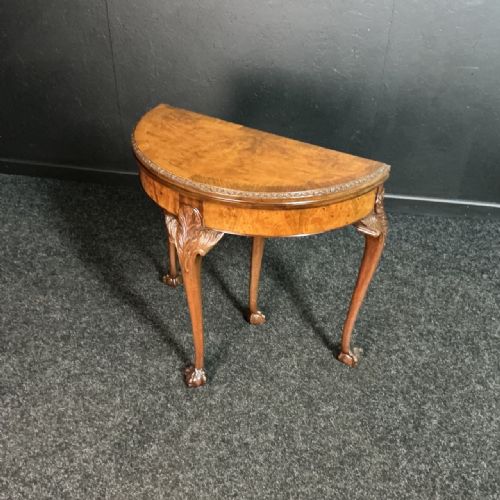
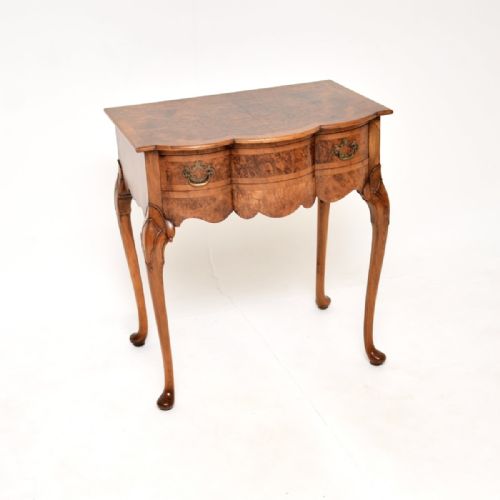
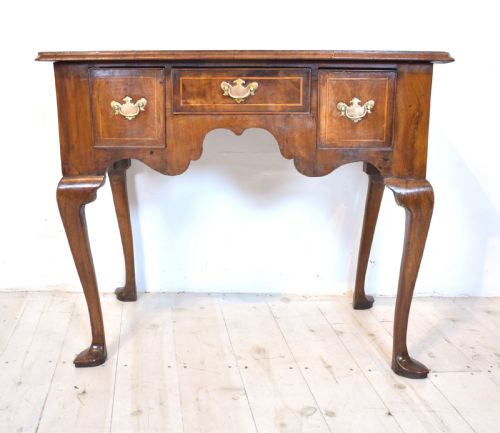
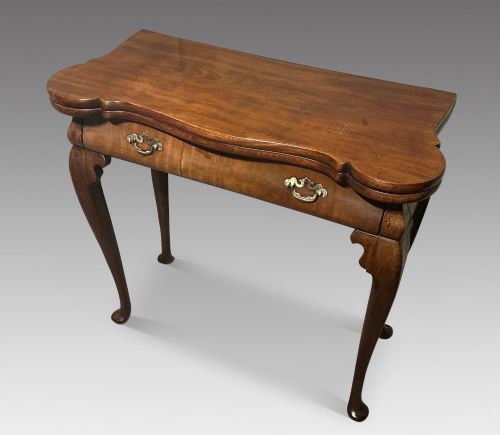
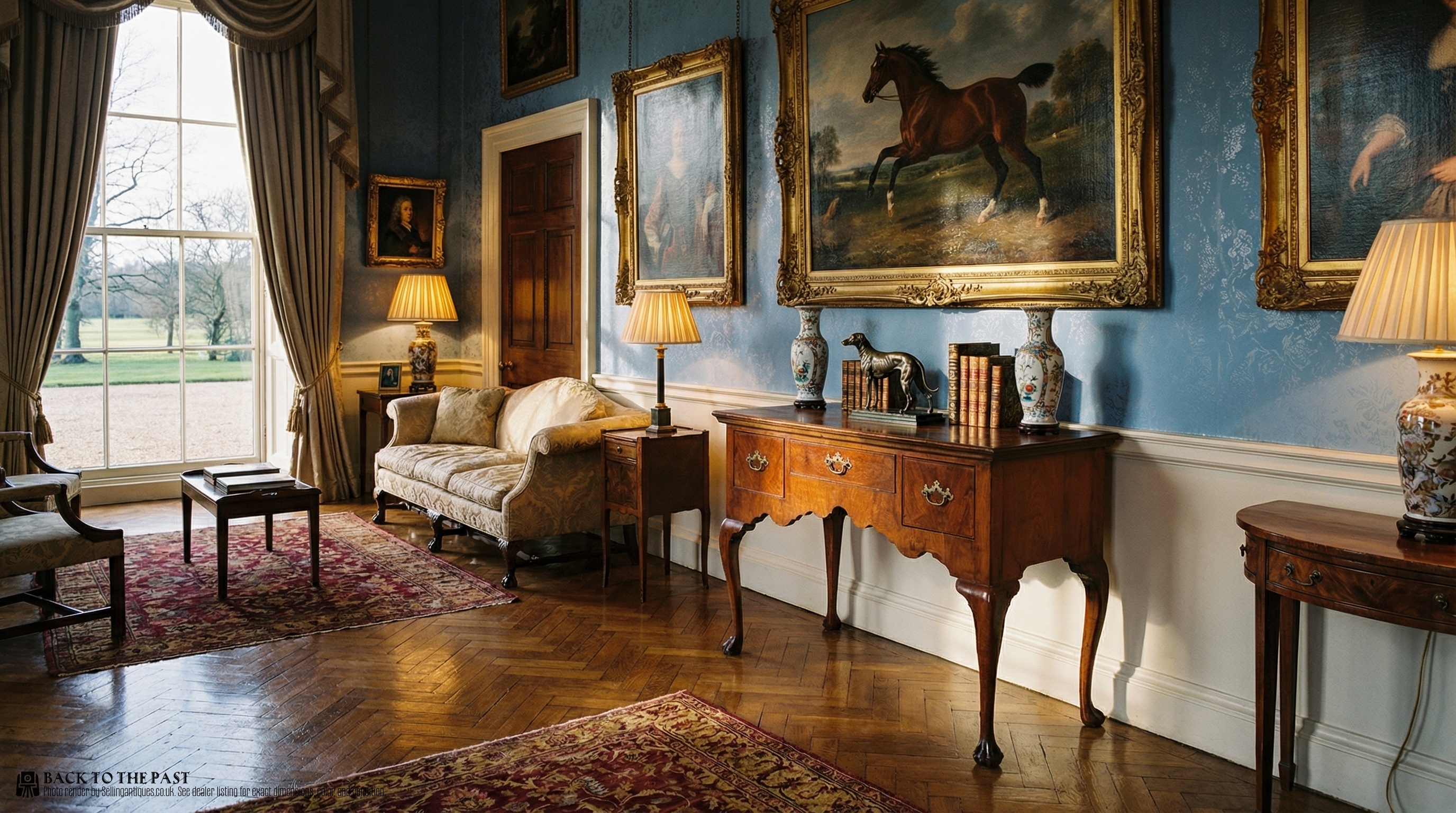
A georgian walnut console table comprises related forms including side tables, lowboys, dresser bases, and games tables spanning the eighteenth century and later revival periods.
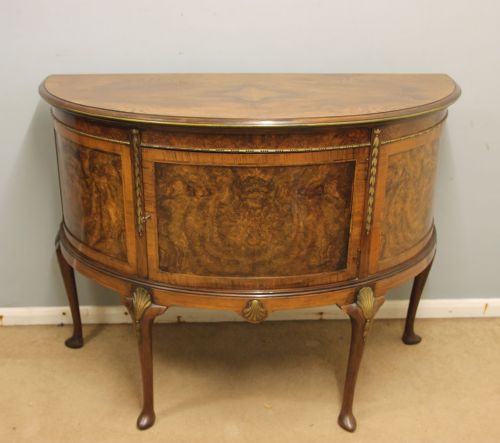
The material palette centres on walnut and burr walnut, sometimes enhanced by brass hardware and oak secondary woods.
Examples range from eighteenth-century originals to nineteenth-century revival pieces modelled in the George II style.
How they were made
Constructed primarily from walnut and burr walnut, these tables utilise oak for secondary framing and internal elements.
Selected pieces incorporate decorative feather banding and figured veneers to highlight the timber grain.
Retail Price Guide 2026
Typical UK retail prices for georgian walnut console table, calculated from the Sellingantiques database of over a million retail prices indexed since 2003. This retail price guide relies exclusively on Sellingantiques data; no external sources or auction records are used, so the figures do not describe the wider market.
Listings span the eighteenth century and the nineteen hundreds, uniting walnut, burr walnut, oak, and brass elements.
What varies in quality
The refinement of the timber figure and the complexity of decorative treatments such as feather banding dictate the visual stature of a piece.
Distinction exists between eighteenth-century construction and later revival interpretations based on the handling of proportions and historical detail.
The Georgian Walnut Console Table Glossary
- Console table
- A table designed to stand against a wall, historically supported by legs or brackets. Such pieces serve formal display functions in reception spaces.
- Lowboy
- A small table with drawers, typically used as a dressing or side table during the eighteenth century. These items feature prominently among walnut examples.
- Feather banding
- An inlaid decorative border formed from opposing diagonal veneer slices. This technique frames drawer fronts and tabletops.
- Burr walnut
- Timber obtained from walnut tree growths, producing intricate and swirling grain patterns. It is prized for high-status cabinet work.
Frequently Asked Questions
Where should I place a console table?
These tables suit hallways, landings, or reception rooms where surface space is required against a wall.
Their shallow depth allows them to sit comfortably in circulation areas without obstructing movement.
How do I identify a George II style piece?
George II pieces often display characteristic proportions and timber choices associated with the mid-eighteenth century.
Revival examples from later periods replicate these stylistic markers using walnut and burr walnut veneers.
What is the difference between a lowboy and a side table?
A lowboy is distinguished by its configuration of small drawers set beneath the work surface.
Side tables may share similar leg structures but often lack the drawer arrangements typical of lowboys.
How do I care for walnut furniture?
Walnut surfaces respond best to consistent indoor environments away from direct heat sources and strong sunlight.
Regular dusting with a dry cloth maintains the finish without moisture damage to the wood.