

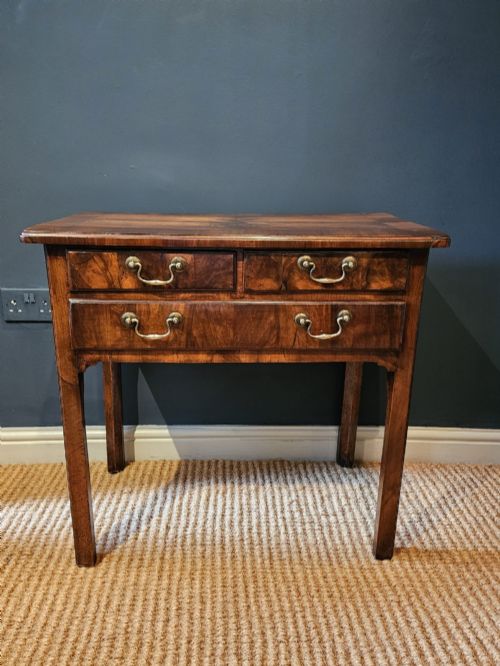
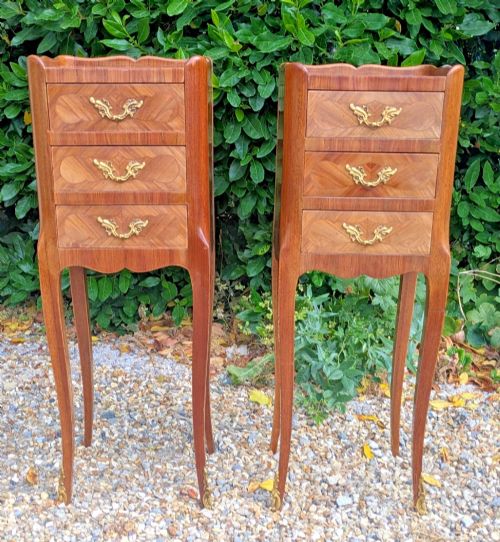
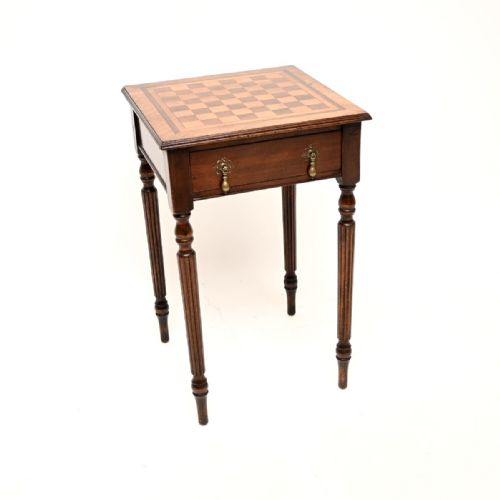
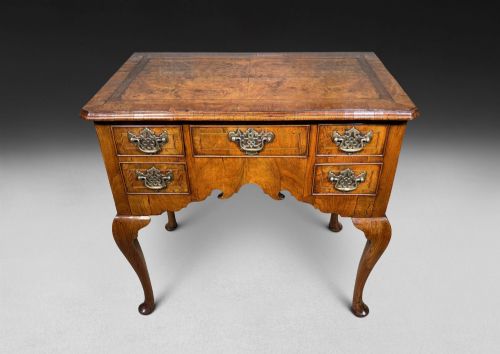
Walnut Side Table Drawers
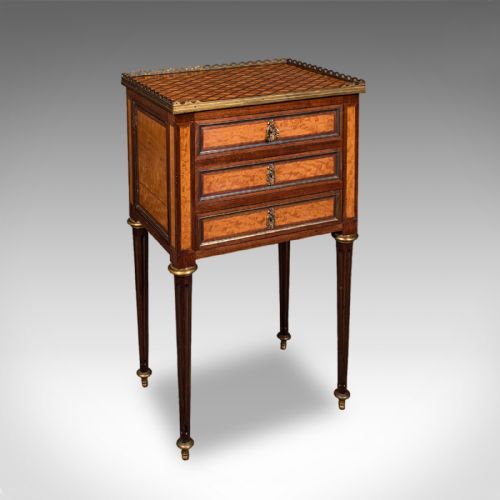
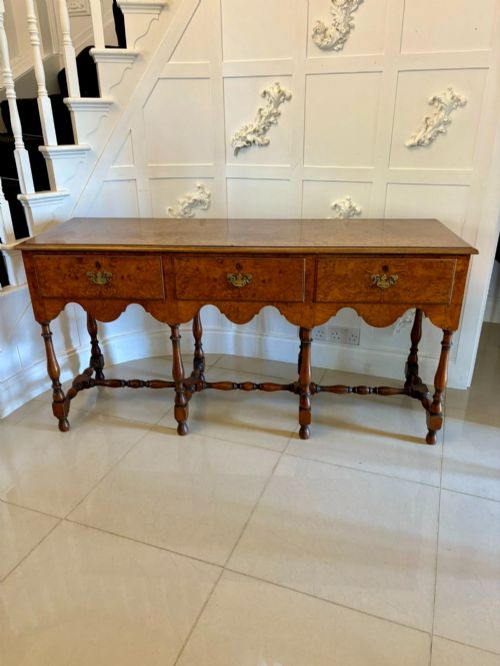
These walnut side table drawers bring warmth and history to a room.
Understanding walnut side table drawers
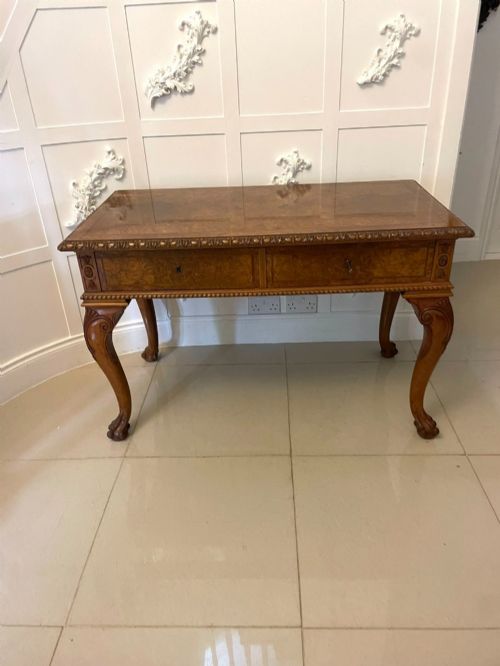
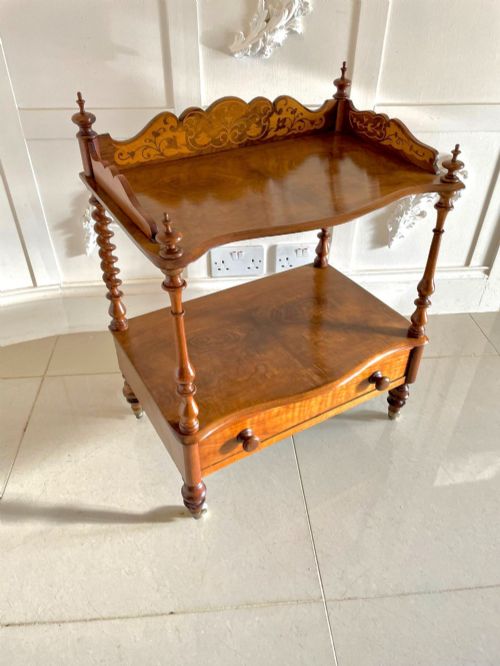
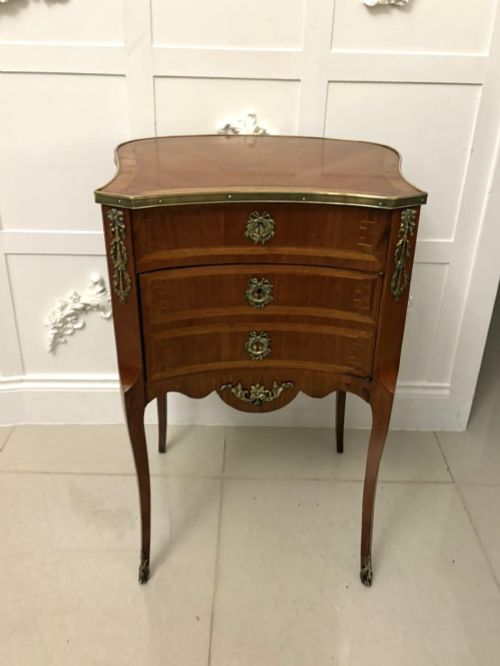
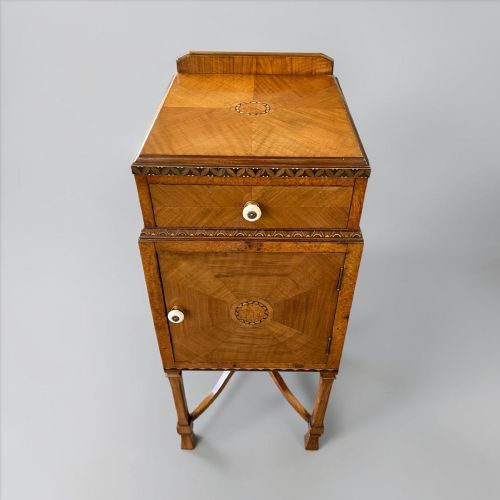
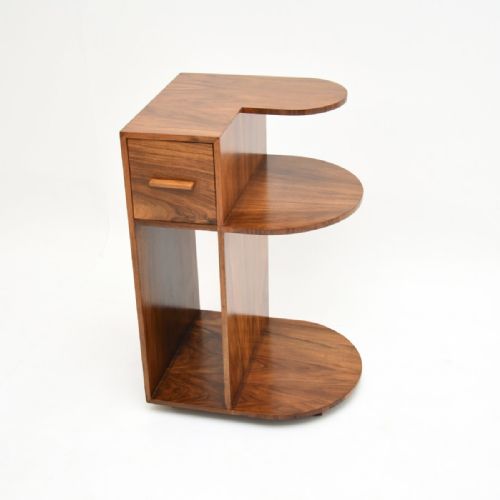
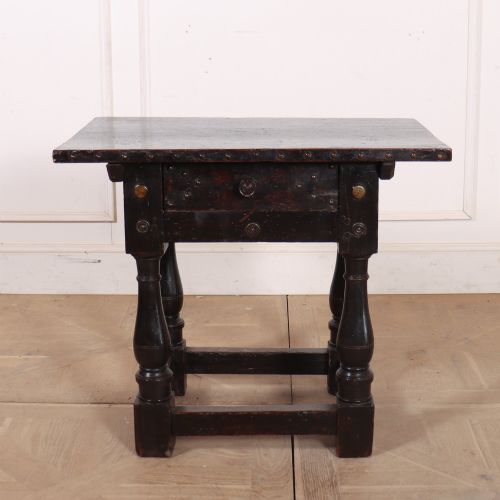
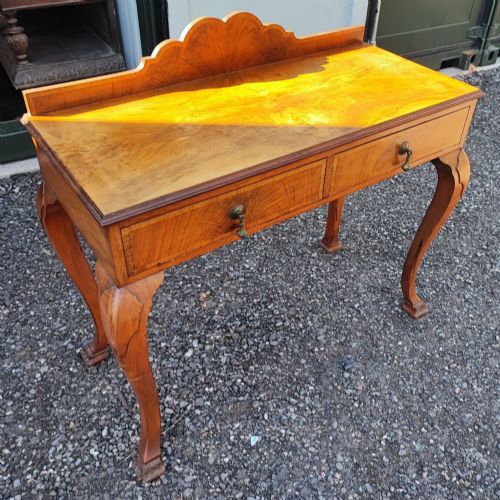
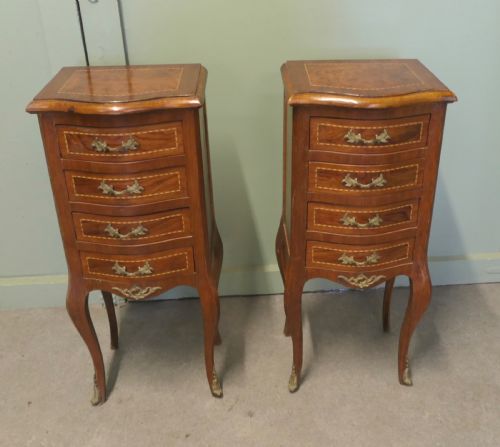
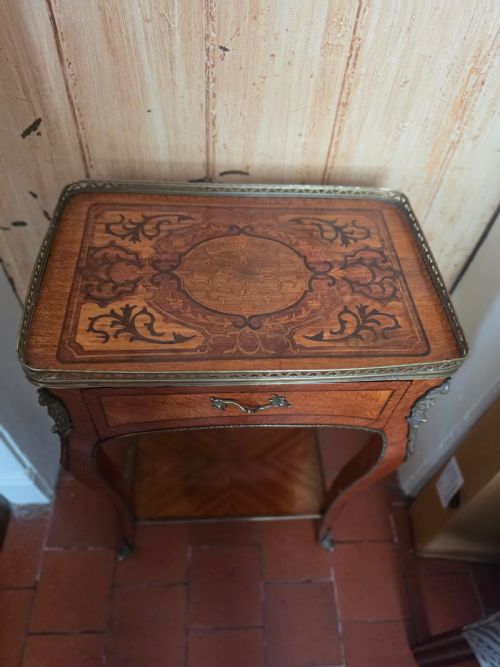
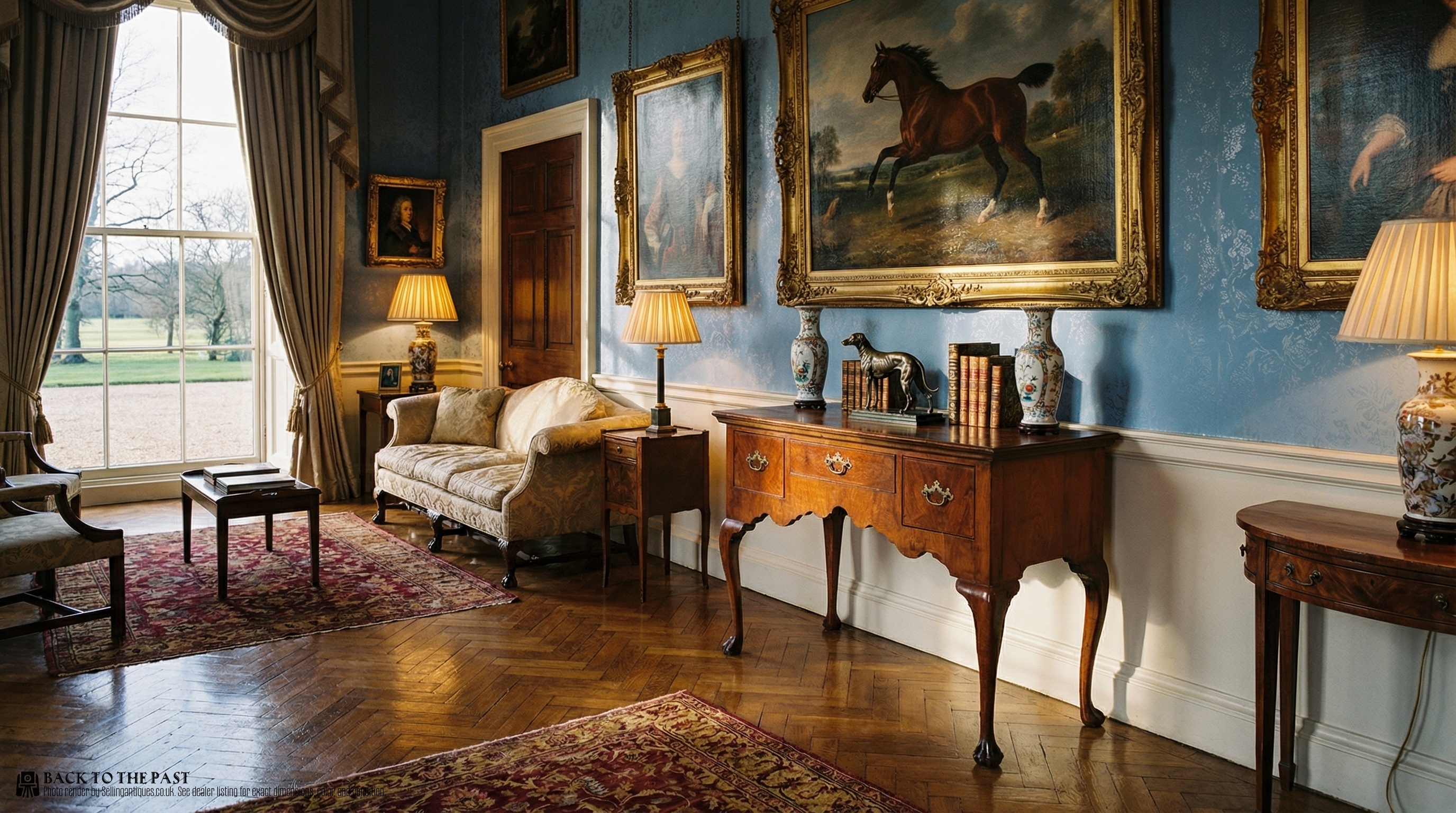
On this page, you are most likely to meet 18th century examples, including George II lowboys, alongside pieces from later periods like the Edwardian era and the Art Deco years. The forms vary from simple lamp tables to sophisticated tables featuring multiple drawers and shaped French designs.
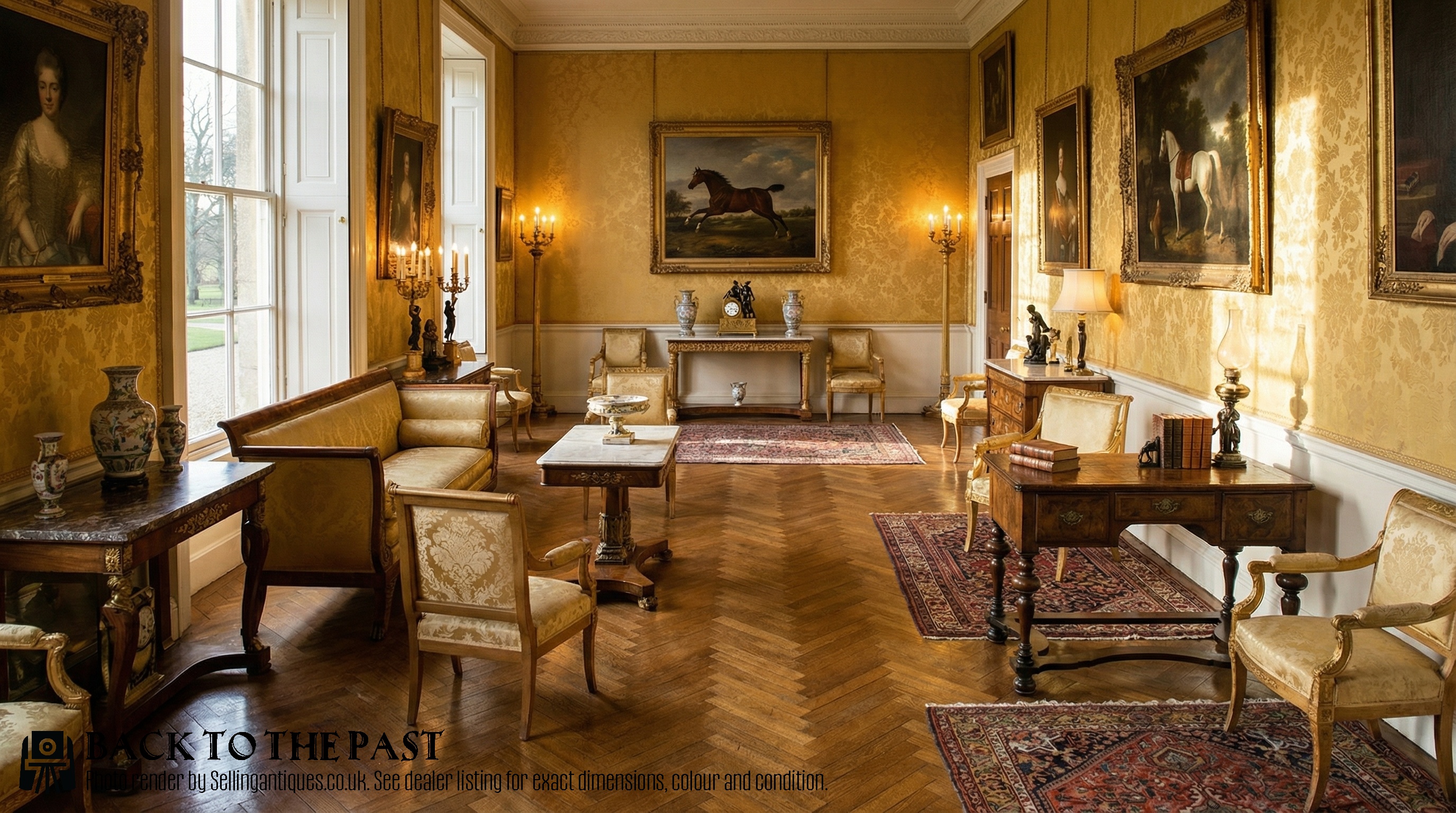
The enduring appeal of these walnut pieces lies in their combination of useful drawer storage and decorative timber surfaces. Whether placed beside a bed or in a living space, they provide a functional surface paired with compartment storage.
Materials and construction
The primary material seen across these listings is walnut, often utilised as burr walnut or figured walnut veneer to create striking patterns on the tops and drawer fronts. Cabinet makers applied these fine veneers over secondary woods, carefully matching the grain.
Metal hardware such as brass handles and escutcheons punctuate the timber surfaces, functioning as both operational pulls and decorative accents. Traditional joinery techniques secure the drawers and frames, ensuring durability across the centuries.
Some French side tables arrive in shaped pairs, ensuring your bedside symmetry is sorted in one go.
Judging quality in walnut tables
Quality in these tables rests heavily on the choice and handling of the timber, particularly where burr or figured walnut veneers create complex grain patterns. Finer pieces display seamless veneer matching across the top and drawer fronts, whereas lesser examples show less thoughtful arrangement of the wood.
The execution of the drawer construction and the integration of brass hardware also set tiers of craftsmanship apart. Superior tables maintain crisp lines and smooth drawer operation that reflect the maker's underlying skill.
The Walnut Side Table Drawers Glossary
- Lowboy
- A small oak, walnut, or mahogany table with drawers, produced primarily in the 18th century and commonly used as a dressing table or side table.
- Burr walnut
- A prized timber harvested from the irregular growth or wart on a walnut tree, yielding rich swirling patterns that makers used for decorative veneer.
- Quarter veneered
- A method of arranging four consecutive slices of veneer from the same log in a symmetrical pattern to create a striking geometric centrepiece.
- Featherbanded
- A decorative inlay technique using small strips of veneer laid diagonally to form a herringbone pattern around the edge of a tabletop or drawer.
Frequently Asked Questions
What is a walnut lowboy?
A lowboy is a traditional form of small table equipped with one or more rows of drawers beneath the top surface. They date back to the 18th century and were designed for practical storage in bedchambers or living rooms.
In walnut, these tables showcase the rich figuring of the wood on their flat surfaces. They sit on slender legs and offer a compact footprint for modern homes.
Where did people use these tables?
Historically, these drawer units served multiple functions depending on their size and internal layout. Some acted as bedside companions for holding lamps and night-time necessities, while others functioned as dressing surfaces or small lamp tables in parlours.
Today, their adaptable dimensions make them suitable as bedside chests or small hallway side tables. They bring period character to compact spaces while providing enclosed storage.
How can I identify 18th century pieces?
Eighteenth-century examples often display specific stylistic markers associated with periods like George II, including specific leg forms and traditional joinery methods. The construction of the drawer linings and the depth of the timber patination offer clues to their age.
Examining the grain and the application of walnut veneer helps distinguish earlier handmade pieces from later revivals. Familiarity with the listed materials, such as solid walnut and brass hardware, aids in reading the age correctly.