


Antique Lowboy Table Brass
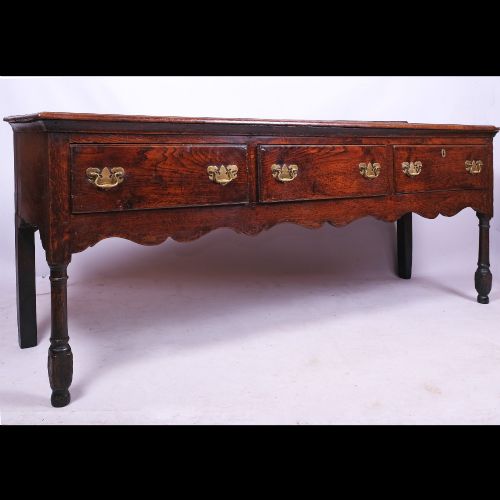
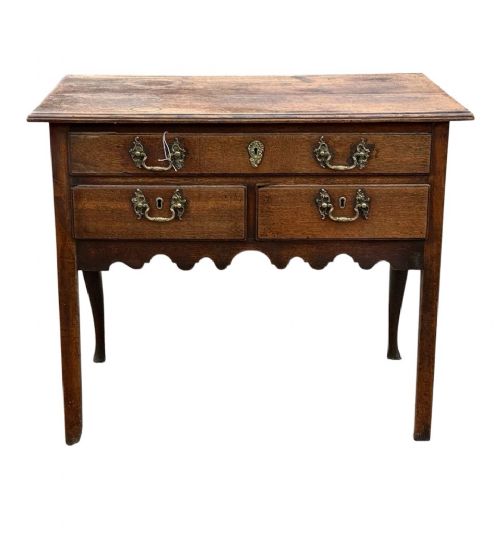
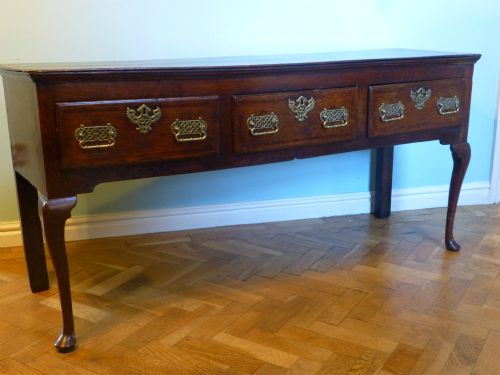
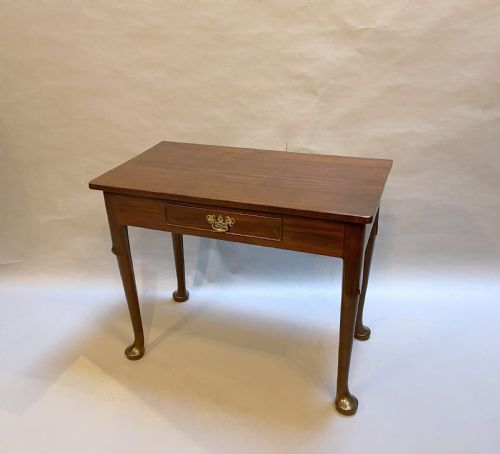
An antique lowboy table brass search brings you compact domestic tables with drawer storage, traditionally set against halls and dressing rooms.
Antique Lowboy Table Brass
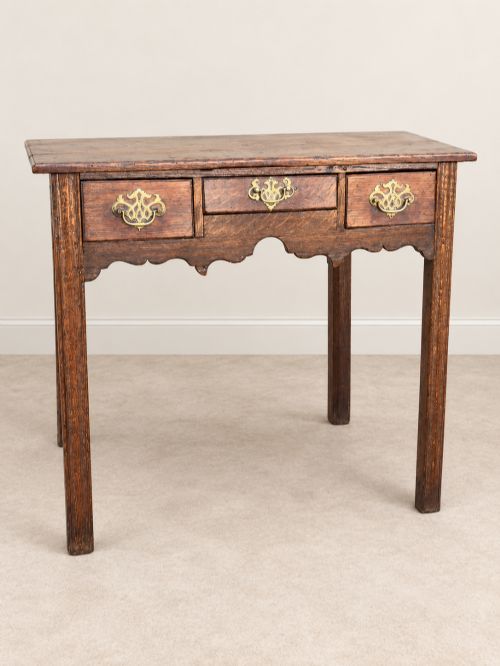
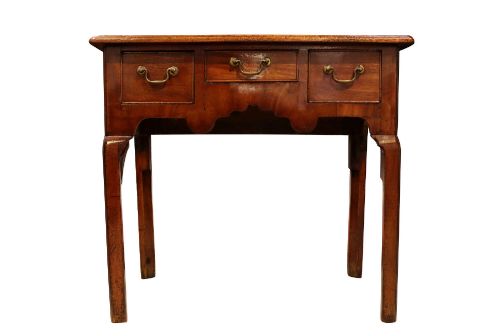
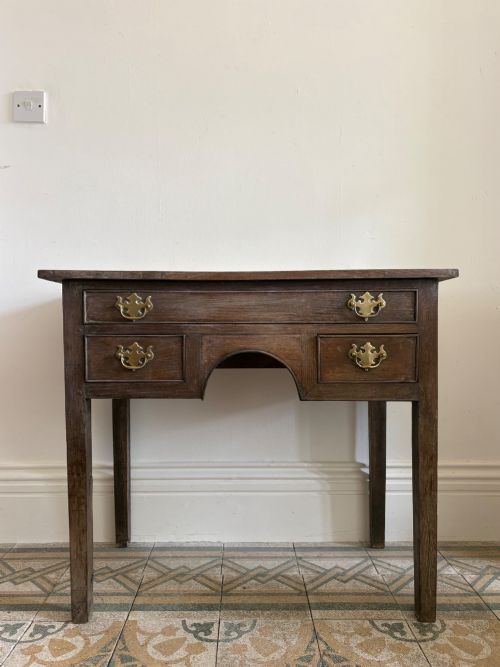
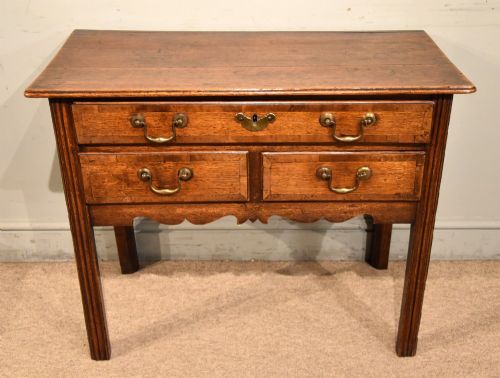
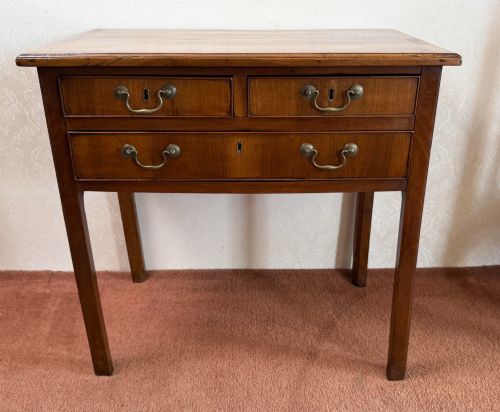
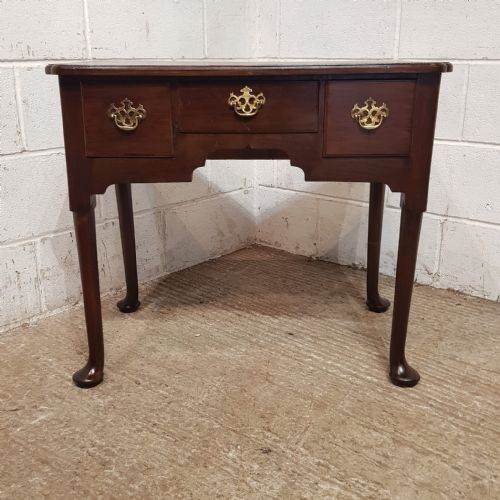
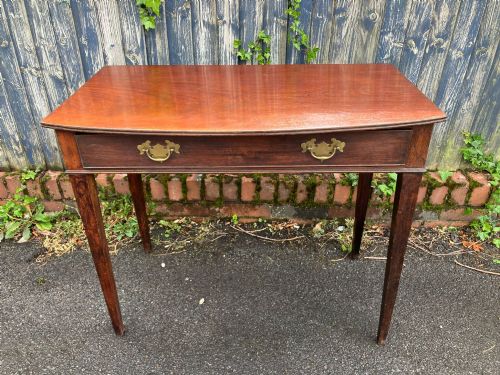
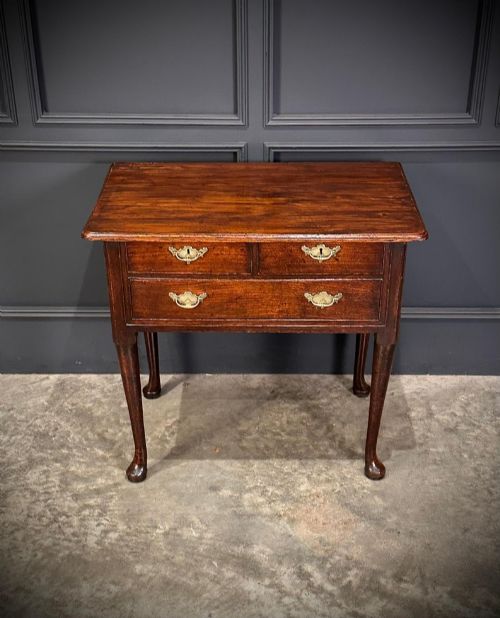
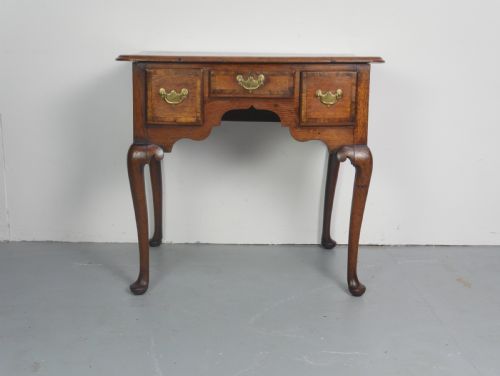
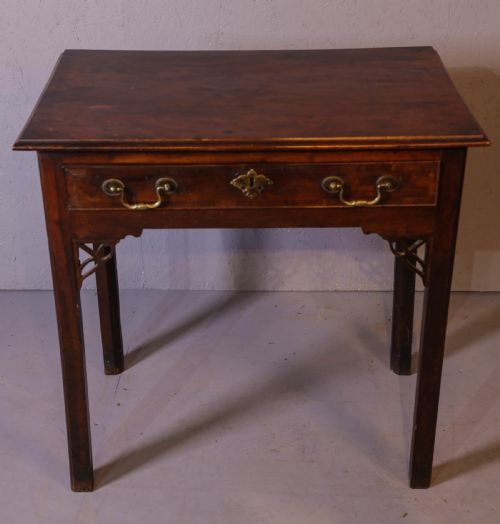
An antique lowboy table brass search uncovers small, waist-height tables featuring one to three drawers beneath the top surface. Most examples found here stem from the eighteenth century and the Georgian period, embodying classic proportions designed for smaller rooms.
The objects frequently appear under designations such as side tables, dressing tables, and dresser bases. Oak and mahogany dominate the offerings, occasionally accompanied by walnut, burr walnut, cherrywood, yew, and painted wood.
Makers and periods span Queen Anne, George II, and George III styles, alongside later Edwardian interpretations. These compact pieces served various domestic duties over the centuries, from writing desks to hall tables.
Materials and construction methods
Cabinet makers utilised dense native hardwoods like oak and mahogany to build the structural frames and drawer carcases of these tables. Walnut and burr walnut appeared on finer iterations, displaying intricate grain patterns across the top surface.
Metalwork played a functional and decorative role through brass handles and key escutcheons fitted to the drawers. Joinery relied on traditional hand-cut joints, supporting the cabriole or straight legs characteristic of Georgian design.
Listings span the eighteenth century to the Edwardian era, featuring oak, mahogany, walnut, burr walnut, cherrywood, yew, and brass hardware.
Distinctions in standard and execution
The hierarchy of quality rests primarily on the choice of timber and the sophistication of the primary woods. Walnut and burr walnut examples, along with those shaped in the George II or Queen Anne idiom, often exhibit finer surface figuring and more sculptural leg profiles than plain utilitarian oak pieces.
Refinement in drawer construction and the original selection of brass hardware further separate standard utilitarian items from superior workshop output. The crispness of carved details, such as cabriole knees or shaped aprons, defines the upper tier of surviving examples.
Muirhead Moffat & Co
The Antique Lowboy Table Brass Glossary
- Lowboy
- A small table with one or more drawers, standing on relatively tall legs and typically used as a dressing or side table.
- Cabriole leg
- A furniture leg that bends outward in a convex curve and tapers inward in a concave curve, ending in a pad or foot.
- Dresser base
- The lower section of a kitchen or dining dresser, functioning essentially as a heavy side table with multiple drawers.
- Escutcheon
- A flat plate of brass surrounding a keyhole, designed to protect the surrounding wood from wear.
- Burr walnut
- Timber taken from a walnut tree growth, highly prized for its swirling, mottled grain pattern on table tops.
Antique Lowboy Table Brass: Frequently Asked Questions
What is a lowboy table used for?
These low tables served versatile functions in domestic spaces, operating as dressing tables for personal grooming, writing desks, and side tables in hallways.
Their modest footprint allowed them to fit into smaller rooms where a full-sized desk or sideboard would prove too large.
How do I date a Georgian lowboy?
Dating relies on observing stylistic markers such as leg shapes, drawer configurations, and timber choices across different reigns. Queen Anne and George II pieces often feature cabriole legs and walnut, while George III examples typically show straighter legs and mahogany.
Construction methods inside the drawer carcases provide further clues to the manufacturing decade.
Are oak and mahogany the only woods?
While oak and mahogany form the majority of surviving examples, cabinet makers also utilised walnut, burr walnut, cherrywood, yew, and painted wood.
Finer decorative woods like burr walnut were selected for high-status rooms, whereas oak fulfilled more utilitarian household needs.
How do I style a lowboy in a modern home?
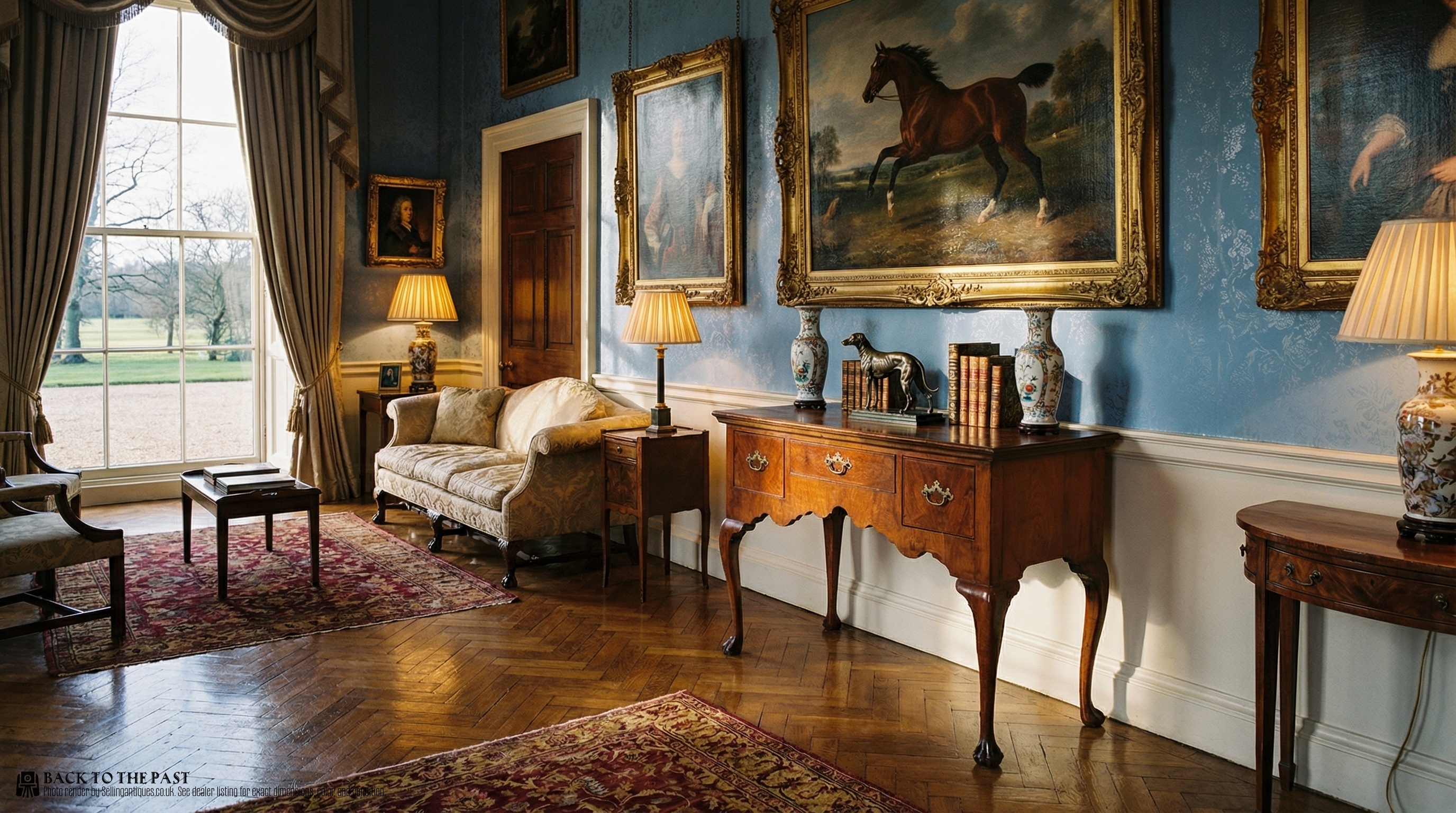
The compact proportions of these tables make them suitable as hallway console tables, bedside surfaces, or dressing tables in bedrooms.
Pairing the warm tones of old wood with simple modern lamps or mirrors allows the antique craftsmanship to stand out without cluttering the space.