




William and Mary Lowboy
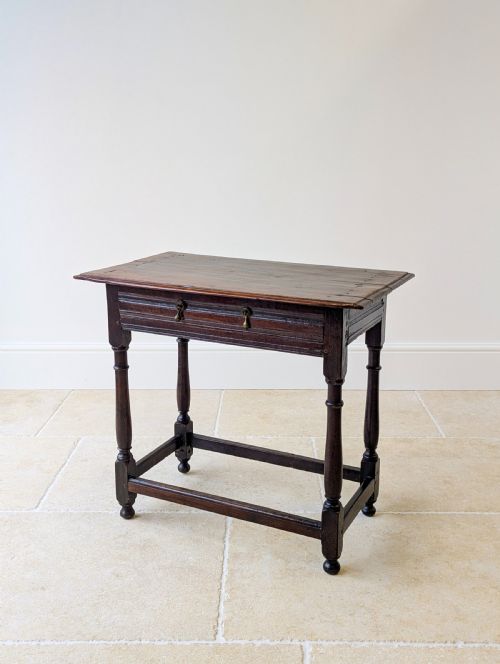
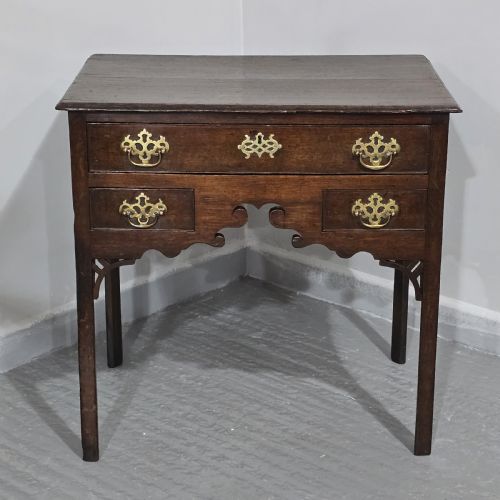
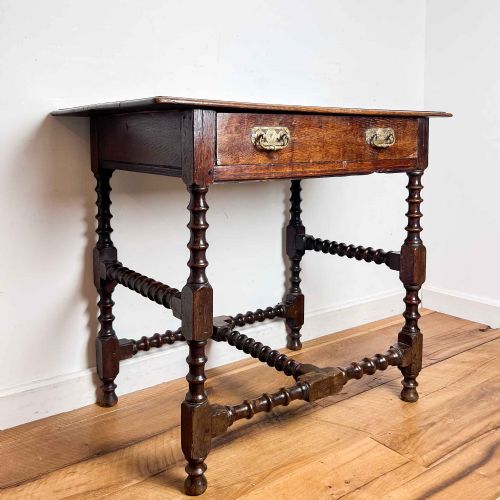
A william and mary lowboy is a compact table with drawers, prized for period character and compact proportions.
William and Mary Lowboy
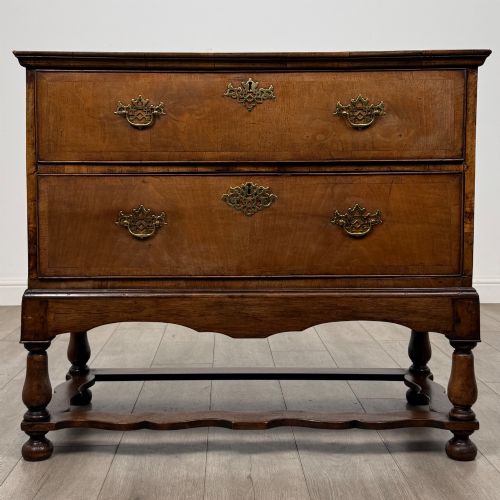
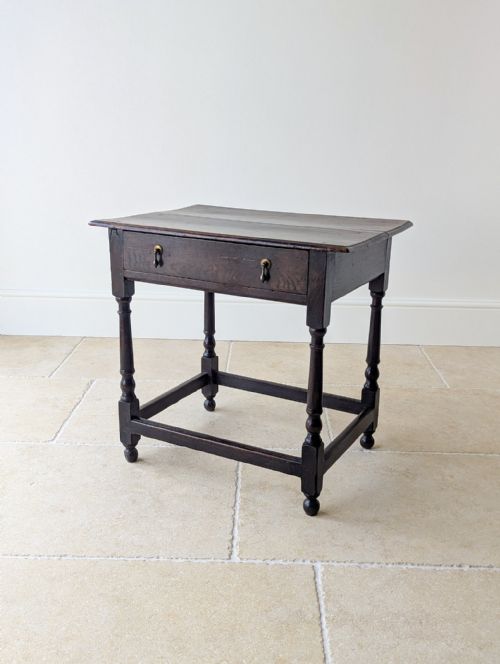
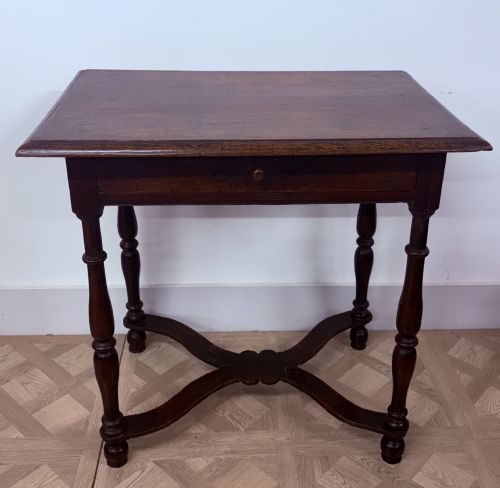
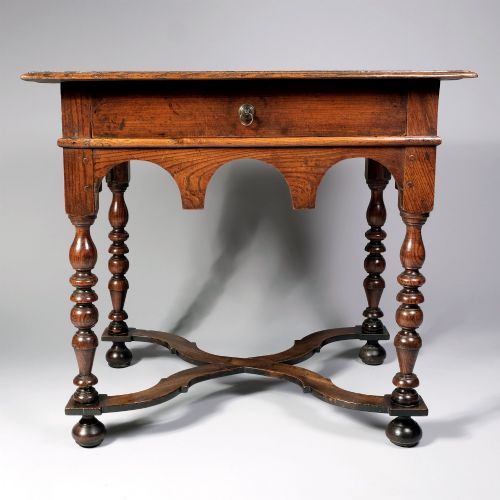
A william and mary lowboy is a form of side table or small table featuring drawers, originating in the late seventeenth century and early eighteenth century. These pieces serve as functional furniture with distinct period proportions and traditional joinery.
Buyers will encounter genuine seventeenth-century and eighteenth-century examples alongside later revival pieces dating from the Victorian era up to the early twentieth century. Side tables and chests of drawers also appear under this broad heading due to overlapping forms.
The materials span native timbers and figured veneers, giving each piece a distinct surface character. Formats range from plain country oak to highly decorative walnut and burr walnut constructions.
Materials and construction
Makers utilised solid timbers such as oak, walnut, and elm for structural integrity and longevity. These woods provided a sturdy carcase for drawers and turned supports.
Figured veneers, particularly burr walnut and burr yew, created decorative patterned surfaces on drawer fronts and table tops. Brass handles and escutcheons completed the hardware scheme.
Some tables feature clever oyster veneer patterns cut like wooden coins from tree branches.
Quality variations
The sophistication of the timber selection and veneer patterning marks the difference between standard and superior examples. Highly figured burr walnut requires greater skill in matching and application than plain oak.
The presence of period brass hardware and the crispness of carved details distinguish fine workshop production from simpler country pieces.
Shoolbred and Co·Gillows
The William and Mary Lowboy Glossary
- Lowboy
- A small table with one or more drawers, typically used as a dressing table or side table in the seventeenth and eighteenth centuries.
- Burr walnut
- A prized veneer sliced from walnut tree growths, producing intricate swirling grain patterns.
- Side table
- A small table designed to stand against a wall, frequently incorporating drawers in period formats.
- Oyster veneer
- Small circular or oval pieces of wood cut across branches to create a decorative oyster-shell pattern on furniture surfaces.
William and Mary Lowboy: Frequently Asked Questions
What is a william and mary lowboy used for?
These tables served primarily as small storage surfaces and writing or dressing tables in period interiors.
Today, they function well as compact hallway tables or bedside surfaces in traditional and eclectic rooms.
How do I spot a revival piece?
Revival pieces often date from the late nineteenth century and early twentieth century, mimicking earlier seventeenth-century styles.
Examining the internal timbers, hardware fixings, and overall wear patterns helps distinguish nineteenth-century revival furniture from original period items.
What woods were used?
Makers constructed these tables using native hardwoods including oak, walnut, and elm for strength and durability.
Decorative surfaces frequently incorporated burr walnut veneer or burr yew to create striking grain patterns on drawer fronts.
Are all listed pieces from the seventeenth century?
The selection includes original seventeenth-century and eighteenth-century examples alongside later Victorian and twentieth-century revival pieces.
Each listing specifies the period or estimated date of manufacture to clarify its age.