

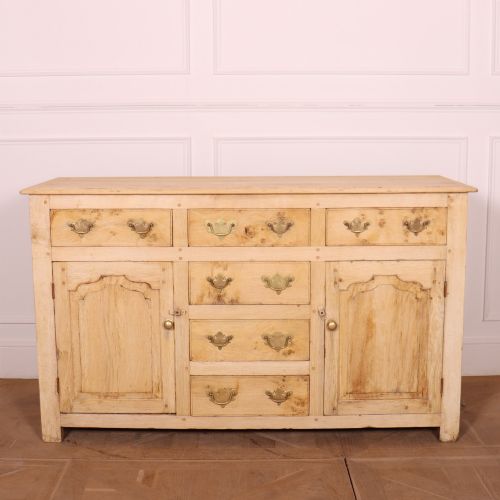
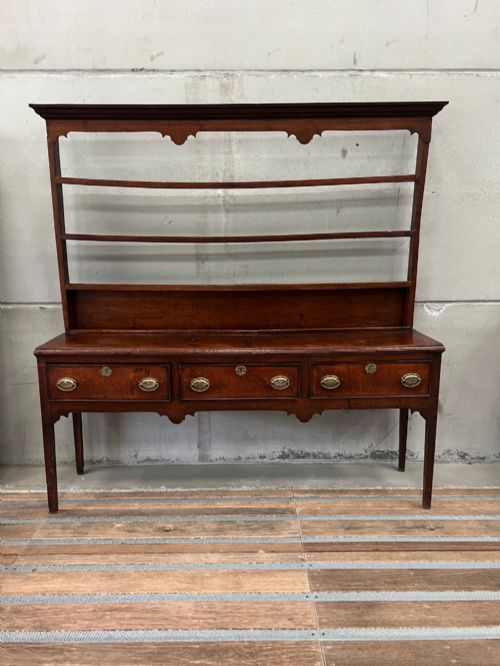
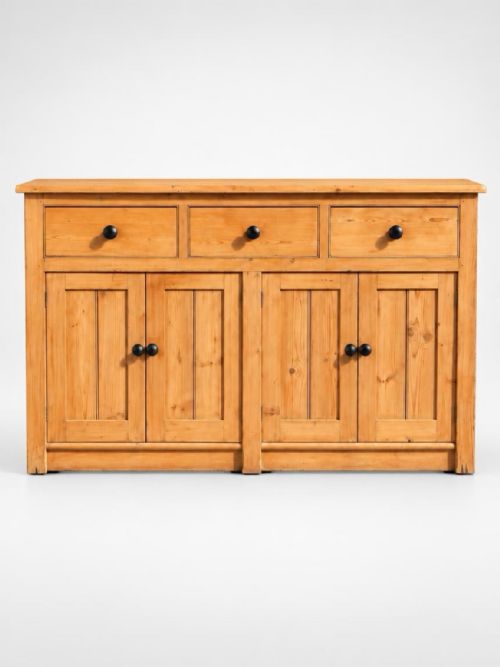
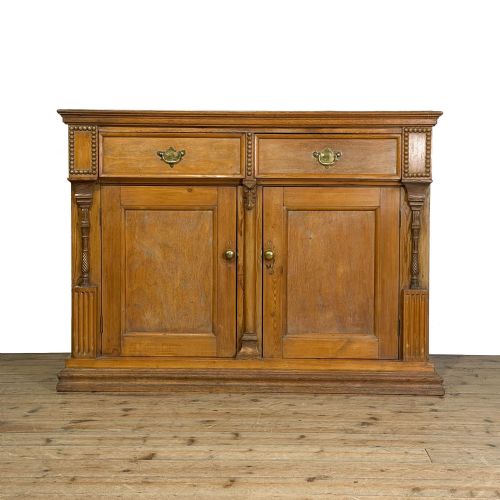

Antique Country Dresser Base
An antique country dresser base provides low-level storage with drawers and cupboards, combining daily utility with the honest character of domestic oak and pine.
Antique Country Dresser Base
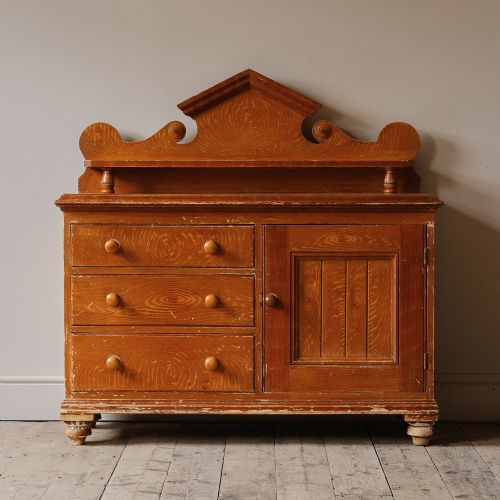
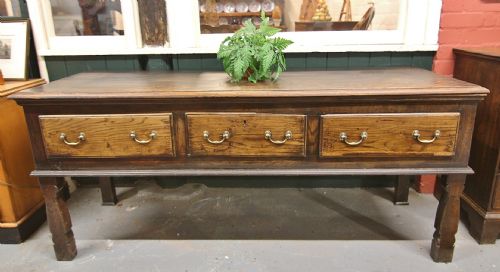
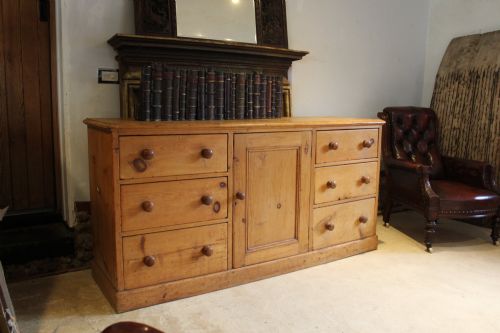
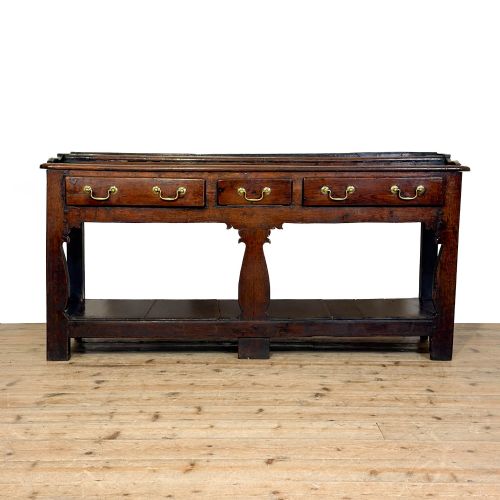
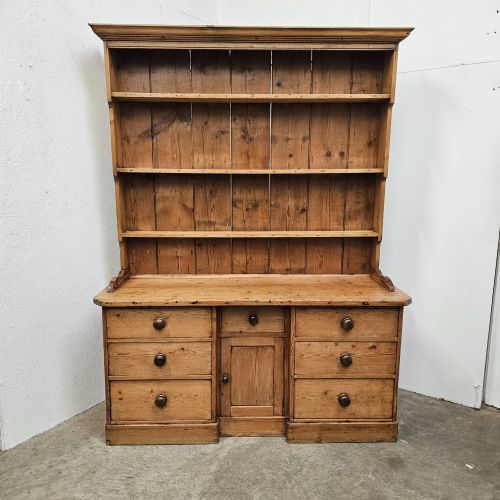
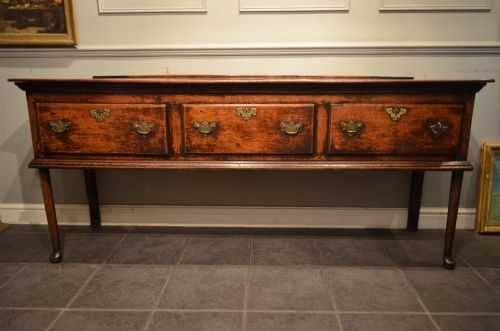
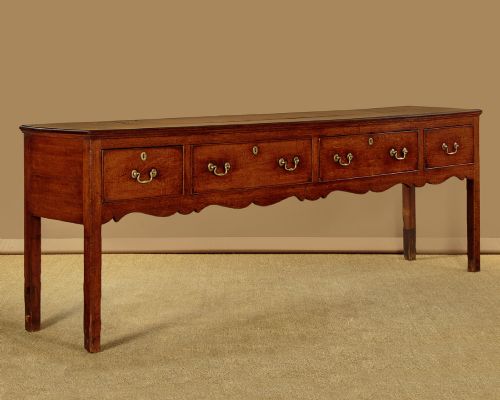
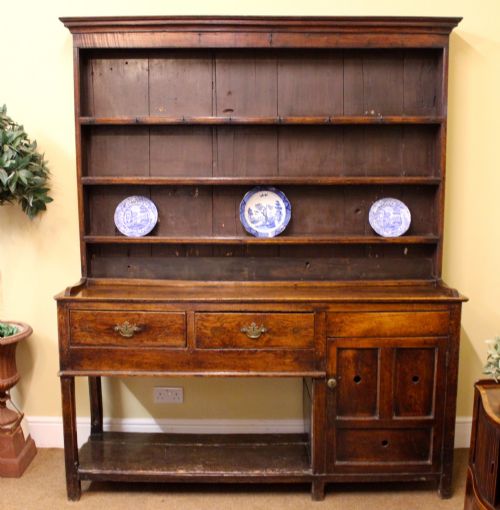
An antique country dresser base serves as a low sideboard or working surface originally designed for rural kitchens and pantries to store utensils and provisions. These pieces range from substantial 18th-century oak examples featuring open potboards to later 19th-century pine versions with doors and drawers.
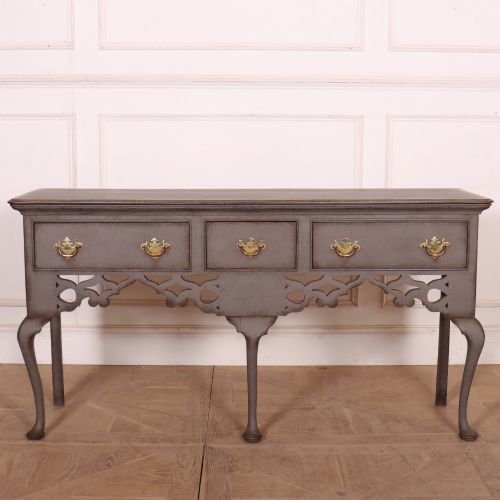
The format appears across regional English counties such as Lancashire and Wales, alongside French provincial workshops. Buyers on this page most frequently encounter sturdy oak or painted pine constructions from the Georgian and Victorian periods, often adapted from larger kitchen furniture or built specifically for domestic storage.
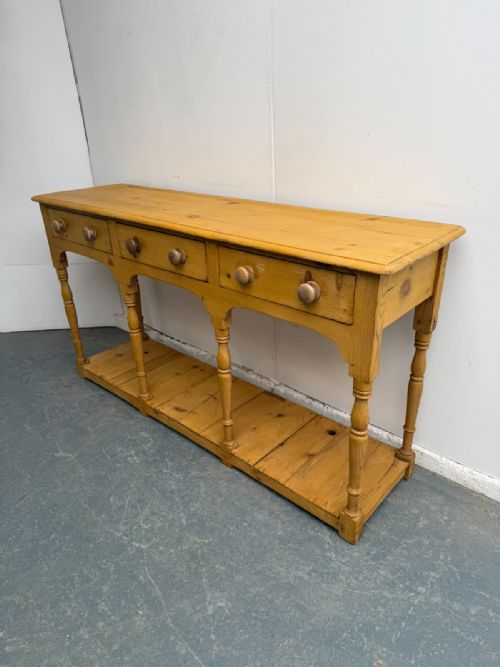
Regional variations dictate the layout, with some pieces incorporating potboards for displaying platters below while others rely on enclosed cupboards. The enduring appeal lies in this functional utility, which translates easily into modern living spaces as a sideboard or console.
Materials and Joinery
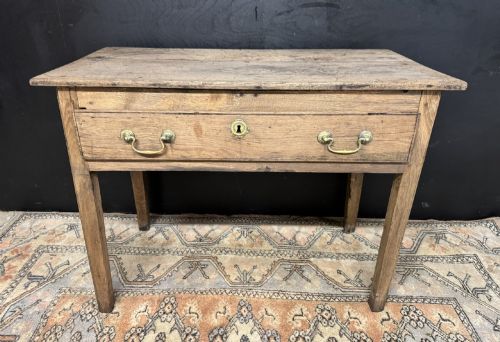
Makers relied principally on solid timber such as oak, pine, and elm, supplemented by fruitwood for specific regional variants and occasional walnut for finer Georgian commissions. Iron and brass hardware, including drop handles and escutcheons, secure the doors and drawer fronts.
Construction methods utilise pegged mortise and tenon joints for the main frames, ensuring structural rigidity without relying on modern adhesives. Drawer boxes often feature hand-cut dovetails, reflecting the manual labour involved in shaping domestic furniture before industrial standardisation.
Antique Country Dresser Base Retail Price Guide 2026
Typical asking prices for country dresser base among the pieces listed under this phrase on Sellingantiques today, from the lower quarter to the upper quarter. They describe what is for sale here now, not the wider market.
Housekeeper's cupboards double as mysterious vaults where forgotten flour bags and spare keys hide for centuries.
Evaluating Execution
Quality rests upon the integrity of the timber selection and the preservation of original surfaces, whether unpolished waxed oak or early painted finishes. Pieces retaining their original brass furniture and unaltered potboards command greater appreciation from collectors.
Proportion and execution of the carved details or mouldings distinguish simpler provincial work from refined urban interpretations of Georgian or Queen Anne styles. Subtle execution in the hand-planed top boards and dovetailed drawers indicates the skill of the original carpenter.
The Antique Country Dresser Base Glossary
- Potboard
- An open lower shelf beneath a dresser base traditionally used for storing pots and pans. It sits just above the floor on extended stile feet.
- Breakfront
- A piece of furniture featuring a central section that projects forward from the flanking cabinets or drawers. This architectural layout adds visual depth to larger dresser bases.
- Enfilade
- A suite of rooms or, in furniture terms, a long sideboard or cabinet with a series of doors in a straight line. French examples often utilise this term for multi-door configurations.
- Escutcheon
- A protective plate surrounding a keyhole, usually fashioned from brass. It prevents the wood around the lock from splitting through repeated use.
- Stile
- The vertical outer member of a frame in panelled construction. They form the primary upright supports for doors and carcass sides.
Antique Country Dresser Base: Frequently Asked Questions
What is a dresser base used for?
A dresser base functions primarily as a low storage cabinet featuring drawers and cupboards. Historically situated in country kitchens, it held food preparation equipment and tableware.
In contemporary interiors, it serves effectively as a sideboard in a dining room or a console table in a hallway.
How do I tell pine from oak?
Oak is a heavy hardwood characterised by a prominent grain pattern with visible medullary rays. It typically deepens in tone to a rich brown over centuries.
Pine is a softer conifer timber with a lighter colour and straighter grain. Antique pine pieces frequently feature layers of historic paint or a waxed finish.
What is a potboard dresser?
A potboard dresser incorporates an open lower platform positioned near the floor rather than a bank of enclosed cupboards. This shelf was designed to keep heavy cookware accessible.
Today, this open space provides a convenient area to stack large ceramic platters or baskets.
How do I date an antique dresser base?
Dating relies on examining construction techniques, timber species, and design styles. Hand-cut dovetails, pegged joints, and original brass hardware offer reliable chronological indicators.
Earlier 18th-century examples often display simpler plank construction and native oak, whereas Victorian pieces introduce softer pine and machine-sawn elements.