
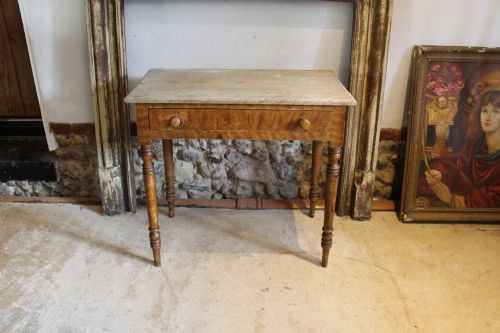

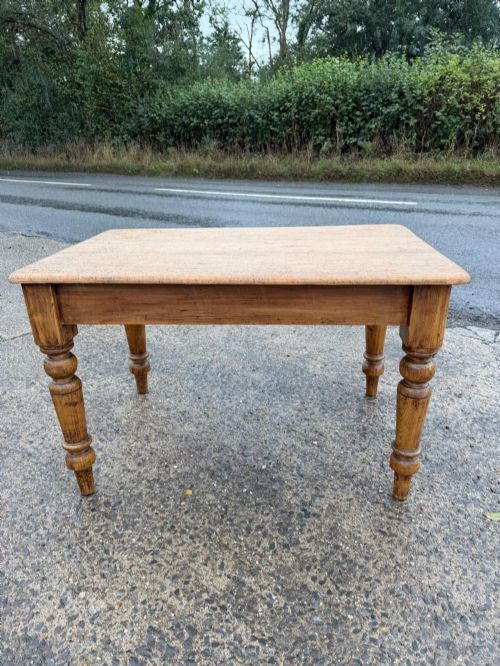
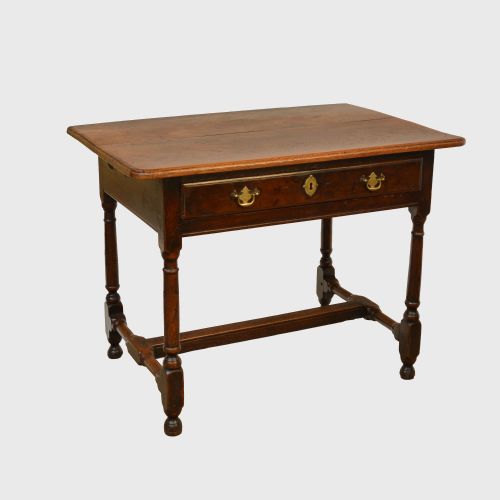
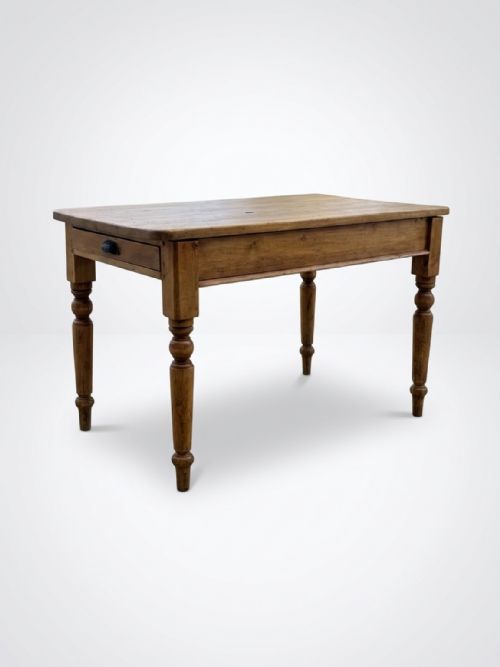
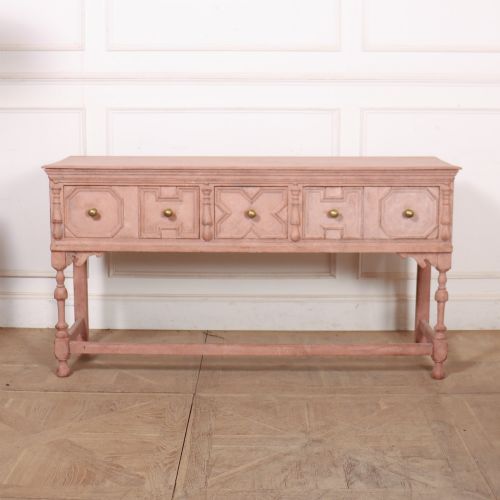
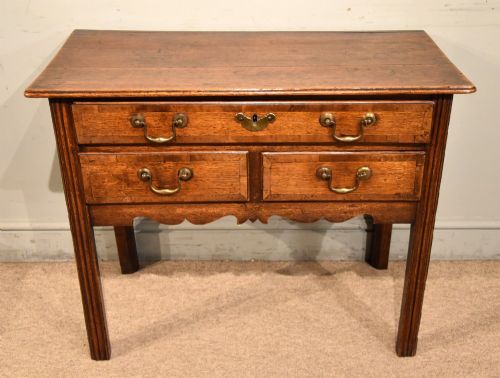
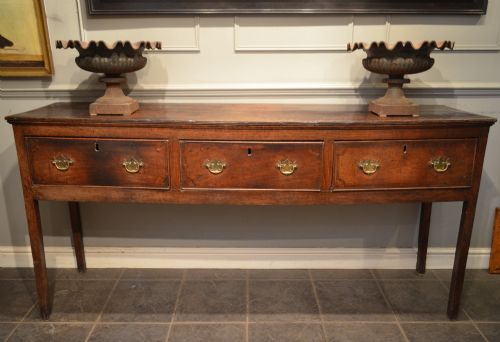
Antique Country Hall Table
An antique country hall table provides a sturdy and practical surface for an entryway, bringing traditional character and utility to a home.
Antique Country Hall Table
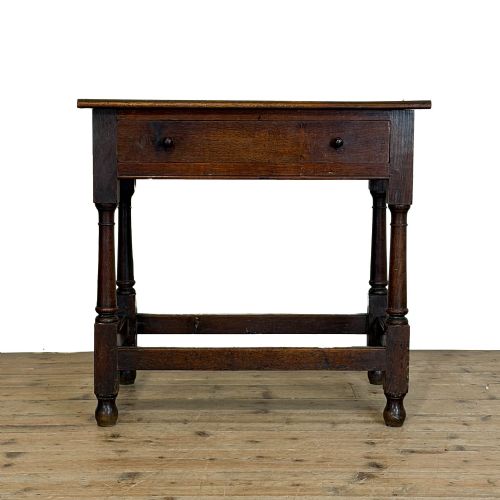
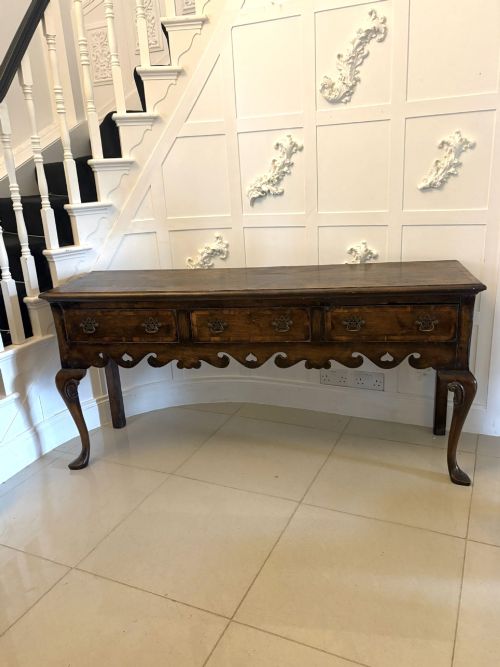
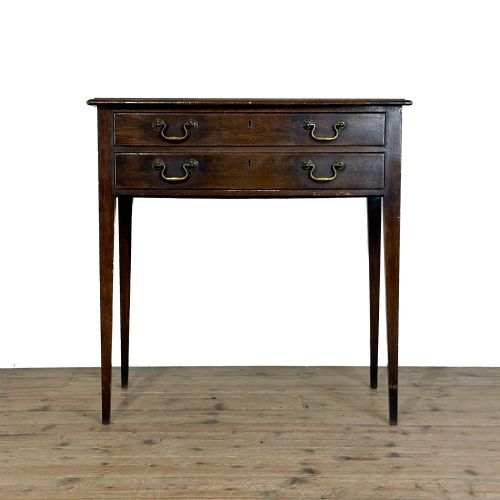
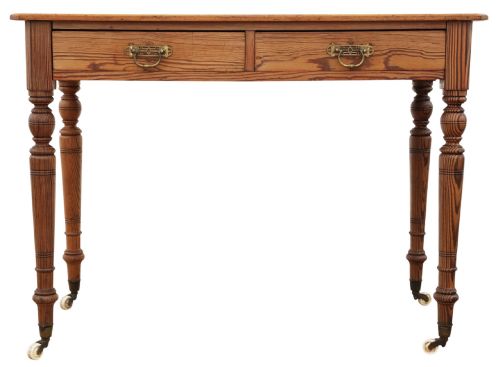
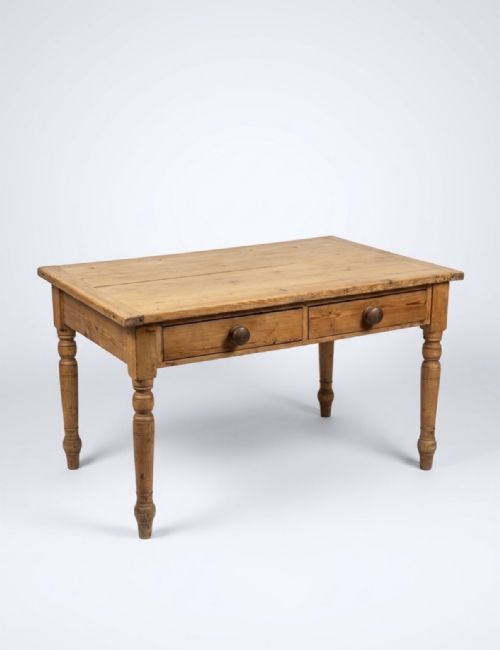
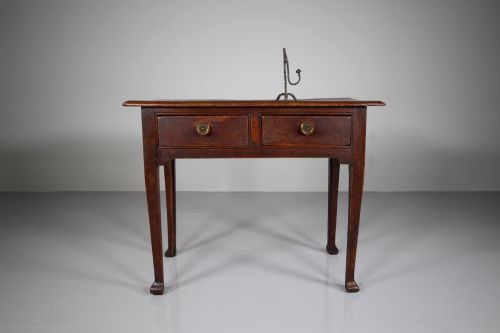
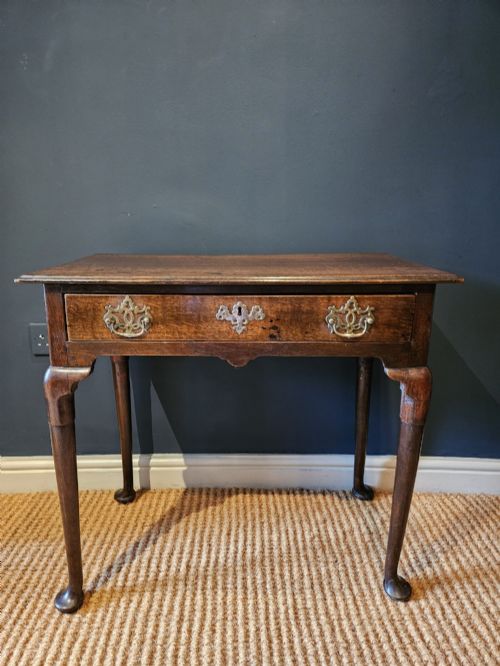
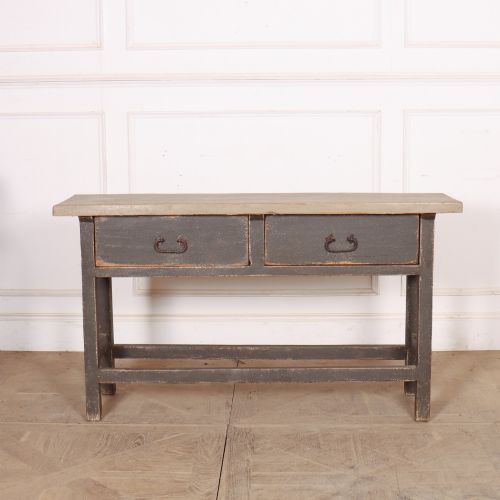
When searching for an antique country hall table, a buyer encounters pieces primarily built for domestic utility in rural settings, spanning periods from the 17th century through the Georgian, Victorian, and Edwardian eras. These forms frequently manifest as side tables, console tables, lowboys, and dresser bases designed to fit narrow spaces like hallways and landings.
The objects on this page largely originate from English, Welsh, and French traditions, utilising robust regional timber. Side tables and servers dominate the selection, often featuring single drawers or open potboards underneath for storage.
Makers constructed these tables for daily service rather than formal display, resulting in honest proportions and utilitarian designs. A buyer is most likely to find oak and pine examples showing decades or centuries of domestic use.
Construction and materials
Carpenters relied heavily on native hardwoods like oak, elm, fruitwood, and chestnut for structural integrity, alongside pitch pine and deal in later periods. Planks were joined using traditional methods suited to hardworking furniture.
Surfaces frequently display the tactile marks of early tools, with some pieces retaining original paint or scumble finishes while others show bleached or aged timber surfaces. Brass pulls and handles provide functional contrast to the wood.
Listings feature oak, pine, pitch pine, elm, fruitwood, chestnut, and painted wood across centuries ranging from the 17th to the 20th.
Assessing quality in country furniture
Quality in these tables rests on the integrity of the timber selection and the retention of original surface characteristics. Pieces retaining their early finish or original paint command greater interest than those stripped down or heavily restored.
Proportion and construction details distinguish standard utilitarian benches from finer lowboys and dresser bases. Thoughtful joinery, such as pegged mortise and tenon joints, indicates superior craftsmanship by regional makers.
The Antique Country Hall Table Glossary
- Lowboy
- A small table with drawers, typically standing on four legs, used historically as a dressing table or side table. These compact pieces often feature multiple drawers beneath a plain top.
- Dresser base
- The lower section of a kitchen or dining room dresser, functioning as a sideboard or console table with cupboards and drawers. They provide substantial storage beneath a heavy plank top.
- Potboard
- An open lower shelf fitted between the legs of a dresser base or side table, originally intended for storing pots and pans. This feature adds structural stability to the lower frame.
- Scumble
- A translucent layer of paint applied over a base coat to imitate the grain of more expensive wood or to create decorative texture. Victorian pieces occasionally retain this finish.
- Frieze
- The horizontal structural member situated directly beneath the tabletop, often containing one or more drawers. Drawer placement within the frieze is typical for side and hall tables.
Antique Country Hall Table: Frequently Asked Questions
How do I date an oak hall table?
Dating an oak hall table involves examining the construction methods, tool marks, and hardware used in the piece. Hand-cut joints, pegged tenons, and timber shrinkage patterns provide reliable clues to the century of manufacture.
Stylistic cues such as George III proportions or Victorian pine construction further help narrow down the production period.
Where should I place a console table?
A console or hall table fits naturally against a flat wall in narrow spaces like corridors, entryways, or living room perimeters. Their shallow depth allows them to serve function without obstructing foot traffic.
Placing one beneath a mirror or painting creates a traditional focal point upon entering a home.
Are painted tables original?
Some country tables retain their original paint or scumble finishes applied during the 19th or early 20th centuries. Paint served to protect softer woods like pine and deal while updating older furniture to suit changing domestic fashions.
Evaluating the wear and patina helps determine whether a painted surface is period-correct or a later addition.