
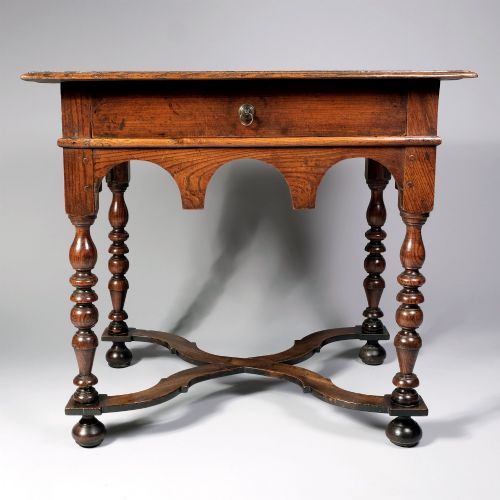


Elm Dressing Table
An elm dressing table brings warmth and rich grain to a bedroom, offering a practical surface shaped from timber with deep historical character.
Elm Dressing Table
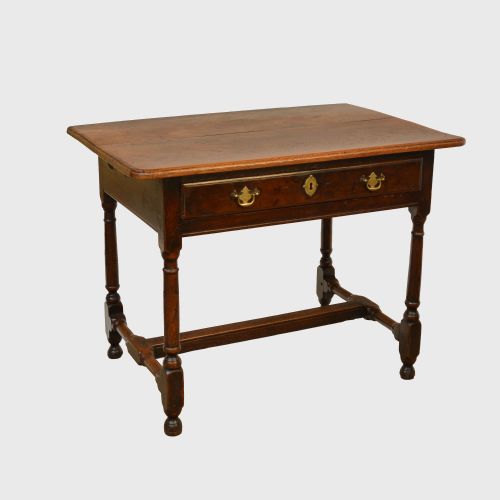
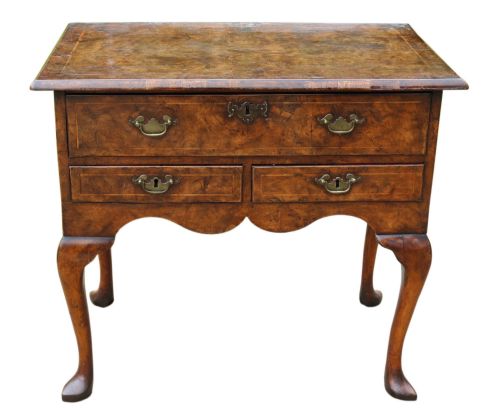
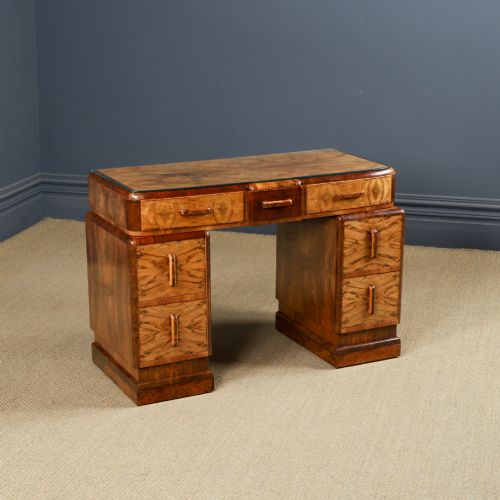
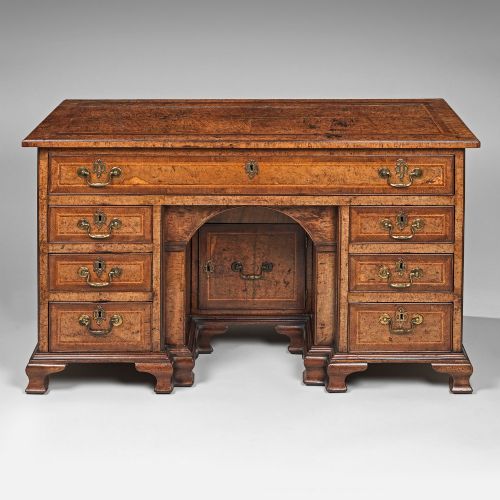
When you search for an elm dressing table, you encounter a mix of vanity pieces, lowboys and side tables spanning several centuries. The selection ranges from early periods like the seventeenth century up to twentieth-century Art Deco interpretations.
How they were made
Cabinetmakers utilised solid elm and burr elm for their striking grain patterns, often combining them with oak, fruitwood or walnut frames. Brass handles and mounts frequently provide functional contrast to the timber.
Construction techniques include traditional joinery suited to side tables, lowboys and desks, with occasional glass elements appearing in later twentieth-century Art Deco designs.
Quilted elm makes an appearance, reminding us that trees sometimes get as dressed up as the people using the furniture.
What varies in quality
Quality rests primarily in the vibrancy of the timber grain and the integrity of the original construction. Burr elm surfaces display intricate figuring that elevates the visual impact of the piece.
Proportion and the retention of period brassware or mirrors distinguish finer examples from simpler utilitarian furniture.
The Elm Dressing Table Glossary
- Burr elm
- A woody growth on an elm tree that produces knotty, highly figured timber. Cabinetmakers prize this wood for decorative veneers and table tops.
- Lowboy
- A small occasional table with drawers, typically standing on four legs. These pieces frequently function as dressing tables or writing desks.
- Side table
- A small table designed to stand against a wall. They appear across multiple periods in elm, oak and fruitwood.
- Kneehole desk
- A writing table featuring a central recess for the sitter's legs, flanked by pedestals of drawers. Georgian examples often showcase figured timber veneers.
Elm Dressing Table: Frequently Asked Questions
What periods do these tables come from?
The available pieces span from the late seventeenth century through the Georgian era and into the nineteenth and twentieth centuries, including Art Deco designs.
Earlier examples often feature simpler side table or lowboy forms, while later pieces adopt vanity and kidney shapes.
Are these tables made entirely of elm?
While elm and burr elm form the primary surfaces, makers frequently combined them with secondary woods such as oak, fruitwood and walnut.
Brass fittings and glass elements also appear depending on the specific period and style of the piece.
How do I identify a lowboy?
A lowboy is a small table equipped with one or more rows of drawers beneath the top surface. They typically stand on slender legs and served historically for grooming or writing.
Many pieces listed under dressing tables share this compact form.
How do I care for antique elm furniture?
Keep wooden furniture away from direct heat sources and sudden humidity changes to protect the timber grain. Regular dusting and occasional application of appropriate wax maintain the finish.
Avoid excessive moisture on antique surfaces, particularly around joints and brass fittings.